
Overview of Nepalese People
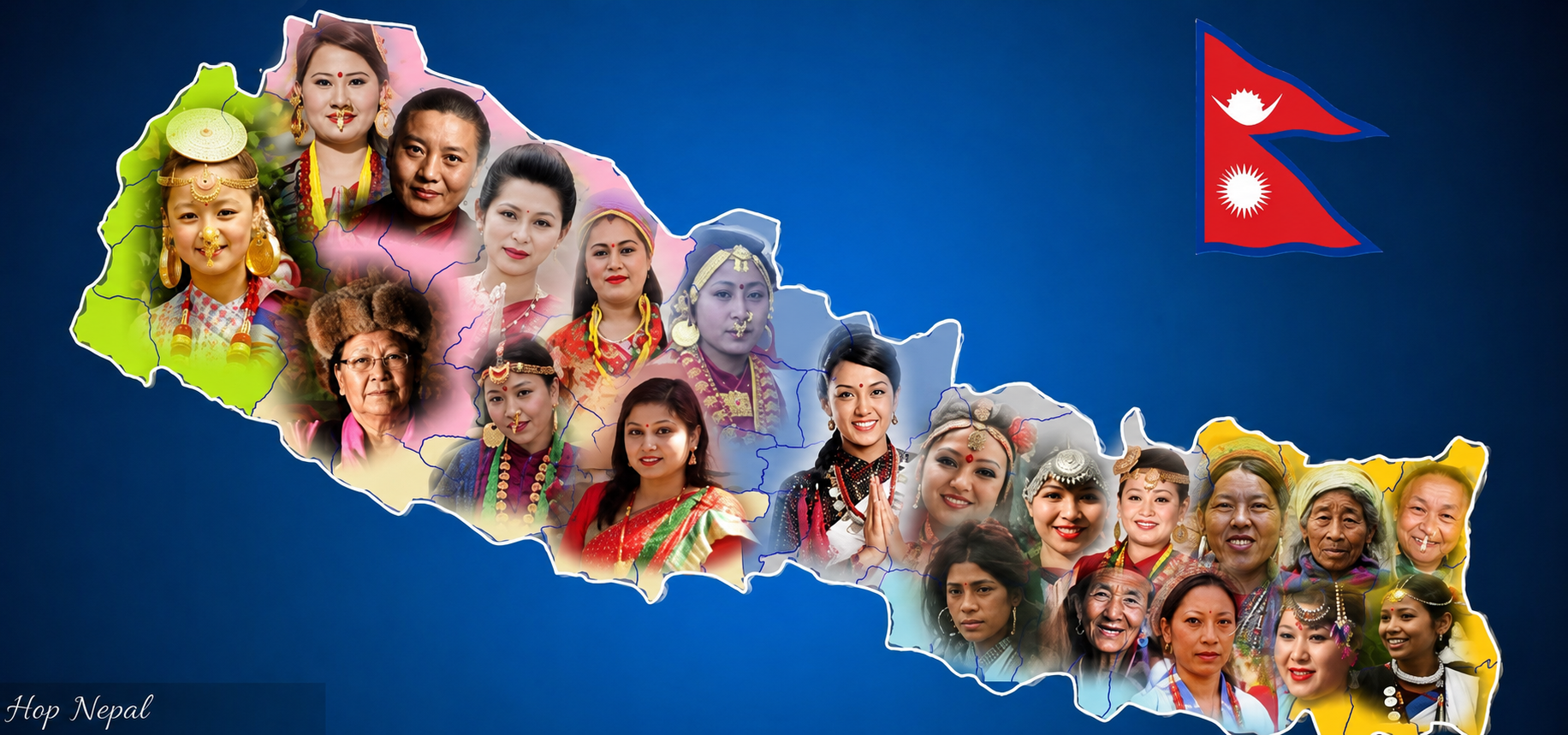
Nepal, officially known as the Federal Democratic Republic of Nepal, is home to a diverse group of people living across the mountains, hills, valleys and Terai plains. According to the 2021 National Population and Housing Census, Nepal has a population of 29,164,578. For a country covering only 147,181 square kilometres, this diversity is one of Nepal’s most remarkable features.
Most people in Nepal live in the Hill and Terai regions, while a smaller population lives in the Himalayan region. The Himalayan settlements are spread across high-altitude areas where life is shaped by mountains, trade routes, seasonal movement, agriculture, livestock, tourism and traditional lifestyles.
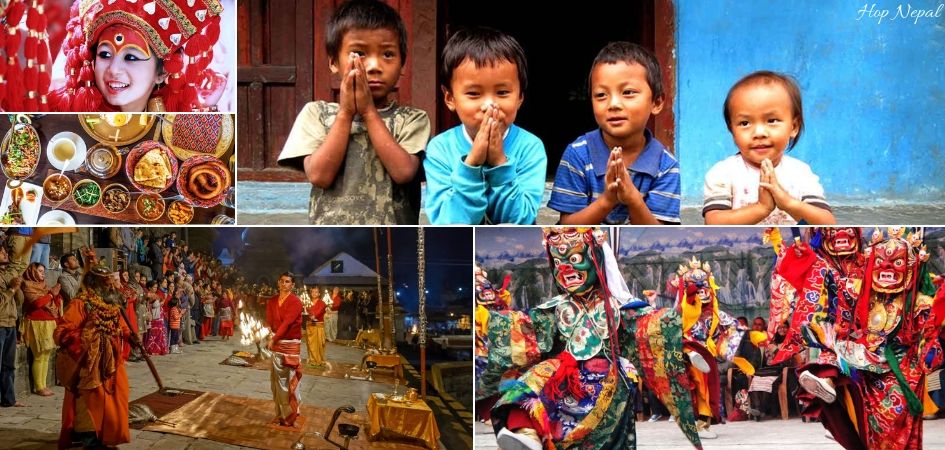
Nepal can easily be described as a melting pot of cultures, communities and ethnic identities. The country has 142 caste and ethnic groups and 124 mother tongues. With such variation in ethnicity, language, religion, festivals and lifestyle, the people of Nepal are often seen as a strong example of “Unity in Diversity”.
What Are People From Nepal Called?
People from Nepal are commonly called Nepali. The word Nepalese is also used, especially in English, but Nepali is the more common term used for the people, language and nationality of Nepal. For example, a person from Nepal can be called a Nepali person, and people from Nepal can be called Nepali people or Nepalis.
Major Groups of People in Nepal
The diversity among the people of Nepal has developed over many centuries through migration, settlement, trade, geography and cultural exchange. Communities with Indo-Aryan, Tibeto-Burman and indigenous backgrounds have shaped Nepal’s social and cultural identity.
Some of the major caste and ethnic groups in Nepal include Brahmin, Chhetri, Newar, Tharu, Tamang, Magar, Gurung, Rai, Limbu, Sherpa, Thakali, Muslim, Yadav, Kami, Damai, Sarki and many others. Each community has its own traditions, language, dress, festivals, rituals, food habits and local identity.
Nepal is also religiously diverse. Hinduism has the largest number of followers, followed by Buddhism, Islam, Kirat, Christianity and other faith traditions. Despite differences in religion and culture, Nepal is widely known for religious tolerance and peaceful coexistence among communities.
Different Regions and People of Nepal
1. People of the Northern Himalayas
In the high mountain regions of Nepal, communities such as Sherpa, Lopa, Baragaonli, Manangi, Dolpo-pa and other Himalayan groups have preserved unique cultures and lifestyles. Sherpas are mainly found in the eastern Himalayan region, especially around Solukhumbu, while Lopas and Baragaonlis live in areas of Upper and Lower Mustang. Manangis are mostly associated with Manang, and Dolpo-pa communities live in the remote Dolpa region of western Nepal.
Because of historical trade, migration and cultural connection with Tibet, many communities in the northern Himalayas have strong Tibetan cultural influence. Their lifestyle is shaped by monasteries, mountain trade, Buddhism, livestock farming, high-altitude farming, festivals and close connection with nature. Travellers visiting these areas can still experience ancient traditions, traditional houses, local dress, prayer flags, monasteries and mountain hospitality.
2. Middle Hills and Valley People
The Middle Hills and valleys of Nepal are home to many communities, including Newar, Thakali, Magar, Sunuwar, Chepang, Gurung, Tamang, Brahmin, Chhetri and Thakuri. Different occupational communities such as Damai, Kami, Sarki and Sunar also have an important place in Nepal’s social and cultural structure.
This region has a strong mix of rural and urban lifestyles. In cities and towns, people are involved in business, education, government service, tourism and modern professions. In rural villages, agriculture, livestock farming, local crafts and traditional occupations are still part of everyday life. Visitors can experience terraced fields, village homes, local festivals, traditional music, farming culture and warm hospitality throughout the hill regions.
3. Diversity of People in Kathmandu Valley
Kathmandu Valley is one of the most diverse cultural centres of Nepal. Over the years, people from many parts of the country have migrated to Kathmandu for education, work, business and better opportunities. Because of this, the valley has become a meeting point of different ethnic groups, languages, religions and lifestyles.
The native community of Kathmandu Valley is the Newar community. Newar culture is deeply connected with both Hinduism and Buddhism, and it is known for festivals, traditional architecture, temples, stupas, art, trade, food, music and community rituals. Kathmandu Valley is also home to Brahmin, Chhetri, Tamang, Gurung, Magar, Rai, Limbu, Tharu, Muslim and many other communities. This makes the valley one of the best places to observe Nepal’s cultural diversity in one region.
4. People of Nepal Living in the Lowlands of Terai
The Terai region is the southern lowland belt of Nepal and is home to many communities such as Tharu, Maithil, Bhojpuri, Awadhi-speaking communities, Rajbanshi, Dhimal, Danuwar, Majhi, Darai, Muslim, Yadav, Brahmin, Rajput and many others.
The Terai is known for its fertile land, agriculture, trade, border culture, festivals and warm climate. Languages such as Maithili, Bhojpuri, Tharu, Avadhi and Urdu are commonly spoken in different parts of the region. Many people in the Terai are involved in farming, business, fishing, pottery, transport, local trade and other traditional occupations. The culture of the Terai is colourful, lively and strongly connected with festivals, food, family traditions and community life.
People and Culture of Nepal
The people of Nepal are known for their hospitality, respect for guests and friendly nature. A simple “Namaste” with joined hands is one of the most common ways to greet people in Nepal. Whether travellers visit the mountains, hills, valleys or Terai, they will find different languages, foods, clothing styles, festivals and lifestyles.
Nepal’s cultural identity comes from this diversity. Different communities may have different traditions, but many people share values of family, respect, faith, community, hospitality and peaceful living. This is what makes travelling in Nepal so meaningful. Every region offers a different experience, and every community adds something special to Nepal’s identity.
Lastly,
With smiling faces and a warm “Namaste”, the people of Nepal welcome travellers into a country full of geographic, cultural, linguistic and ethnic diversity. From the Sherpa communities of the Himalayas to the Newar culture of Kathmandu Valley and the vibrant communities of the Terai, Nepal offers a deeply human travel experience.
Planning to explore Nepal beyond mountains and landscapes? Hop Nepal can help you experience the country’s people, culture, local lifestyle, trekking routes, tours, hotels, homestays and travel services with proper local guidance. Contact Hop Nepal to plan your Nepal journey with trusted travel experts.
FAQs
What are people from Nepal called?
People from Nepal are called Nepali. The term Nepalese is also used in English, but Nepali is more commonly used when referring to the people, language and nationality of Nepal.
Is it Nepali or Nepalese?
Both Nepali and Nepalese are used, but Nepali is more common and natural. For example, people usually say Nepali people, Nepali culture, Nepali food and Nepali language.
What do you call someone from Nepal?
Someone from Nepal is called a Nepali person. In plural form, people from Nepal can be called Nepalis, Nepali people, or Nepalese people.
What is the nationality of people from Nepal?
The nationality of people from Nepal is Nepali. A citizen of Nepal is commonly referred to as a Nepali citizen.
How many people live in Nepal?
According to the 2021 National Population and Housing Census, Nepal has a population of 29,164,578.
How many ethnic groups are there in Nepal?
Nepal has 142 caste and ethnic groups, according to the 2021 census. These groups represent Nepal’s rich cultural, linguistic and regional diversity.