
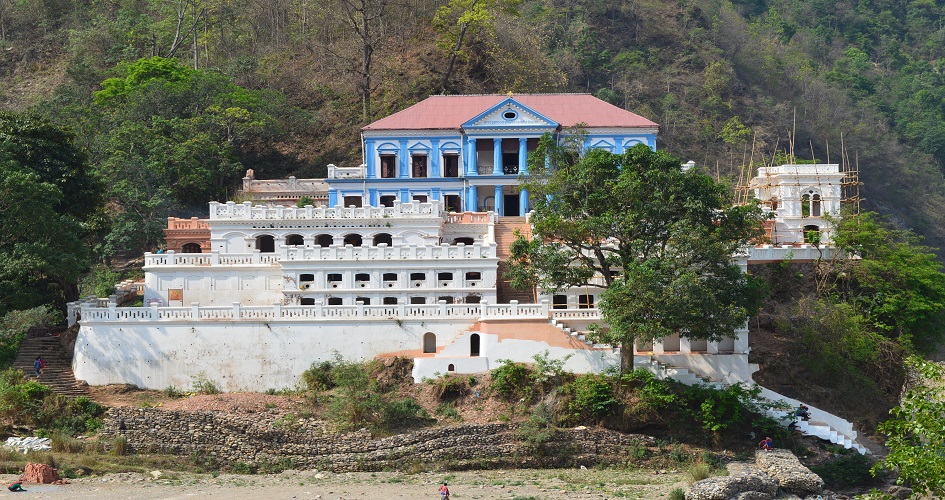
Rani Mahal is a palace of the Rana situated on the banks of the Kali Gandaki River in Nepal's Palpa district. General Khadga Samsher Rana JBR built this palace in 1893.
Also known as Nepal's Taj Mahal, Rani Mahal was constructed as a token of love for General Khadga Shumsher Jung Bahadur Rana's beloved late wife. In this article, we have listed a few things you need to get to Rani Mahal.
How to get to Rani Mahal in Palpa?
The palace was built in the 19th century between Syangja and Palpa, on the banks of the Kali Gandaki River. Located 13 km from Tansen, the palace is beautiful, perched on a large rock in a secluded, peaceful location.
Getting to Rani Mahal by Bus
The journey from Tansen to the Rani Mahal in Palpa is reasonably straightforward. A local bus runs there at 2:00 pm for $1 per person, but you must walk about 25 minutes. The town hotels have a private jeep. It is not easy, and it is jam-packed with locals from nearby villages, but it was the fastest way to get there.

Rani Mahal: Riverside Royalty Resides
At Amar Narayan Temple, you will find the jeeps for 140 rupees ($1.40). They leave around 2:30 pm, but it's best to get there around 2:00 to grab a seat, as they fill up early. The same jeep will drive you back at 8:30 am the next morning. The journey is about an hour and a half.
On foot
You can also reach the Ranighat Palace by hiking along the same path that the jeep follows. The journey is about 2 hours downhill from Tansen and 4 hours uphill on the way out. If you plan to go on foot, hiking here could be worth it and taking the jeep back.
History of Rani Mahal (Ranighat Palace)
General Khadga Samsher Rana was forced to lower his royal titles in 1887 and was sent to Palpa-Gauda as Head of Nepal's Western Governor.
Khadga Shumsher's beloved youngest wife, Tej Kumari Devi, died in Palpa-Gauda in 1892, and within one year, Khadga built a palace and named it Rani Mahal after his wife.

Rani Mahal: Echoes of Royalty
Credit:fulltimeexplorer.com
The term Rani Mahal translates into the Queen's Palace in English. The General also called the surrounding forest Rani Ban (Rani forest) and got the Ghats Rani Ghat. In 1902, Khadga Samsher Rana and his family fled to India, leaving Rani Mahal, which subsequently fell into disrepair.
Architecture of Rani Mahal
Away from the hustle and bustle of the Tansen Bazaar, sitting on the bank of the river with the most glamorous light, the neo-classical art and architecture of the eye-catching palace are the eye-catching palace, where every aspect projects an ounce of affection.
The woods, the wetlands, the stairwell cases, and the banks of the river all reflect Khadga Shumsher's love for his late wife. Rani Mahal looks beautiful and is regarded as a jewel of Palpa and a perfect example of love.
It took the Palace five years to complete, as each piece of the building had been studied. In the palace, there are a dozen rooms, lovely pools, a mosque, a splendid garden surrounding the area, guest rooms, a kitchen, etc.
Rani Mahal Today
As Khadga Samsher left the palace and fled to India, without any proper owner or caretaker, Rani Mahal was left behind. The state of the palace was a concern of Nepal's government and locals alike.

Rani Mahal: Riverside Royal Beauty
Credit:acethehimalyan.com
By the end of the 20th century, Rani Mahal had been practically ruined. Very few tourists had visited the palace, mostly by those most interested in Nepal's history.
Currently, Nepal's government has begun a program of renovation and rehabilitation to restore and expand the palace to its original condition. This will not only protect national heritage resources but also expand tourism opportunities in the region and lead to various projects.