NPR 6,500 per person | 1 night / 2 days | Friday and Saturday departures
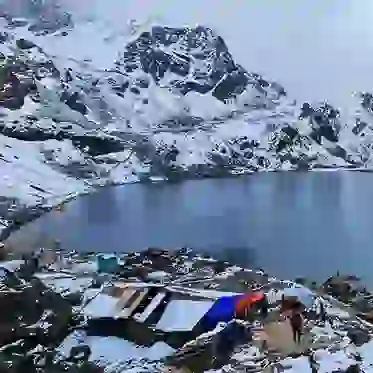
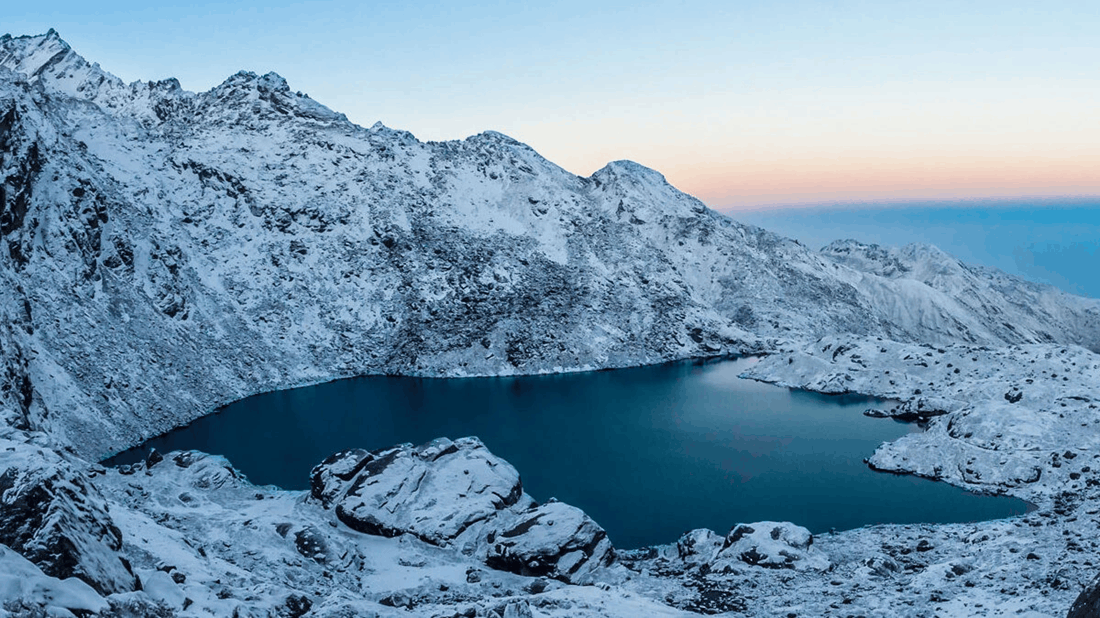
Spend a weekend in Sindhupalchok with Hop Nepal on a two-day trip to Bhairav Kunda. The journey starts in Kathmandu, with a Jeep ride to Bagam and a guided hike to the sacred lake the following morning. Near the Nepal–Tibet border, the lake is a place of worship and a destination for mountain hikers.
The road to Chokarmokhar makes this much shorter than the traditional trek. It is still a demanding trip: you reach around 4,100 metres in just two days, with little time to acclimatise.
Bhairav Kunda Trek overview
Destination: Bhairav Kunda, Bhotekoshi Rural Municipality, Sindhupalchok
Duration: 1 night / 2 days
Package price: NPR 6,500 per person (standard local package)
Regular departures: Friday and Saturday, subject to conditions and availability
Pickup points: Babarmahal, Baneshwor and Koteshwor, Kathmandu
Overnight stop: Bagam, approximately 2,410–2,750 m
Trailhead: Chokarmokhar, approximately 3,900–3,925 m
Lake elevation: Approximately 4,100 m (reported elevation 4,124 m)
Return hike: Approximately 4–6 hours
Difficulty: Moderate to challenging; high altitude exposure
Transport: Return 4WD Jeep transportation
Accommodation: Shared hotel or lodge, depending on availability
Support: Licensed trekking guide and travel coordinator
Booking advance: NPR 500; non-refundable if the traveller cancels
Highlights of the Bhairav Kunda Trek
- Visit a sacred alpine lake revered by Hindu and Buddhist communities.
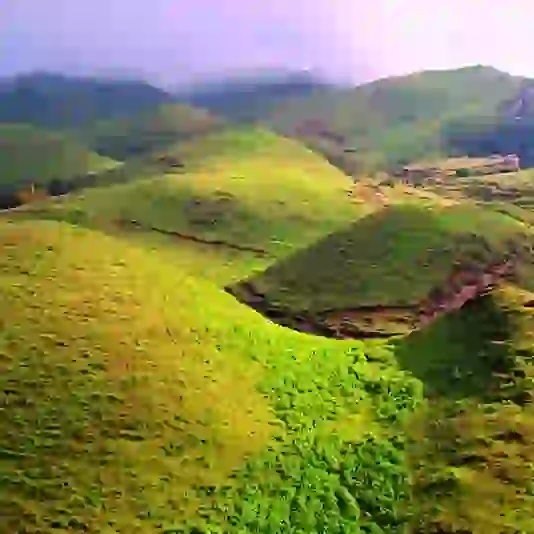
- Experience the changing landscapes of Sindhupalchok, from river valleys to open highland slopes.
- Travel by 4WD Jeep along mountain roads and stay overnight in Bagam.
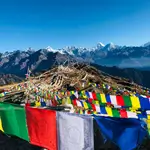
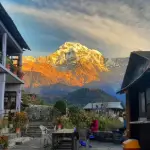
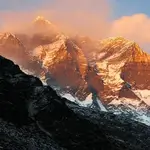
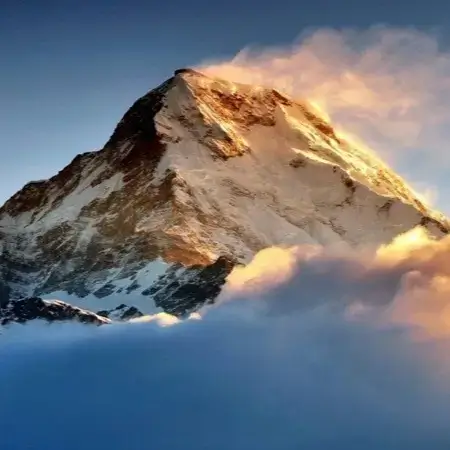
- Hike from Chokarmokhar with a licensed guide, with views towards the Jugal Himalayan range in clear weather.
- Spend a night in Bagam, where accommodation and other visitor facilities are basic.
- Join a regular weekend departure or enquire about a private group trip.
Where is Bhairav Kunda located?
Bhairav Kunda (also spelt Bhairab Kunda or Bhairavkunda) lies in Bhotekoshi Rural Municipality, Sindhupalchok, in Bagmati Province. Local reporting from 23 April 2026 places the lake at 4,124 metres and gives its surface area as 84,193 square metres (about 8.4 hectares).
The region’s open mountain slopes offer views towards the Jugal range when visibility is favourable. Road access and visitor facilities remain variable. The short route uses Bagam and Chokarmokhar instead of the longer approach from the Arniko Highway on foot.
Religious and cultural significance
The name combines Bhairav, a manifestation of Lord Shiva, and kunda, meaning a pond or sacred pool. Hindu pilgrims visit to offer prayers, while local Sherpa communities also honour the lake, known locally as Ama Chyumen. Janai Purnima, generally falling in July or August, is a particularly important pilgrimage occasion.
Route, distance and elevation
Kathmandu → Bagam → Chokarmokhar → Bhairav Kunda → Chokarmokhar → Kathmandu.
Allow roughly 3.5–7 hours for the 67–120 km drive to Bagam, depending on the route and road conditions. The return walk from Chokarmokhar takes about 4–6 hours. We have not yet confirmed the exact walking distance.
Chokarmokhar is estimated to be at 3,900–3,925 metres. Although the lake is not much higher, the trail is uneven, and the rapid drive to high altitude makes walking more demanding. The total cumulative ascent has not been measured.
Detailed Bhairav Kunda Trek itinerary – 2 days
Day 01: Drive from Kathmandu to Bagam
Driving duration/distance: Approx. 3.5–7 hours / 67–120 km
Altitude: Kathmandu ~1,400 m; Bagam ~2,410–2,750 m
Pickup: Babarmahal, Baneshwor or Koteshwor; time confirmed before departure
Accommodation: Shared hotel or lodge
Meals: Dinner; breakfast not included on Day 1
Meet your group at Babarmahal, Baneshwor or Koteshwor and head towards Sindhupalchok. The drive follows the Arniko Highway corridor before turning onto local mountain roads. You pass riverside settlements and terraced hillsides on the way to Bagam. Expect a bumpy ride on the final stretch, particularly after rain or snow.
Check into your hotel or lodge in Bagam and rest before dinner. Prepare your daypack for the morning and discuss the route with your guide. Let the guide know if you feel unwell; one night at Bagam is not enough to guarantee acclimatisation.
Day 02: Drive to Chokarmokhar, trek to Bhairav Kunda and return to Kathmandu
Trekking duration/altitude: Approx. 4–6 hours return; trailhead ~3,900–3,925 m; lake ~4,100 m
Transportation: 4WD Jeep to trailhead and return to Kathmandu
Meals: Breakfast and lunch
Accommodation: Not applicable; return to Kathmandu
Expected arrival: Evening, subject to road and trail conditions
After breakfast, take the Jeep to Chokarmokhar if the road is open. From here, continue on foot with your guide across rocky slopes and open highland terrain. Snow or ice can slow the group considerably. If you develop symptoms of altitude sickness, stop ascending and tell your guide.
At Bhairav Kunda, you can offer prayers, take photographs or enjoy the mountain views if the weather is clear. Walk back to Chokarmokhar and return to Kathmandu by Jeep. We expect to arrive in the evening, but delays are possible, so avoid booking a tight onward connection.
Bhairav Kunda Trek cost and inclusions
The two-day package costs NPR 6,500 per person for local travellers. It covers the transport, overnight stay, listed meals, permits and guide. International travellers should contact us for a separate quotation.
Cost includes
- Two-way 4WD Jeep transportation from Kathmandu, including the scheduled trailhead transfer.
- One night in a shared hotel or lodge at Bagam.
- Dinner on Day 1; breakfast and lunch on Day 2.
- A bottle of drinking water.
- Licensed trekking guide and travel coordinator.
- Required permits for the standard local package.
Cost excludes
- Breakfast on Day 1 and any meals not listed in the confirmed inclusions.
- Emergency assistance, medical treatment and rescue or evacuation expenses.
- Personal purchases and optional extras; confirm any additional charges before booking.
- Carry your own trekking equipment and arrange appropriate insurance. Ask Hop Nepal before paying whether any extra services, equipment rental or additional accommodation due to disruptions can be arranged and what they would cost.
Fixed departures and booking policy
Regular group departures are scheduled for Friday and Saturday. Private groups can enquire about alternative dates, subject to vehicle availability, road access and safe trekking conditions. Pickup is available at Babarmahal, Baneshwor, and Koteshwor; the exact meeting time and location will be shared before travel.
Reserve your seat with an advance payment of NPR 500. This amount is non-refundable if you cancel the trip. Please confirm the balance payment arrangements and the terms for operator cancellations or postponements before booking.
Best time for the Bhairav Kunda Trek
Spring | March–May
Spring generally offers more comfortable hiking conditions and seasonal vegetation at lower elevations. Snow may remain on the upper route, especially early in the season. Pack warm layers even if Kathmandu feels hot.
Autumn | September–November
Post-monsoon visibility and comparatively dry trails make autumn a popular period. September can still experience rain, while November brings colder mornings and possible snow at higher elevations.
Winter | December–February
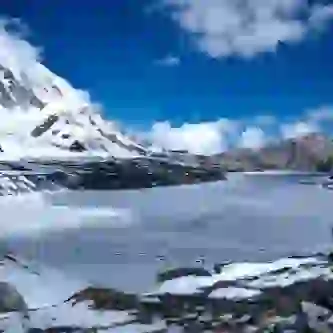
Snow and ice can transform the upper landscape, and the lake may freeze during sustained cold. Neither snowfall nor a frozen lake is guaranteed. Ice, strong winds and inaccessible mountain roads can make a departure unsuitable. Use appropriate traction equipment when advised and never walk onto the frozen lake.
Monsoon | June–August
Rain, clouds, landslides, and muddy surfaces can disrupt roads and hiking routes. Although Janai Purnima attracts pilgrims in this period, religious travel does not remove these hazards. Confirm current access and be prepared for postponement.
Trek difficulty, fitness and altitude safety
The hike takes around 4–6 hours over uneven ground. The biggest challenge is the rapid ascent from Kathmandu to nearly 4,000 metres by Jeep, followed by high-altitude walking. Even fit trekkers can experience altitude sickness. If you have not spent time at high altitude, a slower itinerary is a better choice.
Prepare with regular uphill walks, stairs and aerobic exercise. Seek medical advice before booking if you have underlying heart or lung conditions, a history of altitude illness, or other health concerns. The CDC recommends gradual acclimatisation and cautions against rapid ascent to high sleeping elevations.
- Do not ascend further if you develop a headache accompanied by nausea, dizziness, or unusual fatigue. Tell your guide immediately.
- Descend if symptoms worsen; confusion, loss of coordination or breathlessness at rest require urgent descent and emergency medical help.
- Walk at a manageable pace, hydrate normally, avoid alcohol and do not force yourself to reach the lake.
- Arrange insurance covering trekking at the planned altitude and emergency evacuation. Rescue is not included in the package; availability and response times are not guaranteed.
Food, accommodation and facilities
Bagam accommodation is arranged on a shared basis in a hotel or lodge, depending on availability. Expect basic facilities rather than city hotel standards. Private bathrooms, hot showers, heating and uninterrupted electricity should not be assumed. Bring warm sleeping clothing and toiletries.
Included meals follow the itinerary. Local dishes may include dal bhat, rice and vegetables depending on availability. Discuss allergies and dietary requirements before departure. Carry snacks for the hike and enough water beyond the included bottle; refill before leaving the accommodation and treat any uncertain water source. Avoid drawing water from the sacred lake.
Mobile reception can be intermittent, and Wi-Fi and charging are not guaranteed. Download offline maps, tell family about the trip and carry a charged power bank. Toilet facilities near the lake are limited.
Permits and entry requirements
Hop Nepal includes required permits in the standard local package. The Nepal Tourism Board publishes the following Gaurishankar Conservation Area entry fees; they are statutory reference rates, not separate charges to local package customers.
Nepali citizens: NPR 100 per entry
SAARC nationals: NPR 1,000 per entry
Other international travellers: NPR 3,000 per entry
Children under 10: Entry fee exemption listed by NTB
The Nepal Tourism Board’s revised TIMS provisions list the Panchpokhari–Bhairabkunda area but specifically name Panchpokhari Trek in its route table. The exact applicability of TIMS to this two-day approach should be confirmed with the relevant authorities before accepting an international booking. Hop Nepal provides a licensed guide. Conservation permits can be arranged through the National Trust for Nature Conservation where applicable.
Bring appropriate identification. International guests should provide passport and nationality details when requesting a quotation so that current route-specific entry, guide and permit requirements can be checked. Do not cross the international border or enter restricted areas without authorisation.
What to pack for the trek
Clothing: Thermal layers, fleece, insulated jacket, waterproof shell, warm hat and gloves
Footwear: Grippy trekking boots, warm socks; suitable traction devices in icy conditions
Daypack: 20–30 litre backpack, rain cover, trekking poles
Sun protection: Sunscreen, sunglasses, lip balm
Water and food: Refillable bottles, purification method, energy snacks
Personal essentials: Identification, personal medication, small first-aid kit, toiletries
Electronics: Headlamp, power bank, charging cable, offline maps
Short trek versus traditional approach
Jeep-assisted two-day trek: The Jeep takes you close to the lake, leaving a shorter walk. This is practical for a weekend, but provides little time to acclimatise.
Traditional multi-day trek: Longer walks through villages and mountain terrain allow more opportunity for a gradual ascent. This suits travellers who prefer a slower journey.
Who should join this trek?
This trip suits active adults who are comfortable with rough roads, shared accommodation and several hours of walking at altitude. If you prefer an easy hike or have not acclimatised, consider a lower-altitude trek or a longer itinerary. Families travelling with children should discuss the risks with a qualified clinician and our trekking team before booking.
Responsible trekking at Bhairav Kunda
Follow your guide and established trails, carry all rubbish back, and avoid washing with soap in or near the lake. Respect worshippers, ask permission before photographing religious ceremonies and avoid damaging vegetation or disturbing wildlife. Supporting local accommodation and services helps retain tourism income within the region.
Frequently asked questions
How much does the Bhairav Kunda Trek cost?
The standard local two-day package is NPR 6,500 per person. International guests should request a separate quote.
How far is Bhairav Kunda from Kathmandu?
The road journey to Bagam is estimated at 67–120 km, followed by a transfer to the trailhead and a hike. The exact road and walking distances depend on the route used.
How long do I need to walk?
Allow approximately 4–6 hours for the return hike from Chokarmokhar, depending on fitness, weather and trail access.
Can I reach the lake directly by Jeep?
No. The vehicle provides access towards the trailhead; the final section must be completed on foot.
Is the trek suitable for beginners?
It is not an easy first high-altitude trek. Consider a slower itinerary if you are unacclimatised or unfamiliar with sustained uphill hiking.
Are permits and a guide included?
Yes, required permits for the standard local package and a licensed guide are included. International requirements and prices must be confirmed separately.
Can I join alone?
Contact Hop Nepal to check individual seat availability on a scheduled group departure.
When are regular departures?
Friday and Saturday, subject to availability and suitable conditions.
Where does the trip start?
Choose from Babarmahal, Baneshwor or Koteshwor; meeting time is confirmed before departure.
What meals are included?
Day 1 dinner and Day 2 breakfast and lunch are included. Day 1 breakfast is not included.
Can I see snow in winter?
Snow and a frozen lake are possible but cannot be guaranteed. Heavy snow may prevent safe access.
Is Wi-Fi or mobile data available?
Connectivity is unreliable, especially on the upper trail. Prepare to be offline.
What if I cannot reach the lake?
Inform your guide and prioritise a safe return. Reaching the destination is not guaranteed, and rescue expenses are excluded.
What if I cancel my booking?
The NPR 500 advance is non-refundable if you cancel. Ask about other cancellation terms before payment.
What if bad weather prevents departure?
Hop Nepal will need to assess access and safety. Confirm the applicable postponement or refund terms before booking.
Can international travellers join?
Yes, subject to confirmation of current entry requirements, availability and nationality-specific pricing.
Is travel insurance included?
Do not assume insurance coverage. Arrange appropriate high-altitude trekking and evacuation cover before travel; rescue costs are excluded.
Book your Bhairav Kunda Trek with Hop Nepal
Join Hop Nepal for a weekend in Sindhupalchok. We have been serving travellers since 2017 and arrange the Jeep, overnight stay, meals, permits and guide for this trip.
To book, send us your preferred Friday or Saturday departure date, group size, and pickup point. Once we confirm the trip details, you can reserve your seat with an advance of NPR 500.
Website: https://www.hopnepal.com/ |Nepal enquiries: +977 9812193787
Visit us: CTC Mall, 2nd Floor, Sundhara, Kathmandu.