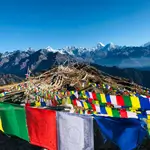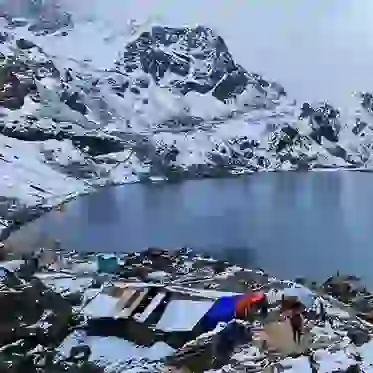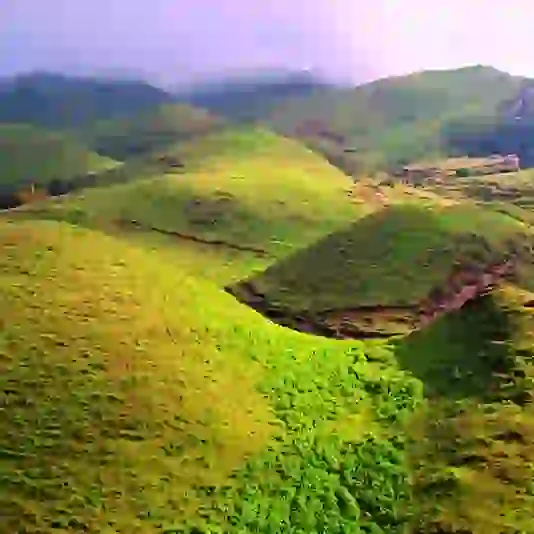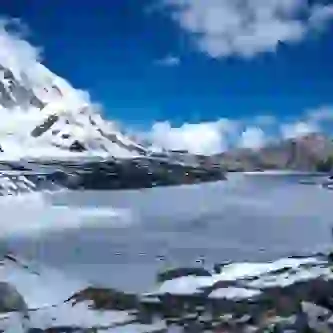

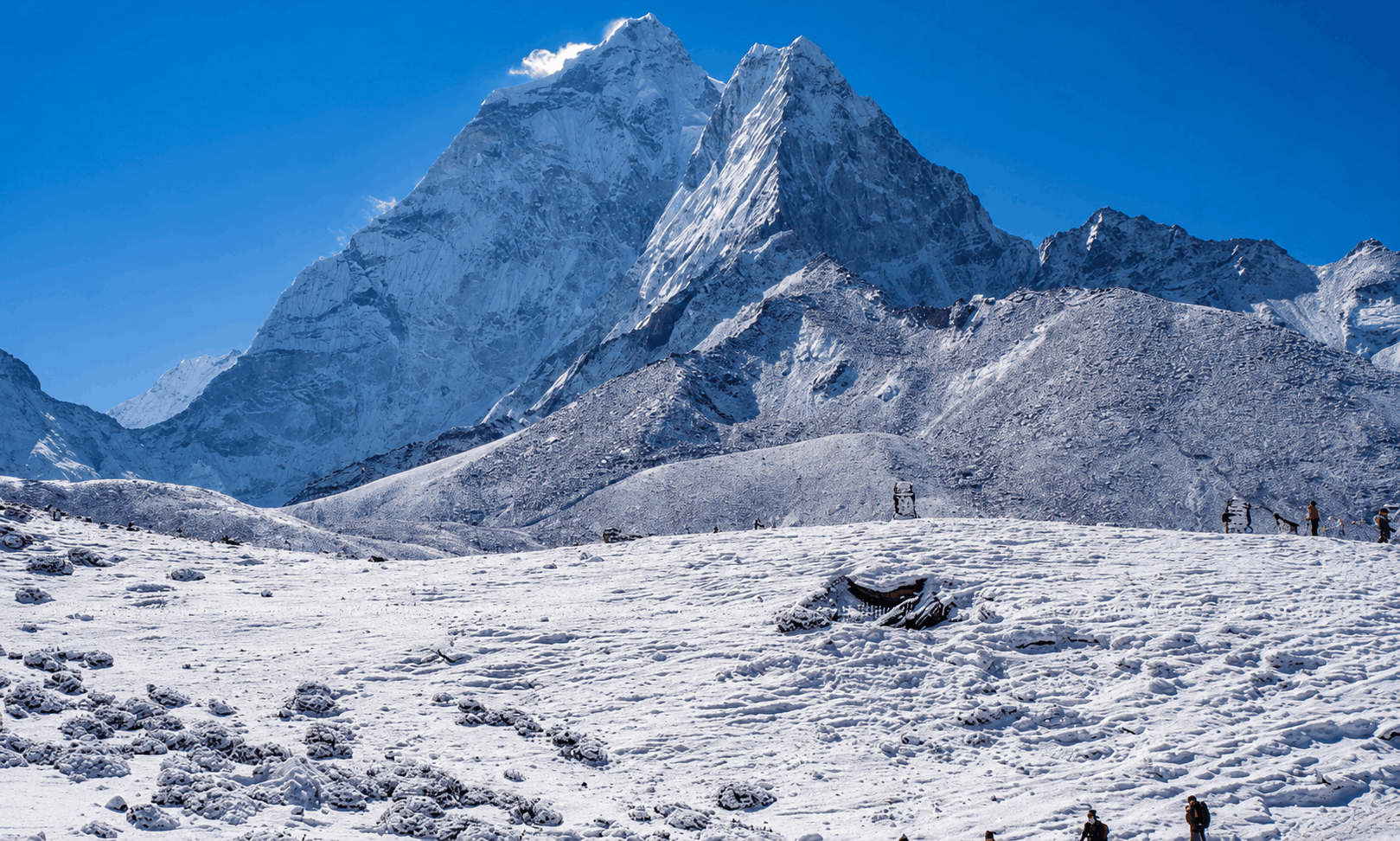
Dingboche is one of those places in the Everest region where the journey starts to feel deeper, quieter and more serious. After passing through the busy trail sections of Lukla, Namche Bazar and Tengboche, trekkers reach this peaceful village surrounded by open valleys, stone walls, prayer flags and dramatic Himalayan peaks.
Located at an elevation of around 4,410 meters, Dingboche is an important stop on the Everest Base Camp trek. Most trekkers spend an extra day here to adjust to the altitude before continuing towards Lobuche, Gorak Shep and Everest Base Camp. But Dingboche is not only a rest point. It is also a beautiful mountain settlement where travellers can enjoy Sherpa hospitality, wide landscapes and close views of famous peaks like Ama Dablam, Lhotse, Nuptse and Island Peak.
For anyone planning the Everest Base Camp Trek, Island Peak Climbing, Chhukung Valley route or Everest Three Passes adventure, Dingboche is a name that will come again and again in the itinerary.
Where is Dingboche Located?
Dingboche is located in the Khumbu region of eastern Nepal, inside the Everest trekking area. It lies above Pangboche and before Lobuche on the classic Everest Base Camp trail. The village sits in a wide valley, giving it a more open and spacious feeling compared to some narrow trail settlements in the region.
The place is surrounded by dry alpine terrain, stone-built houses, yak grazing areas and towering mountains. Because of its location and altitude, Dingboche works as a natural resting point before trekkers move into the higher and colder part of the Everest trail.
From Dingboche, travellers can continue towards Lobuche and Everest Base Camp, or take a side route towards Chhukung, Chhukung Ri, Island Peak Camp and Kongma La Pass.
Quick Facts About Dingboche
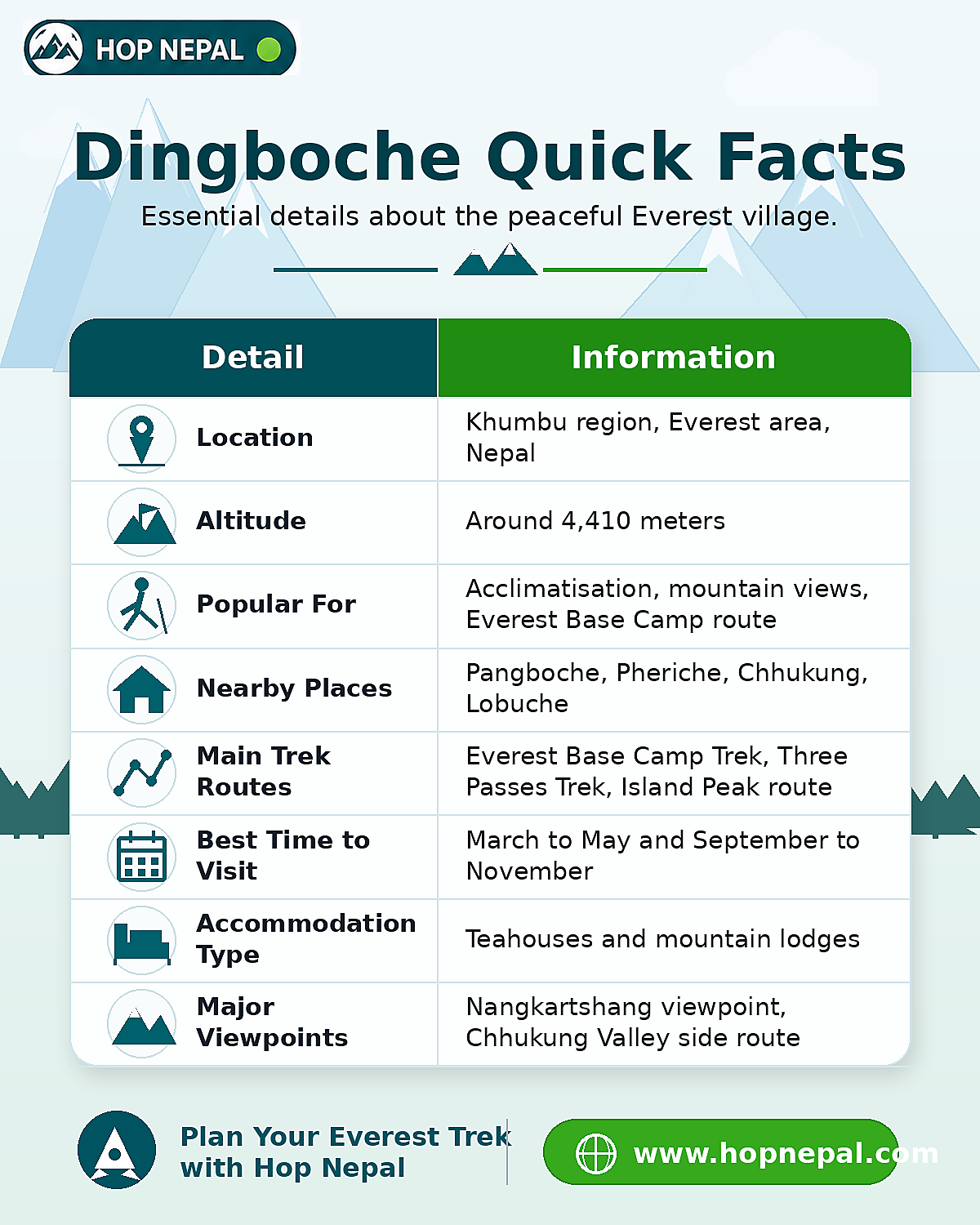
- Location: Khumbu region, Everest area, Nepal
- Altitude: Around 4,410 meters
- Popular For: Popular For Acclimatisation, mountain views, and the Everest Base Camp route
- Nearby Places: Pangboche, Pheriche, Chhukung, Lobuche
- Main Trek Routes: Everest Base Camp Trek, Three Passes Trek, Island Peak route
- Best Time to Visit: March to May and September to November
- Accommodation Type: Teahouses and mountain lodges
- Major Viewpoints: Nangkartshang viewpoint, Chhukung Valley side route
Major Attraction in Dingboche
Dingboche is more than an acclimatisation stop on the Everest Base Camp trek. Surrounded by wide Himalayan valleys, stone-walled fields, Sherpa settlements and dramatic mountain views, the village offers several attractions for trekkers to explore during their stay. From scenic viewpoints and peaceful village walks to nearby routes leading towards Chhukung Valley and Island Peak, Dingboche gives travellers a perfect mix of natural beauty, culture and high-altitude adventure.
Nangkartshang Viewpoint
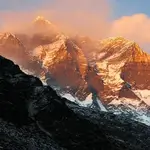
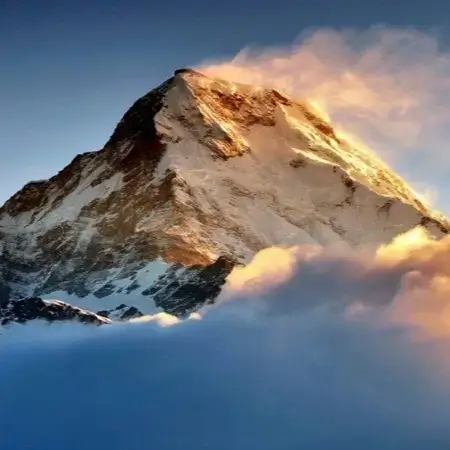
Nangkartshang Viewpoint is one of the main highlights of Dingboche. It is a popular acclimatisation hike above the village, offering wide Himalayan views of Ama Dablam, Lhotse, Makalu, Island Peak, and the surrounding Khumbu landscape. The climb can feel challenging because of the altitude, but it is one of the best short hikes before continuing towards Lobuche and Everest Base Camp.
Ama Dablam View
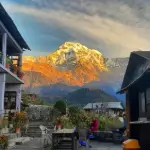
Dingboche is one of the best places to enjoy the beauty of Ama Dablam. The mountain looks sharp, elegant and very close from this part of the Everest region. During sunrise and sunset, the peak often creates a dramatic Himalayan view, making it a favourite spot for photography and quiet mountain moments.
Chhukung Valley
Chhukung Valley is another major attraction near Dingboche. The trail from Dingboche to Chhukung follows the Imja Valley and gives trekkers a peaceful side trip away from the main Everest Base Camp route. It is also an important route for trekkers heading towards Chhukung Ri, Island Peak Base Camp or Kongma La Pass.
Dingboche Village Life
The village itself is a beautiful attraction. Dingboche has stone-walled fields, traditional lodges, prayer flags, yak grazing areas and a calm Sherpa settlement atmosphere. Compared to busier stops like Namche Bazaar, Dingboche feels quieter and more open, giving trekkers a peaceful break before the higher section of the Everest trail.
Imja Valley Landscape
Dingboche sits in the Imja Valley, surrounded by dry hills, glacial streams and snow-covered mountains. The wide valley view makes the place feel spacious and scenic. Trekkers can take short walks around the village to enjoy the landscape without putting too much strain on their bodies during acclimatisation.
Route Towards Everest Base Camp
Dingboche is also attractive because of its location on the Everest base Camp trekking route. After resting here, trekkers usually continue on to Lobuche, Gorak Shep, and Everest Base Camp. This makes Dingboche one of the most important stops for both scenery and acclimatisation during the EBC journey.
Why is Dingboche Important in the Everest Base Camp Trek?
Dingboche is situated at approximately 4,410 meters above sea level. Because of this elevation, trekkers should not treat it like an ordinary overnight stop. The body needs time to adapt to thinner air, so proper rest, hydration and slow movement are very important.
During the acclimatisation day, many trekkers hike towards the Nangkartshang viewpoint. This follows the common high-altitude trekking principle of walking higher during the day and sleeping lower at night. The climb can feel challenging, but it helps the body prepare for the next part of the trek.
Common signs of altitude discomfort may include headache, loss of appetite, tiredness, dizziness, nausea or poor sleep. If symptoms become serious, trekkers should inform their guide immediately and avoid proceeding without guidance.
What Makes Dingboche Special?
Dingboche has a different feeling from many other villages on the Everest trail. It is quieter, more open and less crowded in atmosphere. The landscape begins to look more rugged, with fewer trees and wider mountain views.
The stone walls around the village are one of its most recognisable features. These walls protect fields from strong winds and create a beautiful pattern across the valley. During the trekking season, you can see yaks, trekkers, guides and porters moving through the settlement, giving the place a strong Himalayan character.
Another special part of Dingboche is the view of Ama Dablam. The mountain looks incredibly beautiful from this area and often becomes one of the most-photographed peaks on the journey.
Best Time to Visit Dingboche
The best time to visit Dingboche is during spring and autumn.
Spring, from March to May, brings warmer days, clearer trails and beautiful mountain views. This is also a popular season for Everest expeditions, so the region feels active and lively.
Autumn, from September to November, is another excellent period. The skies are usually clearer after the monsoon, and visibility is often very good. Many trekkers choose this season for the Everest Base Camp because of stable weather and fresh landscapes.
Winter is possible, but very cold. Nights can be freezing, and some lodges may have limited services. Monsoon season is less popular because of rain in lower areas, cloudy views and possible flight delays.
Packing Tips for Dingboche
Since Dingboche is cold and windy, proper packing is important. Trekkers should carry warm layers, a down jacket, gloves, a woollen hat, thermal wear, trekking socks, sunglasses, sunscreen and a reusable water bottle.
A good sleeping bag is useful because nights can be very cold. Trekking poles can help on uphill and downhill sections. Personal medicine, basic first aid, water purification tablets and energy snacks are also helpful.
Do not forget to carry enough cash. Online payments, ATMs and card facilities may not be dependable in higher villages.
Travel Tips for Dingboche
Walk slowly and let your body adjust naturally. Drink enough water, eat properly and avoid alcohol during high-altitude trekking. Listen to your guide and do not ignore symptoms like severe headache, vomiting, confusion or difficulty breathing.
The weather can change quickly in the Everest region, so always keep warm clothes nearby. Morning views are often clearer, so wake up early if you want good photos.
It is also better to book your Everest Base Camp trek through a reliable travel company that understands route planning, permits, altitude safety and lodge coordination.
Final Verdict
Dingboche is one of the most valuable stops on the Everest Base Camp trek, offering the right balance of rest, scenery and high-altitude preparation. Its peaceful village setting, beautiful views of Ama Dablam, access to Nangkartshang viewpoint and connection to Chhukung Valley make it more than just an overnight stop. For trekkers heading towards Everest Base Camp, Island Peak or the Three Passes route, Dingboche gives both physical acclimatisation and a memorable Himalayan experience before the journey continues into the higher Khumbu region.
If you are planning to explore the Everest region, Dingboche is one of the places that will make your trek feel truly special. Hop Nepal helps travellers arrange Everest region trekking packages, flights, permits, guides, accommodation and complete travel support. With local guidance and a well-managed itinerary, your journey to Dingboche and beyond can be safer, smoother and more memorable.
FAQs
What is Dingboche famous for?
Dingboche is famous as a peaceful acclimatisation village on the Everest Base Camp trek. It is also known for mountain views, Sherpa culture, stone-walled fields and routes towards Chhukung and Island Peak.
Why do trekkers stay extra nights in Dingboche?
Trekkers stay extra nights in Dingboche to adjust to the altitude. This helps reduce the risk of altitude sickness before moving higher towards Lobuche, Gorak Shep and Everest Base Camp.
What is the best acclimatisation hike from Dingboche?
The hike towards Nangkartshang viewpoint is one of the best acclimatisation walks from Dingboche. It offers excellent views and helps trekkers prepare for higher altitudes.
Is Dingboche better than Pheriche?
Both Dingboche and Pheriche are important villages in the Everest region. Dingboche is often preferred by trekkers going towards Chhukung, Island Peak or the standard EBC route, while Pheriche is also known as a useful stop on the return or alternative trail.
Is there internet in Dingboche?
Some lodges in Dingboche may provide Wi-Fi, but the connection can be slow and may cost extra. It is better not to rely solely on internet service at high altitudes.
How Far is Dingboche From Kathmandu?
Dingboche is 149-160 km from Kathmandu. If you take the traditional route, it takes 5-6 days to trek, but if you take a Lukla flight, it takes around 1-1.5 hours.