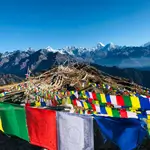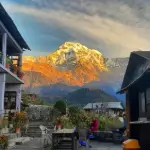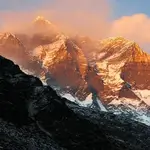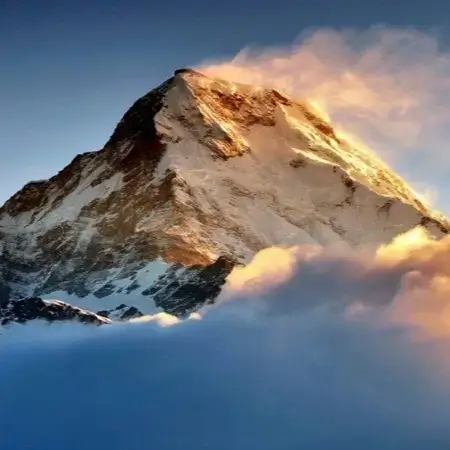

Nepal also houses many Hindu and Buddhist temples, in addition to mountains and valleys. The history of the nation dates back thousands of years and is renowned for the planet's oldest holy sites.
Followers of both Hinduism and Buddhism consider these religious places to be worthy of their rebirth, and many devotees and worshippers visit these holy places every year. Today, in this article, we speak about the 15 sites of sanctity distributed across Nepal.
What do you mean by Holy Places?
Any place considered sacred by a group of faith or a cult is referred to as a holy place. Typically, they're places of unique religious interest.
People are visiting these places to pray for a happy, trouble-free life and in the expectation that their lord will grant their wishes. Pilgrim-goers usually visit such sites.
Many sites around the world are considered sacred by religious groups such as Hindus, Buddhists, Muslims, Christianity, and many others.
Holy Places to Visit During 2026 in Nepal
Nepal is best known for its ancient Hindu and Buddhist holy sites, although it is a secular republic. Hinduism is followed by 81.3 per cent of Nepalese people. Buddhism is around 4.4 per cent, while Muslims and Christians are 3.0 per cent.
Locals and visitors visit these religious sites during festivals, holidays, family gatherings, religious observances, and celebrations.
Nepal is considered one of the most visited tourist destinations in the world, and the temples play a crucial role in promoting religious tourism.
Below is a list of holy places and temples for you to visit in 2026. They are:
- Pashupatinath Temple
- Boudhanath Stupa
- Swayambhunath Stupa (Monkey Temple)
- Gosaikunda
- Lumbini
- Manakamana Temple
- Muktinath Temple (Muktinath Kshetra)
- Devghat
- Pathibhara Temple
- Baglung Kalika Temple
- Badimalika Temple
- Swargadwari
- Dolakha Bhimsen (Bhimeswar)
- Khaptad Baba Ashram
- Patal Bhumeshwar
The above-mentioned holy sites are described briefly below.
Pashupatinath Temple
The Temple of Pashupatinath, situated on the banks of the Bagmati River, is one of Nepal's most visited and oldest Hindu holy sites.
The Temple is situated on the capital's eastern side and is listed as a UNESCO World Heritage Site. This holy spot, dedicated to Lord Shiva, is among the four most important godly places in all of Asia devoted to Shiva.

Caption :Pashupatinath: Sacred Space, Spiritual Serenity
Established in the 5th century, Pashupatinath was reconstructed during the Malla Dynasty. The platform is believed to have been around since the beginning of the millennium.
The main Temple is constructed with silver-plated roofs in pagoda style and has wood carvings depicting Shiva's story. The roofs and the Gajur had been made of gold during the time of the kings, and the temple doors were made of silver.
Boudhanath Stupa
This Buddhist religious site is situated in the northeastern part of Kathmandu, 11 km from the capital city centre. Boudhanath is listed as a UNESCO World Heritage Site. The stupa is considered one of the biggest Buddhist stupas in the world.

Boudhanath: Stupa's Peaceful Presence
The giant mandala of the stupa makes it one of the largest spherical stupas in Nepal, which holds Kassapa Buddha's remains.
The stupa lies on the ancient road from Tibet that leads from the village of Sankhu into the Kathmandu Valley. Several Tibetan Buddhists now reside in the Boudha region.
Swayambhunath Stupa (Monkey Temple)
Swayambhunath is situated on the west side of the Kathmandu Valley and is an ancient holy site for Buddhist followers.
Swoyambu, better known as Swayambhu, means self-sprung, and the hill is well-known for the varieties of trees that grow thereon. Better known as Monkey Temple, it is popular among tourists.

Swayambhu: Wisdom in Eternal Eyes
The religious complex consists of a large Buddhist stupa, a temple cluster, and shrines dating to the Licchavi era. A Tibetan monastery, library, and museum have been added to the Swayambhu complex in recent years.
The stupa's exterior is decorated with Lord Buddha's eyes and hair, and the digit one is depicted as a nose in the Devanagari script in between those eyes.
You can access Swayambunath by two means: taking the long staircase or a car road that leads to the site's south-west entrance. Around the site are many stores, restaurants, cafeterias, and hostels.
Gosaikunda
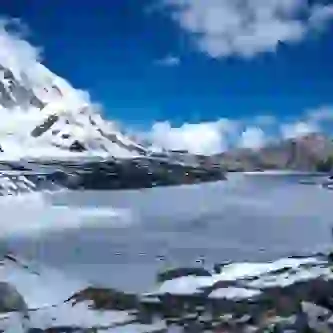
Located in Langtang National Park, Gosaikunda or Holy Lake is a religious Hindu site and a popular destination for trekking. It is known for being the homely abode of Lord Shiva and Goddess Gauri.
Religious scriptures like Mahabharata, Ramayana, Vishnu Purana, and Bhagwat Purana describe Gosaikunda's origin during the time of Samudra Manthan when Shiva came to satisfy his thirst after drinking the poison from Kalakuta.

Gosaikund: Sacred Alpine Water
After swallowing the poison, the God of Death plunged his Trishula into the mountain to draw water.
Situated at an elevation of 4,830 m (14,370 ft), the lake covers 34 acres (13.8 ha) in Nepal's Rasuwa District.
The Gosainkunda Lake complex, along with many other lakes, extends over 1030 hectares of land. Water from the lake is the Trishuli River's primary source.
Lumbini
Lumbini is best known as the birthplace of Gautam Buddha, the Light of Asia. The place is located in Nepal's Rupandehi District and is one of the world's most visited religious sites. In 1997, Lumbini was listed as a UNESCO World Heritage Site.
According to Buddhist scriptures, Queen Mahamayadevi gave birth to Siddhartha Gautama in 563 BCE. Later, the prince went to Bodh Gaya, where he gained enlightenment and became Buddha.

Lumbini: Birthplace of the Enlightened
Lumbini is the location of several ancient temples which are holy to Buddhist and Hindu followers. Lumbini's main attractions are the Temple of Mayadevi, Lumbini Garden, Ashok Pillar, and Puskarini (Holy Pond).
This holy site also contains several monasteries, temples, and the Lumbini International Research Centre, funded by Buddhist organisations from around the world.
Manakamana Temple
Manakamana Temple, situated in Nepal's Gorkha district, is dedicated to Goddess Bhagwati, an incarnation of Goddess Parvati. The term Manakamana can be split into two words: Mana, meaning spirit, and Kamana, meaning wish or reward.
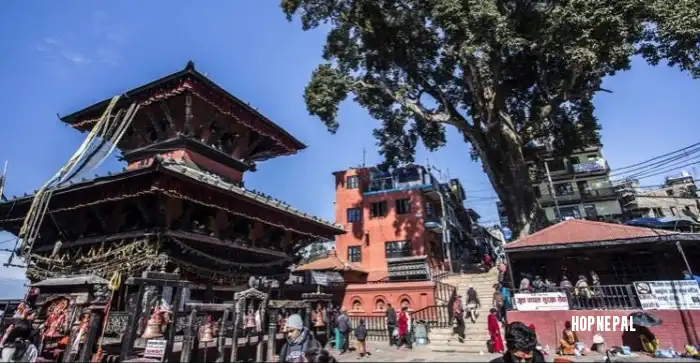
Mankamana: Serenity in Devotion
Credit:touchKailash.com
Rumour has it that Goddess Manakamana fulfils her devotees' wishes when they render a yatra to the holy shrine.
The Manakamana Temple lies at an altitude of 1,302 m (4,272 ft) above sea level, 12 km from Gorkha's main town. Located on the outskirts of Kathmandu, it lies about 140 km from Thankot.
We board a cable car after a drive to Kurintar, which then takes us to the temple premises. Hundreds of devotees visit the Manakamana Temple each day via a short 2.8 km cable car ride from Kurintar.
Muktinath Temple (Muktinath Kshetra)
It is a holy Hindu temple in Mustang, Nepal, situated at the foot of the Thorong La Mountain pass. The Temple rises 3,800 m above sea level and is the tallest temple in the world.
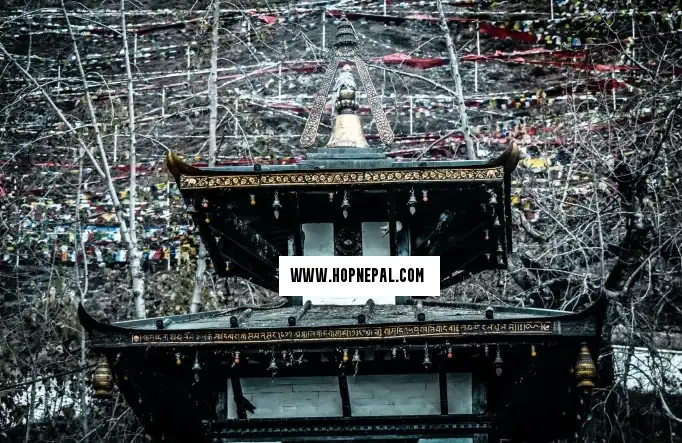
Muktinath: Spiritual Pilgrimage Destination
This Vishnu temple is the 106th of the 108 Divya Desam sites mentioned by the Sri Vaishnava sect.
The Temple is also sacred to Buddhists, who call it Chumig Gyatsa, meaning Hundred Waters, referring to the Temple's 108 freshwater taps. Several Hindu pilgrims visit this holy place to take a dip in the freshwater taps.
Devghat
It is a main holy site at the intersection of the rivers Krishna Gandaki and Seti Gandaki. The term Ghat means a crematory site and Devghat is considered one of the last sacred practices of a person's holiest sites in Hindu mythology.
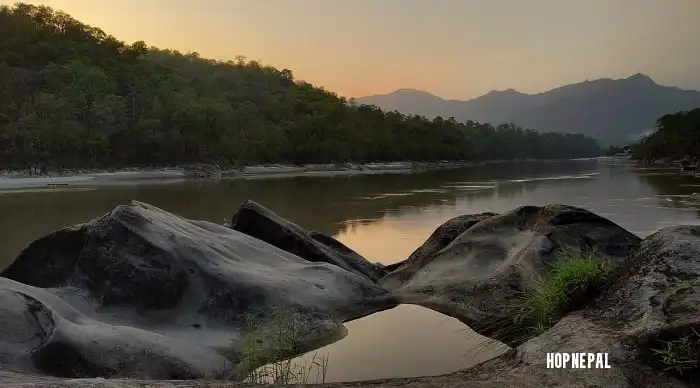
Devghat: Confluence of Sacred Rivers
Credit:Nepaltraveller.com
The holy place is best known for the Ashram of Valmiki, where the revered Hindu author Valmiki had retired. Other site attractions include Triveni Temple, Kalika Temple of Someswar, Pandavanag Fort, and Kabilaspur Fort.
It is situated 7.3 km from Narayangarh, and 12 km from Sauraha. Here is celebrated the festival Maghey Sankranti, which falls in January.
Pathibhara Temple
Pathibhara Devi Temple is one of the oldest and holiest Hindu temples, situated in Taplejung district in the eastern Himalayan province of Nepal. The Temple itself is situated at an elevation of 3,794 m (12,444.32 ft) and serves as a secondary route to the Kanchenjunga Trek.
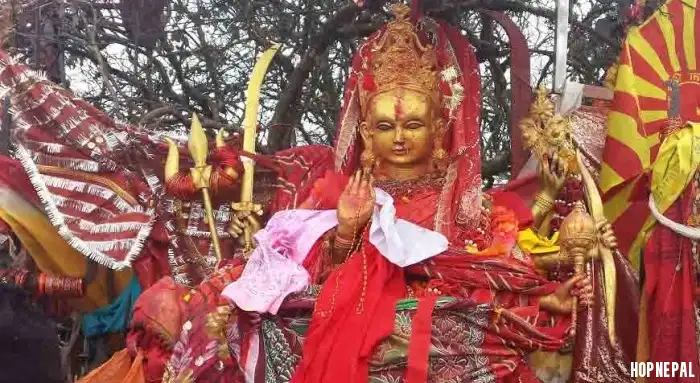
Pathivara: Peaks and Prayers
Credit:holidaynepal.com
Nepalese and Indian tourists visit the Temple of Pathibhara Devi during holy festivals and occasions. The Goddess is believed to grant wishes to anyone who comes to visit her sacred abode.
Like Muktinath, both Hindus and Buddhists hold the Temple sacred. During January and February, Pathbhara Devi Temple is covered in snow, which attracts more tourists.
Baglung Kalika Temple
It is a sacred Hindu temple that sits on the banks of the Kali Gandaki River in Baglung District, Nepal. The Temple has the statue of Goddess Kali or Kalika, and four entrances help to enter the central temple courtyard.
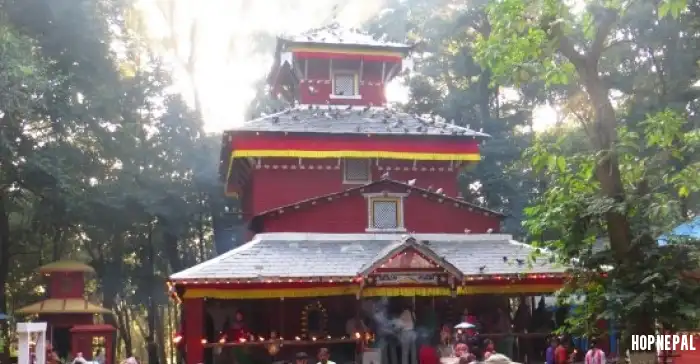
Baglung Kalika: Divine Hilltop Serenity
Credit:Nepaltravelguide.com
During Chhaitra-Dashain, a festival in the month of Chaitra, and during Bada Dashain, the Temple is packed with adorers.
The temple grounds are illuminated with oil lamps, and pilgrims perform poojas and other rituals. Pratap Narayan Singh Malla founded the Kalika Bhagwati Temple while returning from his marriage with the daughter of King Manimukunda Sen.
Badimalika Temple
The famous Temple of Badimalika lies in Nepal's Bajura district. This Hindu temple of Badimalika is devoted to the worship of the Goddess. Two district priests from Bajura and Kalikot look after the worship of the deity.
During Malika Chaturdashi, a big festival celebrated during the month of Bhadra, Hindus visit the Temple at an altitude of 4,200 m.
Badimalika is also popular among hikers in the Grasslands, who call it "Adventure". The place is currently enlisted as a trekking trail and sponsored by TAAN (Nepal Association of Trekking Agencies).
Swargadwari
The hilltop complex is situated in Nepal's Pyuthan district and is designed to honour the sacred role of cows in Hindu culture. It was established by Swami Hamsananda, who purchased the land from Pyuthan's landlord in 1941.

Swargadwari: Spiritual Haven Unveiled
Credit: abovethehimalayan.com
During the Baisakh Purnima festival in April and the Kartik Purnima festival in October, Swargadwari is packed with worshippers from Nepal and India.
Dolakha Bhimsen (Bhimeswar)
Popularly known as Dolakha Bhimsen, the Bhimeshwar temple is located in the Dolakha district of Nepal. The roofless Temple is home to a significant Deity in Dolakha: Shiva Ling and Bhimeshwar.
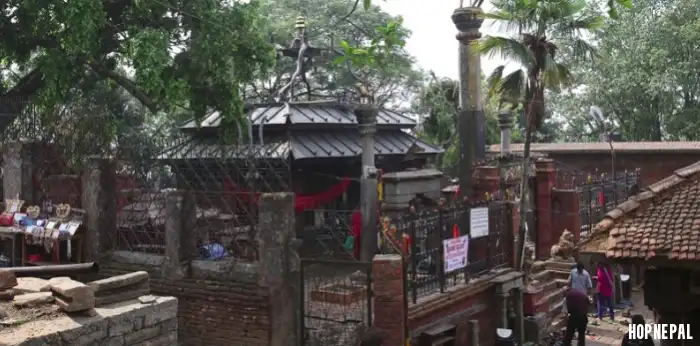
Dolakha Bhimsen: Sacred Himalayan Presence
Credit:nepalvisitinfo.com
In Ram Navami, Bala Chaturdashi, Bhima Ekadashi, and Chaite-Dashain, Hindus visit the holy spot.
Khaptad Baba Ashram
Khaptad Baba Ashram, a place of religious importance to Hindus, lies near the headquarters of Khaptad National Park. The Ashram is situated far west of Nepal and is thought to have been inhabited for five decades by Khaptad Baba.
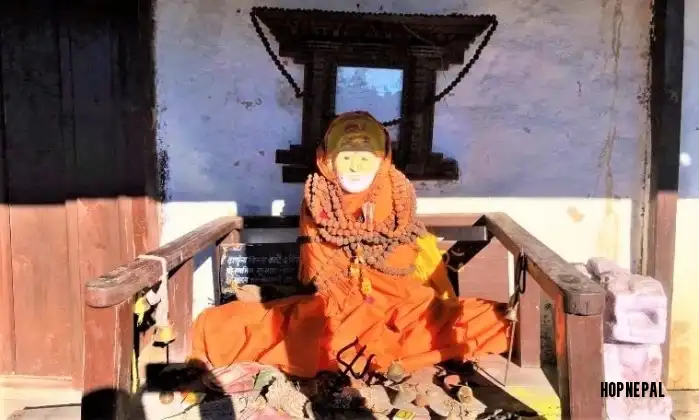
Khaptad Ashram: Tranquil Spiritual Retreat
Credit:Alpineholidays.com
Swami Sachchidananda, or Khaptad Baba, was a holy saint who walked through places like Illam, Kalinchowk, Swargadwari and Mushikot along the mountainous and hilly regions of Nepal.
In the 1940s, the holy man eventually settled in Khaptad Valley, where he continued worshipping and meditating. The Ashram is packed with devotees who come to worship Lord Shiva during the full moons in July and August.
Patal Bhumeshwar
This temple lies in the district of Baitadi in the western part of Nepal. The Temple can be reached from the Dasharath Chand Highway, after an hour-long jeep ride.
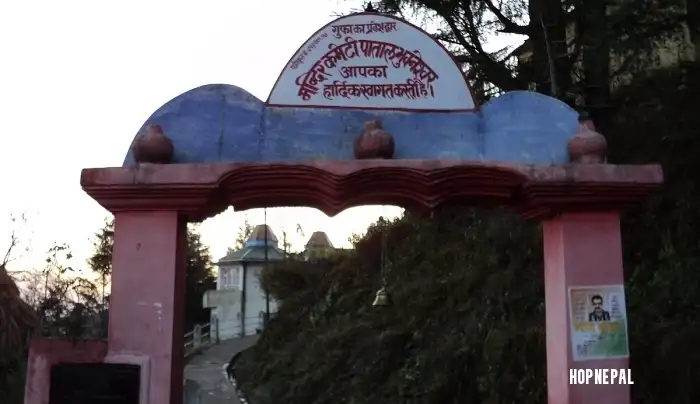
Patal Bhumeshwar: Subterranean Wonders Revealed
Credit:Wikipedia.com
Although the place is rich in vegetation and freshwater wealth, followed by Asia's deepest cave, it is yet to be given the status of a national tourism site in Nepal.