

Mailung Waterfall, also known as Bhange Jharana, is a spectacular waterfall in Uttargaya Rural Municipality, Rasuwa, around 70–80 km from Kathmandu. Known for its dramatic drop, green monsoon surroundings and adventurous road journey, it has become a popular one-day destination for travellers looking for a refreshing escape from Kathmandu.
Although travellers commonly call it Mailung Waterfall or Mailung Jharana, the waterfall is locally known as Bhange Jharana, while Mailung refers to the surrounding area. The trip combines a scenic drive through Nuwakot and Rasuwa, sections along the Trishuli River, rougher roads after Betrawati and a short walk around the waterfall area.
This guide covers the distance from Kathmandu to Mailung Waterfall, route, travel time, road conditions, best time to visit, itinerary, and trip cost to help you plan your visit.
The waterfall itself is locally known as Bhange Jharana, while Mailung is the name of the surrounding area. It lies in Uttargaya Rural Municipality in Rasuwa and is roughly 70–80 kilometres from Kathmandu, depending on the route taken.
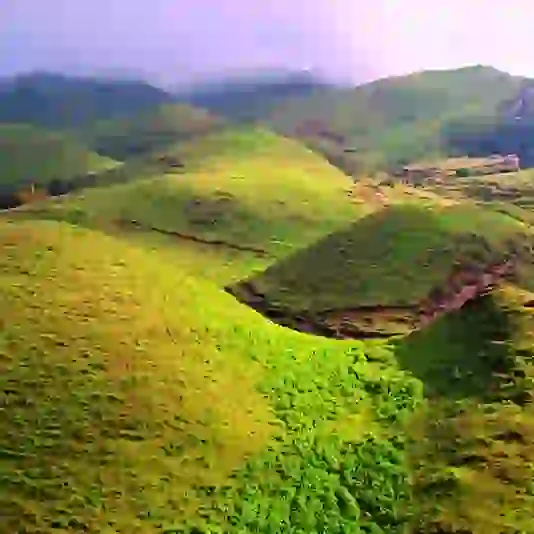
What makes the journey memorable is not only the waterfall. The road passes through hills, rural settlements, riverside landscapes and green countryside before eventually reaching the rugged Mailung area.
For travellers searching for a refreshing one-day trip from Kathmandu, Mailung Jharana offers a combination of scenic driving, light walking and impressive waterfall scenery.
Mailung Waterfall at a Glance
- Destination: Mailung Jharana/Bhange Jharana
- Location: Uttargaya Rural Municipality, Rasuwa District
- Trip Duration: 1 Day
- Departure Time: 6:00 AM
- Distance from Kathmandu: Approximately 70–80 km
- Travel Time: Around 3–3.5 hours each way
- Package Price: NPR 2,100 per person | Scorpio Package: NPR 3,500 per person
- Difficulty: Easy to moderate
- Best Season: Monsoon and post-monsoon for the strongest waterfall flow
- Major Attraction: Mailung/Bhange Jharana
- Starting Point: Kathmandu
- Elevation: 1000 to 1500m
- Height/Drop: 150–181 meters tall
Mailung Jharana can comfortably be explored as a long one-day excursion when the journey begins early. Because the road includes hill sections and stretches that may become rough, actual travel time can vary considerably depending on the weather and road conditions.
Why Visit Mailung Jharana?
Mailung is different from the typical short hikes around Kathmandu. Instead of walking for several hours to reach a viewpoint or hilltop, much of the adventure comes from the journey itself. As Kathmandu disappears behind you, busy neighbourhoods gradually give way to quieter roads, terraced hills, villages and river valleys. Eventually, the waterfall comes into view.

Water crashes down the steep rock face surrounded by greenery, creating mist and a constant roar that can be heard even before you reach the area. During the rainy season, the landscape becomes particularly dramatic as rainfall feeds the waterfall and turns the surrounding hills deep green.
Mailung is therefore less about reaching a summit and more about experiencing one of Rasuwa's most impressive natural escapes within a single day.
Highlights of the Mailung Waterfall Trip
- Visit the spectacular Mailung/Bhange Waterfall in Rasuwa.
- Enjoy a scenic road journey from Kathmandu.
- Travel through the green hills and countryside of Nuwakot and Rasuwa.
- Follow sections of the beautiful Trishuli River corridor.
- Experience an adventurous off-road section near Mailung.
- Enjoy the waterfall mist and refreshing natural surroundings.
- Capture impressive landscape and waterfall photographs.
- Spend a relaxing day away from Kathmandu's traffic and crowds.
- Suitable for groups of friends and weekend travellers.
- Complete the entire adventure within one day.
How to Reach Mailung Waterfall from Kathmandu
One commonly used route is:
Kathmandu → Tokha → Chahare → Battar / Bidur → Trishuli → Betrawati → Mailung → Mailung Jharana (Bhange Jharana)
Where Is Mailung Jharana Located?
Mailung Jharana is located in Uttargaya Rural Municipality of Rasuwa District, north of Kathmandu.
One reason there is occasional confusion about its location online is that the journey passes through Nuwakot before entering the Mailung area. However, recent coverage identifies the waterfall as being in Uttargaya, Rasuwa.
The waterfall is also known as Bhange Jharana. In everyday conversation and particularly on social media, however, the name Mailung Jharana or Mailung Waterfall has become far more common.
Mailung Waterfall Distance from Kathmandu
The road distance between Kathmandu and Mailung Jharana is generally reported at around 70–80 kilometres, although the figure varies according to the starting point and route.
Travellers should usually allow around 3–3.5 hours to reach the Mailung area from Kathmandu.
The distance may sound relatively short, but this is a hill journey rather than a continuous highway drive. Road conditions, traffic, rainfall and the final rough sections can all affect the actual travel time.
Because of this, anyone planning Mailung as a day trip should leave Kathmandu early in the morning.
Kathmandu to Mailung Jharana: What the Journey Is Like
Leaving Kathmandu
The trip should begin early, ideally before the morning traffic becomes heavy.
Once the group heads towards Tokha, Kathmandu's dense buildings gradually disappear and the landscape opens up to hills and agricultural settlements. The cool morning journey itself becomes part of the experience.
Through Nuwakot
The road continues through the hills of Nuwakot towards Battar, Bidur and the Trishuli area. Depending on the weather, travellers may see layers of green hills, farming terraces, villages and distant mountain views.
Small roadside stops along the way are useful for tea, breakfast and stretching before continuing towards Betrawati.
Betrawati: Where the Journey Becomes More Adventurous
Betrawati is an important point on the journey. From here, travellers continue towards the Mailung area rather than following the main route towards Dhunche. The scenery also changes.
As the road follows the river corridor, the hills become steeper, and the journey begins to feel more remote.
Travel accounts consistently mention rougher or off-road sections beyond Betrawati, so road conditions should always be checked before travelling, especially during periods of heavy rain.
Reaching Mailung Jharana
The sound of rushing water is one of the first signs that the main attraction is close. Mailung Jharana descends from a tall rock face surrounded by dense vegetation. Published travel reports commonly describe the waterfall as approximately 150 metres high, although this should be treated as an approximate figure rather than a surveyed measurement.
During the wetter months, several streams of water can appear across the cliff, making the entire landscape more dramatic. The cool air, waterfall spray and surrounding greenery offer an immediate contrast to the heat and noise of Kathmandu.
Visitors can spend time exploring the surroundings, taking photographs, relaxing with friends and simply enjoying the sound of the falls.
Is Mailung Waterfall a Hike or a Day Trip?
Mailung is best described as a one-day waterfall trip with a short hike or walk, rather than a traditional full-day hike. Most of the distance from Kathmandu is covered by vehicle.
Depending on where the vehicle stops and current road conditions, visitors may need to walk across natural or uneven terrain around the waterfall area.
Mailung Waterfall is better described as a one-day waterfall trip with a short walk rather than a traditional full-day hike. Most of the journey from Kathmandu is completed by vehicle, while visitors may need to walk across uneven or natural terrain around the waterfall and viewpoint. However, the article should make it clear that this is primarily a scenic road trip combined with light walking and waterfall exploration.
Mailung Waterfall One-Day Itinerary from Kathmandu
6:00 AM – Departure from Thapathali
Meet the Hop Nepal team at Thapathali, Kathmandu, and begin the journey towards Mailung. Travelling early allows the group to make the most of the day while enjoying the changing scenery outside the Kathmandu Valley.
10:30 AM – Reach Trishuli
After approximately four and a half hours of travel, reach the Trishuli area. Along the way, enjoy views of hills, village settlements, agricultural landscapes and the surrounding countryside. Breakfast will be provided at a suitable stop during the journey.
11:30 AM – Reach Mailung Jharana/Bhange Khola
Continue from Trishuli towards Mailung Jharana, located around the Bhange Khola area. Upon arrival, take some time to enjoy the waterfall, surrounding greenery and refreshing natural atmosphere before beginning the walking section of the trip.
1:00 PM – Reach the Viewpoint
Follow the natural trail towards the viewpoint.
The walk provides an opportunity to experience the rural landscape, village surroundings and natural scenery of the Mailung area. Take time at the viewpoint for photographs, relaxation and to enjoy the surrounding hills.
2:30 PM – Return to the Bus
After exploring the viewpoint and surrounding areas, begin walking back towards the vehicle. Lunch will be arranged during the trip before the return journey to Kathmandu.
7:30 PM – Return to Thapathali
Drive back towards Kathmandu and return to Thapathali at approximately 7:30 PM, completing the Mailung Jharana one-day adventure.
Note: The itinerary and timings are approximate. Actual times may vary depending on traffic, weather, road conditions, the group's pace and other circumstances.
Mailung Jharana One-Day Hike Price
NPR 2,100 per Person
Hop Nepal offers the Mailung Jharana One-Day Hike at NPR 2,100 per person, making it an accessible option for travellers looking for a full-day nature escape from Kathmandu.
Package Inclusions
- Return transport between Kathmandu and Mailung
- Breakfast
- Lunch
- Travel coordinator
- Drinking water
Scorpio Package – NPR 3,500 per Person
A Scorpio package option is also available at NPR 3,500 per person.
Scorpio Package Inclusions
- Thakali set meal – veg or non-veg
- Snacks
- Travel coordinator
- Return transport by Scorpio – Kathmandu to Mailung and return
- Water bottles
Package Exclusions
- Travel or personal insurance
- Extra food and beverages
- Personal expenses
- Any service or item not specifically mentioned in the package inclusions
Travel Tip: This is a relatively long one-day journey, so travellers may wish to bring additional snacks or light food for the road.
Best Time to Visit Mailung Jharana
The best time to visit Mailung Jharana is from June to October, when the waterfall has a strong flow and the surrounding hills are lush and green. Recent travel coverage specifically identifies the monsoon and post-monsoon periods as the most impressive times to experience the waterfall.
For the best overall experience, August, September and October are especially recommended. During these months, Mailung Jharana is usually at its most powerful, while the surrounding landscape looks vibrant and photogenic.
However, visitors travelling during heavy monsoon rain should be careful because the roads towards Mailung can become muddy or slippery, and there may be risks from landslides, falling rocks and stronger water currents. Checking the weather and latest road conditions before departure is strongly recommended.
Road Conditions from Kathmandu to Mailung Waterfall
Understanding the road conditions is one of the most important considerations before visiting Mailung.
Much of the journey from Kathmandu follows established roads towards Nuwakot and Betrawati. However, travel reports describe the final sections towards Mailung as considerably rougher, with gravel and off-road stretches.
Road conditions can change rapidly during the monsoon.
Heavy rainfall may cause:
- Muddy sections
- Small landslides
- Falling rocks
- Water flowing across the road
- Delays
- Temporary road closures
A suitable vehicle and an experienced driver are particularly valuable during the rainy season.
Can You Swim at Mailung Jharana?
Visitors are often tempted to enter the water because of the refreshing environment. However, conditions around waterfalls can change quickly.
Water that appears calm from the side may contain strong currents, submerged rocks or sudden depth changes. During the monsoon, the volume and force of the water can increase dramatically.
If water levels are high or conditions look unsafe, enjoy the waterfall from a safe distance instead.
Never climb directly underneath a powerful waterfall or onto wet cliff surfaces simply for photographs.
Why Mailung Jharana Is Becoming Popular
Social media has played an important role in introducing Mailung to a wider audience. Photos and short videos showing the enormous cliff, cascading water and surrounding greenery have encouraged increasing numbers of domestic travellers to visit the area.
Ratopati reported particularly strong visitor numbers during the warmer months, with Saturdays among the busiest periods. However, photographs show only part of the experience.
The winding road through Nuwakot, the river valley, changing landscapes and the feeling of reaching somewhere far removed from Kathmandu are equally important parts of the trip.
Book the Mailung Jharana One-Day Hike with Hop Nepal
Leave Kathmandu behind for a day and experience one of Rasuwa's most refreshing natural attractions.
The Mailung Jharana One-Day Hike with Hop Nepal combines scenic hill roads, rural landscapes, the Trishuli River corridor, a light outdoor walk and plenty of time to experience the spectacular Bhange Jharana. Whether you are joining on your own, travelling with friends or planning a private group outing, Hop Nepal can help organise your journey so you can focus on enjoying the experience.
- Duration: 1 Day
- Destination: Mailung Jharana, Rasuwa
- Package Price: NPR 2,100 per person | Scorpio Package: NPR 3,500 per person
- Trip Type: Waterfall trip and short hike
- Departure: Thapathali, Kathmandu
- Booking: Open for individuals and groups
- Contact Hop Nepal to check upcoming departures, availability and package prices.
Frequently Asked Questions About Mailung Jharana
1. Where is Mailung Jharana located?
Mailung Jharana, locally known as Bhange Jharana, is located around the Mailung area of Uttargaya Rural Municipality in Rasuwa District, Nepal.
2. Are Mailung Jharana and Bhange Jharana the same place?
Yes. The waterfall is locally called Bhange Jharana, while Mailung is the nearby area. The name Mailung Waterfall or Mailung Jharana has become widely used among travellers and on social media.
3. How long does it take to reach Mailung Jharana from Kathmandu?
The drive generally takes around 3–3.5 hours each way. Travel time can increase because of traffic, rainfall, road conditions or stops along the journey.
4. What is the route to Mailung Jharana?
A commonly used route is Kathmandu–Tokha–Chahare–Battar/Bidur–Trishuli–Betrawati–Mailung. After Betrawati, travellers continue towards the Mailung area along the river corridor rather than following the main road towards Dhunche.
5. What is the best time to visit Mailung Waterfall?
The rainy and post-monsoon months generally provide the strongest waterfall flow. June to September is frequently recommended, while late August, September and early October can provide a good combination of green scenery and strong water flow.
6. Is Mailung Jharana safe during monsoon?
It can be visited during the monsoon, but travellers need to be particularly careful. Wet rocks, high water levels, landslides and changing road conditions are possible. Always check the latest weather and road status before travelling.
7. Is Mailung Jharana suitable for a Saturday trip?
Yes. It is a popular weekend destination from Kathmandu. Saturdays can also be significantly busier, particularly during summer and the monsoon, so leaving Kathmandu early is recommended.
8. Is Mailung Jharana worth visiting?
Yes, particularly when the waterfall has strong water flow. The combination of a dramatic waterfall, the green Rasuwa landscape, a riverside journey and an adventurous drive makes Mailung one of the more interesting one-day nature trips from Kathmandu.