
Travel to North Annapurna Base Camp Trek (ABC)
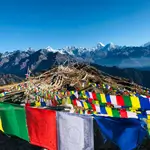
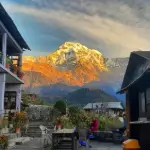
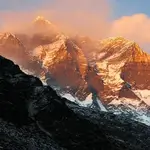
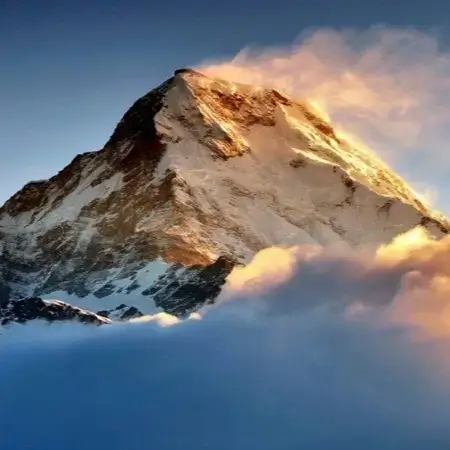
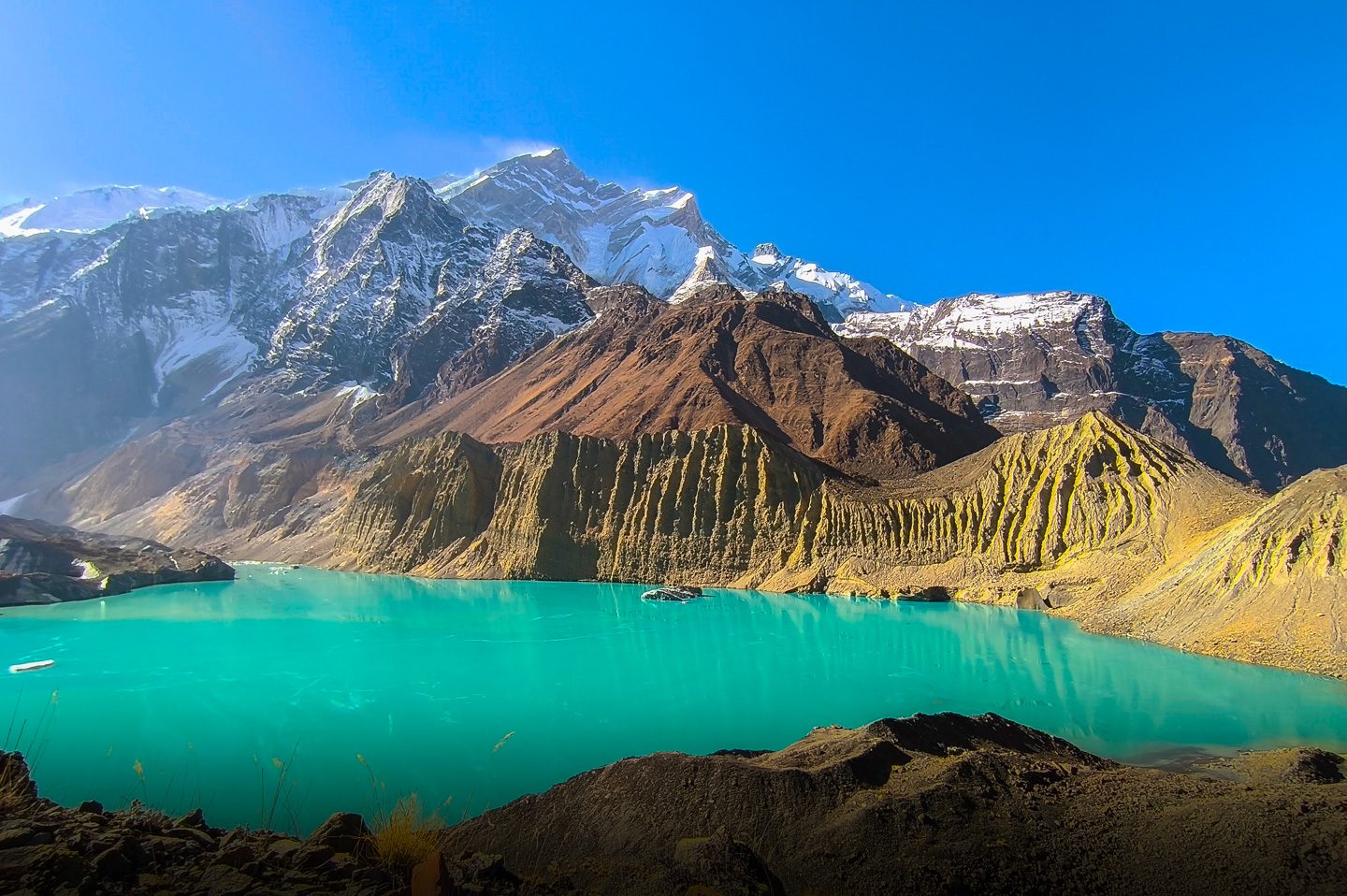
One of the best adventures in Nepal is the trek to North Annapurna Base Camp (ABC), which is a great alternative to its South ABC counterpart, as it is less crowded. This less-visited track offers a trekking adventure that passes through virgin forests, then through Gurung villages, and finally offers beautiful mountain views. It culminates at an altitude of 4,190m and provides magnificent views of the Annapurna Peaks.
The North ABC trek is quieter than the southern route and offers peaceful trails, authentic village experiences, and untouched nature. This guide covers costs, permits, and tips to help you prepare for your 2026 trek.
What is the North Annapurna Base Camp Trek?
The North ABC trek is a different take on the famous ABC trek, approaching it from the north, offering a whole new experience compared to the usual southern trek, which has become crowded with tea houses and infrastructure. This trek retains its remote nature with encampments and fewer tourists.
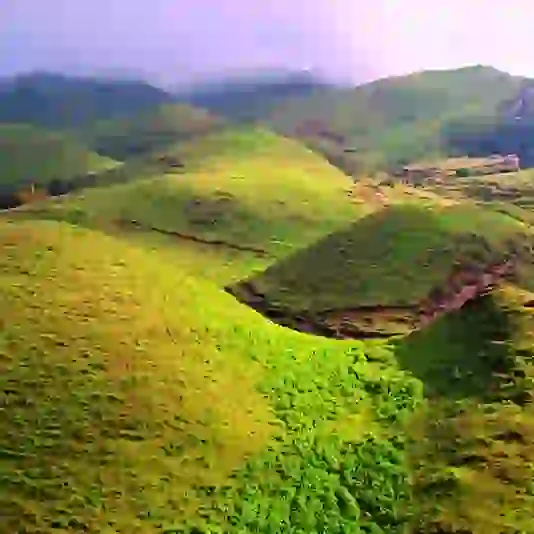
The duration of this trek is typically 8-12 days, depending on your plans. Your trek begins in Humkhola or Narchyang villages, reached after a 5-7 hour journey from Pokhara. During this journey, you'll cross rhododendron forests, suspension bridges spanning rivers, and remote villages, most of which are still home to the original Gurung culture.
Key Highlights
The trek includes spectacular points like:
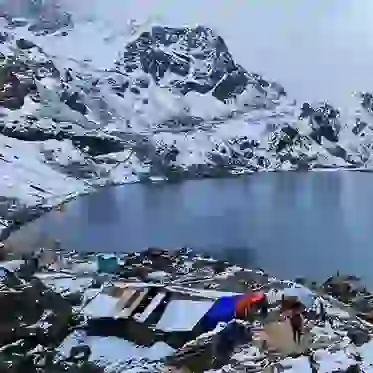
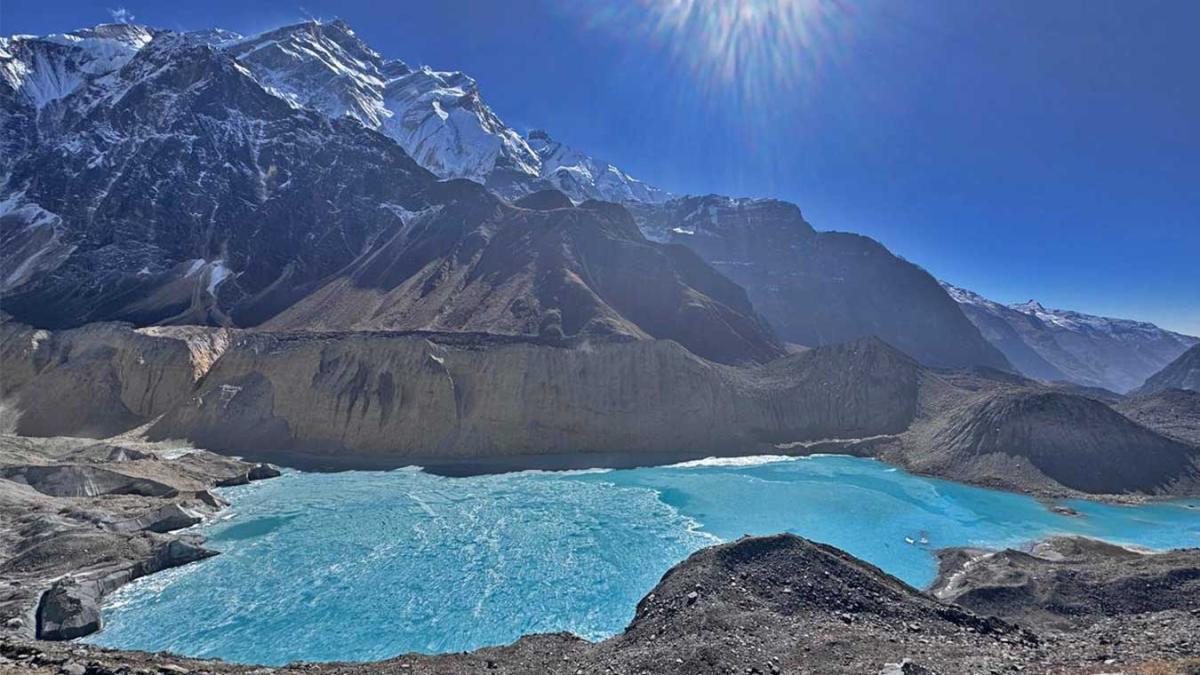
- Panchakunda Lake
- A revered spot located amidst five crystal-clear lakes
- Gurase Danda with a view of mountains all around you
You would also get exposure to Busket Mela if trekking during festival times. The maximum altitude of about 4,190 meters would not be too difficult for trekkers with moderate fitness levels.
How Does It Differ from the Southern Route?
The northern route is far less touristic, offering a highly wilderness-oriented experience, with camping as the principal accommodation option in many parts. The route crosses at a higher elevation and requires attention to acclimatisation planning. The cultural experience is more real without much tourist influence in villages along the way.
North Annapurna Base Camp Trek Cost
This will help you efficiently split or budget for the cost of your next North ABC trek adventure. Rates can vary depending on group size, service option, and time of year.
Typical Cost Breakdown
The cost for the standard ABC Trek package ranges from NPR 20,000 to 30,000+ (USD 450 to 700) per person for an 8 to 10-day trek. This range depends on the number of people in the group, the camping needs of the person, and the facilities the person wishes to avail of. People on the lower side can go camping and join larger groups, while those who want better facilities can pay the extra amount.
What’s Typically Included
- Professional Guide: Licensed, experienced guide throughout the trek
- Permits & Fees: ACAP and TIMS card processing
- Ground Transportation: Pokhara to the trailhead and return
- Meals During Trek: Three meals daily (breakfast, lunch, dinner)
- Accommodation: Camping equipment or basic lodge stays
- Porter Service: Usually 1 porter for every 2 trekkers
What’s Typically Excluded
The package price generally doesn’t cover:
- Travel insurance
- Personal trekking gear and equipment rental
- Drinks and snacks beyond included meals
- Tips for guides and porters
- Emergency evacuation costs, if needed
Budget Tips for Trekkers
- Join a Group to Lower Expenses: You can organise the hike with a group of buddies or use the scheduled group tour to save 20-30% per person.
- Careful Choice of Service Level: The standard service, which includes basic camping and local food, is much cheaper than the luxury service, which includes better tents and food. In fact, some normal service levels are excellent value for money without any compromise on either safety or benefits.
- Seasonal Variation in Prices: Trekking in the off-season may mean price specials, as companies have fewer customers. In addition, during the off-season, the weather patterns can be unpredictable.
Permits & Fees for North Annapurna Base Camp Trek
Every trekker entering the Annapurna Conservation Area must obtain proper permits. These are mandatory and contribute to the trail maintenance and conservation efforts.
Essential Permits Required
- Annapurna Conservation Area Permit (ACAP): This will give the trekkers access to the whole Annapurna Conservation Area. It will cost foreign nationals NPR 3,000, whereas SAARC nationals have to pay only NPR 1,000. This amount is currently used entirely for environmental conservation. It will remain valid for the duration specified at the time of applying for the permit and must be carried throughout the trek for verification.
- TIMS Card (Trekkers’ Information Management System): The TIMS card serves as the trekking registration and safety tracking document. Individual trekkers pay NPR 2,000, while those paying from registered agencies pay NPR 1,000. This system helps authorities track trekkers' movements for safety and to coordinate rescue efforts if needed.
Where and How to Get the Permits
Application Locations
The trekkers can obtain both ACAP and TIMS from:
- Nepal Tourism Board office in Kathmandu, which is located in the Bhrikutimandap
- Tourist Service Centre, which is located in Pokhara near the Lakeside area
Most trekkers prefer to process permits in Pokhara, as it is the gateway to Annapurna treks and is closer to the trailhead.
Required Documents
- Valid passport with at least 6 months of validity
- Two recent passport-size photographs
- Complete application forms
- Trek itinerary details
The processing time would require 30 to 60 minutes for all documents available with the Trek operators. It would be feasible for Hop Nepal to arrange all trekking permits for their customers as part of their trek packages, ensuring all required paperwork is completed properly.
Safety and Legal Considerations
It is illegal to go on a trek without proper permits, and violators may be fined or the trek may be cancelled. More importantly, permit fees keep critical conservation work protecting the fragile Himalayan ecosystem and maintain the trails you will be trekking on. Always carry original permits since you'll need to show them at various checkpoints along the route.
Requirements of Physical Fitness
The North Annapurna Base Camp trek requires moderate to good health and endurance. This is because you shall be trekking for 5-7 hours each day, covering mountainous terrain and climbing 400-800 meters. You should start training for it 2-3 months before trekking by performing cardio exercises such as jogging, biking, and swimming, and by working out and trekking with a backpack on weekends.
Essential Items to Pack
Clothing Layers
- Base layers (moisture-wicking thermal tops and bottoms)
- Insulating middles (fleeces or down jackets)
- Waterproof outer shell (jacket and pants)
- Trekking pants (2-3 pairs, quick-d
- Warm hat, sun hat, and gloves (packing both liner and insulation gloves)
Footwear
- Broken-in hiking boots (waterproof with ankle support)
- Sandals/Camp Shoes - for evenings Moisture-wicking Trekking Socks (4-5)
Gear & Equipment:
- Sleeping bag rated to -15°C minimum
- Trekking poles (essential for knee protection)
- Headlamp with extra batteries
- Water purification tablets or a filter
- Personal first aid kit
- Sunscreen (SPF 50+) and lip balm
- Sunglasses (UV protection essential at high altitude)
Prevention of Altitude Sickness
Acute Mountain Sickness (AMS) above 3,000 meters in elevation is considered a serious risk. Follow these guidelines to minimize the risk:
- Gradual ascents can be followed by sufficient acclimatization days.
- The guiding principle is "climb high, sleep low."
- Stay hydrated by consuming at least 3-4 liters of water a day.
- Avoid alcohol and sleeping medications when you are at a higher altitude.
- These substances slow down breathing.
- Understand the signs of adaptive responses.
- Headache, nausea, lightheadedness, and a loss of appetite are signs.
- If you notice deterioration in your condition, the only remedy is descent.
Guided vs Independent Trekking
While theoretically possible for experienced trekkers, hiring a guide for the North ABC route is highly advisable for several reasons. The local guides are intimately familiar with the route, including weather patterns, and are prepared to handle most emergencies. They assist in culturally sensitive interactions with villagers and keep you from getting lost on less-marked northern trails. Guides will also handle all permit checks and camping logistics, freeing you up to enjoy the experience.
Book the North ABC Trek with Hop Nepal
Ready to be mesmerized by the untouched natural beauty of North Annapurna Base Camp? Let the experts of Hop Tours astound you on the trekking routes, which we know as the back of our hand. Our passion for promoting responsible tourism guarantees you will leave the places untouched.
We have years of experience organizing treks in the Annapurna region. We take care of all arrangements, including permits, transportation, an experienced guide, the best camping equipment, and safety. We have a small number of trekkers in each batch, which gives us the flexibility to adjust to their requirements.
Contact us today for a trek quote tailored to your preferences and convenience. Our trekking experts are at your disposal to give you the necessary answers and assistance in planning your ultimate Himalayan adventure. Download our complete guide to the North ABC Trek, or secure your treks of choice for the best season of 2026 today.
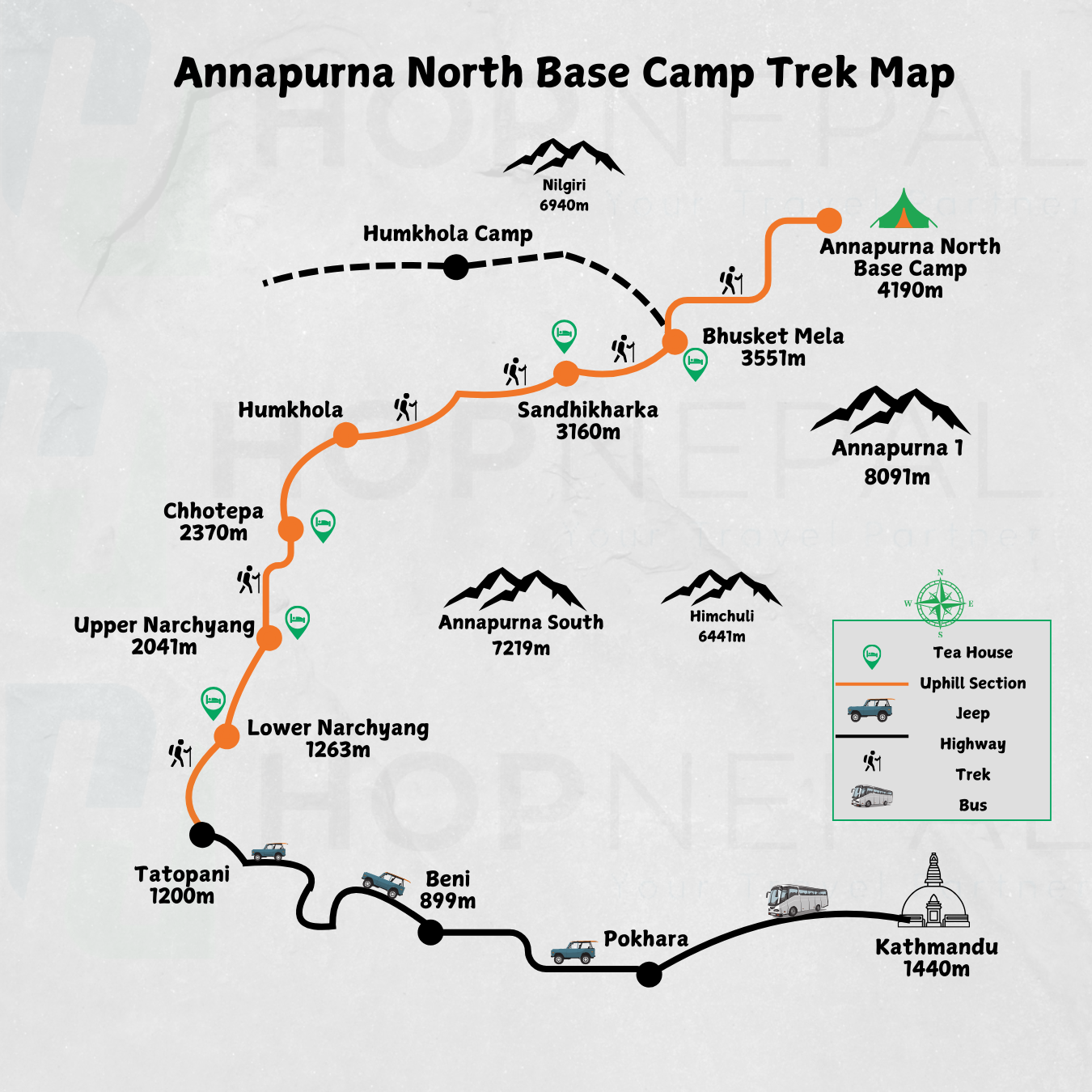
North ABC Trek Map
Frequently Asked Questions
What is the average cost of trekking North ABC in 2026?
The North Annapurna Base Camp trek costs between USD 450 and 700 per person in standard 8-10-day packages. This includes guide fee, permits, trek meals, camping gear, and transportation. However, the cost may vary. For instance, it depends on the number of participants on the trek.
Am I required to have a permit to trek to North Annapurna Base Camp?
Yes, you will need two permits, one of which is mandatory: the Annapurna Conservation Area Permit (ACAP), for NPR 3,000 for foreigners, and the TIMS card, for NPR 2,000 for solo travelers or NPR 1,000 when traveling in a group, organized by an agency, that can be purchased in either Kathmandu or Pokhara.
What's the best season to trek to North Annapurna Base Camp?
Spring, from March to May, and autumn, from September to November, are the best times to visit, as they offer good weather and easy mountain views. This season ushered in the beauty of the blooming rhododendrons, while the other
Is travel insurance necessary for this trek?
Yes, travel insurance that covers high-altitude trekking up to 5,000 meters and emergency helicopter evacuation is compulsory. Medical facilities are scarce in the interior regions, and without insurance, the cost of evacuation alone can exceed USD 5,000.
Is it possible for beginners to complete the North ABC trek?
Though it is suitable for beginners to trek, it is not a novice trek, as it is a long trek with camping. Beginners can opt for the Southern route on the ABC trek to prepare for it.