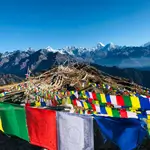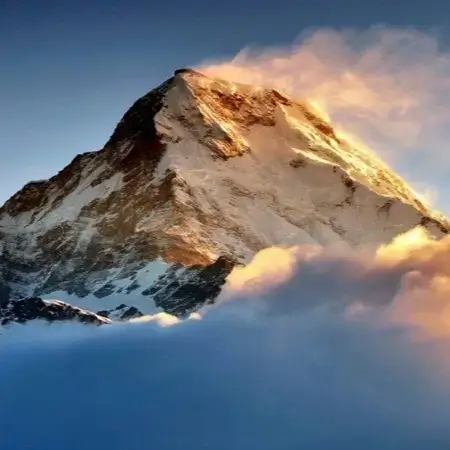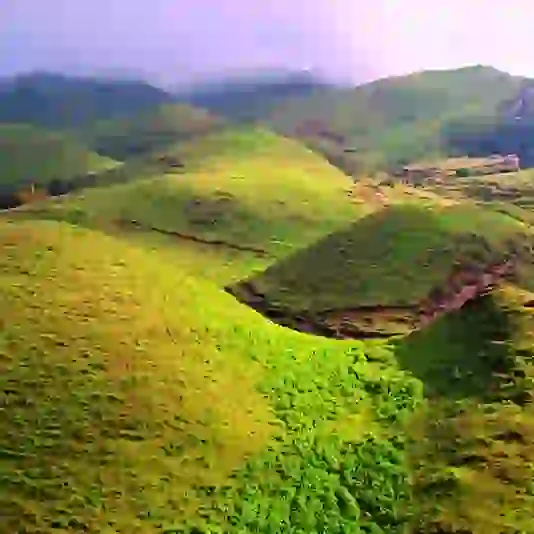

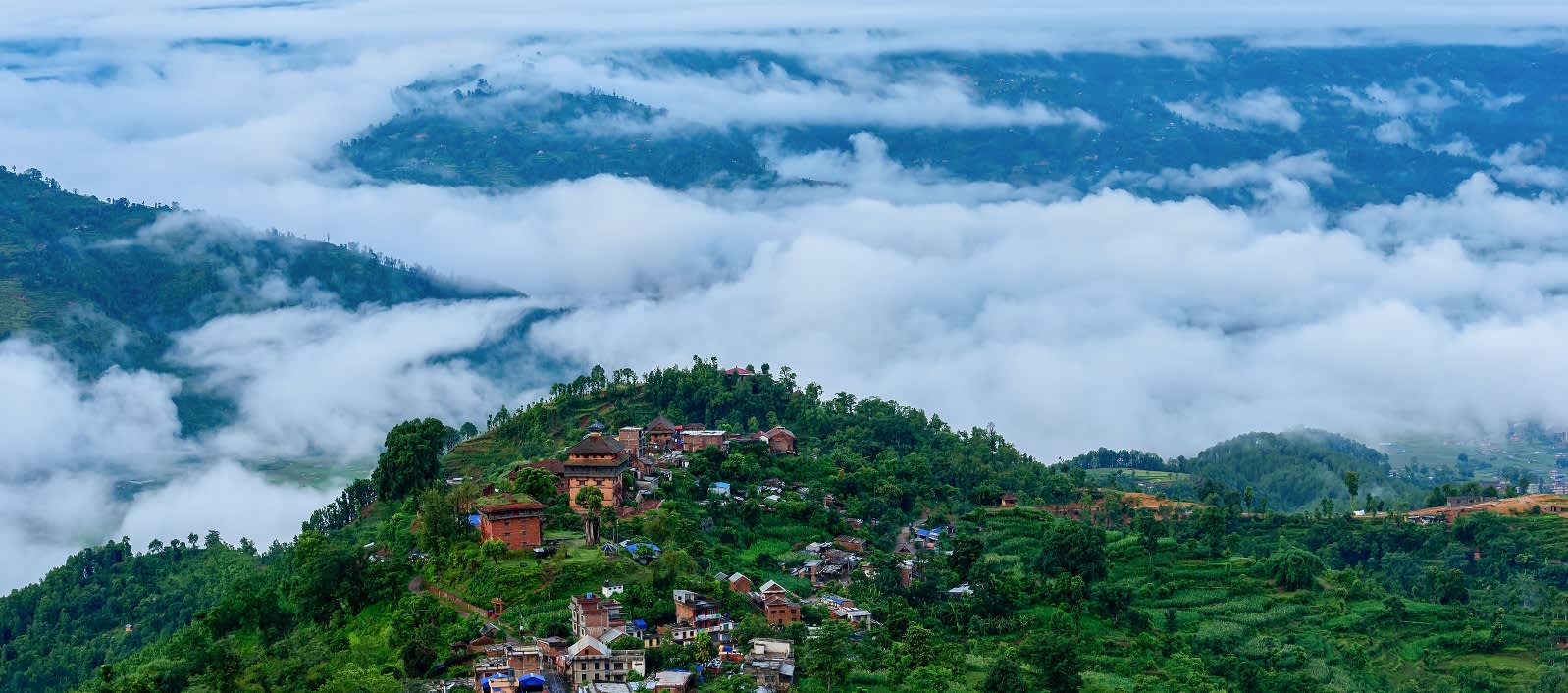
Nuwakot District is one of Nepal's 77 districts and one of the 13 districts of Bagmati Province. Located north-west of Kathmandu, Nuwakot is known for its historical significance, hill landscapes, traditional settlements, religious sites, and its connection to the unification of modern Nepal.
Bidur is the administrative headquarters of Nuwakot District. The district covers approximately 1,121 square kilometres and, according to Nepal's National Population and Housing Census 2021, has a population of 263,391 living in 68,679 households.
Nuwakot is particularly important in Nepalese history because the area became a strategic centre during the campaigns of King Prithvi Narayan Shah. Today, historic Nuwakot, Nuwakot Palace Complex, Devighat, Kakani, the Trishuli River and several temples make the district interesting for travellers looking beyond Nepal's major tourist cities.
Quick Facts About Nuwakot District
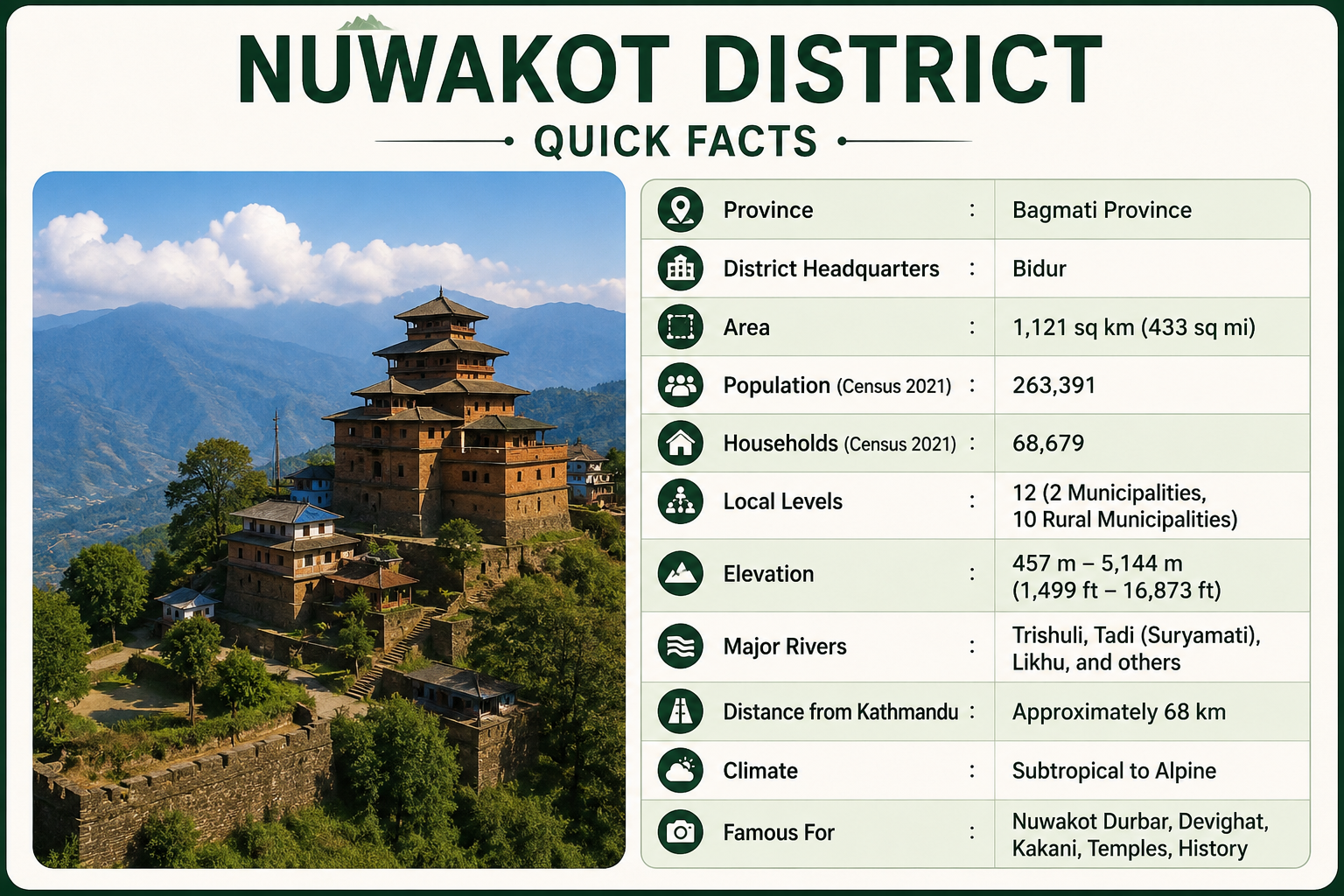
Where Is Nuwakot District?
Nuwakot is a hill district in Bagmati Province and is directly connected with the Kathmandu region. Rasuwa lies to the north, Dhading to the west, Sindhupalchok to the east, and Kathmandu to the south.
The district headquarters, Bidur, is approximately 68 kilometres from Kathmandu by road. Its relatively close location to the capital makes Nuwakot suitable for short cultural trips, weekend escapes and longer journeys towards northern Nepal.
Nuwakot is also historically associated with the traditional trade route that connected the Kathmandu Valley with Tibet. The district remains an important road corridor for travellers heading towards destinations in Rasuwa, including the wider Langtang and Gosaikunda region.
Where Does Nuwakot Get Its Name?
The name Nuwakot is traditionally associated with the idea of nine forts, or "kots".
Historical accounts describe Nuwakot as the central fort among a group of fortified hilltop settlements. The area was historically referred to as Nawakotta, meaning "nine forts," which is believed to have gradually evolved into the present name Nuwakot.
Various historical traditions identify forts, including Nuwakot, Belkot, Bhairabkot, Kalikot, Malakot, and other surrounding fortified settlements, as part of this defensive network.
Therefore, the older explanation that the word simply means "nine holy hills" does not fully describe the historical origin of the name. Its association with a network of fortified hilltop sites provides stronger historical context.
Historical Importance of Nuwakot
Nuwakot occupies an important place in the history of modern Nepal.
Before Nepal was unified into a single kingdom, the Kathmandu Valley and surrounding regions were divided among different kingdoms and principalities. Because Nuwakot controlled an important route between the Kathmandu Valley and Tibet, it held considerable strategic and commercial value.
King Prithvi Narayan Shah of Gorkha captured Nuwakot in 1744. The victory gave Gorkha control over an important trade and military position and Nuwakot subsequently became an important base for further campaigns associated with the unification of Nepal.
The historic town still contains structures and traditions from this period, making it one of the most significant heritage destinations within easy reach of Kathmandu.
Nuwakot Palace Complex
The Nuwakot Palace Complex, commonly associated with the famous Saat Tale Durbar, or Seven-Storey Palace, is the district's most important historical attraction.
Located on a strategic hilltop, the palace complex dates from the 18th century and reflects the traditional architectural styles of the period. Its elevated location allowed control over the surrounding valleys and the old trade route towards Tibet.
The complex includes the main Nuwakot Palace, along with temples, shrines, and other historic structures. Bhairab Temple is among the best-known religious monuments within the heritage area.
The Nuwakot Palace Complex has been on Nepal's UNESCO World Heritage Tentative List since 2008 for its historical and architectural significance.
Devighat
Devighat is another historically and religiously important destination in Nuwakot District.
It lies around the confluence of the Trishuli and Tadi rivers and is closely associated with King Prithvi Narayan Shah, who spent the final period of his life in the area.
Today, Devighat attracts visitors because of its religious significance, riverside setting and connection with Nepalese history.
Kakani
Kakani is one of the most popular hill destinations in Nuwakot and is particularly well known among visitors from Kathmandu.
The area is appreciated for its cool climate, peaceful hill environment, forests and views towards the Himalayan ranges when weather conditions are clear.
Kakani is frequently visited for:
- Day trips from Kathmandu
- Picnics
- Short hikes
- Mountain views
- Sunrise and sunset experiences
- Weekend escapes
- Nature photography
Its relatively easy access from Kathmandu makes Kakani one of the most convenient places to experience the hills of Nuwakot without undertaking a long journey.
Religious Places to Visit in Nuwakot
Nuwakot has numerous temples, shrines and sacred places that reflect the religious traditions of its communities.
Some of the better-known religious sites include:
- Bhairavi Temple
- Dupcheshwar Mahadev Temple
- Jalpa Devi Temple
- Panchakanya Temple
- Chimteshwar Mahadev
- Indrakamala Mai Temple
- Various shrines around the Nuwakot Palace Complex
Bhairavi Temple
Bhairavi Temple is one of the most important temples associated with historic Nuwakot. The temple forms part of the cultural landscape surrounding Nuwakot Durbar and continues to have religious importance for local communities.
Festivals and traditional rituals connected with Bhairavi are also an important part of Nuwakot's living cultural heritage.
Dupcheshwar Mahadev Temple
Dupcheshwar Mahadev is an important Hindu pilgrimage destination dedicated to Lord Shiva. The temple attracts devotees from Nuwakot and other parts of Nepal, particularly during major religious occasions.
Its location amid the hills and rivers of northern Nuwakot also gives the journey a strong natural and cultural appeal.
Geography of Nuwakot District
Nuwakot's geography ranges from river valleys and agricultural terraces to high hills and mountainous terrain.
The district extends from approximately 457 metres to 5,144 metres above sea level, creating considerable variation in landscape, vegetation and climate.
According to official district information, around 71% of Nuwakot consists of hilly terrain, while higher mountain or lek areas account for about 18%. Valleys, terraces, river basins and comparatively flatter areas make up the remaining portion.
Major rivers, including the Trishuli and Tadi, have played an important role in agriculture, settlement, hydropower, and the district's history.
Climate and Weather in Nuwakot
Because Nuwakot covers a wide elevation range, there is no single climate that represents the entire district.
Lower river valleys generally experience warmer conditions, while the climate becomes cooler with increasing elevation. Higher northern areas can experience considerably colder winter weather.
Spring: March to May
Spring generally brings warmer temperatures, colourful vegetation and good conditions for sightseeing and outdoor activities.
Summer and Monsoon: June to August
Summer overlaps with Nepal's monsoon season. The countryside becomes particularly green, although rainfall can affect road journeys and outdoor plans.
Autumn: September to November
Autumn is one of the best times to travel around Nuwakot. Conditions are generally pleasant, and clear days can provide excellent views of the surrounding hills and Himalayan ranges.
Winter: December to February
Winter mornings and evenings can be cold, especially in higher areas such as Kakani and northern Nuwakot. Clear winter days, however, can offer impressive mountain visibility.
Economy of Nuwakot District
Nuwakot's economy is supported by a combination of agriculture, livestock farming, hydropower, tourism, trade, and local services.
Agriculture remains particularly important in rural areas. Farmers grow different cereals, vegetables and fruits depending on location, elevation and local climate.
The district's rivers have also made Nuwakot important in Nepal's electricity sector. The Trishuli Hydropower Station, located in Nuwakot, has an installed capacity of approximately 24 MW.
The Devighat Hydropower Station, another major facility in Nuwakot, has an upgraded capacity of approximately 15 MW.
Tourism also contributes to the local economy through hotels, homestays, restaurants, transport, guiding, cultural tourism and visits to historical and religious sites.
Places to Visit in Nuwakot District
Nuwakot Durbar
Nuwakot Durbar is the district's signature historical attraction. The hilltop palace complex combines architecture, history, temples and panoramic surroundings.
Bhairavi Temple
Located in the historic Nuwakot area, Bhairavi Temple is important for both religious pilgrimage and the district's traditional culture.
Devighat
Devighat combines historical significance with a scenic riverside setting near the confluence of the Tadi and Trishuli rivers.
Kakani
Kakani is an excellent option for travellers seeking mountain views, short hikes, picnics, and a peaceful break from Kathmandu.
Trishuli River
The Trishuli River is one of Nepal's major river systems and plays an important role in Nuwakot's geography and economy.
Travellers passing through the district frequently encounter scenic sections of the river, riverside settlements, agricultural areas and hydropower infrastructure.
Dupcheshwar Mahadev
Dupcheshwar Mahadev is one of Nuwakot's notable pilgrimage destinations, especially important to devotees of Lord Shiva.
Nuwakot as a Gateway to Langtang and Gosaikunda
Nuwakot is also important for travellers because major road routes towards Rasuwa, Langtang and Gosaikunda pass through or connect with the district.
Travellers heading from Kathmandu towards Dhunche, Syabrubesi and the Langtang region generally travel through the broader Nuwakot-Trishuli corridor before entering Rasuwa.
This makes Nuwakot not only a destination in its own right but also an important gateway to some of central Nepal's best-known Himalayan trekking areas.
How to Reach Nuwakot from Kathmandu
Nuwakot can be reached by road from Kathmandu using public buses, shared vehicles, private cars or jeeps.
Bidur is approximately 68 kilometres from Kathmandu, although the exact travelling distance and time depend on your starting point, route, traffic, and road conditions.
Kakani is closer to Kathmandu and is commonly visited as a day trip, while travellers exploring Bidur, Nuwakot Durbar and Devighat may prefer to spend additional time in the district.
Best Time to Visit Nuwakot
Spring, from March to May, and autumn, from September to November, are generally excellent times to travel in Nuwakot.
These seasons are particularly suitable for heritage sightseeing, hiking, photography, village visits and enjoying mountain landscapes.
Winter can also be rewarding for clear Himalayan views, although mornings and evenings may become cold in higher areas.
Why Visit Nuwakot?
Nuwakot is an excellent destination for travellers who want to experience a side of Nepal that combines history, culture, religion and nature within relatively easy reach of Kathmandu.
The district played an important role in the formation of modern Nepal, while its palaces, temples, hill settlements, rivers and rural landscapes continue to tell that story today.
Whether you are interested in the historic Nuwakot Palace Complex, a peaceful trip to Kakani, a pilgrimage to Dupcheshwar, a visit to Devighat or an onward journey towards Langtang, Nuwakot offers much more than simply a road between Kathmandu and the Himalayas.
Frequently Asked Questions About Nuwakot District
Where is Nuwakot District located?
Nuwakot District is located in Bagmati Province in central Nepal, north-west of Kathmandu.
What is the headquarters of Nuwakot District?
Bidur is the administrative headquarters of Nuwakot District.
What is the population of Nuwakot?
According to Nepal's National Population and Housing Census 2021, Nuwakot has a population of 263,391. The 2021 census remains Nepal's latest national census, as of 2026.
How many households are there in Nuwakot?
The 2021 census records 68,679 households in Nuwakot District.
How big is Nuwakot District?
Nuwakot covers approximately 1,121 square kilometres.
How many local levels are there in Nuwakot?
Nuwakot has 12 local levels, consisting of 2 municipalities and 10 rural municipalities.
What is Nuwakot famous for?
Nuwakot is famous for the Nuwakot Palace Complex, Saat Tale Durbar, Bhairavi Temple, Devighat, Kakani, Trishuli River and its important role in the unification of Nepal.
Is Nuwakot Palace a UNESCO World Heritage Site?
Nuwakot Palace Complex is not currently an inscribed UNESCO World Heritage Site. It has been included on Nepal's UNESCO World Heritage Tentative List since 2008.
Why is Nuwakot important in Nepalese history?
Nuwakot became strategically important after King Prithvi Narayan Shah captured it in 1744. Its location helped control a key route between the Kathmandu Valley and Tibet, and it became a key base during Nepal's unification campaigns.
How far is Nuwakot from Kathmandu?
The district headquarters at Bidur is approximately 68 kilometres from Kathmandu. Distances vary depending on the particular destination within Nuwakot.
What are the best places to visit in Nuwakot?
Popular places include Nuwakot Durbar, Bhairavi Temple, Devighat, Kakani, Dupcheshwar Mahadev, and the Trishuli River area.
What is the best time to visit Nuwakot?
March to May and September to November are generally the most comfortable seasons for sightseeing, hiking and cultural travel in Nuwakot.
Can Nuwakot be visited on a day trip from Kathmandu?
Yes. Places such as Kakani can easily be considered for a day trip. A longer visit is recommended if you want to explore Nuwakot Durbar, Bidur, Devighat and other historical or religious sites at a more relaxed pace.