
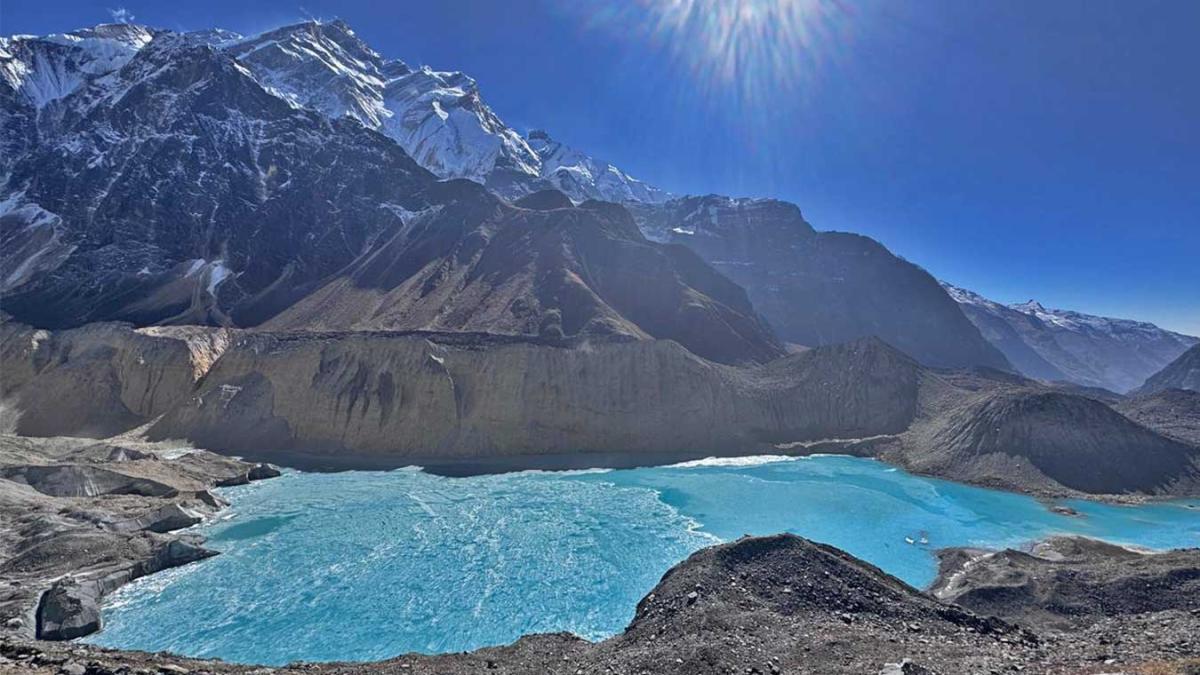
Nepal is home to numerous mountains, including the world's tallest. North Annapurna is one of the most beautiful mountains located in Nepal. It is a remote and less crowded alternative to the major Annapurna trek. The trek to North Annapurna is considered moderately challenging.
The North ABC trek reaches a maximum altitude of 4,190 meters. As North ABC is remote and less crowded, it has fewer teahouses. The upper route might require camping, which makes it more of an adventurous and beautiful experience. To trek through the North ABC route, an Annapurna Conservation Area Project (ACAP) permit is required.
If you are someone who wants to travel to North Annapurna Base Camp and is wondering what the best time to visit North ABC is, then you are in the right place. This comprehensive guide provides you with full details on the best month and time to trek on North ABC.
Quick summary on what this guide covers:
- Best time and month to visit North ABC
- Trial conditions and itinerary
- Weather and seasonal risks
- Tip for North ABC Trek
Best Time to Trek to North Annapurna Base Camp (Quick Answer)
There are two distinct seasons that offer the best months to trek to North Annapurna Base Camp. The detailed overview is provided below:
Spring (April-May)
- April-May is considered the best month to go on a trek in North ABC.
- During this season, it has stable weather with under 50mm of monthly rainfall.
- The season have moderate temperature from 10 to 15°C at the base and 5 to -5°C at the North ABC
- This time of the year provides longer daylight, which is approximately 13 to 14 hours, which helps in extended trekking.
- During these months, the area has better visibility.
Autumn (September-October):
- September and October are considered second best months to go on the North ABC trek.
- It is post-monsoon, which is why the area is clearer and best for photography.
- This time of year has a very low chance of rainfall.
- The skies are crystal clear, and you can get a beautiful view of the Annapurna massif in detail.
- There are fewer trekkers on the route
- During this time of the month, there is stable high-pressure weather.
Spring is generally considered one of the best times to go to North Annapurna Base Camp, as the temperature is warmer and is not extremely cold. Autumn is a good time to go trekking in North ABC, as during this time you get the clearest visibility of the year.
Best Time to Trek North Annapurna Base Camp (Season by Season)
Spring (March-May)
- March: During this month, there is moderate temperature where the base might range from 18 to 12°C, but still North ABC remains covered with snow with temperature ranging from -15 to -20°C during the night. This month is suitable only for highly experienced trekkers or teams who are comfortable with the winter-like high-altitude conditions.
- April: This month is still consistently improving the weather conditions. Snow starts melting at the base camp. Temperature rises in North ABC range from -5 to 5°C during the daytime. Lower areas are completely clear during this month. Crossing the glacier becomes slightly less technical and easier. This month is an excellent time with fewer crowds.
- May: This month is the warmest month in the season, where the temperature ranges from 10 to 5°C. The snow covering becomes minimal. However, there is still afternoon cloud buildup, where there is occasional rainfall or snow. The time that is excellent is early May; late May consists of a risk of rainfall as the monsoon approaches.
Summer / Monsoon (June-August)
- June: This is the time of early monsoon, which brings 150-200mm rainfall. The trial becomes muddy and leech-infested. This month can also bring daily afternoon lightning hazards due to thunderstorms. Rivers overflow dangerously during this month of the season, and mountains disappear for days.
- July-August: These months are the peak monsoon, which consists of 250-300mm monthly rainfall. The trials during this time become really muddy and bad. Landslides might occur frequently and block the routes. The views are completely blocked during this time of the year. It is not recommended to go trekking during this time of the year, as it is one of the worst times for trekking in the area.
Autumn (September-November)
- September: By mid-month, the weather improves. Early September is not stable, so late September is an excellent time for trekking. Rivers gradually decrease and trials dry progressively.
- October: This is the best month within the season to go on a trek. During this month, the skies are clear as it is just after the monsoon season, and provide clearer visibility to enjoy nature. Temperature is a little on the lower side, ranging from 5 to -5°C during the day, and -15 to -20°C during nighttime. The trails and routes become completely dry. This month visually rewards you, and you can enjoy the scenery the most during this month compared to other months in the year.
- November: This is the late autumn time when the temperature is increasingly cold. The temperature ranges from 0 to -10°C during the daytime and -20 to -25°C during the night. Fresh snowfall starts falling. Even though the weather is extremely cold, the area is really visible where you can appreciate the beautiful North ABC. During this time of the year, really few trekkers with experience can trek. It is suitable only for those who have experienced cold-weather trekking with top-quality gear.
Winter (December-February)
This time of the year is extremely difficult to trek to North ABC due to the weather conditions. During this time of year, the temperature is really low. Temperature drops to -20 to -40°C. The trails are buried by snowfall. The glaciers become really heavy under the snow. Most of the facilities are closed due to extremely low temperatures. During this time of the year, only some highly experienced mountaineering teams with full winter equipment should consider going for the trek.
Best time to Trek by the Experience
- Beginners: Beginners are not recommended to go trekking on North ABC regardless of the season. Beginners are recommended to first trek on easier trials then go for North ABC.
- Intermediate: The trekkers who have already completed 1-2 treks are recommended to go to North ABC during late April-May or late September. As it provides warmer temperatures with minimal margin of error.
- Experienced Trekkers: Trekkers who are familiar with trek trials and have completed lots of trekking journeys are recommended to trek from April-May or September-October. Those who are comfortable even in extreme cold might generally prefer October.
- Professional Mountaineers: For professionals, most of the time it is possible for them to go on a trek in North ABC. March-November are the months that are possible with full technical gear and comprehensive safety protocols.
- Photography Expeditions: For someone interested or for someone who is there for a photography expedition, October is best, as it is just post-monsoon and offers clarity, sharp visibility, and exceptional morning light.
Trek to North Annapurna Base Camp: Trail Conditions
North Annapurna Base Camp trails must be studied and understood, as it helps in explaining why timing matters critically, as it is a less-explored trekking route. It is important to understand beforehand, as it is not just any casual trek, but it is remote, raw and unforgiving if you are not prepared.
Here is why knowing about trails beforehand matters:
- Remote Place: The trails in North Annapurna Base Camp consist of minimal infrastructure beyond the initial village. You must have good navigation skills as the trial becomes indistinct. There are no casual bailout options once you are committed.
- Glacier Crossing: You need technical equipment such as crampons, ice axes, ropes, etc and experience to cross the active glaciers. Seasonal conditions dramatically affect the conditions where spring melts create visible crevasses, winter snow hides them, and autumn offers optimal consolidated conditions.
- Steep Technical Section: Most of the areas require scrambling and careful footwork. The difficulty increases when the trial is wet (monsoon), icy (winter), or snow-covered (early spring).
- Limited Facilities: The tea houses in this area operate seasonally. Most of the tea houses are closed during the monsoon and deep winter, which makes some months, such as March and November, challenging.
- River Crossing: During different seasons, the difficulty level of crossing the river varies. During spring glacial melts and the monsoon, dangerous high water is created. From October to April, crossing the rivers is generally safer.
- Altitude Profile: Reaching 4,200 to 4,500m altitude depends on proper acclimatisation. The location is remote, which makes rescue difficult. This is how it emphasises why optimal weather windows minimise compounding risks.
Seasonal Risks on North Annapurna Base Camp Trails
- June-August (Landslides): During this month, heavy monsoon and rainfall cause frequent landslides, which might block the trails and roads. This is one of the single biggest reasons to avoid the summer season.
- December-February (Avalanches): During these months, heavy snow creates serious avalanche risks. It requires extensive assessment skills and safety equipment.
- Late May (River crossings): During this month, glacial melts cause rivers swell. If you trek during this month, make sure that you cross the river early in the morning when the river levels are low.
- Year-round (Altitude sickness): Whenever you go trekking, you might get altitude sickness as the destination is at a high altitude. High altitude and non-stop walking might create the risk of altitude sickness.
- Navigation Challenges: The trails are not defined well, which might lead to getting lost if one is not well prepared. The trails might get affected due to various reasons, such as snow, rain, or fog, which might create serious hazards. So, travelling must be done with experienced guides. GPS and detailed maps are mandatory.
Packing List by Season
Spring and Autumn Core Gear
Technical Equipment:
- Snow-grippers for glacier travel
- Ice axe
- Climbing harness and helmet
- Rope. It is team equipment.
Clothing:
- You must pack 2-3 sets of base layer clothing
- Fleece is a mid-layer clothing
- You must also pack a down jacket as the temperature can go below -20°C
- A waterproof shell jacket and pants are a must
- For high camp Insulated pants are better
- A Glove set with liners and mittens
- You must also pack a warm hat, a sun hat, a neck gaiter, etc
Footwear:
- Mountaineering boots that are crampon compatible
- Warm camp shoes are recommended
- Gaiters
Sleeping:
- Sleeping bags which has comfort rating of -20°C
- High R-value sleeping pads are suggested
Additional:
- Sunglasses with category 4 for glaciers are required
- SPF 50+ glacier is recommended
- A headlamp with some extra batteries is a must
- Insulated water bottles
- Water purification
- First aid kit with altitude medications
Winter Additions
- Sleeping bags which are rated -30°C are recommended
- Additional insulation layers are recommended
- Expedition weight down suit
- Face mask
- Hand and foot warmers
Emergency and Safety
- Satellite communicators are a must
- Comprehensive first aid
- Emergency shelter
- Fire starting equipments
Conclusion
Trekking to North Annapurna Base Camp is not just a journey to one destination. It is an adventurous and memorable expedition into one of Nepal’s most remote Himalayan regions. Choosing the right time to trek is one of the most important factors to successfully trek while enjoying the natural beauty. As the season changes dramatically in the region, it affects the trek stability, trail safety, glacier conditions, and overall accessibility. Among all seasons and months, April to early May (Spring) and late September to October (Autumn) are two of the most suitable times to go on a trek to North Annapurna Base Camp. These time periods of the year offer one of the best balances of stable weather, manageable temperatures, safer river crossings, and optimal glacier conditions, while also delivering the breathtaking mountain visibility.
There are also many risks while on the journey, depending on the seasons. Some of the major risks include landslides, avalanches, extreme cold, altitude sickness, and logistical challenges. If you make a bad choice and go on the journey in the difficult season, this beautiful journey might turn into a dangerous and life-threatening one.
Ultimately, North Annapurna Base Camp is a trek for those who love and respect the mountains and who prepare fully for the journey. It is a remote destination that has limited infrastructure, a technical way of crossing the glacier, and high altitude demand. You not only need to be physically fit but must be experienced with proper gear and must have good decision-making.
If you are an experienced trekker who is seeking solitude, a mountaineer pushing into the wild terrain, or a photographer chasing pristine Himalayan light. For this, you must choose the right season that aligns with your interests. You must trek in the right season while having an equivalent experience level and safety planning, which is non-negotiable.
If you trek at the optimal time and through the right preparation, the North Annapurna Base Camp offers the rare, raw and deeply rewarding Himalayan experience which stands apart from Nepal’s more commercial trekking routes and leaves a lasting impression long after your journey ends.
Plan your next North Annapurna Base Camp Trek with Hop Nepal as we provide you the best package which is suitable for you with your experience level and interest.