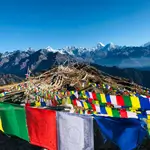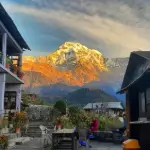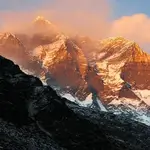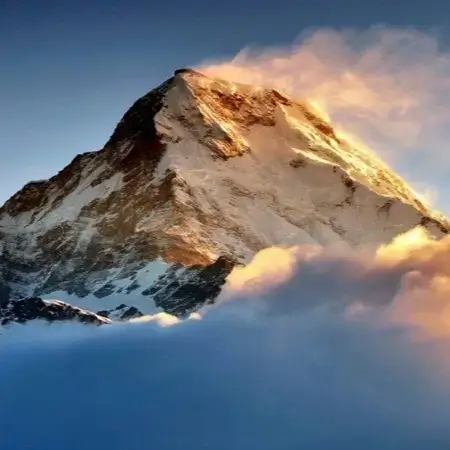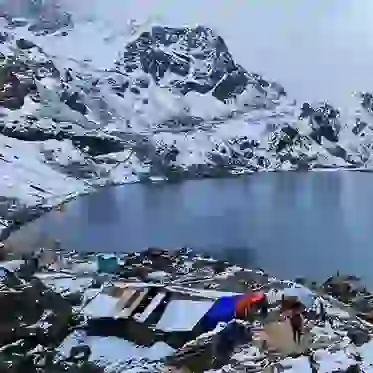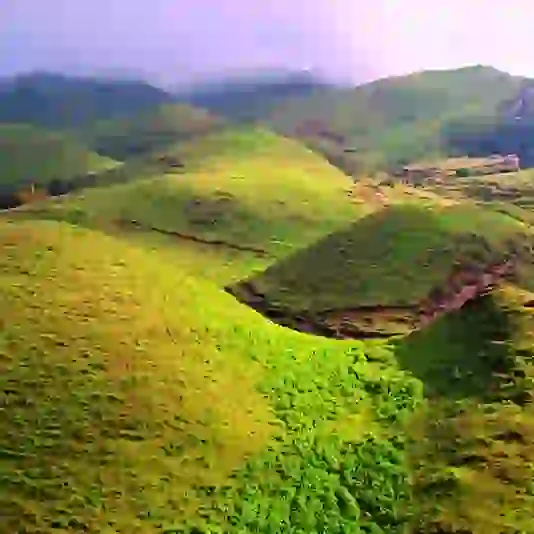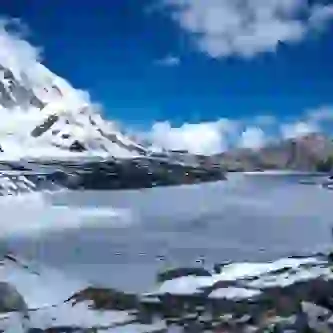

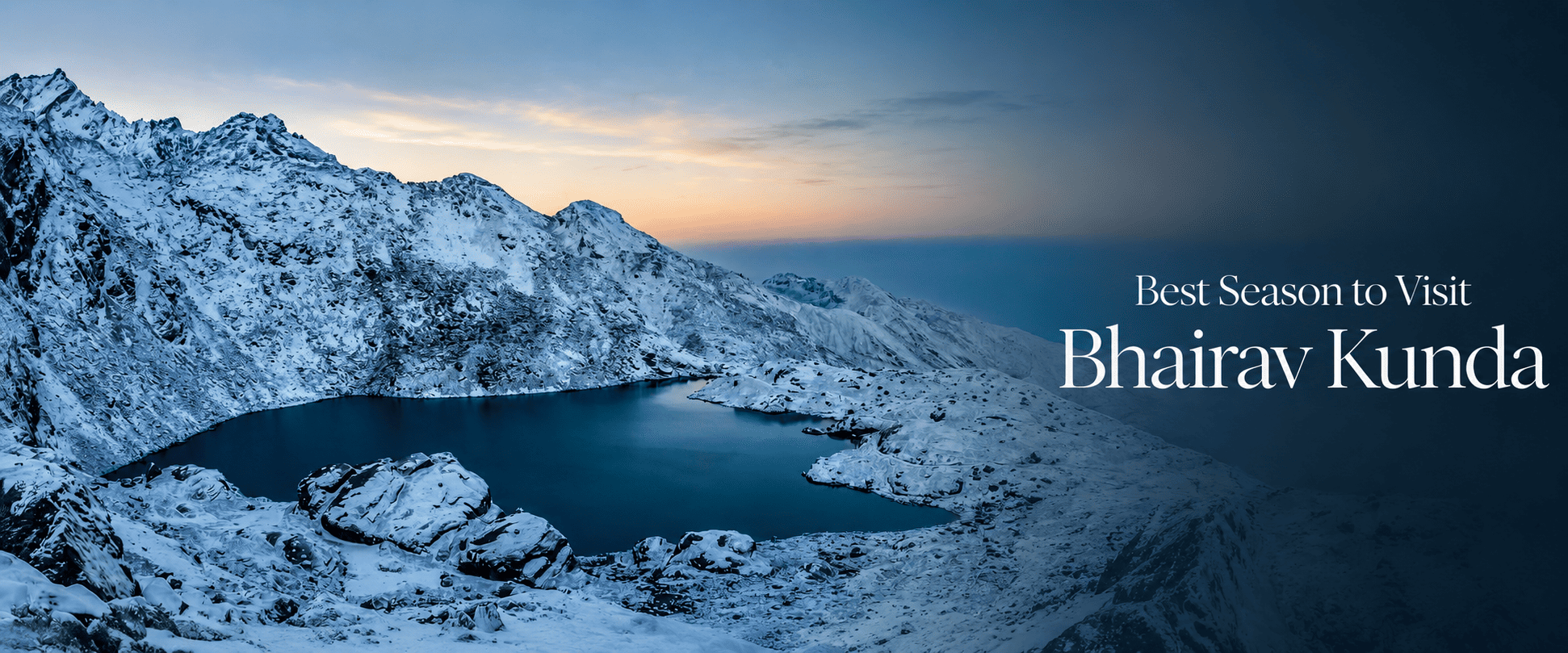
A spiritually important yet unexplored trekking trail that passes through high-altitude alpine lakes, Bhairav Kunda is one of Nepal’s most beautiful and breathtaking lakes, located at an altitude of 4,250 meters in the Sindhupalchok district of Nepal. It attracts trekkers, adventure and spiritual seekers from all over the country and beyond. This trek not only holds beauty and adventure but also carries the spiritual importance of both Hinduism and Buddhism. Surrounded by snow-capped mountains, green forests, and peaceful landscapes, with prayer flags fluttering throughout, this trek offers the best combination of natural beauty and spiritual significance.
Although Bhairav Kunda is a stunning destination year-round, choosing the right season is crucial for a safe and enjoyable trekking experience. Weather conditions in the Himalayas can change at any time, affecting the trekking trails, visibility, and overall comfort during the trek.
Why does the Right Season Matter for the Bhairavkunda Trek?
The Bhairav Kunda trek is considered moderately difficult due to its high altitude and remote trails. Choosing the right season will help you to make your trekking experience more beautiful and easier. Choosing the right season for a trek helps trekkers enjoy clear mountain views, safe trekking routes, comfortable temperatures, and good photographs.
On the other hand, choosing the unfavourable season will bring challenges like poor visibility, slippery trails, and heavy rainfall.
Where is Bhairavkunda located?
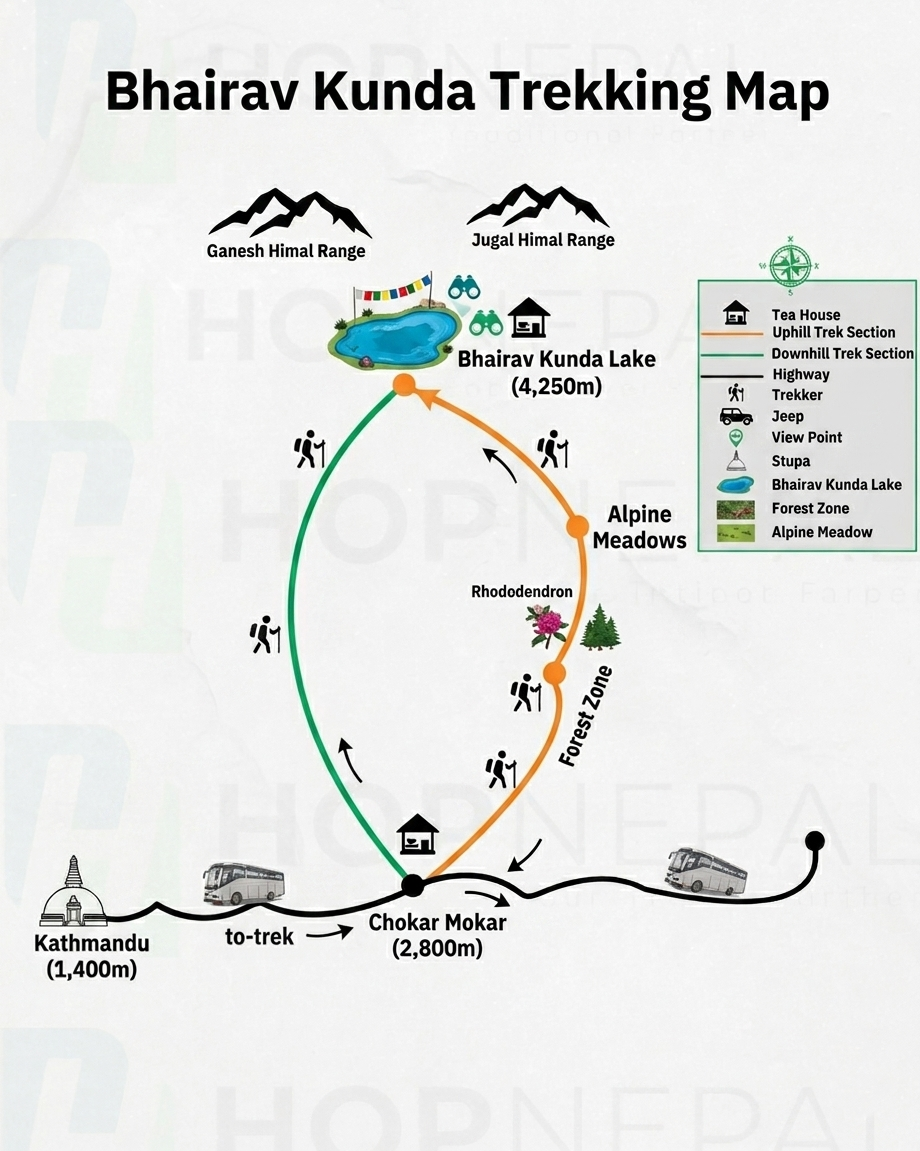
Bhairav Kunda is a sacred high-altitude lake located in Sindupalchok district, Nepal, in the northeast part of Kathmandu valley, near the Nepal-China border. It is located at an altitude of 4,250 (13,944 ft) meters above sea level.
The name Bhairav Kunda is connected with Lord Bhairav, a fierce form of Lord Shiva. For Hindu devotees, the lake is considered sacred. The region also has a strong Buddhist cultural influence, especially among local communities living along the trail.
Overview of Weather in Bhairav Kunda
The weather varies significantly throughout the year due to the high altitude of 4,250m. Trekkers can experience everything from warm sunny days and blooming forests to snowfall, freezing temperatures, and heavy rainfall, depending on the season.
In general, Bhairav Kunda has an alpine mountain climate, which means it remains cold even during the warmer months and extremely cold during the winter. Weather conditions may also change rapidly in mountain regions, so proper preparation is important regardless of the season chosen.
Most travellers with Hop Nepal visit Bhairavkunda during Spring (March-May) and Autumn (September-November) because these seasons offer clear skies and colourful forests.
Favourable Seasons to Visit Bhairav Kunda
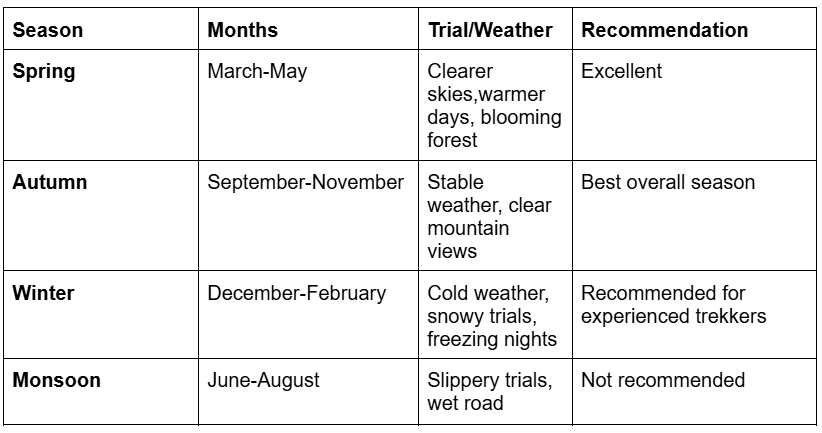
The weather around Bhairav Kunda can change quickly, especially during winter and monsoon. In winter, the lake and trail areas may receive snow, while the monsoon season can make the route slippery and difficult to navigate. For most trekkers, the best seasons to visit Bhairav Kunda are Spring and Autumn, when trail conditions are better and mountain views are more rewarding.
Spring Season (March-May)
During this season, the forest and hills become colourful with blooming rhododendrons. The skies are clearer, offering trekkers the opportunity to enjoy the view. As winter ends, the weather gradually warms, making treks more comfortable and enjoyable. Spring also offers longer daylight hours, which give trekkers more time to walk and explore.
Note: Lower trekking areas have temperatures of 10°C-20°C, while higher trekking areas have temperatures of -2°C-10°C near and in the Bhairav Kunda.
Autumn Season (September and November)
Autumn offers a crystal clear view of the mountain range and surrounding valleys. The moderate daytime temperatures make trekking comfortable, while dry trails reduce the risk of slips and accidents.
Autumn carries most of the festivals in Nepal, which will help you to explore and experience most of the local cultures and traditions.
Note: Lower trekking regions have 8°C-18 °C, while higher trekking regions have -5°C-8°C temperatures in and near the Bhairav Kunda.
Winter Season (December-February)
The winter season offers a unique trekking experience in Bhairav Kunda. Snowfall covers the mountains and landscape, creating breathtaking scenery. Also, trekking in this season is peaceful because very few trekkers trek during winter.
Winter is ideal for adventure lovers seeking quiet trails and snowy landscapes.
Note: The lower trekking regions have 5°C-12°C, while the higher trekking regions have -10°C-5 °C in and near Bhairav Kunda.
Monsoon Season (June-August)
The monsoon season is not considered the best season to visit Bhairav Kunda. In this season, due to heavy rainfall, the trail becomes slippery, clouds may cover the view of the mountain, and the overall trip becomes uncomfortable.
Forest may be seen as greenery, but the trial and overall trip became difficult and uncomfortable. Trekkers who choose this season should be well prepared with rain protection, a proper bag and bag covers, trekking shoes and comfortable clothes.
Note: The lower trekking region has 18°C-25°C, while the higher trekking regions have 5°C-15°C temperature in and near Bhairav Kunda
Cultural Experience During the Trek to Bhairav Kunda
The trek to Bhairav Kunda is not just about mountain adventure but also a deep dive into local culture and traditions. Located on the China (Tibetan) border, Bhairav Kunda is surrounded by both Hindu and Buddhist culture and tradition. This blend of culture and spirituality makes the trek more meaningful.
Buddhist Cultural Influence
As the trek gets higher, Buddhist culture is more visible. You can see prayer flags flutter. Small stupas are visible all over the mountains. This shows the relationship between people, god and mountains. Monks chanting prayers and spinning prayer wheels create an atmosphere very different and memorable from usual trekking journeys.
The Tamang people, whose name historically translates to “Horse Soldiers,” migrated from Tibet and settled in the hills. They brought a deeply ritualistic form of Nyingma Buddhism with them centuries ago. The historical blending created a unique practice in which Buddhist lamas and Dhami-Jhankris share a sacred history. This harmony is most widely seen during the festival of Janai Purnima.
Hindu Cultural Influence
The trek to Bhairav Kunda is not only a scenic Himalayan adventure but also a deeply spiritual journey shaped by Hindu beliefs and traditions. The sacred alpine lake holds great religious importance for Hindu devotees. Along the trekking route, trekkers may encounter small shrines, prayer flags, and sacred sites connected to Hindu beliefs. Local communities often combine Hindu and Buddhist traditions, creating a unique cultural blend in the Himalayas of Nepal.
The name “Bhairav Kunda” comes from Lord Bhairav, a fierce manifestation of Lord Shiva in Hindu mythology. According to local beliefs, the lake is spiritually powerful and possesses holy water that can cleanse sins and bring blessings. For Hindu pilgrims, visiting the sacred lake is an act of devotion and spiritual purification.
Essential Tips for Bhairav Kunda Trek
Before starting the Bhairav Kunda trek, you need to prepare well to make your trip safer and more enjoyable.
Useful tips
- Carry warm clothes regardless of the season, especially for night and evening
- Stay hydrated throughout the trek
- Wear proper trekking shoes
- Hire a proper local guide for proper navigation
- Prepare physically for high-altitude trekking
Final Verdict - When should you visit Bhairavkunda?
Bhairav Kund is a stunning destination to trek, but choosing the right season can make a big difference; choosing an unfavourable season can ruin your whole trip.
In my experience, the best time to do the Bhairavkunda trek is in autumn. The moderate daytime temperatures make trekking comfortable, while dry trails reduce the risk of slips and accidents.
Autumn carries most of the festivals in Nepal, which will help you to explore and experience most of the local cultures and traditions.
For guided trekking support, seasonal planning, transportation and local guidance is very important. You can contact Hop Nepal to organise your Bhirav Kunda trekking experience.
FAQS for Bhairavkunda
Which is the best season to travel to Bhairav Kunda?
The autumn season, from September to November, is considered the best season to trek in Bhairav Kunda. During this season, the roads are drier, the skies are clear, and the weather is warmer.
Is Spring suitable for the Bhairavkunda Trek?
Yes, Spring is suitable for trekking in Bhairav Kunda. During this season, the trails are drier, the weather is more stable, and the views are also clear.
Can I trek to Bhairav Kunda in the monsoon?
Winter is not recommended for trekking due to heavy rainfall, which makes it uncomfortable and difficult. However, if you are trekking this season, you need to carry rain covers, sturdy trekking shoes, and appropriate clothing.
How high is Bhairav Kunda?
Bhairav Kunda is at a height of about 4,250 meters above sea level. Trekkers should be well prepared for high altitude.
Do we need a permit to travel to Bhairav Kunda?
Yes, you need permits to travel to Bhairavkunda. Langtang National Park Entry Permits and a Trekker’s Information Management System are required.
How far is Bhairav Kunda from Kathmandu?
Bhairav Kunda is around 120-140 kilometres away from Kathmandu; depending on the route, it takes 6-8 hours by bus or jeep.