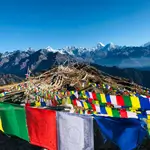

When most people picture Nepal, towering Himalayan peaks are usually the first thing that comes to mind. Travel east, however, and the landscape tells a different story.
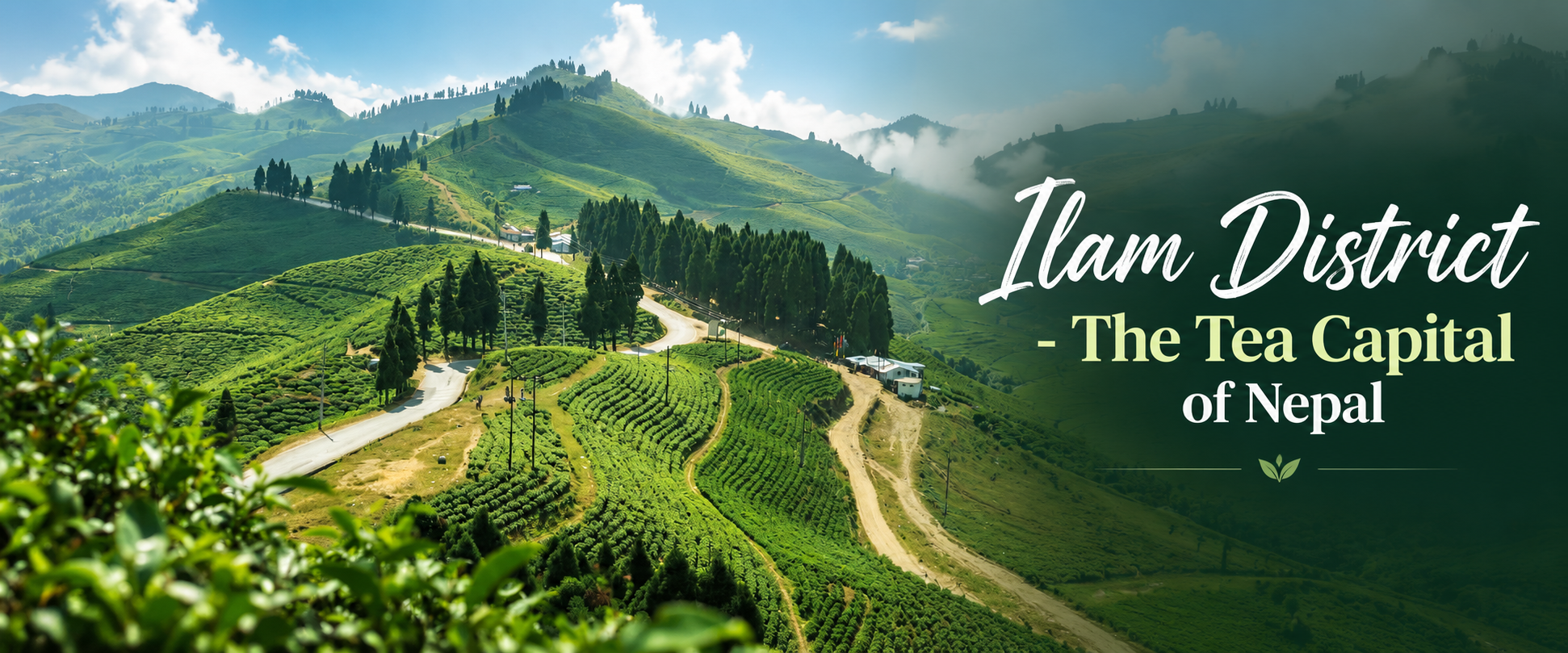
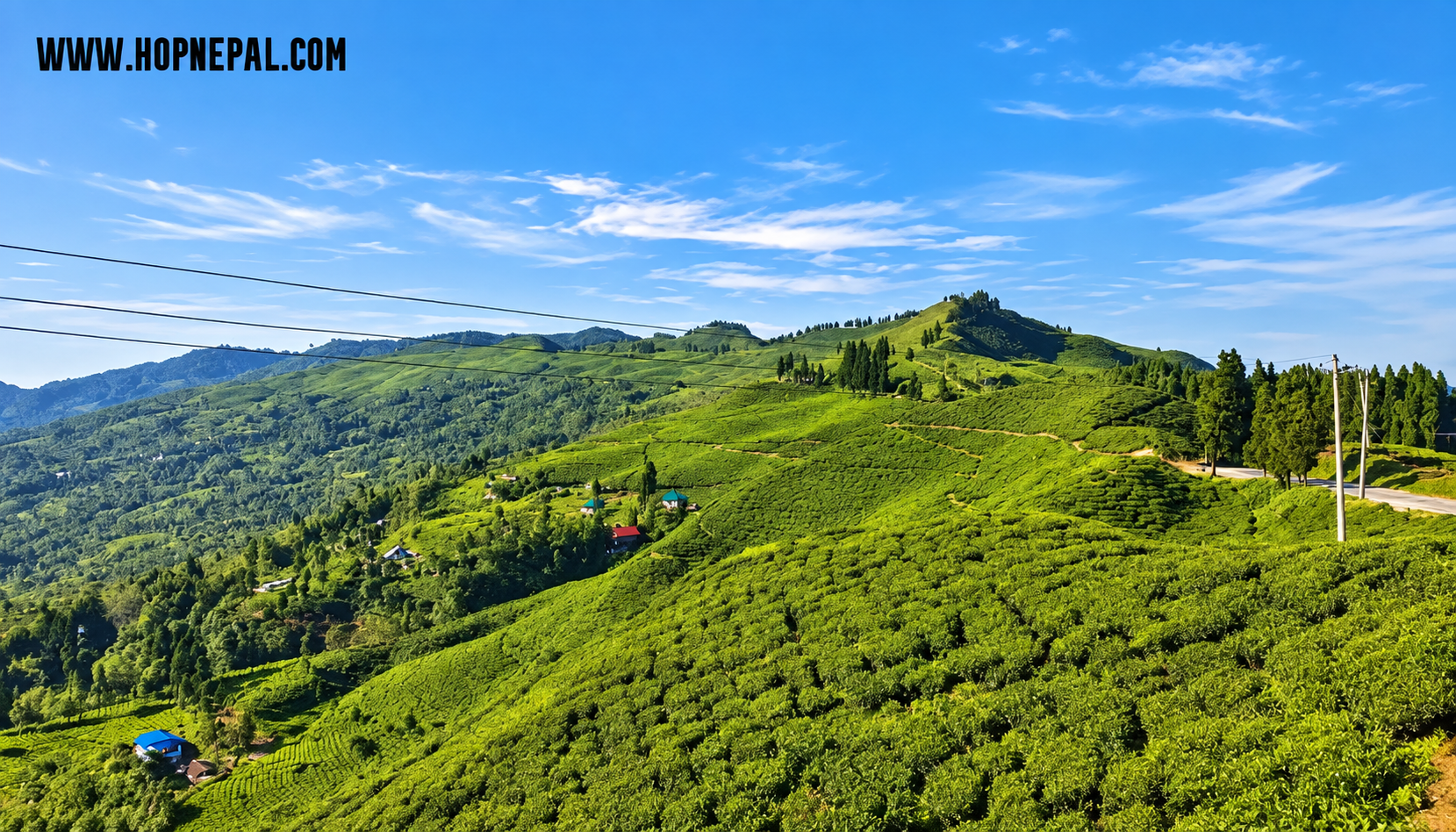
Welcome to Ilam, where rolling hills are covered with tea bushes, mist drifts through green valleys, and quiet roads wind between farms, forests and traditional settlements.
Located in Koshi Province in eastern Nepal, Ilam is widely known as the Tea Capital of Nepal and is one of the country’s most distinctive hill destinations. Tea is at the heart of the region, but travelling through Ilam also brings sunrise viewpoints, wetlands, forests, rural homestays, Himalayan panoramas and diverse communities. For trip planning, our guide to places to visit in Ilam can help you build a practical itinerary.
Ilam Travel Overview
- Location: Koshi Province, eastern Nepal
- Province: Koshi Province 1
- Known for: Tea gardens, orthodox tea, sunrise viewpoints, forests and rural landscapes
- Popular places: Kanyam Tea Garden, Shree Antu, Mai Pokhari, Sandakpur and Ilam Bazaar
- Best time to visit: October to December and February to April
- Ideal trip length: Around 3–5 days for most first-time visitors
- Getting there: Fly from Kathmandu to Bhadrapur and continue by road, or travel overland by bus
Why Is Ilam Called the Tea Capital of Nepal?
Tea has shaped Ilam’s landscape, economy and identity for more than 160 years.
According to Nepal’s National Tea and Coffee Development Board, commercial tea cultivation in Nepal began in Ilam in 1863, when tea seeds brought from China were planted, and the Ilam Tea Estate was established. Tea farming later expanded into neighbouring parts of eastern Nepal.
Today, travelling through Ilam means regularly encountering tea. Plantations stretch across hillsides; small growers cultivate tea around villages; shops sell locally grown leaves; and tea plays an important role in daily life.
The high hills of eastern Nepal are particularly associated with orthodox tea, valued for its aroma, flavour and more traditional processing methods. Ilam remains one of the country's most important orthodox tea-producing areas.
This long relationship between the land and the crop is why visiting Ilam is not simply about looking at tea gardens. It is an opportunity to experience one of Nepal's most important agricultural traditions first-hand.
What Makes Ilam Worth Visiting?
Ilam is particularly suited to travellers who enjoy scenery without needing a demanding high-altitude trek.
Nepal Tourism Board highlights the region for tea garden walks, sightseeing, short hikes, forest walks, pilgrimage sites, and cultural experiences. The elevation across Ilam District ranges dramatically from around 140 metres to 3,636 metres, creating considerable variation in scenery and climate.
You might spend one morning walking between tea bushes, watch sunrise from a hilltop the next day and then travel through the forest to a sacred lake.
And unlike destinations built around a single attraction, much of Ilam's appeal comes from the journey itself: winding roads, hillside farms, changing weather, layers of green ridges and cups of fresh local tea along the way.
Best Places to Visit in Ilam
Kanyam Tea Garden
If there is one landscape most closely associated with Ilam tourism, it is Kanyam.
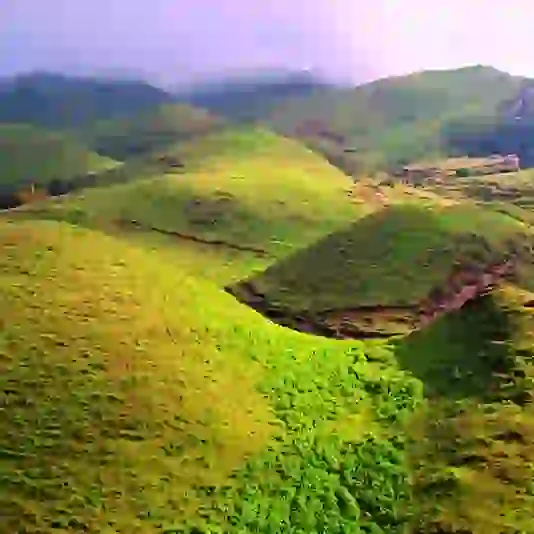
Located along the route towards Ilam, Kanyam Tea Garden is characterised by sweeping green tea plantations covering the rolling hills. The area has become one of eastern Nepal's most recognisable destinations for sightseeing, photography, picnics and relaxed walks. Nepal Tourism Board identifies Kanyam and nearby Fikkal as major tea-growing areas that have helped establish Ilam's reputation for more than a century.
The scenery changes with the weather. On clear days, the green slopes stretch into the distance. When mist settles over the plantations, Kanyam takes on an entirely different atmosphere. Visitors can walk through accessible areas of the tea gardens, enjoy locally produced tea and spend time simply exploring the surrounding countryside.
For first-time visitors, Kanyam is one of the essential places to visit in Ilam.
Shree Antu and Antu Danda
For sunrise, Shree Antu should be high on the itinerary.
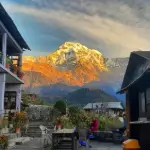
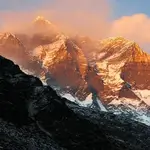
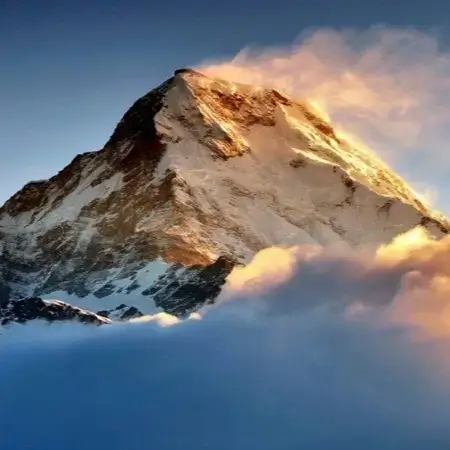
Antu Danda rises to approximately 2,328 metres and is particularly known for sunrise and sunset views over the eastern Himalayan landscape. On clear mornings, views can extend towards Kanchenjunga, the world's third-highest mountain, as well as surrounding snow-covered peaks.
The wider Shree Antu area combines tea gardens, rural settlements, forest, agricultural land and homestays.
Arrive the previous afternoon, spend the night in a local homestay and wake before sunrise for the viewpoint. Afterwards, the rest of the morning can be spent walking around tea-growing villages or enjoying breakfast with locally produced tea.
Nepal Tourism Board has also promoted Shree Antu for its tea culture, community experiences, sunrise views and recreational activities around Antu Pokhari.
Mai Pokhari
Ilam is not only about tea plantations.
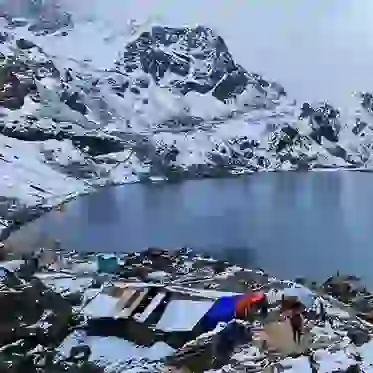
At around 2,121 metres, Mai Pokhari is a peaceful lake surrounded by forest and is both a natural attraction and an important religious destination.
The lake is traditionally described as having nine corners and is considered sacred, with pilgrims visiting particularly around the annual festival associated with Kartik Ekadashi. The surrounding forests support diverse plant and animal life, adding to the area's environmental importance.
Mai Pokhari lies north of Ilam Bazaar and can be combined with a day trip from town. The quieter setting makes it a good contrast to the more frequently photographed tea gardens of Kanyam.
Sandakpur
Travellers wanting something more adventurous can head higher into the hills towards Sandakpur.
At approximately 3,636 metres , Sandakpur lies along the Nepal–India border and is one of the highest points associated with Ilam tourism.
On clear days, the viewpoint can reveal an exceptional Himalayan panorama. Nepal Tourism Board notes views towards Kanchenjunga, Makalu, and Everest, as well as large sections of the surrounding hills and plains. The region is also associated with Himalayan wildlife, including red pandas in Nepal . Travellers planning a longer eastern Nepal itinerary can also consider the Kanchenjunga Base Camp Trek .
Getting there requires considerably more time and effort than visiting Kanyam or Ilam Bazaar, so Sandakpur is better suited to travellers building a longer eastern Nepal itinerary
Ilam Bazaar
Ilam Bazaar makes a convenient base for exploring the district.
Rather than being a major attraction in itself, the town gives visitors access to accommodation, restaurants, local markets and transport connections to surrounding areas.
Walking around the bazaar also offers a closer look at everyday life in the district away from the tourist viewpoints.
Tea shops are easy to find, and Ilam Bazaar is an especially good base for visiting destinations such as Mai Pokhari and nearby tea-producing communities.
Fikkal
Fikkal is an important commercial centre in eastern Ilam and a common stopping point while travelling between the lowlands and the tea-growing hills.
It also acts as a useful junction for travellers heading towards Kanyam, Shree Antu and Pashupatinagar.
Stopping here for local tea or food can easily be incorporated into a journey along the Ilam road.
Siddhi Thumka
For another quieter viewpoint, Siddhi Thumka offers views across the surrounding hills and Terai plains.
At approximately 1,800 metres, it is known for both sunrise and sunset and can be approached as a short hiking destination from the Ilam area. It receives far less attention than Kanyam or Antu, making it worth considering for travellers seeking to explore less commercial parts of Ilam.
Experience the Tea Culture of Ilam
A visit to Ilam becomes much more interesting when you go beyond taking photographs of the plantations.
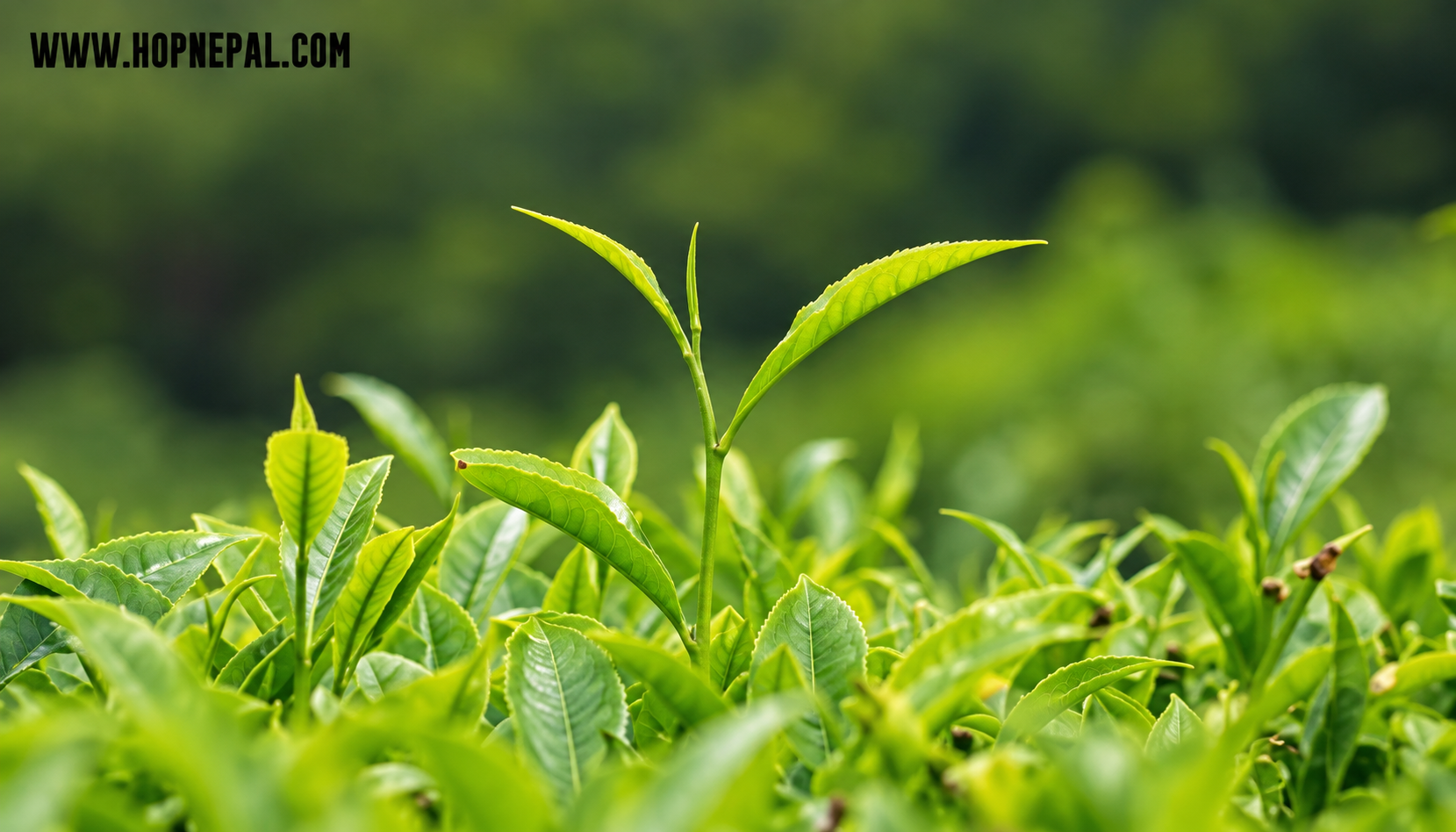
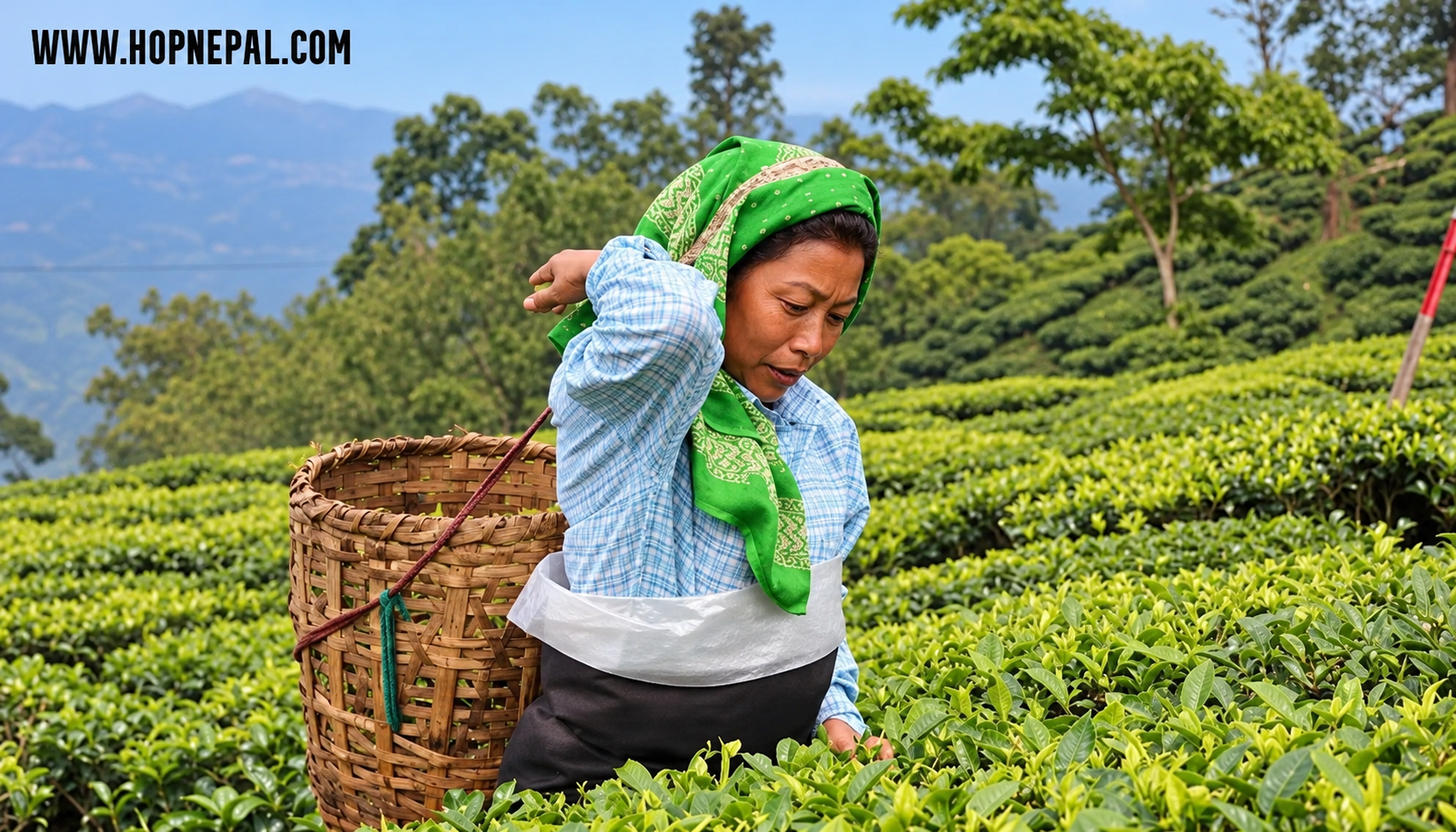
Tea can become part of the journey itself. Depending on the season and the property you visit, travellers may have opportunities to walk through tea plantations, observe tea leaves being picked, learn about local cultivation, visit tea-processing facilities, taste different varieties and buy tea directly from growers or local shops.
Tea plucking is careful work. The quality of the finished tea begins with the leaves harvested from the plant and continues through several stages of processing before the final product reaches the cup.
Spending time with local tea producers provides a clearer understanding of why tea is so closely tied to Ilam's identity. And after walking through acres of tea bushes, drinking a freshly prepared cup where it was grown feels considerably different from ordering one in the city.
More Than Tea: Agriculture in Ilam
Tea may receive most of the attention, but Ilam’s agricultural economy is much broader.
The district is known for crops and products including cardamom, ginger, potatoes, Akabare chilli, dairy products and broom grass. Nepal Tourism Board describes Ilam as one of Nepal’s richer districts for agricultural cash crops, alongside its natural and cultural diversity.
Travelling through the countryside therefore provides an interesting introduction to rural farming systems in eastern Nepal. Small farms, livestock, vegetable cultivation and locally produced foods are all part of the landscape visitors encounter between the better-known attractions.
Culture and Communities of Ilam
Ilam’s identity has developed through much more than agriculture.
The district is home to communities including Limbu, Rai, Lepcha, Magar, Gurung, Sherpa, Brahmin and Chhetri, among others, giving the region considerable cultural diversity.
For travellers, some of the most meaningful interactions often happen away from formal tourist attractions.
Staying in a homestay, walking through villages, eating locally prepared meals and talking with families involved in agriculture can provide a deeper understanding of life in eastern Nepal. Shree Antu is particularly well-suited to this style of travel because community-run accommodation has long been part of the area’s tourism experience.
Best Time to Visit Ilam
The best time to visit Ilam is generally from October to December and February to April. Nepal Tourism Board recommends these periods because the weather is usually well suited to outdoor sightseeing and walking. For a broader seasonal overview, see our guide to when and where to visit Nepal .
October to December
Autumn and early winter bring clearer skies and excellent conditions for mountain views, sunrise photography and exploring tea gardens. The air grows cooler as winter approaches, particularly around Shree Antu and at higher elevations.
February to April
Spring brings comfortable daytime temperatures and fresh vegetation. It is another excellent time to explore tea plantations, viewpoints, and rural areas.
June to September
The monsoon turns Ilam intensely green, making its tea gardens particularly beautiful. However, heavy rainfall can bring mist, clouds, slippery trails and slower road travel. Travellers visiting during this period should leave additional flexibility in their itinerary.
How to Reach Ilam from Kathmandu
There are two main ways to travel from Kathmandu to Ilam: by air followed by road travel, or entirely overland.
Kathmandu to Bhadrapur by Flight
For most travellers, flying from Kathmandu to Bhadrapur and continuing by road is the fastest and most practical option. If you are comparing routes or booking air travel, Hop Nepal’s guide to domestic flights in Nepal provides useful route information.
Flights take roughly an hour, after which visitors continue uphill towards Kanyam, Fikkal, Shree Antu or Ilam Bazaar. Nepal Tourism Board estimates the Bhadrapur–Ilam road journey at roughly three to four hours, although actual travel time depends on your exact destination, vehicle, road conditions and traffic.
If Kanyam or Shree Antu is your main destination, you may not need to drive all the way to Ilam Bazaar first. From Bhadrapur, reaching these areas can take approximately 1.5 to 2 hours, depending on the exact destination, road conditions and traffic.
Kathmandu to Ilam by Road
Long-distance buses also connect Kathmandu with Ilam.
Travelling entirely by road is usually more affordable but requires substantially more time. Current route estimates typically place the journey at around 14–17 hours, depending on traffic, road conditions, weather and stops.
For international visitors or travellers with limited time, flying from Kathmandu to Bhadrapur is generally the more practical option.
How Many Days Do You Need in Ilam?
A three- to five-day trip works well for most first-time visitors.
With three days, you can comfortably combine Kanyam, Shree Antu and Ilam Bazaar. Four or five days allow time for Mai Pokhari, village exploration, tea experiences and a slower pace.
Travellers planning to include Sandakpur should allow additional days, as reaching the higher areas takes longer and is more dependent on weather and road conditions.
Food to Try in Ilam
Tea is naturally the first thing to try.
Rather than limiting yourself to packaged tea, look for freshly prepared local orthodox teas and ask about where the leaves were grown.
One local food worth trying in Ilam is Iskus momo (chayote squash dumplings), a vegetable momo filled with chopped iskus and usually served with a spicy tomato achar.
Ilam is also known for dairy products and locally grown agricultural produce. Depending on the location and season, travellers may encounter local cheese, Churpi, cardamom, ginger and the famous Akabare chilli .
Churpi and kurauni are also worth trying. These dairy-based specialities are commonly made from locally produced milk and are closely associated with the food culture of Nepal’s hill regions.
Homestays can be particularly good places to experience simple local meals made with ingredients from the surrounding area.
Accommodation in Ilam
Travellers can choose between hotels, lodges, resorts and community homestays. You can also browse Hop Nepal’s homestays in Nepal for locally hosted stays and rural accommodation options.
Ilam Bazaar offers the widest selection of conventional accommodation and works as a central base. Around Shree Antu, homestays provide a more rural experience and are particularly convenient for visitors planning to watch sunrise.
Kanyam and other tourism areas also offer a growing range of accommodation options, from simple stays to more comfortable resorts. Travellers looking for a stay in the Ilam highlands can also view Mountain Lodge Tumling,Ilam . Booking ahead is highly recommended during domestic holiday periods and peak travel seasons.
Is Ilam Worth Visiting?
Yes. Ilam is especially worthwhile if you want to experience a different side of Nepal. It does not need the high-altitude trekking focus of Everest or Annapurna to stand out; its appeal comes from tea landscapes, rural communities, forested hills and a slower pace of travel.
It is in the morning mist above a tea plantation, the carefully organised rows of tea bushes covering entire hillsides, the first light appearing over Shree Antu, a quiet walk around Mai Pokhari and a freshly brewed cup of tea produced only a short distance away.
For travellers interested in nature, tea culture, rural life, photography and slower journeys, Ilam is one of eastern Nepal’s most rewarding destinations. It is easy to understand why the region has become known as the Tea Capital of Nepal.
Final Thoughts: Planning a Trip to Ilam
Ilam is one of those places that shows how diverse travelling in Nepal can be. Far from the crowded trekking trails and busy city centres, the district offers rolling tea gardens, cool hill air, peaceful villages, sunrise viewpoints and a slower rhythm of travel.
Kanyam may introduce you to Ilam’s famous tea landscape, but places such as Shree Antu, Mai Pokhari and Sandakpur reveal that there is much more to explore beyond the plantations. Add local homestays, fresh produce, warm hospitality and the chance to experience Nepal’s long-established tea culture, and Ilam becomes a destination worth spending several days in rather than simply passing through.
For travellers seeking nature, photography, tea culture, rural experiences, and quieter places in Nepal, Ilam is an excellent addition to an itinerary in eastern Nepal.
It may be known as the Tea Capital of Nepal, but the real beauty of Ilam lies in everything that surrounds the tea—the landscapes, communities, traditions and peaceful countryside that make this corner of Nepal genuinely memorable.
Frequently Asked Questions About Ilam
Where is Ilam located in Nepal?
Ilam is located in Koshi Province in eastern Nepal, north of Jhapa and close to the border with India’s West Bengal.
Why is Ilam famous?
Ilam is best known for its extensive tea gardens and orthodox tea production. It is also famous for Kanyam, Shree Antu sunrise views, Mai Pokhari, Sandakpur, agriculture and its lush green landscapes.
Why is Ilam called the Tea Capital of Nepal?
Tea cultivation in Nepal began in Ilam in 1863, making the district central to the country's tea history. Tea remains one of Ilam's most important industries, and the region is one of Nepal's leading producers of orthodox tea.
What is the most famous tea garden in Ilam?
Kanyam Tea Garden is the best-known tea destination in Ilam and one of the most photographed tea-growing landscapes in Nepal.
How do I reach Ilam from Kathmandu?
The quickest option is to fly from Kathmandu to Bhadrapur and continue to Ilam by road. Travellers can also take a long-distance bus from Kathmandu.
How many days are enough for Ilam?
Three days are enough for Kanyam, Shree Antu and Ilam Bazaar. Four to five days provide a more relaxed trip and allow you to include Mai Pokhari and additional local experiences.
Can you see Mount Kanchenjunga from Ilam?
Yes. On clear days, viewpoints such as Antu Danda and Sandakpur offer views of Kanchenjunga and other Himalayan peaks.