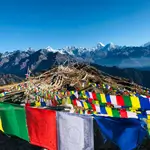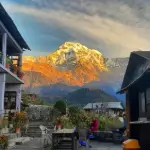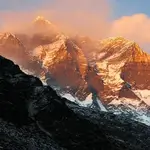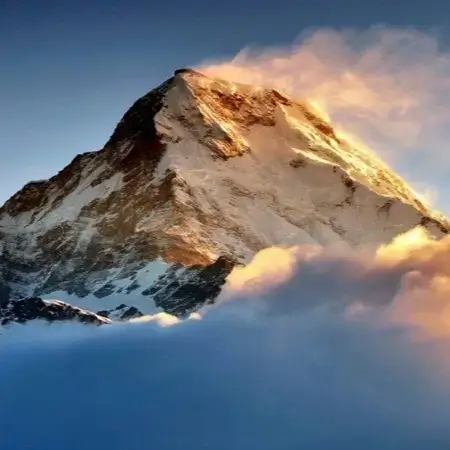

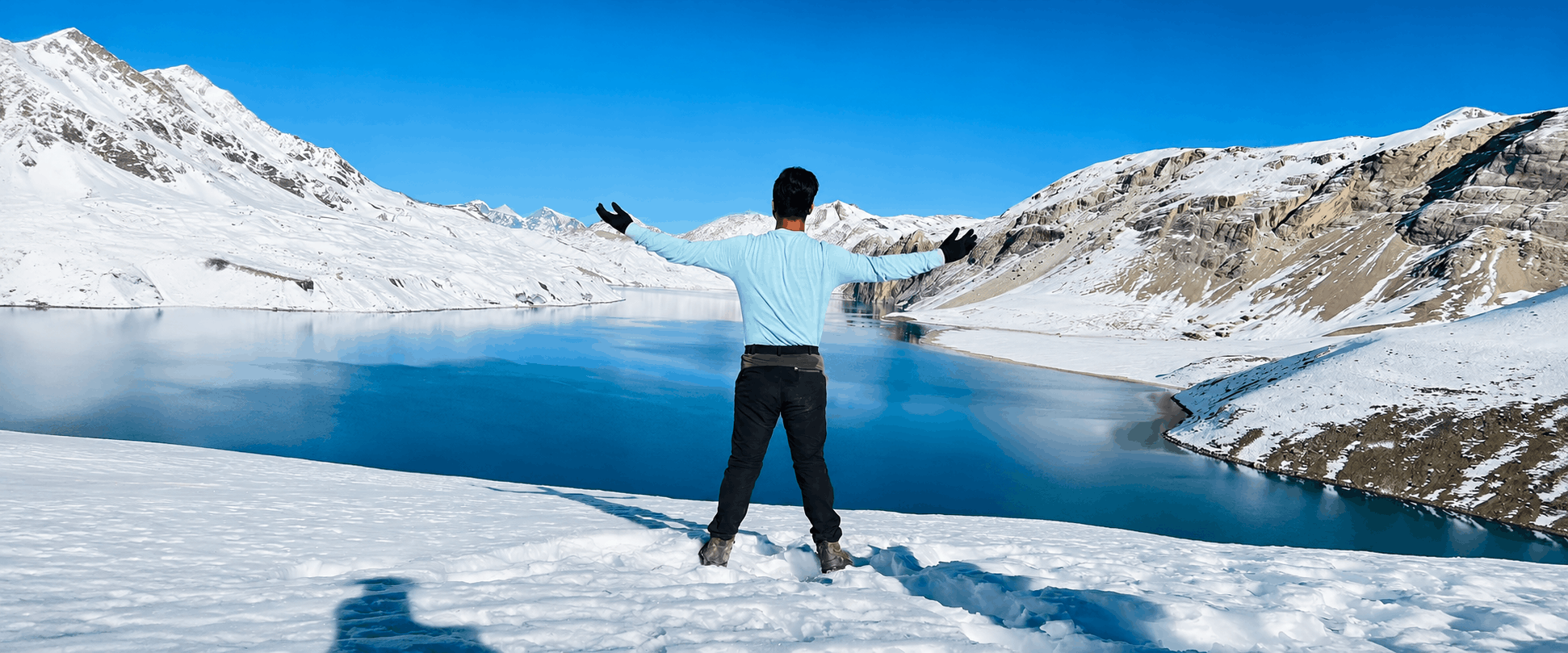
The journey to Tilicho Lake is filled with high-mountain landscapes, traditional Manang villages, rugged trails, and unforgettable Himalayan views. However, before trekkers can finally stand beside the brilliant blue waters of Tilicho Lake, they must overcome one of the route’s most demanding sections: 22 Ghumti Tilicho.
Known locally as Baais Ghumti, meaning “22 turns”, this steep zigzagging trail is located on the final climb from Tilicho Base Camp towards Tilicho Lake. The repeated bends, increasing altitude, cold air and demanding uphill terrain make it a memorable physical and mental challenge.
For many trekkers, completing the 22 Ghumti section becomes one of the proudest moments of the entire Tilicho Lake trek.
Tilicho Lake lies in Manang district within the Annapurna Conservation Area at an elevation of approximately 4,919 metres. Modern scientific research describes it as one of the world’s highest freshwater lakes of its size rather than simply calling it the highest lake in the world.
What Is 22 Ghumti on the Tilicho Lake Trek?
The Nepali word “Baais” means twenty-two, while “Ghumti” means a bend, curve or turning. The name 22 Ghumti therefore refers to a series of approximately 22 steep switchbacks that climb towards the upper section of the Tilicho Lake trail.
These turns allow the trail to gain elevation gradually across the steep mountainside. However, the climb remains physically demanding because trekkers are already walking above 4,000 metres, where the air contains less available oxygen.
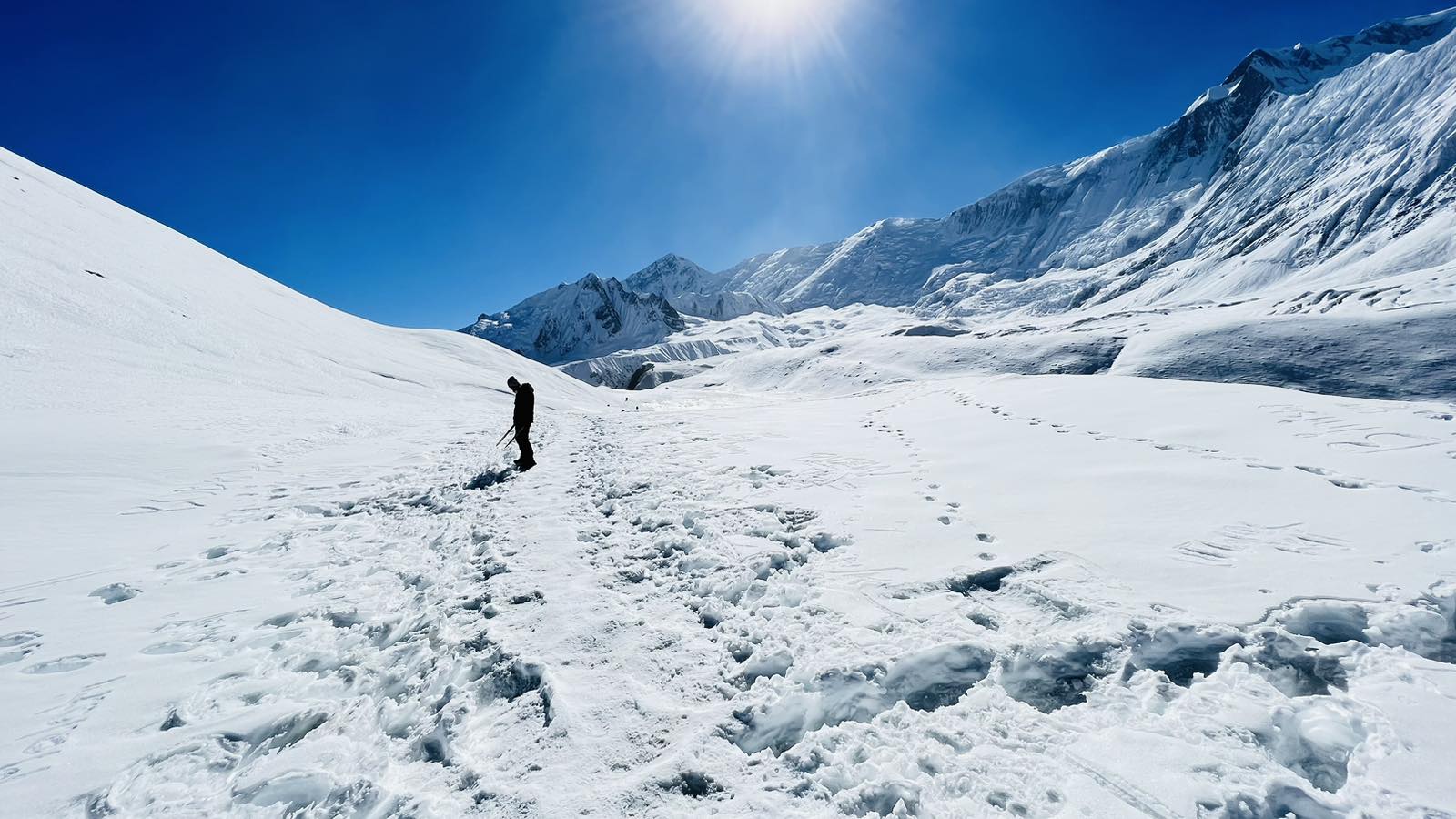
The section is generally encountered during the final morning hike from Tilicho Base Camp to Tilicho Lake. Trekkers repeatedly follow the visible zigzagging trail, gaining altitude with every turn. Loose stones, snow, strong wind and freezing temperatures may make the climb more difficult depending on the season.
Facts About 22 Ghumti Tilicho
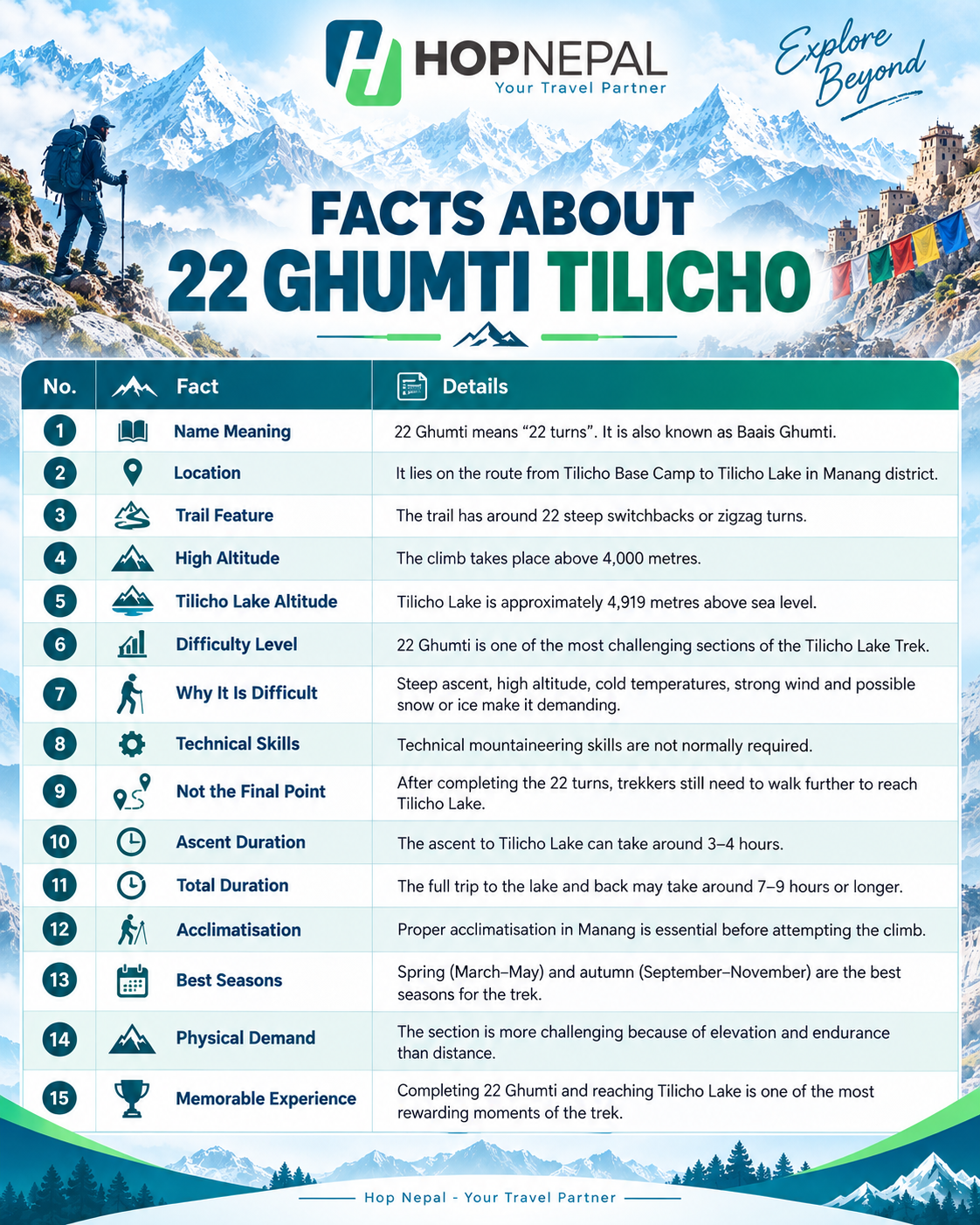
- 22 Ghumti means “22 turns”.
- It is also known as Baais Ghumti.
- It lies on the route from Tilicho Base Camp to Tilicho Lake.
- The trail has around 22 steep switchbacks.
- The climb takes place above 4,000 metres.
- Tilicho Lake is approximately 4,919 metres above sea level.
- 22 Ghumti is one of the most challenging sections of the Tilicho Lake Trek.
- The difficulty comes from steep ascent, altitude, cold, wind and possible snow or ice.
- Technical mountaineering skills are not normally required.
- Trekkers still need to walk further after completing the 22 turns to reach Tilicho Lake.
- The ascent to the lake can take around 3–4 hours.
- The full trip to the lake and back may take around 7–9 hours or longer.
- Proper acclimatisation is important before attempting the climb.
- Spring and autumn are generally the best seasons for the trek.
- The section is more challenging because of elevation and endurance than it is because of distance.
Where Is 22 Ghumti Located?
The 22 Ghumti trail is located in the high-altitude landscape above Tilicho Base Camp in Manang district. It forms part of the standard trekking route leading towards Tilicho Lake.
The common Tilicho trekking route passes through:
Manang - Khangsar - Shree Kharka - Tilicho Base Camp - 22 Ghumti - Tilicho Lake
Most trekkers first reach Manang while following part of the Annapurna Circuit. After spending sufficient time acclimatising in Manang, they continue towards Khangsar and Shree Kharka before reaching Tilicho Base Camp.
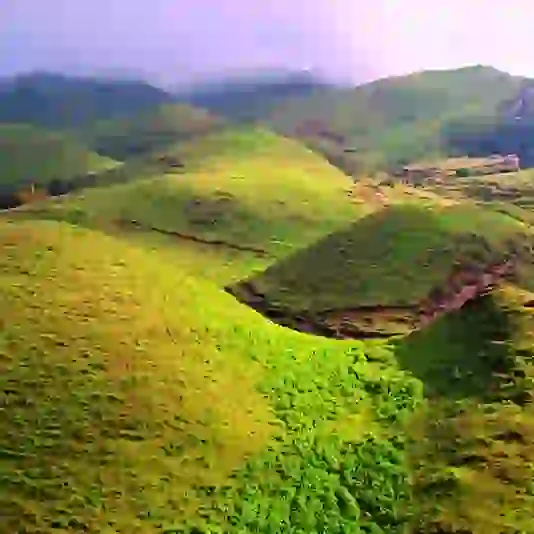
The section between Shree Kharka and Tilicho Base Camp includes barren slopes, narrow paths, and areas with loose rock. The landscape becomes increasingly rugged as green vegetation gives way to exposed Himalayan terrain.
Why Is 22 Ghumti Considered Difficult?
The 22 Ghumti climb does not require technical mountaineering skills under normal trail conditions. However, several factors make it one of the most demanding parts of the Tilicho Lake trek.
High Altitude
Tilicho Base Camp is situated at approximately 4,150-4,160 metres, while Tilicho Lake is at about 4,919 metres. Trekkers therefore gain roughly 750 metres of elevation during the final approach.
At this altitude, reduced oxygen can make even a slow climb feel exhausting. Breathing becomes heavier, the heart works harder, and frequent rest breaks may be necessary.
Continuous Uphill Trail
The repeated switchbacks create a sustained climb with limited flat ground. Seeing the turns continue above can also be mentally challenging, particularly when the body is already tired from previous days of trekking.
The best approach is to avoid counting every remaining bend. Maintain a steady pace, take short breaks and focus on one section of the trail at a time.
Cold and Wind
Most trekkers begin before sunrise when temperatures are extremely low. Strong winds may develop as the morning progresses, especially across exposed sections near the lake. Warm gloves, layered clothing, a windproof jacket and suitable head protection are essential.
Snow, Ice and Loose Stones
Trail conditions vary by season. Early spring, late autumn and winter may bring snow or ice, while exposed sections can contain loose gravel and rocks.
Trekking poles and footwear with reliable grip can provide additional stability. Microspikes may be necessary when the trail is icy, but their use should depend on current conditions and guidance from an experienced trek leader.
Long Trekking Day
The hike does not end after reaching the lake. Trekkers must descend back to Tilicho Base Camp and may continue towards Shree Kharka on the same day.
Depending on fitness, acclimatisation, weather and trail conditions, the ascent can take approximately three to four hours. The complete trip to the lake and back may take seven to nine hours or longer.
The Journey from Tilicho Base Camp to 22 Ghumti
The hike to Tilicho Lake usually begins very early in the morning. Trekkers wake before sunrise, eat a light breakfast and prepare their headlamps, warm clothing, water and essential equipment. Starting early offers several advantages. Morning weather is often calmer, the snow may remain firmer, and trekkers have more daylight available for the return journey.
The first part of the trail climbs gradually above the base camp. Headlamps illuminate the path while the surrounding mountains remain hidden in darkness. As daylight begins to appear, the barren slopes, snowfields and surrounding Himalayan peaks slowly become visible.
The trail then reaches the famous 22 Ghumti section.
Climbing the 22 Turns
The 22 turns are cut into a steep mountainside and can be seen zigzagging upwards. Each bend offers a brief opportunity to slow down, control breathing, and look out across the surrounding landscape.
At this altitude, speed is not the objective. A slow, steady rhythm is safer and usually more effective than walking quickly and stopping for long periods.
Trekkers should:
- Walk at a comfortable and sustainable pace.
- Follow the footsteps of the guide or lead trekker.
- Avoid overtaking on narrow sections.
- Stay on the marked trail.
- Keep a safe distance from other trekkers.
- Avoid standing below unstable rocks.
- Inform the guide immediately of any headaches, nausea, or dizziness.
The climb becomes increasingly rewarding as the views open towards the surrounding mountains. After completing the switchbacks, trekkers continue across the upper terrain towards Tilicho Lake.
Reaching Tilicho Lake After 22 Ghumti
Completing 22 Ghumti does not mean the lake is immediately beside the trail. Trekkers must continue across high-altitude ground that may include rocky sections, gradual climbs and snow-covered areas.
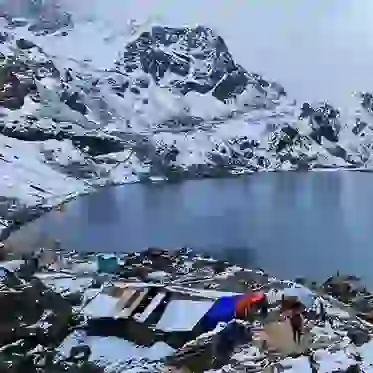
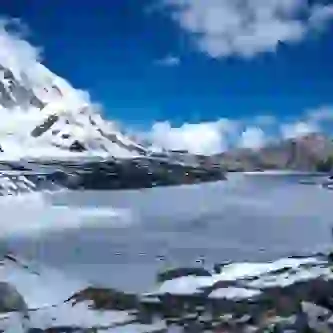
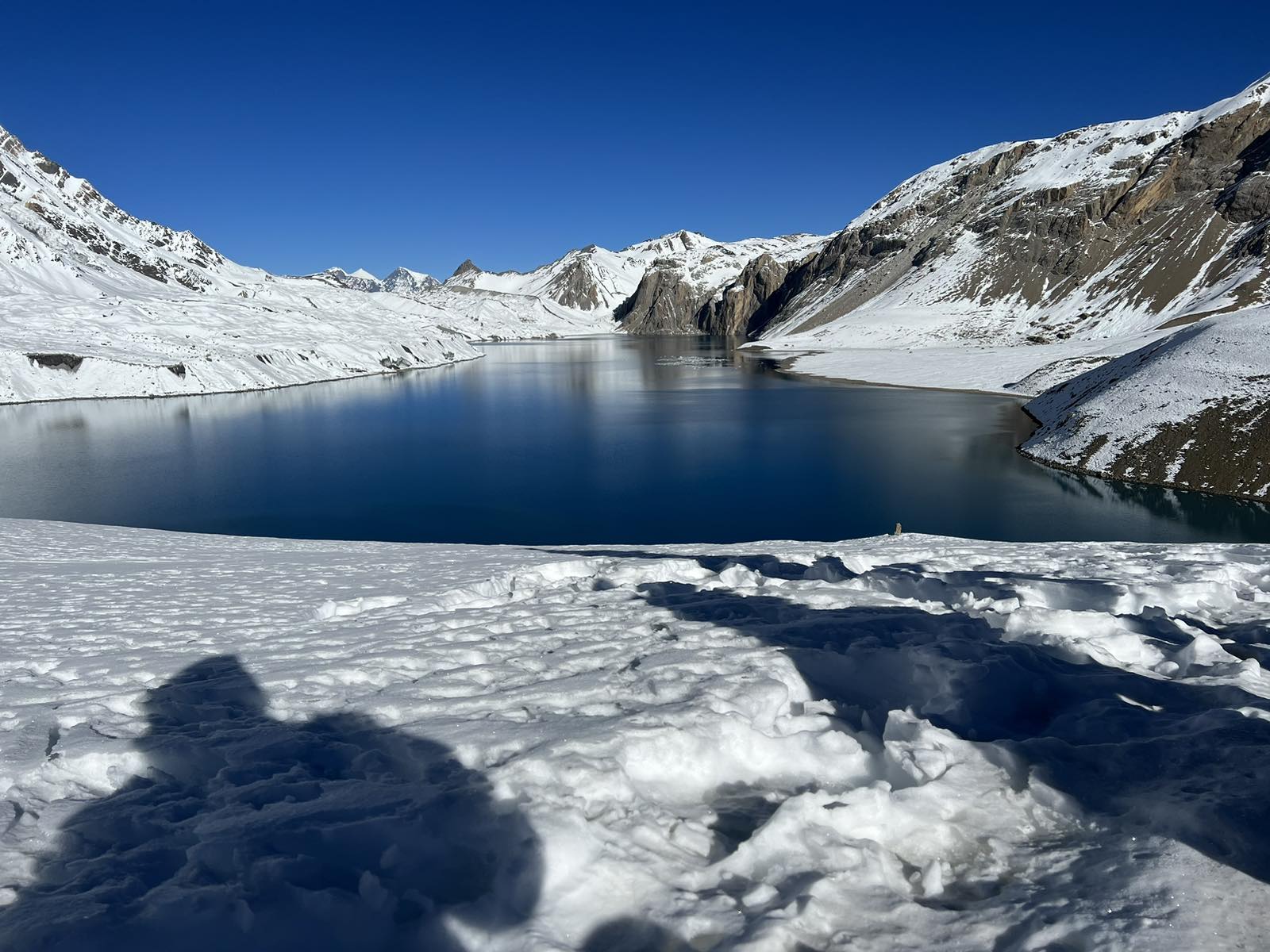
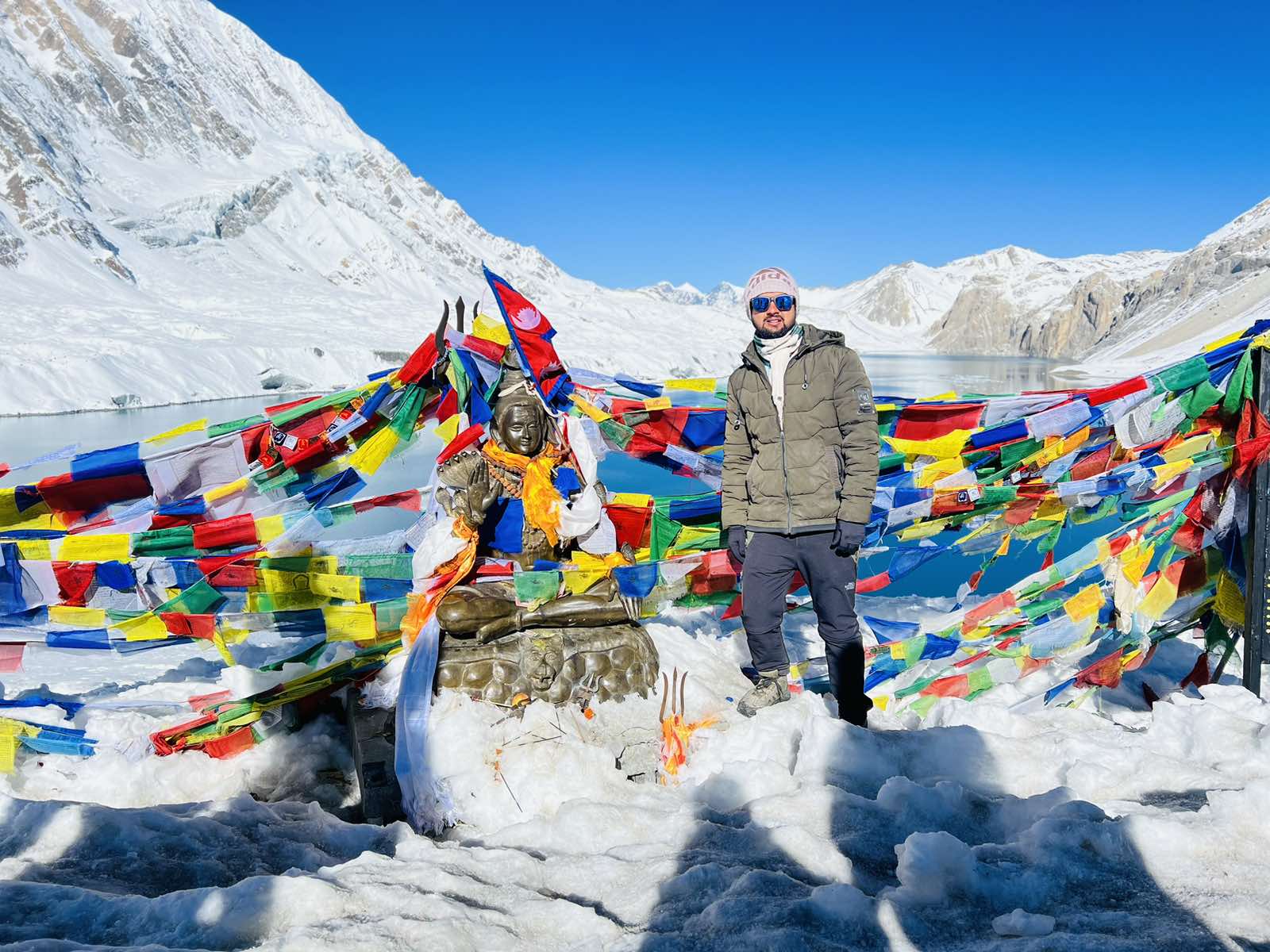
Eventually, the landscape opens to reveal the deep blue waters of Tilicho Lake surrounded by snow-covered ridges and towering Himalayan mountains.
The contrast between the lake, barren slopes and white peaks creates one of the most dramatic views in the Annapurna region. Peaks and mountain formations around the wider area include Tilicho Peak, Ganagapurna, Khangsar Kang and sections of the Annapurna and Nilgiri ranges.
Reaching the lake after climbing 22 Ghumti provides a strong sense of accomplishment. However, trekkers must remember that the descent requires continued attention and energy.
How Difficult Is 22 Ghumti on the Tilicho Lake Trek?
The overall Tilicho Lake trek is generally classified as a moderate-to-challenging high-altitude trek. The difficulty depends on the selected itinerary, starting point, physical condition, acclimatisation schedule and seasonal trail conditions.
The 22 Ghumti section itself is challenging because of the steep climb and high elevation rather than its distance.
Trekkers with regular hiking experience and good cardiovascular fitness are better prepared for the journey. Beginners can also complete the trek when they train properly, follow a gradual itinerary and travel with experienced support.
The route should not be treated as a quick road trip followed by a short hike. Travelling too quickly to Manang and immediately attempting to reach Tilicho Lake significantly increases the risk of altitude-related illness.
Altitude Sickness on the Tilicho Lake Trek
Acute Mountain Sickness can affect anyone travelling rapidly above 3,000 metres, regardless of age or physical fitness. Common early symptoms include headache, unusual tiredness, dizziness, nausea, reduced appetite and difficulty sleeping.
Trekkers experiencing worsening symptoms should not continue ascending. Serious altitude illness can become life-threatening without proper treatment and descent.
Nepal Tourism Board advises high-altitude trekkers to learn about Acute Mountain Sickness, avoid alcohol above 3,000 metres, remain on recognised routes and trek in groups rather than alone.
Important precautions include:
- Spend sufficient time acclimatising in Manang.
- Increase elevation gradually.
- Drink enough water and warm fluids.
- Avoid alcohol and smoking.
- Eat regular meals even when appetite decreases.
- Communicate symptoms honestly with the guide.
- Never ascend with worsening altitude symptoms.
- Descend when advised by the guide or medical professional.
Best Time to Visit 22 Ghumti and Tilicho Lake
The most suitable seasons for trekking to Tilicho Lake are generally spring and autumn.
Spring: March to May
Spring brings gradually warmer daytime temperatures, longer daylight hours and good mountain visibility. Snow may still remain around the 22 Ghumti section, particularly during early spring.
The exact conditions depend on the previous winter’s snowfall.
Autumn: September to November
Autumn is one of the most popular seasons for the Tilicho Lake trek. After the monsoon, skies are often clearer and Himalayan visibility is excellent.
October and early November normally attract many trekkers, so accommodation at Tilicho Base Camp can fill quickly.
Nepal Tourism Board identifies March to May and September to November as the preferred trekking seasons for the Annapurna Conservation Area.
Winter: December to February
Winter may bring extreme cold, heavy snowfall, icy trails and temporary closures. Attempting the trek during this period requires specialised preparation, proper trekking equipment and reliable information about current trail conditions.
Monsoon: June to Early September
Rainfall can affect the lower approach roads and trails, while clouds may reduce visibility. Loose slopes and landslide-prone sections can become more dangerous during unstable weather.
Although Manang lies partly within a rain shadow, the journey to the district may still be affected by monsoon conditions.
Accommodation and Food on the Route
Teahouses and mountain lodges are available in Manang, Khangsar, Shree Kharka and Tilicho Base Camp. Facilities become increasingly basic as trekkers move higher.
Rooms at Tilicho Base Camp usually provide simple beds and blankets. Toilets may be shared, and hot showers, device charging and internet access may be available at an additional cost.
The number of lodges is limited, especially during busy trekking seasons. Booking through a local trekking company can make accommodation arrangements easier.
Typical food choices include:
- Dal bhat
- Noodles
- Fried rice
- Soups
- Potatoes
- Pasta
- Momos
- Eggs
- Tea, coffee and hot lemon
Fresh ingredients become more limited at higher elevations because supplies must be transported through difficult mountain terrain.
Permits Required for the Tilicho Lake Trek
Tilicho Lake lies inside the Annapurna Conservation Area. NTNC's electronic permit system specifically lists the Tilicho Tal Trek under the Annapurna Conservation Area Project (ACAP).
International travellers therefore need the applicable ACAP entry permit. Depending on the exact route and itinerary, a TIMS card and licensed trekking guide may also be required. Nepal Tourism Board lists the Annapurna Circuit and Mesokanto–Tilicho Pass routes under revised TIMS and guide provisions.
Permit fees and trekking regulations can change. Travellers should confirm the latest requirements through a registered trekking agency before departure.
Responsible Trekking Around Tilicho Lake
Tilicho Lake is located within a fragile high-altitude environment where waste decomposes extremely slowly.
A scientific study published in 2026 detected microplastics in the surface water of Tilicho Lake and found higher concentrations near areas more accessible to visitors. The researchers identified tourism-related plastic waste and synthetic trekking materials as likely contributors.
Every trekker should carry reusable bottles, avoid unnecessary packaging and bring all non-biodegradable waste back to a proper collection point.
Do not throw prayer flags, plastic wrappers, bottles or food packaging around the lake. Visitors should also avoid washing with soap, shampoo or other chemicals near natural water sources.
Is 22 Ghumti Worth the Climb?
Yes, for properly prepared trekkers, 22 Ghumti is one of the most rewarding sections of the Tilicho Lake journey.
The climb tests endurance, patience and mental determination. Every turn brings trekkers closer to one of Nepal’s most remarkable high-altitude landscapes.
More importantly, the experience is not only about reaching the lake. The early-morning silence, changing mountain light, challenging switchbacks and support shared between trekkers all become part of the memory.
The difficulty of 22 Ghumti makes the first view of Tilicho Lake even more meaningful.
Plan Your Tilicho Lake Trek with Hop Nepal
The journey through Manang, Khangsar, Tilicho Base Camp and 22 Ghumti is an unforgettable Himalayan adventure. However, the route requires proper acclimatisation, reliable logistics, suitable equipment and experienced guidance.
Hop Nepal can help arrange a carefully planned Tilicho Lake trekking itinerary, including transport, accommodation, permits, professional trekking guides and on-trail support.
Travel slowly, respect the mountains, and prepare properly for the challenging 22 turns leading to the magnificent Tilicho Lake.
Contact Hop Nepal to plan your Tilicho Lake trek and experience 22 Ghumti with a trusted local team.
Frequently Asked Questions About 22 Ghumti Tilicho
1. What does 22 Ghumti mean?
22 Ghumti, or Baais Ghumti, means 22 bends or turns. It refers to the steep switchback section encountered during the final ascent from Tilicho Base Camp towards Tilicho Lake.
2. Is 22 Ghumti the hardest part of the Tilicho trek?
Many trekkers consider it the most physically demanding part of the final lake ascent because of its steep gradient, repetitive turns and high elevation. The exposed trail between Shree Kharka and Tilicho Base Camp can also be challenging.
3. What is the altitude of Tilicho Lake?
Tilicho Lake is situated at approximately 4,919 metres above sea level in Manang district.
4. Can beginners climb 22 Ghumti?
Beginners with good physical fitness, appropriate training and sufficient acclimatisation can complete it. Travelling with an experienced guide and following a gradual itinerary are strongly recommended.
5. Is Tilicho Lake the highest lake in the world?
Tilicho has frequently been promoted using that title, but the more accurate description is that it is one of the world’s highest large freshwater or glacier-fed lakes.
6. Why is it called 22 Ghumti?
In Nepali, "Baais" means twenty-two and "Ghumti" refers to a bend or turn. The name comes from the series of approximately 22 switchbacks that zigzag up the steep mountainside.
7. Do I reach Tilicho Lake immediately after completing 22 Ghumti?
No. Completing the 22 switchbacks does not mean you have reached the lake. Trekkers must continue across additional high-altitude terrain before the final approach to Tilicho Lake.
8. Do I need a guide for 22 Ghumti?
Travelling with an experienced trekking guide is strongly recommended. A guide can assess trail conditions, weather, altitude symptoms and potential hazards while helping trekkers maintain an appropriate walking pace.