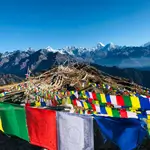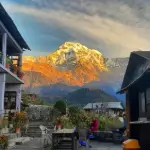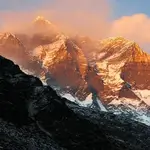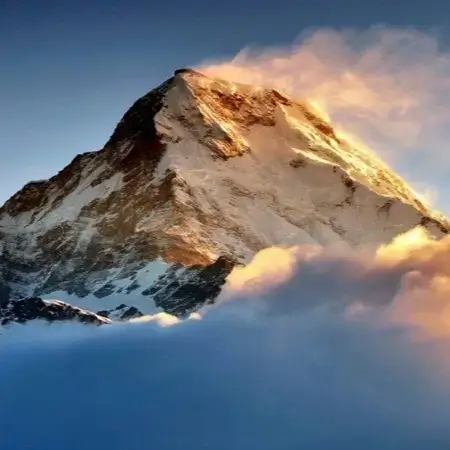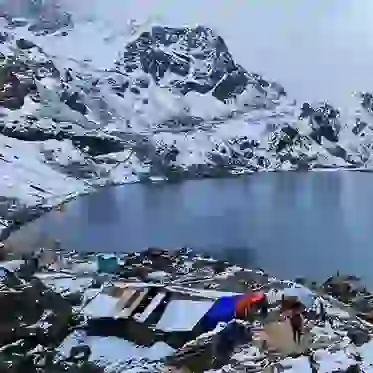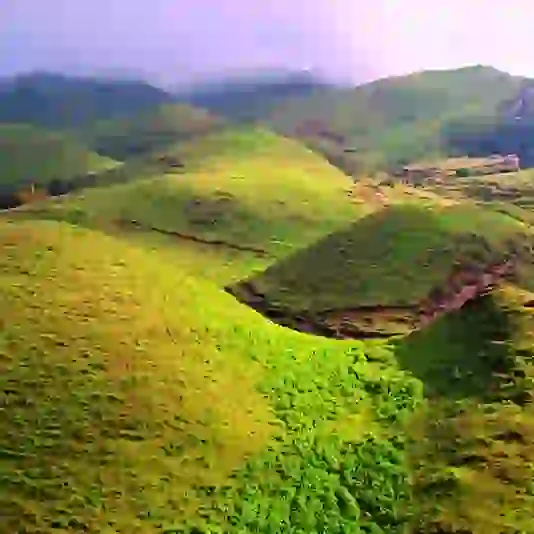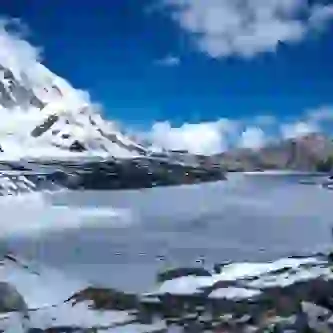

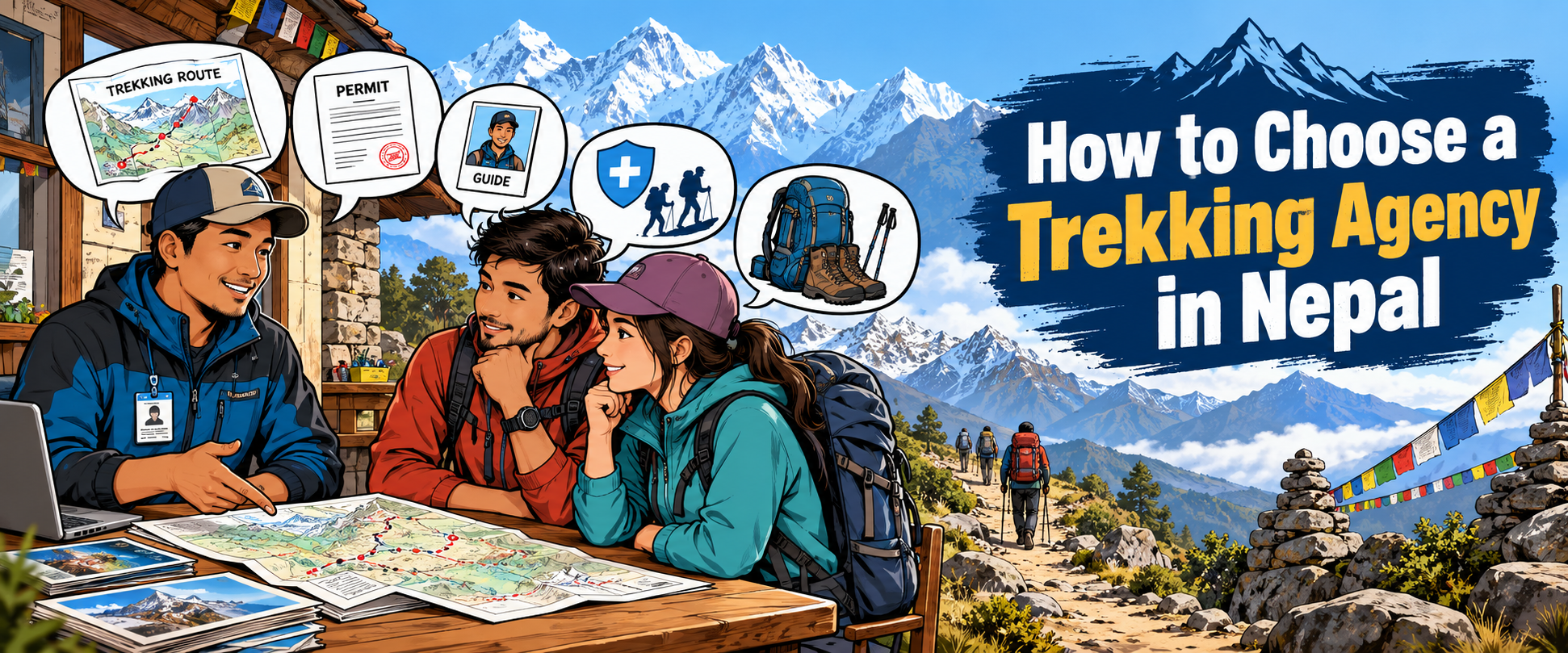
Trekking is becoming more popular among Nepali travellers every year. Annapurna Base Camp, Mardi Himal, Tilicho, Manang, Mustang, Gosaikunda, Langtang and Everest Base Camp are no longer destinations visited only by foreigners.
More Nepali students, office groups, families and groups of friends are heading towards the mountains. And that is a very good thing.
But one thing we often notice is that the first question many people ask is: “Package kati ho?”
Price matters. We understand that. But when you are travelling to 3,000, 4,000 or even 5,000 metres, price should not be the only thing you check.
Saving NPR 500, NPR 1,000 or NPR 2,000 sounds good while booking. But what exactly are you saving that money on? That is the important question.
1. First, Check Who You Are Booking With
Today, anyone can create a Facebook page, upload a mountain photo, add a price and start taking bookings.
Before paying, check whether the company is actually registered and authorised to operate trekking services.
- Check the legal company name.
- Check whether it has a real office and working contact details.
- Ask whether it holds a valid trekking agency licence.
- Check recent customer reviews and previous trekking work.
- Make sure you receive a proper receipt or booking confirmation after payment.
A large social media following does not automatically mean a company is legally operating. The difference normally becomes clear when bad weather, illness, transport problems or an emergency occurs.
2. What About Trekking Permits for Nepali People?
You often hear: “Nepali lai permit chaidaina.” That is not completely correct.
Nepali citizens pay much lower entry fees than foreign visitors in many national parks and conservation areas, and in many popular trekking areas, the domestic entry fee is around NPR 100 per person.
A small fee does not mean there is no entry requirement.
Mardi Himal lies inside the Annapurna Conservation Area. Read our Mardi Himal trek permit guide. If you are planning a Gosaikunda trek, see our Gosaikunda trek permit guide.
Rules can also differ for conservation areas, national parks, and restricted regions such as the Manaslu Circuit. A responsible trekking company should know what applies to your route.
3. “We Are Nepali. Why Do We Need Trekking Insurance?”
Think about your last trek. Before leaving Kathmandu or Pokhara, did anyone ask you: “Tapai ko trekking insurance cha?”
For many Nepali trekkers, the answer is no. Insurance is often discussed with international trekkers but completely ignored for domestic groups.
But the mountain does not care about nationality. Altitude sickness, falls, sudden weather changes, landslides and other emergencies can affect anyone.
4. Trekking Deaths: What the Available Data Shows
Nepal does not have a single public database that combines all trekking deaths across all routes. Records are spread between conservation areas, police districts, national parks and other authorities.
However, the regional figures and recent incidents already show why preparation matters.
Annapurna Region
In fiscal year 2025/26, the Annapurna Conservation Area Project reported 25 deaths linked to altitude sickness. Twelve of those who died were Nepali. Five additional deaths were reported from falls and other trekking or mountain-related accidents.
The reported altitude-related deaths were spread across popular areas including Mustang, Manang, Annapurna Base Camp and Mardi Himal.
If you are planning a wider Annapurna region trip, our Annapurna Circuit Trek page also explains high-altitude preparation, rescue considerations, and insurance requirements.
Mustang and Muktinath
Mustang deserves special attention because many Nepali travellers do not consider a Muktinath trip a serious high-altitude journey. But Muktinath is around 3,700 metres, and modern road access means people can gain altitude very quickly.
Police records reported roughly 59 altitude-sickness deaths in Mustang over about five years, including 16 Nepali citizens.
Manang and Thorong La
Manang is another place Nepali travellers increasingly visit by jeep, bike or on foot. Thorong La reaches 5,416 metres. The body still needs time to acclimatise, even if transport speeds up the journey.
Mardi Himal
Mardi Himal is often described as a short trek, but High Camp is still around 3,500 metres, and the upper viewpoint is higher. Short does not mean risk-free. See our Mardi Himal permit guide before travelling.
Everest Base Camp
Everest Base Camp sits at around 5,364 metres. You do not need to be attempting the summit of Everest to experience serious altitude problems in the Khumbu region.
A proper Everest Base Camp trek should allow enough time for acclimatisation. See our 12-day Everest Base Camp itinerary for an example of a paced route.
Langtang and Gosaikunda
Langtang and Gosaikunda are popular with Nepali trekkers, in part because they are close to Kathmandu. That convenience can make people underestimate the route.
See our Langtang Valley Trek and Gosaikunda permit guide.
5. We Are Not Saying Trekking Is Dangerous
Thousands of people complete Nepal's trekking routes safely every year and come home with great memories. The point is not to make people afraid of trekking. The point is to understand the difference between a reasonable risk with proper preparation and an unnecessary risk taken just to save a small amount of money.
6. What If You Need a Helicopter Rescue?
Suppose you become seriously sick above 4,000 metres. Walking down is no longer safe, there is no nearby road, and an emergency helicopter evacuation is recommended. Who pays?
Mountain helicopter rescue can cost thousands of US dollars depending on the location, weather, flight time and rescue situation. Hospital treatment may be additional. Without suitable insurance, those costs may fall on you or your family.
7. Do Not Just Buy Any Insurance
Buying a policy does not automatically mean your trek is covered. Ask the insurer specific questions before you pay.
- What is the maximum trekking altitude covered by the policy?
- Does it cover emergency helicopter evacuation?
- Does it cover accidental injury and hospital treatment?
- Does it cover search and rescue?
- Does it cover accidental death?
- Is trekking treated as an adventure activity under the policy?
- What exclusions apply to altitude, weather or pre-existing medical conditions?
Do not simply ask, “Insurance cha?” Ask, “Mero trek ko maximum altitude yo ho. Yo altitude ra helicopter evacuation cover huncha?”
8. Insurance Cannot Replace a Life
No insurance payment can replace a loved one. But if a person supporting a family dies or suffers a serious accident, eligible insurance benefits may reduce the financial pressure left behind. Whether a claim is paid depends on the policy terms and the circumstances.
9. How Much Are Nepali Trekkers Losing Because They Are Uninsured?
There is no reliable national public figure that tells us how much Nepali trekkers collectively spend every year because they travelled without suitable insurance.
What we do know is that emergency evacuation can cost several lakhs of rupees and medical treatment can add more. If the situation is not covered by insurance, the traveller or family may have to pay.
10. Now Let’s Talk About Very Cheap Trekking Packages
Seeing the same trek advertised NPR 2,000 cheaper somewhere else naturally gets attention. But before choosing the lower price, look at what has actually been removed or reduced.
- Transport
- Accommodation
- Breakfast, lunch and dinner
- Guide wages
- Guide food and accommodation
- Entry fees or permits where applicable
- Company coordination
- Emergency support
- Communication and contingency planning
All of these things cost money. At higher elevations, food and supplies usually become more expensive because everything has to be transported there.
11. Cheap Does Not Automatically Mean Bad
A low-priced company is not automatically unsafe, and an expensive company is not automatically good. The better question is: “What exactly am I getting for what I am paying?”
12. Compare Trekking Packages Properly
Imagine Company A offers the trek for NPR 18,000 and Company B asks NPR 20,000. Ask both companies the same questions:
- What vehicle are you using?
- What meals are included?
- Is there a food allowance or menu limit?
- Where are we staying?
- Who is the guide?
- Has the guide completed this route before?
- How many trekkers will one guide handle?
- Are entry fees and permits included where required?
- What happens if someone gets altitude sickness?
- What happens if the weather changes?
- What happens if the itinerary requires an extra day?
- What expenses are not included in the advertised price?
13. Food Should Not Be Where Everything Gets Cut
Trekking requires energy. You may be walking for five, six or eight hours in a day. There is nothing wrong with eating instant noodles occasionally, but your whole trekking diet should not be based on the cheapest possible food.
You need enough carbohydrates, protein, fats, fluids and other nutrients for the physical activity you are doing.
14. Hygiene Matters Too
Food poisoning or stomach illness is unpleasant anywhere. On a remote trail it can become a much bigger problem because vomiting or diarrhoea can leave you dehydrated and weak.
15. A Good Guide Does More Than Show You the Trail
- Understand the route and daily itinerary.
- Watch the group's pace and condition.
- Recognise common warning signs of altitude sickness.
- Monitor local weather and trail conditions.
- Coordinate accommodation and transport.
- Know when a plan needs to change.
- Be willing to stop the ascent or turn back when continuing is not sensible.
Sometimes the most important thing a guide can say is: “Aaja mathi janu hudaina.”
The goal is not only to reach Base Camp. The goal is to reach your destination and come home safely.
16. What Should You Ask Before Booking a Trek?
- Is your trekking company properly licensed?
- What exactly is included in this package?
- What is not included?
- Who will be our guide?
- Has the guide done this route before?
- How many people will be in the group?
- What food will we receive?
- What kind of accommodation will we use?
- Are required permits or entry fees included?
- What is the plan if someone develops altitude sickness?
- What is your emergency procedure?
- Should we have trekking insurance for this route?
- What altitude should our insurance cover?
- Does the itinerary allow enough time for acclimatisation?
- What happens if bad weather changes the itinerary?
Saving Money Is Good. Saving Money at the Cost of Safety Is Not.
We know the value of NPR 500 and NPR 1,000, and we understand why people compare package prices before booking. You should compare. You should ask questions. You should look for good value.
But do not sacrifice food, health, insurance, guide quality or basic preparation just to reduce the price by a few hundred or a few thousand rupees.
Take an extra day if you need it. Eat properly. Drink enough water. Use an experienced guide when the route requires one. Consider appropriate insurance for high-altitude trips. Choose a genuine trekking company.
Explore Nepal. Trek responsibly.
Hop Nepal – Your Travel Partner