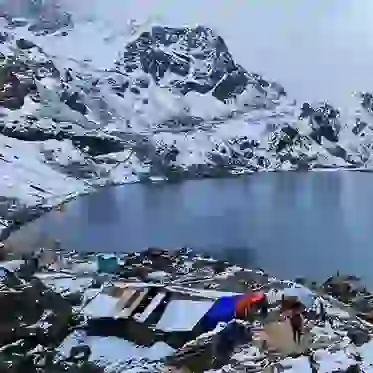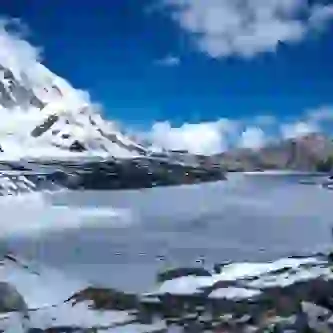

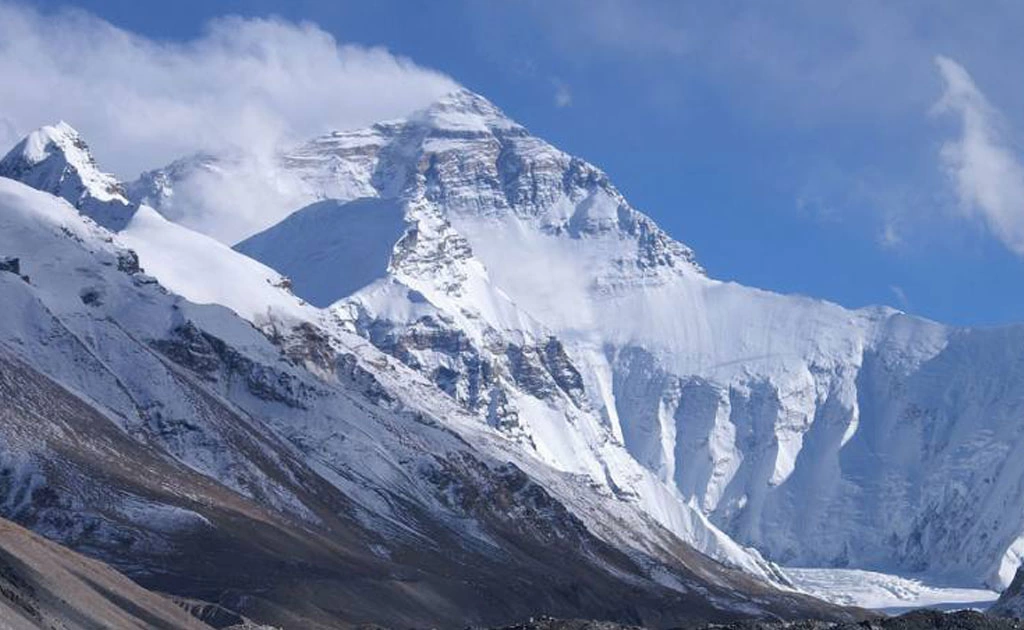
Standing at the foot of the world's highest mountain is a dream that pulls thousands of adventurers to Nepal every year. The Everest Base Camp trek represents one of those rare journeys that actually lives up to the hype, offering jaw-dropping Himalayan views, fascinating Sherpa culture, and that incredible feeling of accomplishment when you finally reach 5,364 meters.
This 12-day Everest Base Camp trek itinerary gives you the perfect balance. You'll have enough time to acclimatize properly (crucial for avoiding altitude sickness), experience the region's culture without rushing, and still complete the journey in under two weeks. Whether you're an office worker with limited vacation time or simply prefer a well-paced adventure, this schedule works beautifully.
Why Choose a 12-Day Everest Base Camp Trek?
Let's be honest: you could technically reach EBC in 10 days or stretch it to 16. So why is 12 days the sweet spot?
First, acclimatization. Your body needs time to adjust to decreasing oxygen levels as you climb higher. Rush the process and you risk altitude sickness, which can ruin your trek or worse. This 12-day plan includes two crucial rest days at Namche Bazaar and Dingboche, allowing your body to produce more red blood cells and adapt naturally.
Second, enjoyment. When you're not gasping for breath and fighting headaches, you actually appreciate the stunning monasteries, chat with locals over butter tea, and soak in those mountain sunrises. The 12-day pace means you walk 5 to 6 hours daily rather than pushing brutal 8-hour slogs.
This EBC trek difficulty level suits moderately fit people who exercise regularly. You don't need to be a marathon runner, but you should comfortably walk uphill for several hours. Previous hiking experience helps, though it's not mandatory. What matters more is mental preparation and respecting the altitude.
The 12-day EBC trek plan works brilliantly for people with two weeks of vacation, those doing their first Himalayan trek, groups wanting quality time together rather than constant exhaustion, and anyone who values experience over speed.
Best Time to Do the 12-Day EBC Trek
Timing makes or breaks your Everest experience. Pick the wrong season and you'll battle monsoon rains or subzero temperatures.
Spring (March to May)
The weather stabilizes after winter, rhododendrons burst into bloom painting hillsides pink and red, and temperatures hover comfortably between 10 and 15 degrees Celsius during the day. You'll share the trail with more trekkers, but the stunning conditions make it worth it. April offers the absolute sweet spot with clear skies and manageable crowds.
Autumn (September to November)
Post-monsoon clarity means razor-sharp mountain views, cool but pleasant temperatures, and that crisp mountain air that makes every breath feel pure. October sees peak traffic, so book accommodations in advance. November brings colder nights but fewer crowds.
Winter (December to February)
Temperatures plummet to minus 20 degrees Celsius at night, tea houses close at higher elevations, and snow blocks some passes. However, if you bundle up properly and can handle the cold, you'll have the trail nearly to yourself with crystalline visibility.
Monsoon (June to August)
Heavy rains make trails slippery, leeches appear everywhere, clouds obscure mountain views, and landslides pose real dangers. Save yourself the misery.
For your 12-day plan, book for late March through May or late September through early November. These windows give you reliable weather, open tea houses, and the best season for EBC trek conditions.
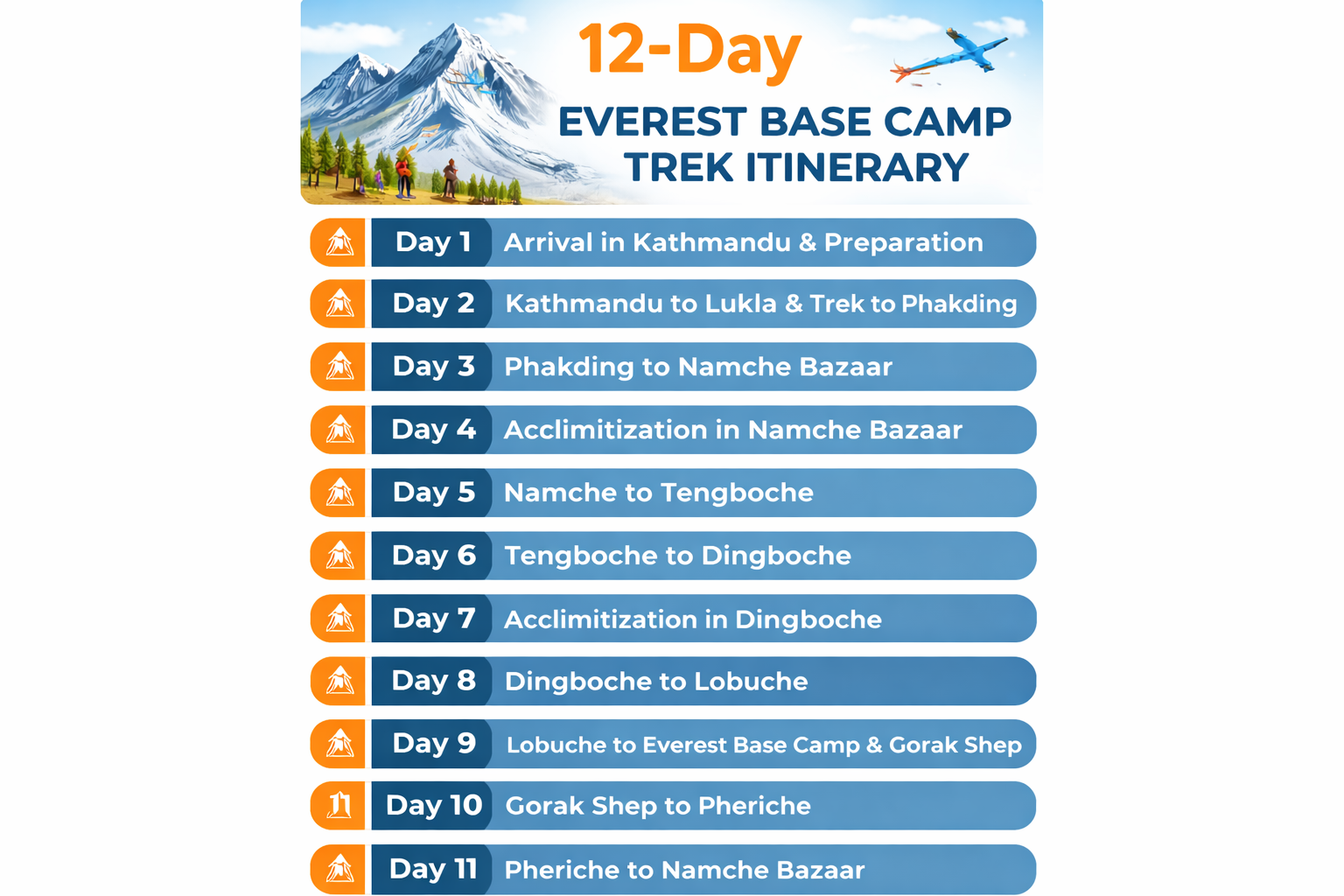
Day-by-Day 12-Day Everest Base Camp Trek Itinerary
- Day 1: Arrival in Kathmandu & Preparation
- Day 2: Kathmandu to Lukla & Trek to Phakding
- Day 3: Phakding to Namche Bazaar
- Day 4: Acclimatization in Namche Bazaar
- Day 5: Namche to Tengboche
- Day 6: Tengboche to Dingboche
- Day 7: Acclimatization in Dingboche
- Day 8: Dingboche to Lobuche
- Day 9: Lobuche to Everest Base Camp & Gorak Shep
- Day 10: Gorak Shep to Pheriche
- Day 11: Pheriche to Namche Bazaar
- Day 12: Namche Bazaar to Lukla & Fly Back to Kathmandu
Itinerary in Detail
Day 1: Arrival in Kathmandu & Preparation
Your adventure starts in chaotic, colorful Kathmandu. After clearing customs at Tribhuvan International Airport, your agency rep will meet you and transfer you to a hotel in Thamel, the tourist hub.
Spend today sorting logistics. Head to the Nepal Tourism Board office for your TIMS card and Sagarmatha National Park permit. Your agency usually handles this, but double-check everything matches your passport exactly. One spelling mistake causes headaches at checkpoints.
Gear check time. Walk through Thamel's outdoor shops and rent anything you're missing. Quality sleeping bags cost around 300 rupees daily, down jackets about 200 rupees, and trekking poles 100 rupees. Don't cheap out on boots, though; blisters at altitude are miserable.
Grab dinner at one of Thamel's excellent restaurants. OR2K serves fantastic Middle Eastern food, while Himalayan Java does proper coffee if you need a caffeine fix. Get to bed early because tomorrow starts ridiculously early.
Day 2: Kathmandu to Lukla & Trek to Phakding
Wake-up call comes around 4 AM for your flight to Lukla. Yes, it's brutal, but flights only operate in the morning when the winds are calm. The 35-minute flight on a Twin Otter aircraft counts as an adventure itself. You'll fly between mountains to land on what's been called the world's most dangerous airport, though safety has improved dramatically.
Once in Lukla at 2,860 meters, you meet your porter and guide. They'll reorganize your duffel bag, keeping your daypack with essentials for the day. The trek to Phakding takes about 3 hours, mostly downhill through pine forests along the Dudh Koshi River.
This first day eases you in gently. The trail stays relatively flat, passing through several small villages where kids wave and yell "Namaste!" Your legs will feel fine, though jet lag might hit. Push through it.
Phakding sits at 2,610 meters with several comfortable tea houses. The rooms are basic (bed, blanket, shared bathroom) but clean. Dinner happens around 7 PM with other trekkers in the communal dining room heated by a yak-dung stove. Everyone compares their Day 1 experiences over dal bhat, Nepal's staple rice and lentil meal.
Day 3: Phakding to Namche Bazaar
Today tests you. The 6-hour trek to Namche Bazaar includes the first serious altitude gain: you'll climb from 2,610 to 3,440 meters. Take it slow.
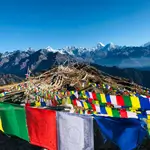
The trail follows the Dudh Koshi river through pine forests, crossing it on dramatic suspension bridges decorated with prayer flags. About two hours in, you'll cross into Sagarmatha National Park at the checkpoint. Have your permits ready.
After the village of Jorsale, the infamous Namche hill begins. Switchback after switchback climbs steeply through rhododendron forests. Your heart pounds, your legs burn, and you question your life choices. This is normal. Walk at a pace where you can still talk (if breathlessly). Stop when needed. The altitude affects everyone differently.
Your first glimpse of Everest peeks through trees near the top. That white pyramid in the distance makes the suffering worthwhile. Namche Bazaar suddenly appears, an amphitheater-shaped town built into the hillside with colorful buildings and satellite dishes.
Check into your tea house and rest. Your head might ache slightly from the altitude. Drink water constantly. Lots of it. Walk around town gently to help acclimatization but avoid strenuous activity. Namche has bakeries, gear shops, Irish pubs (seriously), and even a German bakery serving real coffee and apple strudel.
Day 4: Acclimatization in Namche Bazaar
A rest day doesn't mean a lazy day. Your body acclimatizes better with movement, so plan a short hike.
The classic option climbs to Everest View Hotel at 3,880 meters. The 2-hour uphill trek rewards you with incredible panoramas of Everest, Lhotse, and Ama Dablam. Have tea or coffee at the hotel (pricey but worth it for the view) before descending to Namche for lunch.
Alternatively, visit the nearby villages of Khunde or Khumjung where Edmund Hillary built schools. The Khumjung gompa (monastery) allegedly houses a yeti scalp, though DNA testing revealed it comes from a Himalayan goral. Still fun to see.
Spend the afternoon at the Sherpa Culture Museum learning about mountaineering history and local culture. Browse Namche's Saturday market if your timing works out, where Tibetan traders sell goods hauled over the border.
Tonight you'll feel noticeably better as your body adapts. Sleep quality improves and that slight headache fades. This is acclimatization working its magic.
Day 5: Namche to Tengboche
This 5-hour trek crosses beautiful terrain to reach Tengboche at 3,860 meters, home to the Khumbu region's largest monastery.
Descend from Namche through rhododendron forests (spectacular in April when they bloom), cross the river at Phunki Tenga, then climb steadily to Tengboche. The trail offers constant Ama Dablam views; this mountain's distinctive shape dominates the landscape.
Arrive at Tengboche by afternoon. The monastery sits on a saddle with unobstructed views of Everest, Nuptse, Lhotse, and Ama Dablam. If you time it right, attend the 3 PM prayer ceremony. The deep chanting, butter lamps, and incense create an incredibly moving atmosphere.
Tea houses in Tengboche fill quickly, so arrive early for better room choices. The temperatures drop noticeably here compared to Namche. That down jacket you've been carrying becomes essential evening wear.
Day 6: Tengboche to Dingboche
A 5-hour trek takes you from forests into alpine terrain as you climb to Dingboche at 4,410 meters. Trees disappear, replaced by hardy shrubs and grasses. The landscape becomes stark and beautiful in a different way.
Descend through birch forests to Debuche, cross the Imja river, then climb gradually past Pangboche village. The trail offers stunning Ama Dablam views from its base. Many climbers camp here before attempting its challenging summit.
The vegetation thins as you enter the Imja Valley. Dingboche spreads across fields protected by stone walls built to shield crops from wind and yaks. Barley and potatoes grow surprisingly well at this elevation during short summer months.
Dingboche's tea houses cluster together for protection from fierce winds that rake the valley. Choose lodges with solar-heated showers if cleanliness matters; otherwise, skip showering to avoid getting sick. The altitude makes your body work harder to maintain temperature, so staying warm matters more than staying fresh.
Day 7: Acclimatization in Dingboche
Your second crucial rest day. The altitude here really impacts breathing; you'll notice shortness of breath from simple tasks like tying boots.
The standard acclimatization hike climbs Nagarjun Hill (5,100 meters) directly behind the village. The 3-hour round trip delivers phenomenal 360-degree views: Makalu, Lhotse, and Ama Dablam dominating the scenery. Go slowly. If you feel dizzy or your headache worsens, descend immediately.
Alternative options include hiking toward Chhukung village or just resting if your body demands it. Listen to what your body tells you. Pushing through altitude sickness symptoms leads to serious problems.
Use today to organize your gear. Check your water purification tablets, ensure your down jacket seals properly, and sort out any foot issues before they become major problems. Apply moleskin to any hot spots before they become full blisters.
Tonight's sleep might prove difficult. Many people experience disrupted sleep at altitude thanks to periodic breathing, where you involuntarily pause between breaths. It's disconcerting but normal. Altitude sickness medication like Diamox helps if prescribed by your doctor.
Day 8: Dingboche to Lobuche
Today brings a 5-hour trek across moraine and glacial terrain to Lobuche at 4,940 meters. The landscape becomes truly otherworldly; you've entered the high Himalayas where only the hardiest life survives.
The trail climbs gradually to Duglha, where tea houses serve lunch. Beyond here, a steep memorial hill displays stone cairns honoring climbers who died on Everest. The somber setting reminds you of the mountain's dangers. Take a moment of respect before continuing.
Past the memorials, the trail traverses the lateral moraine of the Khumbu Glacier. Loose rocks make footing tricky, so watch your step. The temperature plummets as you gain altitude. Wind whips across open ground without trees for protection.
Lobuche sits in a desolate, rocky valley with a handful of basic tea houses. This is your last proper overnight stop before base camp. Facilities become more primitive here; expect very cold rooms, possibly shared with other trekkers. Hot meals taste incredible after the cold trek.
Headaches and nausea increase for many trekkers at this elevation. Drink even more water than you think necessary. Most people lose appetite at altitude but force yourself to eat. Your body needs fuel for tomorrow's big push.
Day 9: Lobuche to Everest Base Camp & Gorak Shep
The day you've been building toward. Today involves two major destinations: first reaching Gorak Shep, then pushing on to Everest Base Camp itself.
The 3-hour morning trek from Lobuche to Gorak Shep crosses the Khumbu Glacier's terminal moraine. Sandy, rocky terrain makes each step effortful at 5,164 meters where oxygen levels drop to roughly half of sea level.
Gorak Shep, the last settlement, consists of a few tea houses serving basic meals. Drop your overnight gear here and have lunch. Then make the 2-hour trek to Everest Base Camp at 5,364 meters.
The trail crosses rock and ice to reach the collection of colorful expedition tents during climbing season (spring/autumn). Outside those windows, base camp stands empty except for memorials. You won't see Everest's summit from here; the south ridge blocks views. But standing where climbers begin their summit push creates goosebumps.
Take your photos, absorb the achievement, then return to Gorak Shep. Many people feel overwhelmed by the base camp itself. The journey getting there and the accomplishment matter more than the destination.
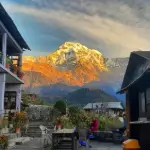
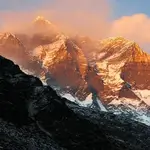
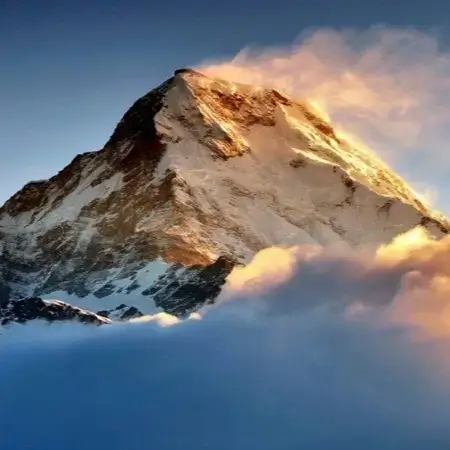
Here's the real secret: wake before dawn the next morning for Kala Patthar. This 5,545-meter viewpoint delivers the best Everest views of the entire trek. Sunrise paints the mountains gold and pink. This makes everything worthwhile.
The predawn climb to Kala Patthar takes about 90 minutes of steep switchbacks. You'll curse the early alarm, but wow. Everest, Nuptse, Pumori, and the entire Khumbu region spread below in perfect clarity. Bring all your warm clothes; the temperature hovers around minus 15 Celsius before sunrise.
Day 10: Gorak Shep to Pheriche
After your Kala Patthar sunrise, descend all the way to Pheriche at 4,371 meters. The 6-hour trek retraces your route past Lobuche and Duglha before dropping into the Pheriche valley.
Descending feels amazing. Suddenly you can breathe properly again, your headache vanishes, and energy returns. Many trekkers practically skip downhill, relieved to escape the oxygen-starved heights.
Pheriche offers slightly better facilities than Lobuche, plus the Himalayan Rescue Association's emergency clinic if anyone needs medical attention. Most people feel remarkably better after dropping this much elevation. Sleep quality improves dramatically.
Celebrate your achievement over dinner. You reached Everest Base Camp and Kala Patthar. Not many people can say that.
Day 11: Pheriche to Namche Bazaar
A long day covering roughly 7 hours back to Namche Bazaar at 3,440 meters. The trail retraces your outbound route through Tengboche, across the suspension bridge, and up the final climb to Namche.
Everything looks different descending. Views you missed on the way up suddenly appear. You move faster, covering in one day what took two ascending. The increased oxygen makes every step easier.
Stop in Tengboche for lunch and a final monastery visit if time allows. The descent through rhododendron forests to the river passes quickly.
Arriving in Namche feels like returning to civilization. Hot showers, bakery treats, and stable wifi make it feel almost cosmopolitan after the sparse high camps. Enjoy a celebratory dinner at one of Namche's restaurants. You've earned it.
Day 12: Namche Bazaar to Lukla & Fly Back to Kathmandu
Your final trekking day drops from Namche to Lukla, roughly 6 hours of mostly downhill walking. The trail reverses Day 2's route through forests along the river.
The kilometers pass quickly as you reflect on the journey. You'll feel fit now, legs strong from days of hiking. Chat with your guides and porters; tip them generously tonight as you part ways.
Lukla's lodges fill with trekkers finishing their journeys, everyone swapping stories over San Miguel beers. The atmosphere buzzes with accomplishment and relief.
Tomorrow morning you'll fly back to Kathmandu (weather permitting), though Lukla flights delay frequently. Build buffer days into your schedule for delayed flights; it happens regularly.
Accommodation & Meals Along the 12-Day Trek
Tea houses line the entire EBC route, eliminating the need for camping. These family-run lodges offer basic rooms with two beds, thin mattresses, pillows, and blankets. Expect shared bathrooms (often squat toilets) and minimal electricity from solar panels.
Lower elevation lodges (Phakding, Namche) provide hot showers for 300 to 500 rupees. Higher up, showers disappear or become prohibitively expensive. Baby wipes become your friend.
The main gathering space is the communal dining room with a central stove burning yak dung for warmth. Trekkers congregate here for meals, charging devices (200 rupees per hour typically), and socializing.
EBC trek accommodation costs remain cheap because tea houses profit from food sales. Room rates run 300 to 500 rupees, sometimes free if you eat there. At higher elevations, expect to pay 500 to 1,000 rupees for rooms as supplies cost more to transport.
Food quality surprises people. Dal bhat (rice, lentils, vegetables, pickle) appears on every menu and offers the best value with free refills. Momos (dumplings), fried rice, noodles, pancakes, and even pizza feature on menus. Stick to cooked foods; avoid raw vegetables and salads.
Prices increase with altitude as everything gets porter-carried or yak-transported from Lukla. A meal costing 500 rupees in Phakding jumps to 800 rupees in Lobuche. Budget accordingly.
Drink only boiled, purified, or bottled water. Most lodges sell boiled water for refilling bottles (50 to 100 rupees per liter) which beats buying plastic bottles. Bring water purification tablets as backup.
Packing List for 12-Day Everest Base Camp Trek
Getting your packing right makes or breaks the experience. Here's what actually matters:
Clothing
Base layers (thermal tops and bottoms) for sleeping and hiking in cold, two trekking pants plus one lightweight for lower elevations, three to four quick-dry t-shirts, one fleece or insulating jacket, one down jacket (essential above 4,000 meters), waterproof and windproof shell jacket (Gore-Tex or similar), warm hat covering ears, sun hat with brim, neck gaiter or buff, and two pairs of gloves (light and insulated).
Footwear
Broken-in waterproof hiking boots (most important item), camp shoes or sandals for tea houses, four to five pairs of hiking socks (wool or synthetic), and sock liners to prevent blisters.
Gear
Sleeping bag rated to minus 15 Celsius, sleeping bag liner for hygiene, trekking poles (massive help on downhills), headlamp with spare batteries, sunglasses with UV protection, water bottles (two 1-liter bottles), water purification tablets, daypack (30 to 40 liters), duffel bag for porter-carried gear, and stuff sacks for organization.
Toiletries & First Aid
Sunscreen (SPF 50 plus), lip balm with SPF, hand sanitizer, wet wipes, toilet paper, toothbrush and toothpaste, medications (personal prescriptions, altitude sickness pills, painkillers, anti-diarrhea, antibiotics), first aid kit (bandages, blister treatment, tape), and towel (quick-dry, compact).
Electronics
Phone with offline maps, camera with spare batteries, power bank (20,000 mAh minimum), charging cables, universal adapter, and headphones.
Documents
Passport with copies, travel insurance details with emergency contacts, permits (TIMS and park entry), passport photos (extra for permits), and cash (US dollars and Nepali rupees).
Skip heavy jeans, cotton clothing (dries slowly), hairdryer (no reliable electricity), excessive clothing changes (you'll smell regardless), and valuables you'd hate to lose.
Trekking Tips & Safety for EBC in 12 Days
Altitude sickness poses the biggest risk. Symptoms include headache, nausea, dizziness, loss of appetite, and difficulty sleeping. Mild symptoms affect almost everyone and resolve with acclimatization. Severe symptoms require immediate descent.
Prevent altitude sickness by ascending slowly (this 12-day plan helps), staying hydrated (three to four liters daily), eating regularly despite reduced appetite, avoiding alcohol and sleeping pills, and considering Diamox if prescribed by your doctor.
If symptoms worsen or you develop confusion, severe breathing difficulty, or inability to walk straight, descend immediately. Even 500 meters down brings relief. Don't push through serious symptoms; people die from altitude sickness every year.
Hydration matters more than people realize. The dry air and heavy breathing dehydrate you faster than lower elevations. Your pee should run clear or light yellow; dark urine signals dehydration.
Pack snacks (energy bars, nuts, chocolate) for trail munching. Your appetite decreases at altitude but your body needs fuel. Eating small amounts frequently works better than large meals.
Prevent illness by washing hands religiously before eating, avoiding raw foods, and using hand sanitizer constantly. Stomach bugs wreck your trek.
Travel insurance covering helicopter evacuation is mandatory. Rescue flights from high camps cost 5,000 to 10,000 US dollars. Don't risk medical bankruptcy; get proper coverage.
Weather changes rapidly in the mountains. Carry rain gear always, even in sunny conditions. Afternoon clouds and rain appear regularly.
Respect your guide's advice. They know the mountains and altitude effects better than you. If they suggest descending or resting, listen.
Cost & Permits for 12-Day EBC Trek
Permit requirements include the TIMS card (Trekkers' Information Management System) costing 2,000 Nepali rupees for individual trekkers, and Sagarmatha National Park entry permit costing 3,000 rupees for foreigners (1,500 for SAARC nationals).
Your trekking agency usually arranges permits, bundling costs into package prices. If going independently, obtain permits from the Nepal Tourism Board and Department of National Parks offices in Kathmandu. Bring passport copies and photos.
Average 12-day EBC trek costs break down roughly as follows:
Budget independent treks (handling everything yourself) run around 800 to 1,200 US dollars total, including Kathmandu-Lukla flights (300 dollars round trip), permits (50 dollars), accommodation (free to 10 dollars nightly), meals (15 to 25 dollars daily), guide and porter if hired (25 to 40 dollars per day combined), and gear rental (10 to 15 dollars daily).
Organized group treks through agencies range from 1,200 to 2,000 US dollars per person depending on group size and service level, covering all permits, domestic flights, guide and porter, accommodation, and meals. You handle personal expenses like snacks, drinks, wifi, charging, hot showers, and tips.
Luxury or private treks with helicopter returns, better lodges, and smaller groups cost 2,500 to 4,000 US dollars or more.
Budget extra for tips (customary to tip guides 10 to 15 dollars daily and porters 8 to 10 dollars daily at trek end), emergency expenses, hot showers (3 to 5 dollars each), charging devices (2 to 3 dollars per charge), wifi (3 to 5 dollars per hour), drinks (coffee, hot chocolate, beer), and souvenirs.
Planning Your 12-Day Everest Journey
This 12-day Everest Base Camp trek itinerary offers the ideal balance of challenge, acclimatization, and accomplishment. You'll push your limits without breaking yourself, see some of Earth's most spectacular scenery, and join the ranks of those who've stood at the base of the world's highest mountain.
Start preparing now. Book your trek for spring or autumn seasons, begin fitness training with regular hiking and cardio work, gather your gear through purchase or rental, obtain necessary permits through an agency or independently, and get travel insurance covering high-altitude trekking.
The journey demands effort, no question. Your legs will ache, altitude will test you, and some days you'll question your sanity. But standing at base camp with Everest towering above makes every difficult step worthwhile. The memories, the achievement, and the incredible Himalayan experience stay with you forever.
Safe travels, and enjoy every moment of your Everest adventure.
Frequently Asked Questions
Can I complete the EBC trek in 12 days?
Yes, absolutely. The 12-day itinerary is perfectly doable for people with moderate fitness levels. It includes crucial acclimatization days and maintains a steady pace without rushing. Thousands complete this exact schedule annually.
How hard is the 12-day EBC trek?
Moderate to challenging. Daily walking ranges from 5 to 7 hours across varying terrain with altitude being the main difficulty factor. You need reasonable fitness but not marathon-runner conditioning. Regular hiking practice for 2 to 3 months before departure helps significantly.
What is the total distance of the 12-day EBC trek?
Approximately 130 kilometers round trip from Lukla to base camp and back. Daily distances vary from 10 to 15 kilometers, though the elevation gain matters more than horizontal distance.
Do I need a guide for a 12-day EBC trek?
Legally, no. Independent trekking is permitted on the EBC route unlike some restricted areas. However, hiring guides provides safety benefits, cultural insights, logistical support, and helps local economy. Guides prove especially valuable if you're trekking solo or concerned about altitude sickness.