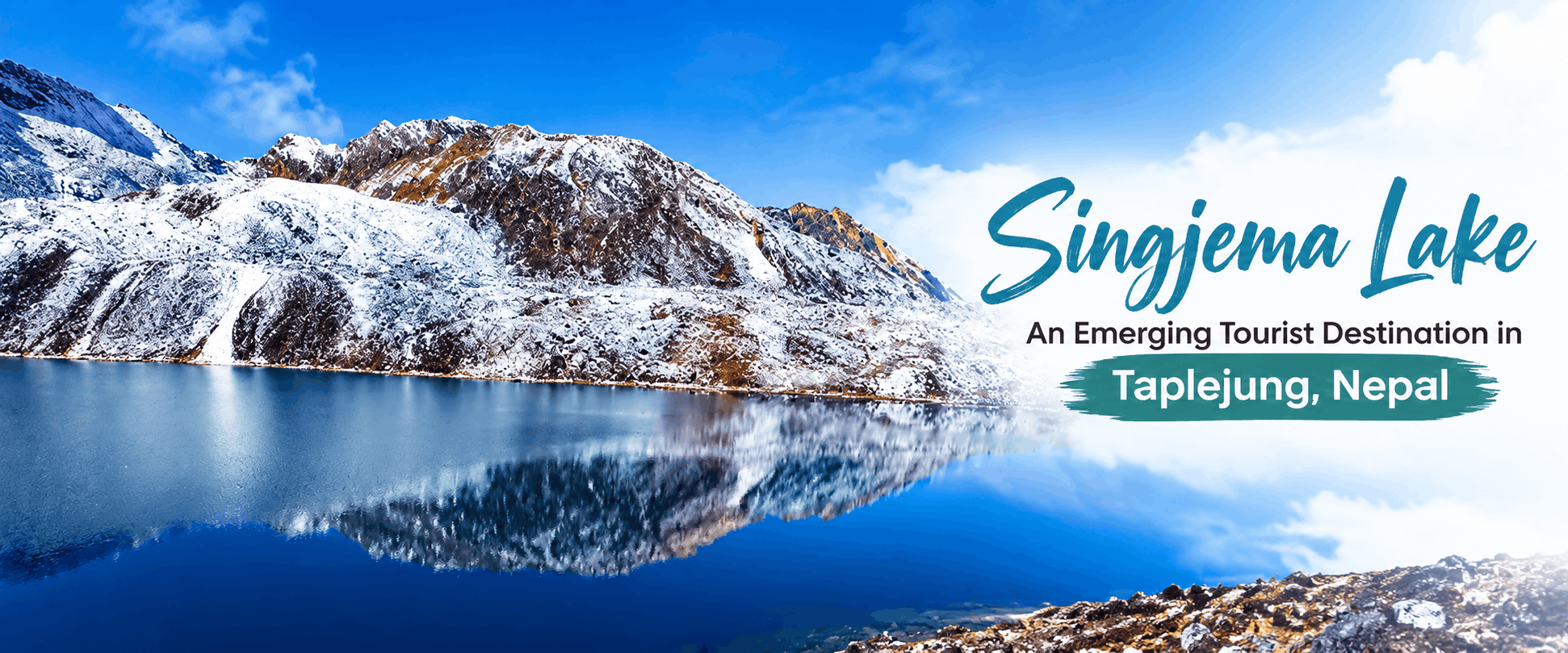
Nepal is popular for its stunning natural landscapes, from Himalayan peaks to peaceful alpine lakes. While popular destinations such as Everest Base Camp, Annapurna Base Camp and Gokyo Lakes attract trekkers from around the world, eastern Nepal is home to several lesser-known natural attractions.
One of those destinations is Singjema Lake, a high-altitude alpine lake in Taplejung district, Koshi Province. It is situated at approximately 4,700 metres above sea level. The lake is gaining attention for its mountain scenery, natural beauty and remote setting.
Singjema Lake, which is gradually emerging as a tourist destination, is located near Olangchung Gola in Phaktanglung Rural Municipality. Growing awareness through social media and improvements in regional road connectivity have encouraged more travellers to explore this remote part of Nepal.
For travellers looking to explore Nepal's remote trekking routes, Singjema Lake is an appealing destination.
Where Is Singjema Lake Located?
Singjema Lake is located in Phaktanglung Rural Municipality–7, near Olangchung Gola in Taplejung district, eastern Nepal. The lake lies in the remote Himalayan region near Nepal’s northern border with Tibet, China.
The nearest major settlement is in Olangchung Gola, a historic Himalayan village known for its distinctive local culture and traditional mountain lifestyle. Singjema Lake is approximately one day’s trek from Olangchung Gola, although the journey is often divided into stages, with an overnight stop near the seasonal herders’ shelters.
According to reports published in 2024, the lake’s surface area and depth had not been formally measured. The same report estimated that walking around the lake takes more than an hour.
Why Is Singjema Lake Becoming a Popular Tourist Destination?
Singjema Lake is gaining recognition for its beauty, its remote location and the opportunity to experience a lesser-known Himalayan trekking trail. Visitors will not find well-developed tourism infrastructure here, but rather a truly remote mountain environment.
Remarkable natural beauty
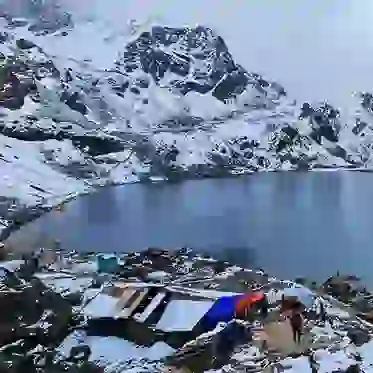
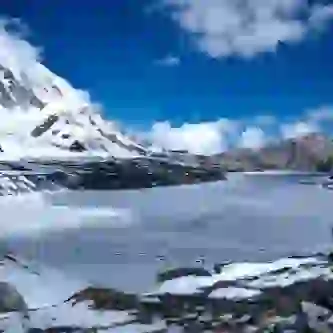
One of the attractions of Singjema Lake is its breathtaking setting. Surrounded by mountains, rocky hillsides and high‑altitude landscapes, Singjema Lake shows a dramatic contrast between the blue water and the surrounding Himalayan terrain.
Singjema Lake lies within the Kanchenjunga Conservation Area, a protected landscape covering approximately 2,035 square kilometres in eastern Nepal. The wider conservation area supports wildlife such as the red panda and snow leopard; sightings near the lake are not guaranteed.
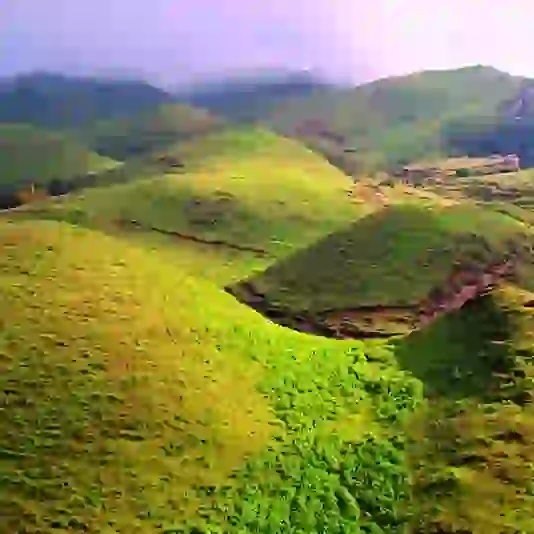
When the weather is suitable, Singjema Lake reflects the surrounding mountains and sky, giving opportunities for landscape photography. The scenery changes with the seasons, from mountain pastures in warm months to snow‑covered slopes in cold months.
A lesser-known Himalayan trekking destination
Many travellers think of Nepal’s trekking routes, such as the Everest Base Camp Trek, the Annapurna Circuit, or the Langtang Valley Trek, when they imagine trekking in Nepal. Singjema Lake offers something different. It opens the door to a quieter, less crowded side of Nepal’s mountains.
The trail goes through remote villages, wide mountain valleys and areas where locals graze their animals in the summer. The journey offers insight into the traditional lifestyles of remote Himalayan communities. Because the area is untouched by mass tourism, the trek is best suited for experienced travellers. Travellers should be prepared for basic shelter, challenging trails and limited facilities. It’s not for everyone. For those who seek quiet and real connection with nature, Singjema Lake is worth the effort.
Growing popularity through social media
Social media has helped make Singjema Lake better known. Pictures and videos of Singjema Lake’s alpine scenery have led more travellers to see Taplejung as more than just a typical trekking destination.
Onlinekhabar reported in April 2024 that approximately 500 domestic and international visitors travelled to the Singjema Lake area during the 2023 Dashain and Tihar festival period, according to the local ward chairperson. This is a period-specific visitor figure, not an annual visitor total.
Cultural and religious significance
Singjema Lake holds cultural and religious significance for local communities, particularly residents of Olangchung Gola.
According to local traditions, the lake is associated with spiritual beliefs, and some visitors believe that prayers and offerings made there may help fulfil their wishes.
These beliefs and stories have been passed down through generations and form an important part of the lake's cultural identity. Visitors are encouraged to respect local customs and traditions while exploring the area.
How to Reach Singjema Lake from Kathmandu
Reaching Singjema Lake involves travelling to eastern Nepal, continuing towards Olangchung Gola and completing a high-altitude trek. The precise journey depends on available transportation, road conditions, the chosen walking route, and the traveller’s acclimatisation needs.
Step 1: Travel from Kathmandu to Taplejung
The first stage is reaching Taplejung district in eastern Nepal. Travellers can travel overland from Kathmandu towards Phungling, the district headquarters. Another option is to use a flight to an accessible airport in eastern Nepal, subject to scheduled services, and continue by road.
Travel times vary depending on the route, transport availability, traffic and weather conditions.
Step 2: Travel from Phungling to Olangchung Gola
From Phungling, travellers head towards Olangchung Gola. Olangchung Gola is a Himalayan settlement linked to the wider region via the Tamor Corridor. Because some parts of the route are rough, narrow, or weather-affected, a four-wheel-drive vehicle may be necessary.
Travellers should check whether vehicles can reach Olangchung Gola before starting the journey. Even though road connectivity has improved, travellers should not assume vehicles will always be available.
Step 3: Trek from Olangchung Gola towards Chhyer Valley
The trekking portion begins from Olangchung Gola.
The route passes through mountainous terrain, grazing pastures and isolated valleys. Local reports identify Jandak and Deuma as places passed down through the traditional approach. Chhyer Valley is a natural camping area near the lake. Seasonal herders’ shelters in the surrounding region may provide basic food and accommodation when occupied.
Step 4: Trek to Singjema Lake
From the final overnight stop, trekkers ascend to Singjema Lake at approximately 4,700 metres.
The walking duration depends on the exact campsite, trail conditions, weather and individual fitness. Earlier route reports describe an ascent of around three to four hours from a lower herders’ shelter, while more recent accounts describe a shorter walk from Chhyer Valley itself.
Upon reaching the lake, visitors can enjoy panoramic views of the surrounding high-altitude landscape before descending according to their itinerary. Because of the remote terrain and limited facilities, travelling with an experienced local guide is strongly recommended.
Best Time to Visit Singjema Lake
The best time to visit Singjema Lake depends on weather conditions, trail accessibility and the availability of seasonal accommodation. For general seasonal guidance, see Hop Nepal’s guide to the best time to visit Nepal.
Local reporting identifies the period from late Baisakh to early Asoj, approximately May to September, as a traditional visiting season. During this period, herders occupy seasonal shelters along parts of the trekking route. However, the monsoon can make road travel and trekking more difficult. Travellers should consider both seasonal scenery and travel safety when planning their visit.
Spring (March to May)
Spring brings gradually warming temperatures and changing mountain landscapes. The later part of spring can be a suitable time to explore Singjema Lake when snow conditions permit. Trekkers may encounter clearer mountain views and emerging alpine vegetation. Early access can remain difficult because of snow or ice at higher elevations.
Summer and monsoon (June to August)
Summer is associated with greener grazing areas, alpine vegetation and seasonal herding activities. The surrounding landscapes can become particularly attractive for photography. However, heavy rainfall may cause landslides, slippery trails, reduced visibility and disruption to transport services. Travellers should monitor the weather and road conditions carefully.
Autumn (September to November)
Autumn is another period worth considering for mountain travel in eastern Nepal, particularly when rainfall has decreased and trails remain accessible.
Clear weather may offer excellent views of the surrounding mountains. However, temperatures fall rapidly at higher elevations, and seasonal shelters may close as winter approaches.
Winter (December to February)
Winter brings cold temperatures, snowfall and challenging conditions to the Singjema Lake region. Snow may obstruct trekking routes, while accommodation and local services become even more limited.
Winter travel is generally unsuitable for casual trekkers and should only be considered with appropriate experience, equipment and reliable local guidance.
Hop Nepal’s advice: confirm current trail conditions and seasonal accommodation before departure. No single month guarantees safe access to Singjema Lake.
Singjema Lake Trek Difficulty: Is It Suitable for Beginners?
The Singjema Lake Trek should be considered a challenging high-altitude journey because of its remote location, limited facilities and elevation of approximately 4,700 metres. Although the route does not normally involve technical mountaineering, trekkers must be prepared for sustained walking, uneven mountain trails, cold weather and reduced oxygen levels.
The main challenge is not simply reaching the lake. It is reaching the lake safely after allowing the body enough time to adjust to altitude. Altitude sickness can affect anyone, regardless of age or physical fitness.
According to the Nepal Tourism Board, symptoms of acute mountain sickness may include headache, nausea, dizziness, loss of appetite and unusual fatigue. Travellers experiencing symptoms should not continue ascending; worsening symptoms require descent and appropriate medical attention.
First-time trekkers should gain experience on easier routes before attempting remote high-altitude destinations like Singjema Lake.
Accommodation and Food Along the Singjema Lake Trek
Accommodation options along the Singjema Lake trekking route are more limited than on other established trekking routes in Nepal.
Accommodation at Olangchung Gola
Olangchung Gola is the main settlement used by travellers approaching the lake. Basic local accommodation may be available, but rooms, meals and transport arrangements should be confirmed in advance.
Accommodation near Singjema Lake
There are no hotels established directly at Singjema Lake comparable to those found on popular trekking routes. During the warmer months, seasonal herders’ shelters may provide simple meals and sleeping arrangements.
Facilities are basic, and availability depends on the presence of herders and local conditions. Travellers should not assume that accommodation will always be available. Local reporting has documented travellers using shelters near the lake and carrying tents and sleeping bags for more reliable overnight arrangements.
For context, an April 2024 local report described just three seasonal yak-herders’ shelters along the route, with one shelter reportedly able to accommodate up to ten people. These figures describe conditions reported at that time and should not be treated as current accommodation availability.
Food and drinking water
Meals in remote mountain settlements are generally simpler than those available in major trekking centres. Visitors should have sufficient food, snacks and safe drinking water for the journey.
Carrying a water filter or purification tablets is recommended. Water collected from natural sources should be treated before drinking.
Singjema Lake Trek Permits and Entry Requirements
As Singjema Lake is located in the Phaktanglung–7 area of Taplejung, foreign visitors must pay particular attention to conservation-area and restricted-area entry requirements.
The route is within the wider Kanchenjunga region. Hop Nepal's Kanchenjunga permit guide identifies Phaktanglung Rural Municipality wards 6 and 7 among the restricted areas subject to special trekking regulations for foreign nationals.
Foreign travellers should therefore confirm the applicable Kanchenjunga Conservation Area permit, Restricted Area Permit, licensed-guide and agency requirements for their specific itinerary before travelling.
The Nepal Tourism Board’s published general conservation-area fee schedule lists NPR 2,000 per entry for non-SAARC foreign visitors, NPR 500 for SAARC visitors and NPR 100 for Nepali citizens for the Kanchenjunga Conservation Area. Restricted-area permit charges are separate, and travellers should reconfirm all fees and requirements before departure.
Nepali citizens and foreign visitors may be subject to different requirements. Permit costs and regulations can change, so travellers should check with the relevant authorities or a registered trekking agency rather than relying on outdated information.
Things to Do at Singjema Lake
Although Singjema Lake is mainly visited for its natural surroundings, the region offers several rewarding experiences.
- Landscape photography: Capture the alpine lake, rugged mountain scenery and reflections on the water during suitable weather.
- Trekking and nature exploration: Discover the high-altitude landscapes surrounding Olangchung Gola and Singjema Lake.
- Experiencing local culture: Learn about traditional mountain communities, local customs and the region's pastoral way of life.
- Observing alpine landscapes: Enjoy the peaceful scenery of mountain valleys, grazing areas and rocky slopes.
- Exploring nearby destinations: With suitable planning, experienced trekkers may consider other remote attractions in the Phaktanglung area.
Why Singjema Lake Matters for Tourism in Taplejung
Interest in Singjema Lake is growing, indicating that lesser-known destinations in eastern Nepal have significant tourism potential. Taplejung is already known for its scenery, sacred sites, and trekking routes linked to Kanchenjunga.
Places like Singjema Lake can encourage travellers to visit less-explored parts of the district and discover villages that receive fewer visitors. Well-planned tourism can create opportunities for local accommodation providers, guides, transport operators and small shops. However, increasing tourism also brings challenges.
Road access, waste management, trail maintenance, emergency services and nature conservation must be considered as visitor numbers increase. Preserving Singjema Lake's surroundings and cultural significance is essential for the long-term benefits of tourism in the area.
Final Thoughts: Discovering Singjema Lake in Eastern Nepal
Singjema Lake represents the remarkable natural beauty and tourism potential of eastern Nepal.
Located high in the mountains of Taplejung, this alpine lake combines dramatic scenery, local cultural traditions and the appeal of a remote trekking destination. As awareness grows and regional accessibility improves, Singjema Lake has the potential to become an important attraction for travellers seeking destinations beyond Nepal's established trekking routes.
However, its remote setting and high elevation require careful planning. Visitors should prioritise acclimatisation, appropriate equipment, reliable local guidance and environmental responsibility. For travellers prepared for a challenging Himalayan journey, Singjema Lake offers an opportunity to discover one of Taplejung's emerging natural attractions.
Planning a trek in eastern Nepal? Hop Nepal can help you explore trekking options and plan a journey suited to your interests, experience and travel schedule.
Frequently Asked Questions
Where is Singjema Lake located in Nepal?
Singjema Lake is located in Phaktanglung Rural Municipality–7, near Olangchung Gola in Taplejung district, Koshi Province, eastern Nepal.
What is the altitude of Singjema Lake?
Singjema Lake is situated at approximately 4,700 metres (15,420 feet) above sea level. Its elevation makes proper acclimatisation important for trekkers.
Is Singjema Lake suitable for beginner trekkers?
Singjema Lake is not generally recommended as a first high-altitude trek. Its remote location, challenging terrain and elevation of approximately 4,700 metres make previous trekking experience and appropriate preparation advisable.
Are there hotels near Singjema Lake?
Accommodation is limited. Basic lodging may be available in Olangchung Gola, while seasonal herders' shelters sometimes provide food and sleeping arrangements closer to the lake. Camping equipment may be necessary.
Do I need a permit to visit Singjema Lake?
Foreign travellers should confirm the conservation-area and restricted-area permits applicable to the Singjema Lake route. Entry requirements vary by nationality and the exact itinerary.
Is Singjema Lake a religious destination?
Yes. The lake holds cultural and religious significance for local communities. Traditional beliefs associate the lake with spiritual blessings, prayers and offerings.
Why is Singjema Lake becoming popular?
Singjema Lake is gaining recognition because of its scenic Himalayan surroundings, cultural significance, social media exposure and improving road access towards Olangchung Gola.
Can I reach Singjema Lake by vehicle?
Vehicles may be able to reach Olangchung Gola depending on current road conditions, but Singjema Lake itself requires a trek. Road access should be verified before travelling.
Can tourists visit Singjema Lake in winter?
Winter access can be extremely difficult due to snowfall, freezing temperatures, and limited accommodation. Casual winter visits are not recommended without specialist preparation and reliable local support.
Is there mobile network coverage at Singjema Lake?
Mobile connectivity may be unreliable or unavailable along remote sections of the route. Travellers should not depend entirely on mobile internet for navigation or emergency communication.
Is Singjema Lake near Kanchenjunga Base Camp?
Singjema Lake and Kanchenjunga Base Camp are both located in the wider Taplejung Himalayan region. However, they are separate trekking destinations, and visiting both requires additional travel time and route planning.