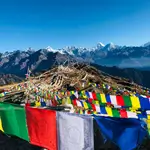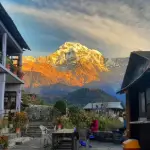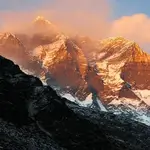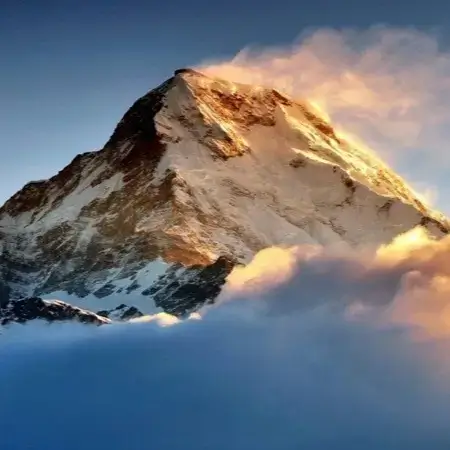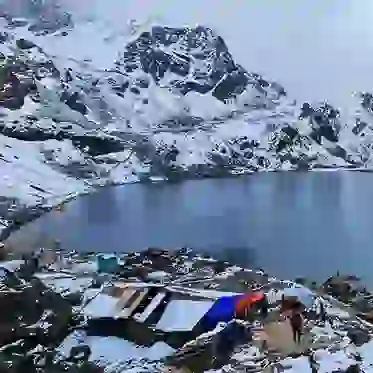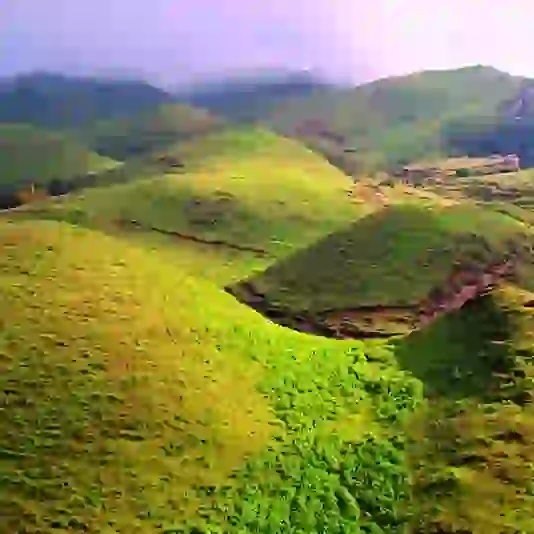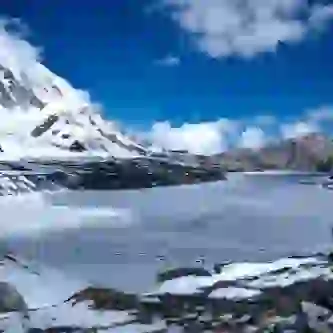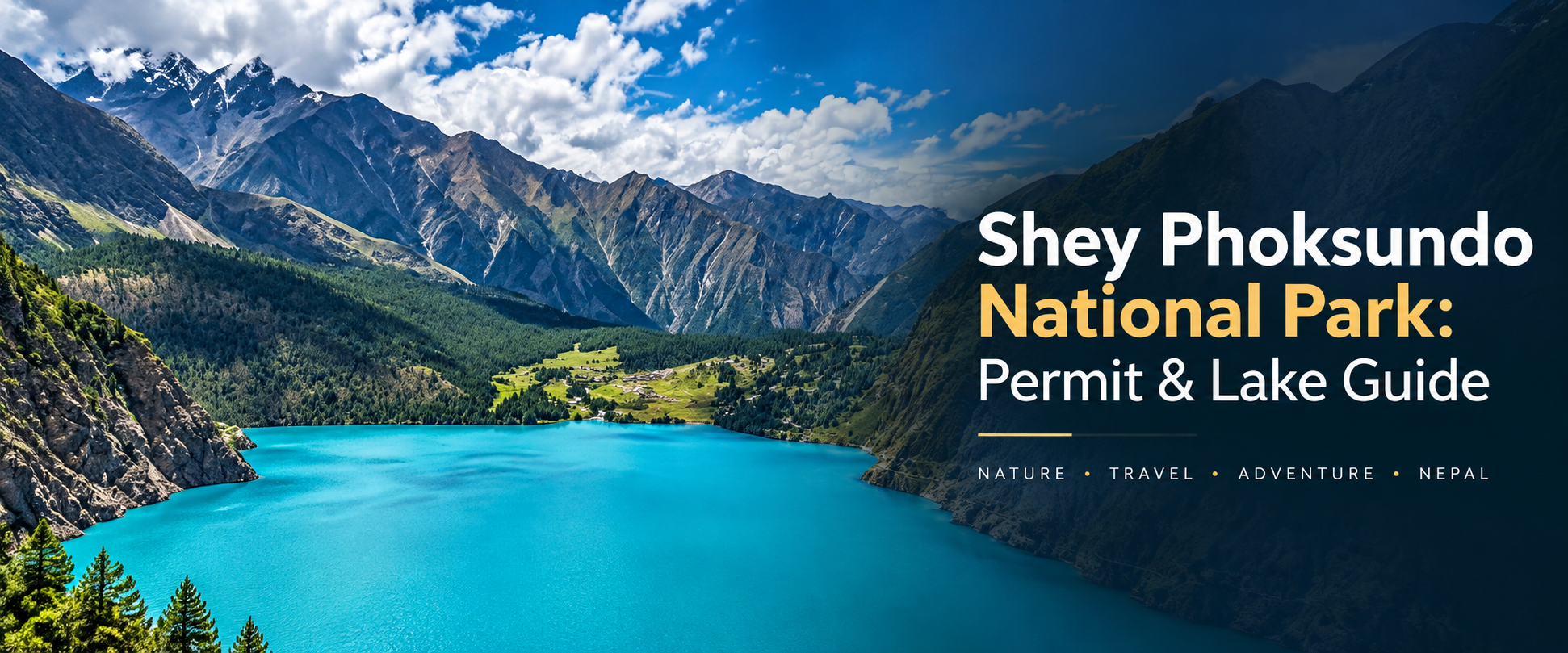
Shey Phoksundo National Park is one of Nepal’s most remarkable high-Himalayan protected areas, combining remote trans-Himalayan landscapes, rare wildlife, centuries-old culture and the striking turquoise waters of Phoksundo Lake. Established in 1984 and now centred in Dolpa District of Karnali Province, the park offers a very different experience from Nepal’s busier trekking regions.
Nepal now has 13 national parks following the establishment of Chhayanath National Park in Mugu in August 2025. The new park was created from the former Mugu-side section of Shey Phoksundo. Current 2027 references therefore place Shey Phoksundo National Park at approximately 2,712 sq km, while some older government and travel pages still display the former 3,555 sq km figure.
For travellers, the main attraction is Phoksundo Lake, a high-altitude freshwater lake surrounded by steep cliffs, barren Himalayan slopes and traditional settlements. A journey here is not simply about reaching a lake; it is an introduction to Dolpo’s landscapes, Bon and Tibetan Buddhist heritage, wildlife and remote mountain life.
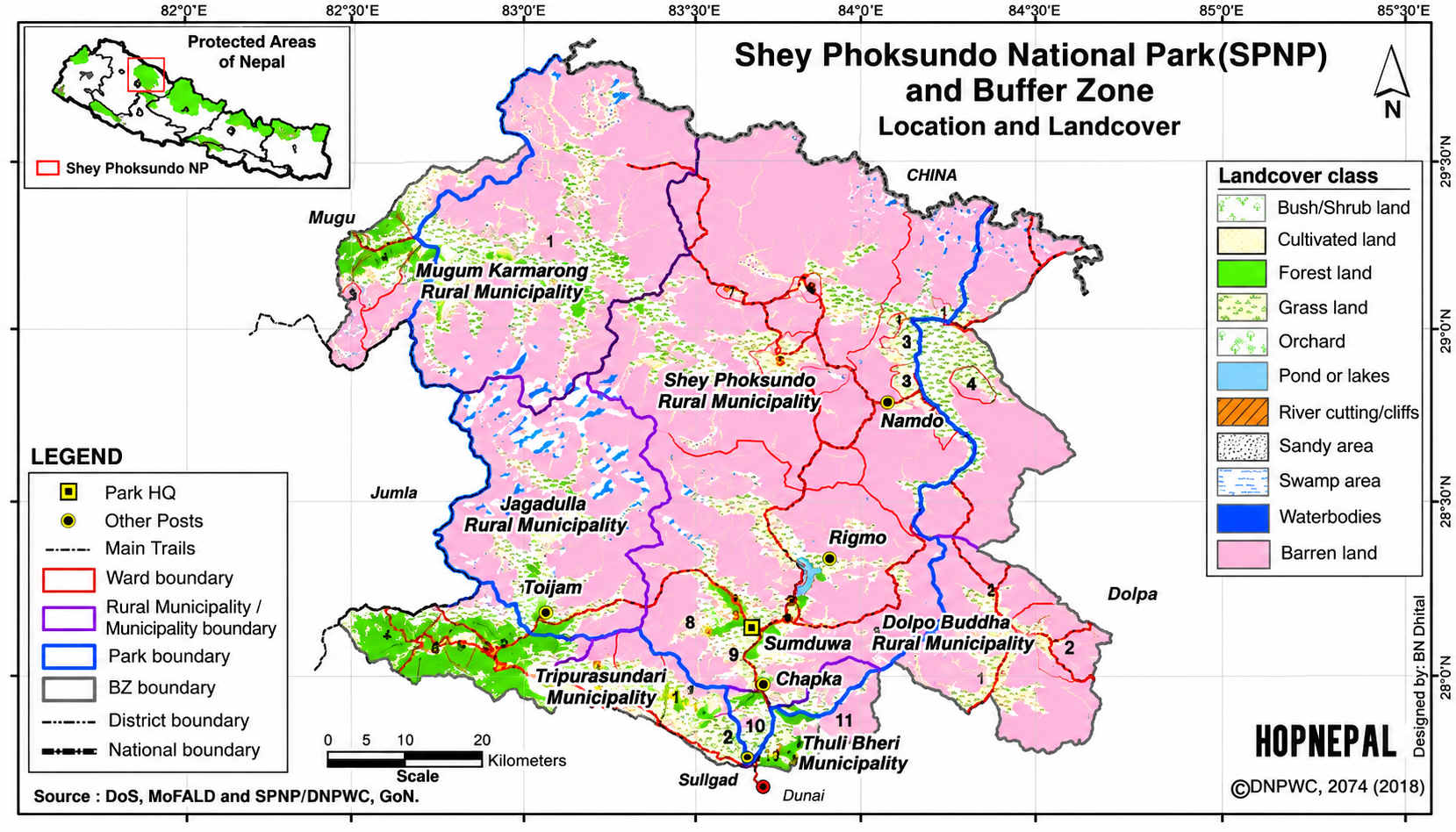
Shey Phoksundo National Park Quick Facts
- Established: 1984
- Location: Dolpa District, Karnali Province, northwestern Nepal
- Current park area: approximately 2,712 sq km following the creation of Chhayanath National Park in 2025
- Main attraction: Phoksundo Lake
- Lake surface area: approximately 4.849 sq km
- Maximum measured lake depth: 136.2 m
- Lake elevation: around 3,600 m above sea level, depending on the measurement reference
- Ramsar status: Phoksundo Lake has been a Wetland of International Importance since 2007
- Best general trekking seasons: spring and autumn
- Major wildlife: snow leopard, blue sheep, musk deer, Himalayan tahr, Himalayan black bear and grey wolf
Where Is Shey Phoksundo National Park?
Shey Phoksundo National Park lies in the remote northwestern Himalayas of Nepal. The park’s core landscapes are in Dolpa, an area characterised by deep river valleys, high passes, alpine meadows, dry trans-Himalayan terrain and traditional settlements with strong cultural links to the Tibetan Plateau.
The park rises from lower valleys at roughly 2,100 m to high mountain terrain above 6,800 m. Kanjiroba Himal dominates parts of the region, while the Suligad river system drains the Phoksundo Lake area. Because the northern side lies in the Himalayan rain shadow, much of Dolpo is significantly drier than Nepal’s southern Himalayan slopes.
Phoksundo Lake: The Park’s Main Attraction
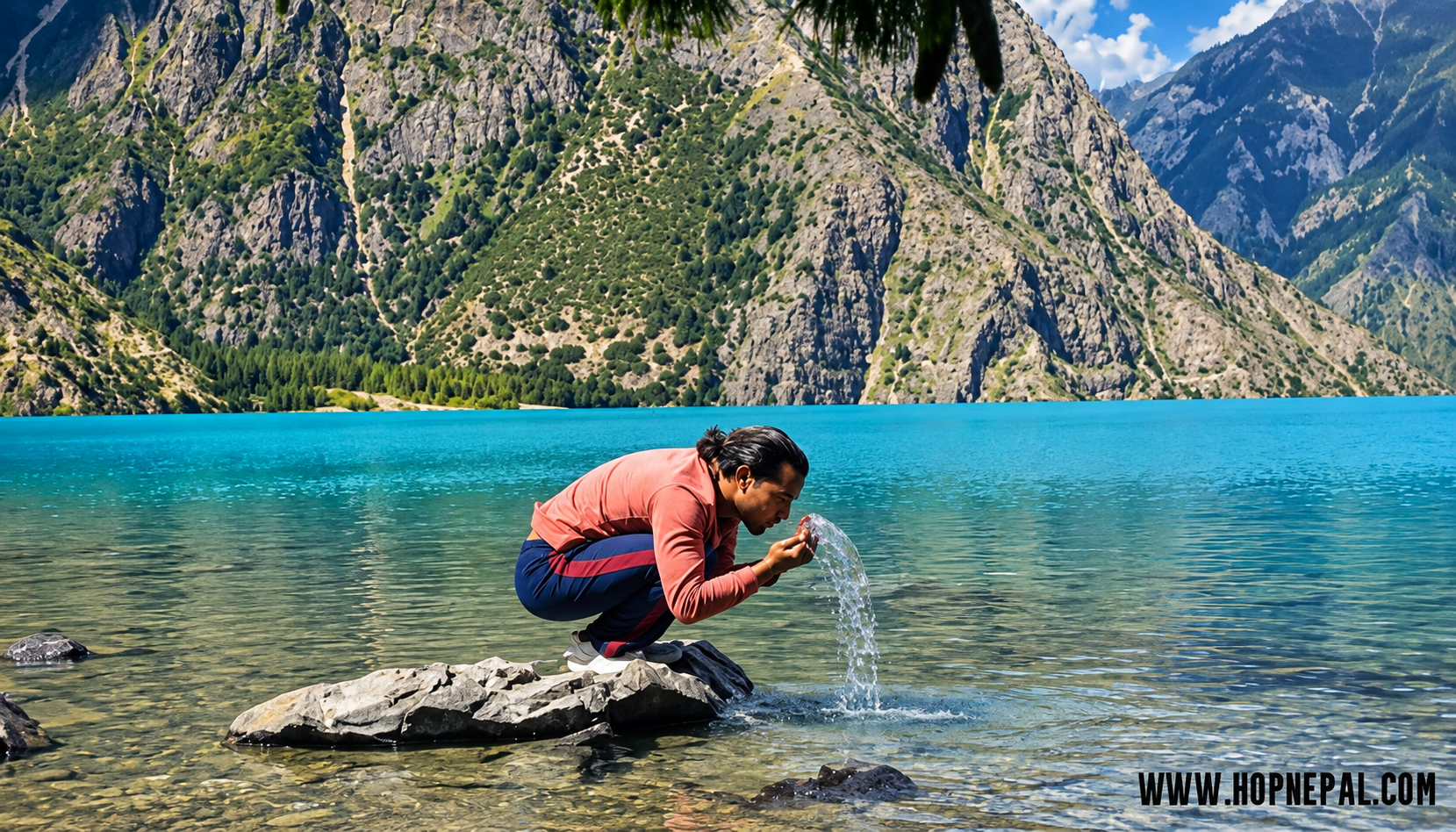
Phoksundo Lake is the visual centrepiece of the national park. Its deep blue and turquoise colour, steep surrounding cliffs and sparse high-altitude landscape make it one of Nepal’s most distinctive mountain lakes.
A detailed bathymetric survey by Nepal’s Department of Hydrology and Meteorology measured a maximum depth of 136.2 m and a surface area of approximately 4.849 sq km. This newer survey data is more useful for a 2027 guide than older figures that continue to circulate online. Phoksundo is one of Nepal’s deepest high-altitude lakes, but it should not be described as Nepal’s deepest lake because more recent measurements of Rara Lake record a greater maximum depth.
Phoksundo Lake was designated a Ramsar site in 2007, recognising its international wetland importance. The lake sits within a culturally significant landscape where monasteries, chortens, traditional settlements and sacred natural features form part of the wider Dolpo experience.
Shey Phoksundo National Park Entry Fee 2027
The national park entry permit is separate from any Restricted Area Permit required for particular parts of Dolpo. Nepal Tourism Board currently lists the following Shey Phoksundo National Park entry fees:
- Nepali citizens: NPR 100 per person per entry
- SAARC nationals: NPR 1,500 per person per entry
- Other foreign nationals: NPR 3,000 per person per entry
- Children below 10 years: free entry
Permit rules and fees can change, so travellers should confirm the final requirements for their exact itinerary before departure.
Lower Dolpa and Upper Dolpa Restricted Area Permits
Foreign travellers may also need a Restricted Area Permit (RAP), depending on the municipality, ward and route included in the itinerary. The Department of Immigration’s current 2027 schedule lists:
- Lower Dolpa: USD 20 per person for the first week, plus USD 5 per person per day beyond one week.
- Upper Dolpa: USD 500 per person for the first 10 days, plus USD 50 per person per day thereafter.
The classic Phoksundo Lake approach and longer Upper Dolpo journeys do not necessarily require the same combination of permits. An itinerary that continues towards Shey Gompa, high passes, or other Upper Dolpo settlements may fall under different restricted-area rules than a shorter journey to Phoksundo Lake. Always match the permit to the exact route rather than assuming that a single Dolpo permit covers the entire region.
Can Solo Foreign Travellers Visit Restricted Dolpo in 2027?
Yes. A major rule change introduced on 22 March 2026 removed the old minimum-two-trekker requirement for Nepal’s restricted areas. A single foreign traveller can now obtain a Restricted Area Permit in their own name. However, this does not mean independent trekking is permitted in restricted Dolpo. The permit must still be arranged through a registered trekking agency and the traveller must be accompanied by a licensed guide.
For guide planning and realistic staff costs, see Hop Nepal’s Guide and Porter Cost in Nepal 2027.
How to Reach Shey Phoksundo National Park
The most common approach combines domestic flights with several days of trekking. Travellers normally fly from Kathmandu to Nepalgunj and then take a mountain flight from Nepalgunj to Juphal in Dolpa. Flight schedules in western Nepal are highly weather dependent, so itineraries should include some flexibility.
From Juphal, trekking routes typically pass through or near Dunai and follow the Suligad valley, passing through settlements such as Chhepka before climbing towards Ringmo and Phoksundo Lake. The exact walking time varies by itinerary, acclimatisation plan, weather and overnight stops.
If you want an organised route rather than arranging flights, permits and trekking logistics separately, explore Hop Nepal’s Shey Phoksundo Lake Trek.
Best Time to Visit Shey Phoksundo National Park
Spring and autumn remain the most dependable seasons for most visitors. Nepal Tourism Board identifies March to May and September to October as favourable periods for Shey Phoksundo. These months generally provide more stable trekking conditions, clearer mountain views and manageable daytime temperatures.
Spring: March to May
Spring brings gradually warmer conditions, longer daylight hours and better access after winter. Lower trails begin to show more vegetation, while the higher reaches remain distinctly Himalayan. Early-season snow can still affect high passes.
Autumn: September to November
Autumn is popular because skies are often clear after the summer monsoon and visibility improves. Nights become progressively colder through October and November, particularly around the lake and higher settlements.
Can You Visit Dolpo During the Monsoon?
Parts of Dolpo lie in a rain shadow behind the main Himalayan range, which means they receive less monsoon rainfall than many trekking regions south of the Himalayas. Even so, flights through Nepalgunj and Juphal, lower access routes and connecting travel can still be affected by summer weather. A monsoon itinerary therefore needs more schedule flexibility than a standard autumn departure.
Phoksundo Lake Trek Difficulty and Altitude
The standard journey to Phoksundo Lake is usually considered moderate to challenging rather than technically difficult. The main challenges are remoteness, repeated ascents and descents, basic facilities, changing weather and the increase in altitude to roughly 3,600 m around the lake.
Trekkers should use a gradual itinerary, stay hydrated and avoid rushing the ascent. Anyone unfamiliar with altitude should understand the symptoms of acute mountain sickness before travelling. Hop Nepal’s High Altitude Trekking in Nepal: Preparation & Safety Guide 2027 provides additional preparation guidance.
Wildlife of Shey Phoksundo National Park
Shey Phoksundo protects important habitat for Himalayan and trans-Himalayan wildlife. Species recorded in the wider park landscape include snow leopard, blue sheep, musk deer, grey wolf, Himalayan tahr, Himalayan black bear, goral, leopard and yellow-throated marten.
The park is also important for birds, with more than 200 species reported in official tourism material. Tibetan partridge, wood snipe, white-throated tit, wood accentor and crimson-eared rosefinch are among the birds associated with the region. Travellers interested in Nepal’s birdlife can also read Hop Nepal’s Bird Watching Places in Nepal.
Flora and Vegetation
The dramatic elevation range creates several vegetation zones. Lower valleys can support pine, walnut, willow, oak and cypress, while higher elevations include spruce, juniper, birch, alpine shrubs and grasslands. Official tourism information records around 286 floral species of botanical importance in the park landscape.
As travellers move north and higher into the rain-shadow region, vegetation becomes increasingly sparse and the scenery changes to dry alpine and trans-Himalayan terrain.
People, Villages and Culture of Dolpo
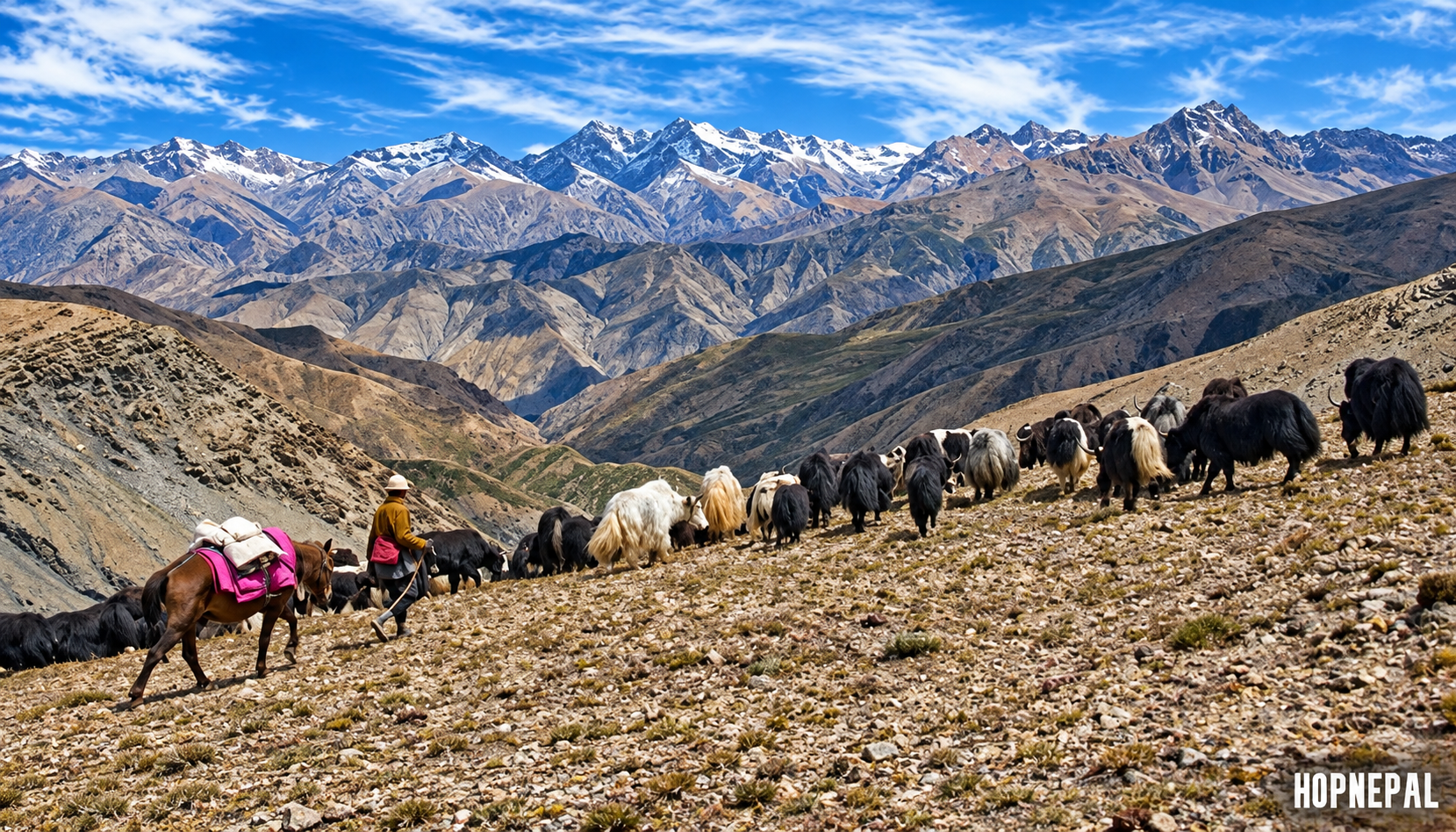
The cultural landscape is one of the strongest reasons to visit Shey Phoksundo. Communities around the park have long-standing traditions shaped by high-altitude agriculture, animal husbandry, trade and close cultural links with the Tibetan Plateau.
Ringmo, near Phoksundo Lake, is one of the best-known settlements on the classic route. Bon traditions and Tibetan Buddhism both form important parts of Dolpo’s cultural identity, and monasteries, chortens, prayer flags and local religious practices are visible throughout the region.
Travellers considering a longer journey beyond the lake can learn more in Hop Nepal’s Exploring Upper Dolpo Region.
Accommodation, Food and Facilities
Accommodation around the more frequently used Phoksundo Lake route is generally simple. Local lodges and teahouses are available in several settlements, but standards are basic compared with the Everest or Annapurna regions. On longer and more remote Upper Dolpo itineraries, camping may still be required.
Meals are usually based on what can be transported or produced locally, so menus become more limited as the route gets more remote. Electricity, charging, hot showers, mobile coverage and internet should be treated as limited rather than guaranteed. Carry sufficient cash, as card and ATM access is unreliable once you enter Dolpo.
Best Things to Do in Shey Phoksundo National Park
- Walk to Phoksundo Lake and experience its turquoise water and steep surrounding cliffs.
- Explore Ringmo village and learn about the cultural traditions of Dolpo.
- Visit local monasteries and religious sites respectfully with guidance from local people.
- Continue towards Shey Gompa and high passes on a properly permitted Upper Dolpo itinerary.
- Look for Himalayan wildlife and birds without approaching or disturbing animals.
- Photograph the Suligad valley, waterfalls, dry Himalayan landscapes and traditional settlements.
- Experience a remote trekking region that receives far fewer visitors than Nepal’s mainstream trails.
For a broader overview of Nepal’s trekking options, see trekking in Nepal.
Responsible Travel in Shey Phoksundo
- Carry reusable bottles and minimise single-use plastic wherever possible.
- Do not leave rubbish on trails, at campsites or near the lake.
- Follow park rules and the instructions of your licensed guide.
- Ask before photographing local people or religious ceremonies.
- Dress and behave respectfully around monasteries, sacred sites and villages.
- Do not approach, feed or disturb wildlife.
- Use locally owned lodges and services where practical so tourism income remains in the community.
What to Pack for a Phoksundo Lake Trek
Packing depends on the season and itinerary, but remote Dolpo requires more self-sufficiency than many popular teahouse treks. Essential items usually include:
- Broken-in trekking boots and comfortable walking socks
- Layered clothing suitable for warm days and cold evenings
- Waterproof or wind-resistant outer layers
- Warm jacket, gloves and hat for high-altitude mornings and nights
- Sun hat, sunglasses and high-SPF sunscreen
- Reusable water bottle and suitable water-treatment method
- Personal first-aid items and any prescribed medication
- Power bank and spare batteries
- Cash in Nepali rupees for remote settlements
- Copies of passport, insurance and trekking permits
Book the Shey Phoksundo Lake Trek with Hop Nepal
Dolpo requires more preparation than Nepal’s mainstream trekking areas because domestic flights, restricted-area permits, national park entry, licensed guides and remote accommodation all need to work together. A carefully planned itinerary also needs enough flexibility for weather and altitude.
Hop Nepal can help organise your Shey Phoksundo Lake Trek, including the route, permits, domestic flight planning, guide arrangements and trek logistics based on your travel dates.
Whether you are planning a shorter journey to Phoksundo Lake or considering a longer Upper Dolpo adventure, confirm the current route-specific permit requirements before booking flights and finalising your itinerary.
Frequently Asked Questions
Where is Shey Phoksundo National Park?
Shey Phoksundo National Park is in northwestern Nepal, mainly in Dolpa District of Karnali Province. Following the creation of Chhayanath National Park from the former Mugu-side section in 2025, current references for 2027 place Shey Phoksundo at approximately 2,712 sq km.
How much is the entry fee for Shey Phoksundo National Park in 2027?
The current entry fee is NPR 100 for Nepali citizens, NPR 1,500 for SAARC nationals and NPR 3,000 for other foreign nationals. Children below 10 years are exempt from the park entry fee.
Do I need a permit for the Phoksundo Lake Trek?
Yes. You need the national park entry permit, and foreign travellers may also need a Lower Dolpa or Upper Dolpa Restricted Area Permit depending on the exact route and wards included in the itinerary.
How much does the Lower Dolpa permit cost in 2027?
The Department of Immigration currently lists Lower Dolpa at USD 20 per person for the first week and USD 5 per person per day thereafter.
How much does the Upper Dolpa permit cost in 2027?
The current Upper Dolpa Restricted Area Permit costs USD 500 per person for the first 10 days, and USD 50 per person per day thereafter.
Can a solo foreign traveller visit restricted Dolpo in 2027?
Yes. Since 22 March 2026, a single foreign traveller can obtain a Restricted Area Permit without a second foreign trekker. A registered trekking agency and licensed guide are still required for restricted-area trekking.
How deep is Phoksundo Lake?
Nepal’s Department of Hydrology and Meteorology measured the maximum depth of Phoksundo Lake at 136.2 metres.
How large is Phoksundo Lake?
The Department of Hydrology and Meteorology records a surface area of approximately 4.849 sq km.
Is Phoksundo Lake Nepal’s deepest lake?
No. Older travel literature often describes Phoksundo as Nepal’s deepest lake, but more recent bathymetric measurements indicate that Rara Lake is deeper. Phoksundo remains one of Nepal’s deepest and most spectacular high-altitude lakes.
What is the best time to visit Shey Phoksundo?
March to May and September to October are generally the most favourable periods. Late autumn can also be rewarding, but nights become much colder.
How do I reach Phoksundo Lake?
The usual route is Kathmandu to Nepalgunj by flight, Nepalgunj to Juphal by mountain flight, and then several days of trekking through the Suligad valley towards Ringmo and Phoksundo Lake.
Is Phoksundo Lake a Ramsar site?
Yes. Phoksundo Lake was designated a Wetland of International Importance under the Ramsar Convention in 2007.
How difficult is the Phoksundo Lake Trek?
The standard trek is moderate to challenging. It is not normally technical, but the route is remote, facilities are basic, and the lake is around 3,600 m above sea level, so fitness and sensible acclimatisation are important.