
A magnificent Himalayan country will undoubtedly have a diverse range of flora and animals. With a rising population and the impacts of global warming, essential steps must be taken to ensure that plants and animals continue to live.
A national park is one of these protected areas that preserve the region's unique flora and fauna. Numerous national parks in Nepal exist to maintain and protect wildlife and their natural habitats.
Twelve National Parks Within Nepal
Explore these 12 national parks in Nepal to see nature in its purest form, unspoiled by human intrusion to the greatest extent possible. Here is a list of national parks in Nepal you should visit during your trip.
- Shey Phoksundo National Park
- Khaptad National Park
- Bardia National Park
- Langtang National Park
- Sagarmatha National Park
- Parsa Wildlife Reserve
- Koshi Tappu Wildlife Reserve
- Chitwan National Park
- Shuklaphanta Wildlife Reserve
- Makalu Bareun National Park
- Annapurna National Park
- Rara National Park
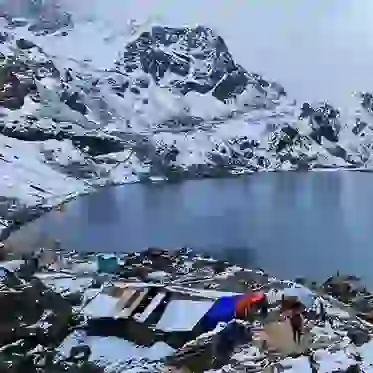
Shey Phoksundo National Park
This is Nepal's most historic national park. It was founded in 1984 to preserve the natural environment and wildlife. It is found in the northwestern part of Nepal, in the trans-Himalayan region.

Image Cr: Nepal Trekking
Caption: Shey Phoksundo National Park
The mountains surrounding the water body provide magnificent splendour for seeing and experiencing nature's wonder. It is possible to go there by air and walk for a short time. Summer is the most fantastic time because the winters can be very harsh there.
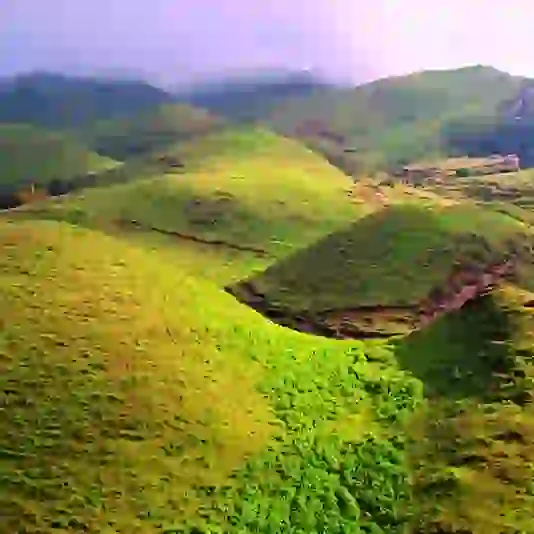
Khaptad National Park
This one, too, was established in 1984 and is located in Nepal's mid-mountain province. Leopards, pheasants, kalij, butterflies, moths, and other creatures and plants can be found here. The grassland was named after the late Khaptad Swami, who dwelt in the area to meditate and worship. Spring, from March to May, and autumn, from October to November, are the most suitable times to visit this location. This one features numerous medicinal plants.
Bardia National Park
The national park, which is located in Nepal's Terai region, was established in 1988. The Karnali River flows nearby, or at least one of its eastern branches does. While looking for your favourite animal, you can participate in various exciting activities. You may go on a jeep safari, take a guided forest walk, go river rafting, or camp in one of Nepal's gorgeous locations.
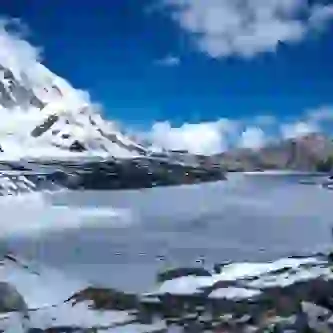
Langtang National Park
It was the nation's first national park, established in 1976. It's in Kathmandu's northwestern outskirts. The Langtang valley and the holy lakes at Gosainkunda are among the park's major components. Deep ravines with thick trees can be found. Wild dogs, impeyan, pheasants, ghoral, Himalayan tahr, and other species have been observed here.

Image Cr: PeakVisor
Caption: Gosaikunda In Langtang National Park
The Janai Purnima festival, which attracts many visitors, is another fascinating aspect. It is commemorated every year in August. March through November is the optimal time to explore this park.
Sagarmatha National Park
The national park is located in the Khumbu Region, northeast of Kathmandu. One of the most sought-after species to see in a national park, the snow leopard, may be found here. The serow, tahr, Maren, weasel, langur monkey, and other animals naturally cross your path when visiting this park.
The Sherpas who also reside here have a place to stay. One of the park's most outstanding features is its elevation: 9,700 feet above sea level. The most acceptable months to visit this national park are in the fall, from October to November, or in the spring, from March to May.
Parsa Wildlife Reserve
From a national perspective, the national park is at the heart of the country. There are many plant and animal species to choose from, including leopards, sloth bears, and snakes such as the king cobra. It's closer to the Chitwan National Park. It covers 499 square feet and is primarily made up of beautiful Sal trees. The months between May and September are the best time to visit this location.
Koshi Tappu Wildlife Reserve
The Saptari and Sunsari districts in eastern Nepal are home to the wildlife reserve. During the monsoon, the Sapta-Koshi River runs nearby, flooding the area. The wild buffalo is a significant animal that can be seen here with certainty. This national park also has other animals, fish, and birds. The national park is home to uncommon bird species found only in this area. The optimum time to visit this one may be between October and May.
Chitwan National Park
Among the most renowned national parks are found in Kathmandu's southwest region. Royal Bengal Tiger and one-horned rhinoceros also live in this region. Wild boars, bison, and various flora and wildlife species can also be found.

Caption: Elephants Riding in the Chitwan National Park
The park's main feature is the prospect of elephant back, excursions, canoe expeditions, nature hikes, river rafting, and other activities. Between the cosy months of May and September is the best time to visit this park.
Shuklaphanta Wildlife Reserve
Shuklaphanta National Park is located in Nepal's Kanchanpur district, in the southern part of the country. This conservation area is known for its large population of marsh deer and the uncommon Bengal Florican. Indian pythons, kraits, rat snakes, and other creatures and flora have also been sighted. Another intriguing feature is the possibility of going on a jungle safari to learn more about the park. From February to May, or from mid-September to mid-December, is the most incredible time to visit this location. You can find Nepal's national parks on a map that you may get locally.
Makalu Barun National Park
This national park is around 2,300 square kilometres in size. From all four sides, the park is surrounded by famous sights. The serpent-like Arun River runs along the eastern side, the Sagarmatha National Park runs along the west, the Nepal-China border runs along the north, and the Suane Danda Hill runs along the south. The chirping of the enormous diversity of birds is a delight to the ears. There are also animals such as the serow, langur monkey, and Himalayan weasel. October to November, or March to April, are ideal for visiting.
Annapurna National Park
Productive farmland, untouched natural forest, and encounters with a broad range of ethnic tribes contribute to a diverse range of experiences that make the Annapurna Trek one of the most rewarding walks in Nepal. Here, you'll get to enjoy the time of your life. While trekking, always be sure to wear comfy and sturdy shoes.
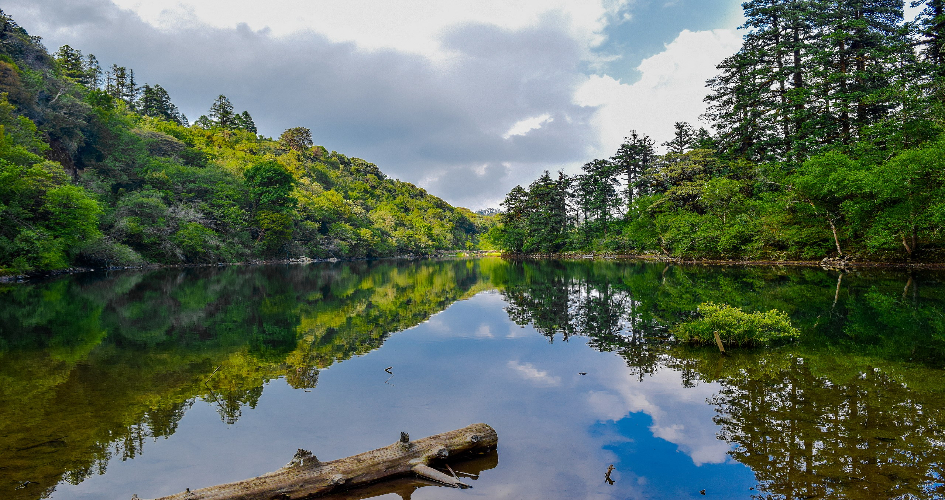
Rara National Park
Rara National Park's alpine coniferous vegetation is representative of the region's flora and fauna. The Rara National Park is home to 214 bird species, around 200 floral varieties, and 20 animal species. The snow trout is among those fish species that have been recognized so far in terms of lake life.

Cation: Rara National Park's stunning lake amidst the untouched wilderness