One of the most essential festivals setting a grand exemplar of Hindu celebrations in Nepal is Janai Purnima, especially for the Brahmins and Chhetris. The day falls on the full moon of the month Shrawan, which generally falls in August. Falling on the full moon day of the month of Shrawan, usually in August. One drug is used as a "change for Janai Purnima itself" in 2026, an occasion for religious events, threading, and family functions. Janai Purnima, the day on which Hindu men renew their Janai thread, is called Raksha Bandhan.
The Backstory of Janai Purnima
Janai Purnima traces its origin to the Vedic era, when it was believed that the Janai, or the cotton thread, was a holy and sacred sign of spiritual might and one's bond with divine powers. The Janai is traditionally delivered to boys through a special initiation ceremony known as Upanayan or the Thread Ceremony. The sacred thread, considered a symbol of high worship, is worn across the body on Janai Purnima, the day to don the thread again, signifying a vigorous spirit of higher education and spirituality.
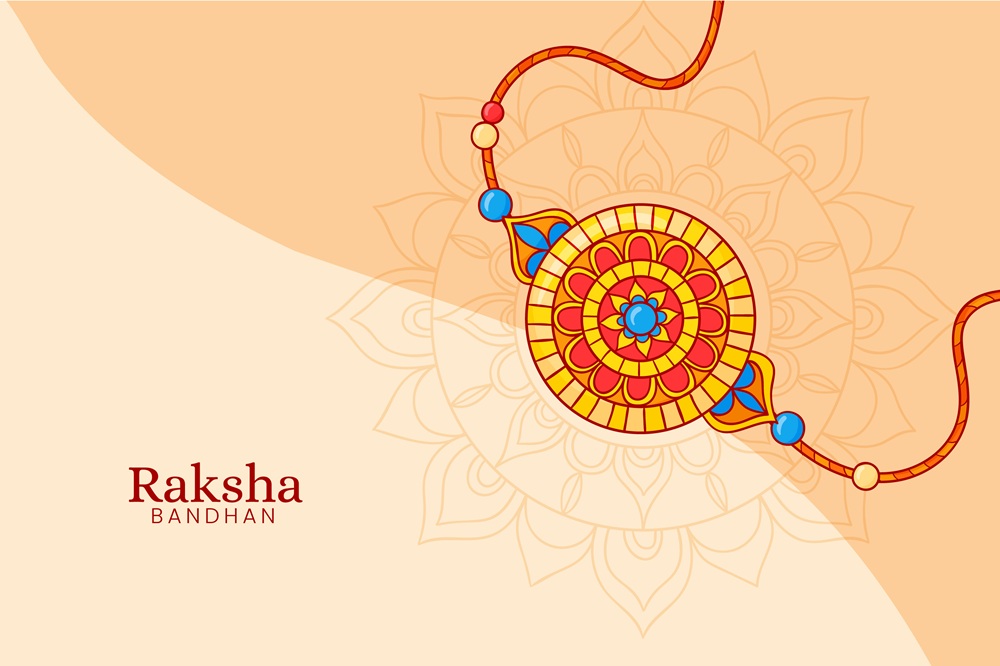
Janai Purnima is an occasion for fraternity. Sisters tie a Rakhi to their brothers' hands as a guarantee of protection. Raksha means to protect, care, and love. In Nepal, Janai Purnima combines religious rites with family traditions.
What is Janai Purnima?
Janai Purnima, rather than a religious celebration, is steeped in Nepali culture. It is the renewal of the Janai, also known as the sacred thread, worn by the men of the Brahmin and Chhetri castes, respectively, signifying their connection with spiritual obligation and divine grace. On this day, it is also marked for rituals and prayers to Lord Shiva and Lord Vishnu to seek blessings of good health and prosperity. There is also a symbolic reference to the strengthening of family ties through the Raksha Bandhan rituals.
How is Janai Purnima Celebrated?
1. The Janai Renewal Ritual
On Janai Purnima, men undergo a religious ritual in which priests or elders renew their Janai. The ceremony involves puja or worship and daan, or the offering of blessed food and beverages like panchamrit, a blend of milk, honey, ghee, yoghurt, and sugar, to seek the blessings of Lord Shiva and Lord Vishnu. The sacred thread is once more wrapped around the body, dedicating oneself again to one's spiritual journey and worship.
Hop Nepal Tip: Attend the Janai renewal ceremonies at local temples on Janai Purnima 2026 in Pokhara or Kathmandu and see this ancient tradition with your own eyes.
2. Raksha Bandhan Ritual
Apart from Janai's renewal, Raksha Bandhan is also celebrated on the same day. Sisters tie a Rakhi on their brothers' wrists, signifying that they love, care for, and safeguard them. In turn, brothers present gifts or vows of protection to their sister, assuring her of protection. This part of the celebration strengthens the relationship between siblings on an emotional note.
3. Traditional Puja and Offerings
In Nepal, puja is performed by families and communities in the home or temples. Panchamrit, fruits, and flowers are presented to the gods for their blessings of happiness and prosperity. Incense sticks are burned, and prayers are offered to keep the family healthy and thriving in the coming year.
Janai Purnima 2026: Celebrating in Nepal
The celebration of Janai Purnima will be observed as one of the happy festive days in the Nepalese context in 2015. Temple complexes like Pashupatinath and Swayambhunath (Monkey Temple) are among the centres where the ritual renewal of Janai is observed. There are thousands of people on this day to renew their Janai, pray, and meet family and friends.
Most Nepali families gather at home to celebrate the festival of Raksha Bandhan. They gift each other, eat together, and exchange blessings. Jatra is sacred and serves to bind the people through age-old rites.
Hop Nepal Tip: At Kathmandu's Pashupatinath Temple, view the Janai Purnima ceremony, which begins with the sacred renewal of the holy thread, followed by significant rituals and prayers.
Janai Purnima Across Nepal: Regional Celebrations
While Janai Purnima is celebrated across the country, its celebration may differ region-wise:
1. Janai renewal ceremony is an essential aspect of the day in the Kathmandu Valley, especially in temples and religious places.
2. Raksha Bandhan is celebrated mainly by grand family reunions and cultural programs.
Janai Purnima, also a significant festival of the mountain villages, is the day when families gather in different public places to hold a joint prayer and offering.
How Can You Celebrate Janai Purnima 2026?
1. Partake of the Rituals
While staying in Nepal at the time of Janai Purnima 2026, you can partake in some local temple or home rituals of Janai renewal. Get down on prayer yourself. Offer panchamrit and renew your spiritual connection with the Divine.
2. Tie Rakhi with Family Members
Whether you are living abroad or at home in Nepal, tie a Rakhi on your brother or send one as a gesture of love and protection for Raksha Bandhan.
3. Offer Prayers for Happiness and Good Health
Prayers for peace, protection, and prosperity are due for offering themselves upon you and your family. The day binds your soul with the divine, whether a complete puja is conducted or even prayers are offered at home.
Final Thoughts on Janai Purnima 2026
The festival occasion brings a family together, offers spiritual uplift, and preserves culture. It is whatever bridge for one's roots, bonding interpersonal forces, and spiritual upliftment, whether in Nepal or from some other shots.
Celebrate Janai Purnima 2026 by observing these age-old traditions.
By either the Janai renewal ceremony, Raksha Bandhan, or simply praying, this sacred festival of Janai Purnima 2026 is a request to reflect on the past year and pray for blessings from God in the coming year. Hop Nepal guides you through the most genuine cultural experiences in Janai Purnima 2026. We have organised cultural tours, temple tours, and personalised experiences that engage you in Nepali culture.
FAQs: Janai Purnima 2026
When is Janai Purnima in 2026?
August 26, 2026 (Full moon day of the Nepali month Shrawan ).
What is the actual difference between Janai Purnima and Raksha Bandhan?
They coincide! Janai Purnima focuses on the renewal of men's sacred thread; Raksha Bandhan celebrates sibling bonds.
Can women wear the Janai?
Traditionally, no. The Janai is worn by initiated Hindu men. Women participate through the tying of the Rakhi and family rituals.
Can foreigners/tourists attend rituals?
Yes! Observe respectfully at temples (e.g., Pashupatinath). For deeper immersion, join a Hop Nepal cultural tour (we arrange priest-guided experiences).
What are your thoughts on a Raksha Bandhan celebration for a brother or sister who is abroad?
Mail Rakhi well in advance! Sisters will tie it digitally over video call; the brothers send e-gifts/vows.
What should I wear to ceremonies?
Modest attire (covered shoulders/knees). Avoid leather in temple precincts.
Why is Janai's thread changed annually?
It symbolises rejecting impurity and renewing commitment to spiritual progress.
Which gods are worshipped?
Primarily Lord Shiva (as protector) and Lord Vishnu (preserver of life).
Where's the best place to experience Janai Purnima?
Pashupatinath Temple (Kathmandu) for grand rituals. Hop Nepal offers VIP access with cultural interpreters.
Are there special foods eaten?
Yes! Kwati (sprouted bean soup) is a ritual dish. Families also share sweets like laddoos.