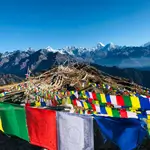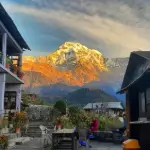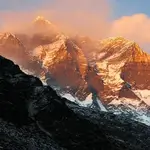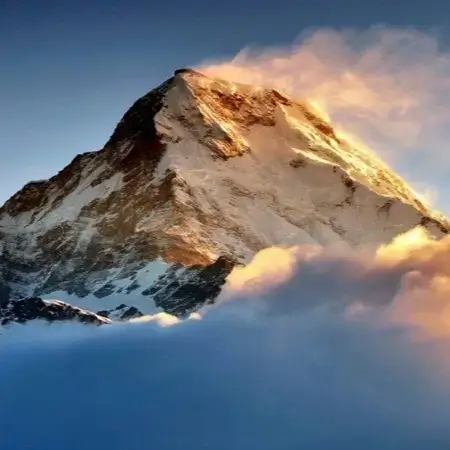
Everest is the ultimate test of human mountaineering skills and the world's most iconic mountain. Since Sir Edmund Hillary and Tenzing Norgay's historic climb in 1953, this Himalayan giant has attracted thousands of climbers from all over the world in pursuit of the dream of standing on the world's highest point.
It is important to understand the statistics surrounding Everest climbing for several reasons. First, it helps track changes in safety statistics as climbing gear improves and weather prediction improves. It also helps track the commercialization of the mountain, leading to overcrowding concerns. Once the statistics have been understood, it can then be demonstrated how the accessibility of extreme climbing has been made possible for non-professional climbers.
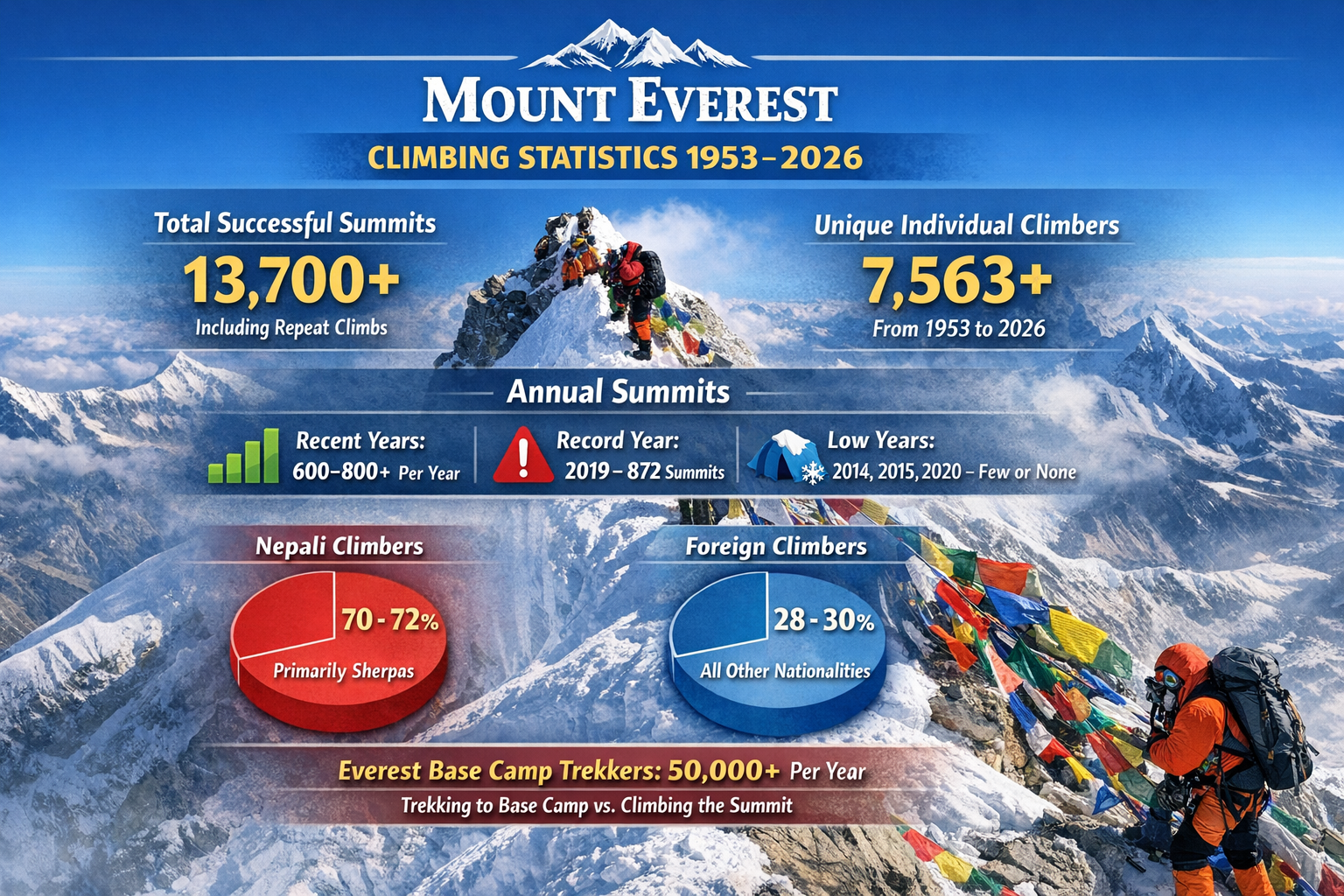
As of 2026, there are 7,563 to 7,646 unique individuals who have successfully climbed Mount Everest. The total number of summits is over 13,737, including climbers who have climbed the mountain more than once. The annual summits have increased from the single-digit successes of the 1950s-1970s to 600-800+ summits per year in recent years. 2019 marked a record year, with 872 successful summits.
It is important to note the difference between scaling Mount Everest and trekking to Everest Base Camp. Although the number of people scaling Mount Everest is in the hundreds each year, the number of people trekking to Everest Base Camp is over 50,000. This makes Mount Everest one of the most sought-after trekking spots in the world, without the need for mountaineering skills.
How Many People Have Climbed Mount Everest to date? (All-Time Record)
Total Number of Successful Summits
Cumulative Statistics (1953–2026):
- Total Successful Summits: Approximately 13,700+, which includes repeat summits.
- Unique Individual Climbers: Over 7,500 different people.
- Nepali Climbers (Primarily Sherpas): Approximately 70 to 72% of all summits include Nepali Climbers.
- Foreign Climbers: Approximately 28-30% of all summits include foreign climbers.
The first successful climb was recorded on May 29th, 1953, by New Zealand mountaineer Sir Edmund Hillary and Sherpa Tenzing Norgay from Nepal via the South Col route. The monumental achievement opened up Everest for subsequent climbing expeditions. Although Everest was open for climbing to the summit, climbing it was extremely difficult and expensive, hence, few attempts were made.
The difference between total summits and unique climbers indeed exists. This is because many people, especially Sherpa guides, climb the Everest summit several times during their lifetimes. Kami Rita Sherpa holds the record for successfully climbing to the Everest summit 31 times. It is a milestone he has reached on 27th May 2025. It shows the tremendous potential of high-altitude Sherpa climbers who usually work as guides during commercial expeditions.
Growth of Everest Summits Over Decades
1950s-1980s (The Early Era):
During Everest's first three decades, summits were extremely rare. The 1950s experienced a total of 2 successful summits, and this was all in 1953. The 1960s saw a total of 20 summits. The 1970s saw a moderate increase in Everest summits, totalling 80, and in the 1980s, there were 200 summits as new equipment was developed and route knowledge improved.
Earlier expeditions were huge national ventures that demanded substantial funding, months-long preparations, and large support teams. The success rate was still very low, and many expeditions failed to reach the top despite investing huge resources. Only a handful of elite mountaineers, known for their excellent high-altitude climbing and technical abilities, attempted to trek on Mount Everest.
1990s-2000s (Commercial Expedition Boom)
The 1990s marked a transformative shift with the advent of commercial guiding companies providing expeditions for paying clients. The democratization of climbing Mount Everest resulted in about 600 summits in the 1990s and over 2,000 summits in the 2000s.
Commercial companies such as Adventure Consultants, International Mountain Guides, and Himalayan Experience started organizing guided ascents to Mount Everest for a fee of $40,000 to $65,000. This meant only affluent people with average mountaineering skills could ascend the mountain, not elite mountaineers. This created controversy over "buying your way" to the top. Whether inadequately prepared, clients endangered themselves and others.
2010-2025 (Record-Breaking Years):
The 2010s witnessed a surge in the rate of growth in the number of climbers on Everest. During this period, there were over 5,000 successful summits. This translates to an average of over 500 summits per year. The 2020s have continued in the same vein. Currently, in the 2020s, it is recorded that there are between 600 to 800+ summits annually in good weather. The year 2019 saw a peak in spring, with a record 872 summits. In the spring of 2023, there were over 600 successful summits.
This period sees increasingly advanced weather forecasts. This enables precise window forecasts for the summit, oxygen availability, and climbing equipment. Established routes with fixed ropes assisted in reducing technical difficulties, and the rise in the number of first-time Himalayan climbers attempting Everest as their first 8,000-meter peak.
How Many People Climb Everest Each Year?
Average Annual Summit Numbers
Typical Yearly Summit Range (2015-2024): 600-800 successful summits
Record Year: 2019 with approximately 872 summits
Low Years: 2014 due to icefall avalanche, 2015 due to earthquake and 2020 due to COVID-19 closure with significantly reduced or zero summits.
The gap between permits out and summits achieved is quite large. Nepal usually issues 400-500 Everest climbing permits each year (at USD 11,000 per person), and China issues 100-200 permits on the north side (much more expensive at USD 15,000+). But only 60-70% of the people who got permits actually reach the summit because of weather conditions that do not allow a summit attempt, altitude sickness, physical exhaustion or injury, equipment failure or logistical problems, or the person’s own choice to abandon the climb.
Record-Breaking Years
Highest Summit Years:
- 2023: 655 summits during the spring season established new records despite concerns.
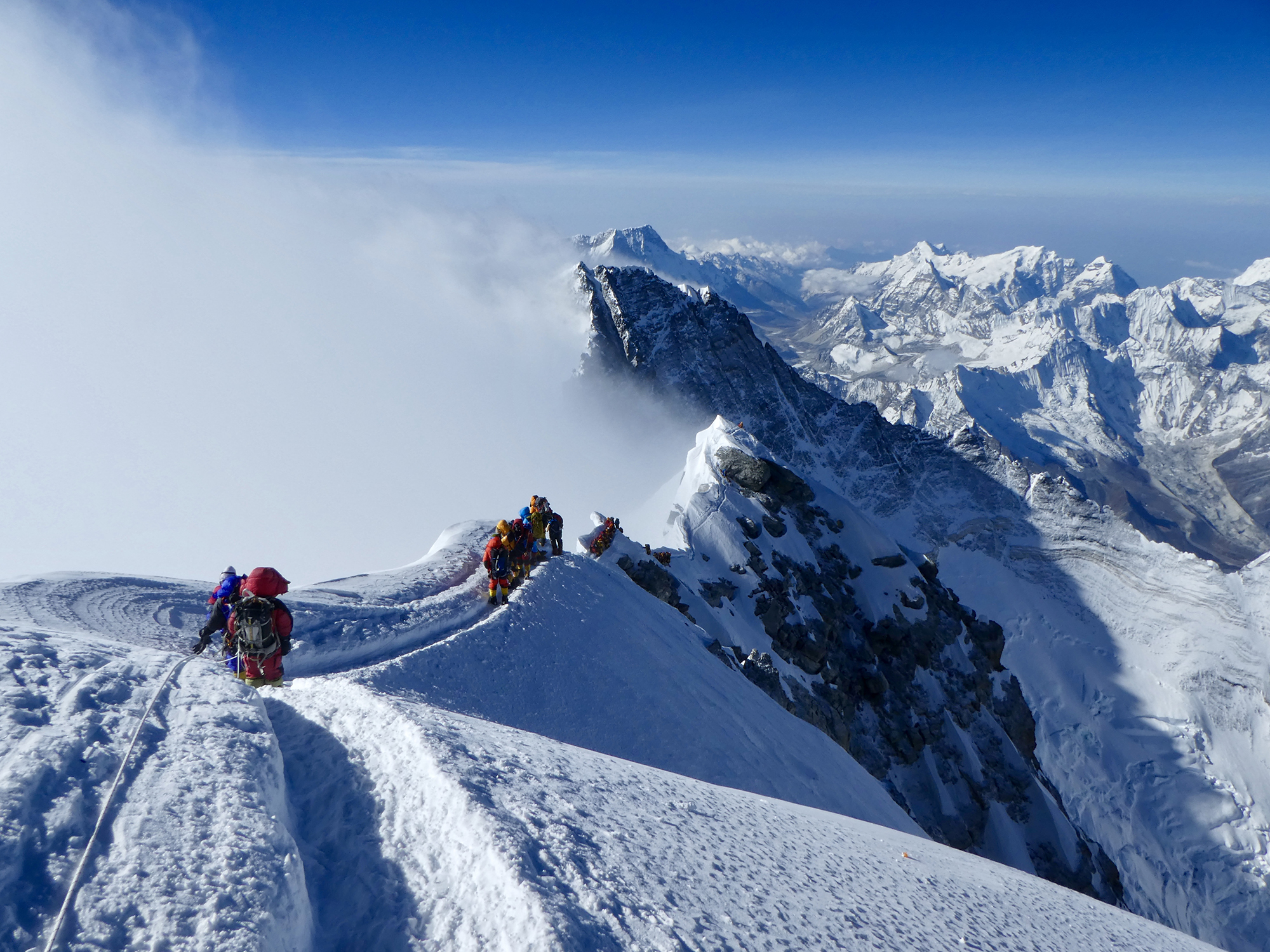
- 2019: 872 total summits across both seasons, including the widely publicized "traffic jam" photos.
- 2018: 800 summits showing consistent growth in summit numbers
Post-COVID Rebound: After the government of Nepal closed Everest in 2020 due to the COVID-19 pandemic, there were no summits. In 2021, the reopening of Everest saw around 400 summits. In 2022 and 2023, the reopening saw a massive rebound due to the pent-up demand of the 2020 expeditions, which were cancelled due to the pandemic.
Impact of Weather Windows: The success of climbers at the summit is heavily influenced by favorable weather windows of 3-7 days in May when wind speeds of the jet stream are low. In years with narrow, late weather windows, all climbers must reach the summit in just 1-2 days. In contrast, years with multiple and longer windows allow climbers to spread their summit dates over several days.
Spring Season vs Autumn Season
Spring (April-May):
- This is the Main climbing season. It contributes to 85 to 90% of total summits in a year.
- During spring, there is stable weather with a long summit window.
- Relatively warmer climate where temperature ranges from -15 to -30°C at the summit.
- Most commercial expeditions take place during the spring.
Autumn (September-October):
- Autumn is the secondary season, accounting for 10-15% of total summits in a year.
- This season has shorter weather windows with unstable conditions.
- Autumn season consists of colder climates where temperature ranges from -25 to -40°C at the summit.
- Fewer expeditions take place during this time, with experienced climbers only.
Nepal Side vs Tibet Side:
- Nepal South Col Route has a higher summit compared to Tibet, where 75-80% of total summits take place.
- Nepal has an easier permit process, with more commercial expeditions, and better infrastructure in the Khumbu region.
- Tibet North Ridge Route has lower summits compared to Nepal. From this route, only around 20-25% of the total summits take place.
- Tibet has higher permit costs, with more stringent rules, and technically tougher in some parts, with limited rescue services.
How Many People Climb Mt Everest Every Year?
Permit Numbers Issued Annually
Nepal Government (Department of Tourism):
- Average Permits Issued: 400 to 500 per year.
- Cost: The permit costs USD $11,000 per person for foreign nationals.
- Peak Year: In 2023, 478 permits were issued for the spring season.
- Process: The permit processing is easier and straightforward through trekking agencies.
China (Tibet Autonomous Region):
- Average Permits Issued: 100 to 200 per year, although figures are not transparent.
- Cost: USD 15,000 to 20,000+ per person.
- Restrictions: Much more stringent in their requirements, political factors involved, and the requirement for a Chinese liaison officer.
The total number of permits issued on both sides of the mountain is normally between 500 and 700 per year, but this number includes people who do not attempt to reach the summit because of sickness, weather, or their own decisions during the expedition.
Success Rate Per Year
About 60-65% of permit holders succeed in climbing. Factors Affecting Success:
- Weather: Narrow weather windows result in 40-50% success rates; wider windows result in 70-80%.
- Physical Conditioning: Well-conditioned climbers achieve 75%+ success rates; clients in poor physical condition achieve 40-50%.
- Altitude Acclimatization: Proper acclimatization plans greatly improve success.
- Experience Level: Climbers with previous 8,000m peak experience increase chances of success.
- Guide Quality: Well-experienced guide companies with strong Sherpa support lead to higher client success rates.
- Route: The Nepal route has slightly higher success rates compared to the Tibet route.
How Many People Have Climbed Mt Everest Successfully?
As of 2026, the total number of different people who have successfully climbed the mountain at least once exceeds 7,500. However, the total number of times people climbed the mountain exceeds 13,700, with many people, especially the Sherpa guides, climbing it multiple times.
Repeat Climbers (Sherpa Record Holders)
- Kami Rita Sherpa: 31 summits (record holder as of 2026)
- Pasang Dawa Sherpa: 27 summits
- Lhakpa Sherpa: 10 summits (female record holder)
These Sherpa climbers are hired as high-altitude guides. This led to numerous expeditions every year and, at times, climbing to the summit twice in one year (spring and autumn). Their outstanding high-altitude abilities, genetic adaptation to high-altitude conditions, and familiarity with the routes to Everest make them invaluable to commercial expeditions.
Notable Climbing Achievements
- Oldest Summiteer: Yuichiro Miura from Japan was 80 years old during the summit in the year 2013 A.D is the oldest Mount Everest Summitter..
- Youngest Summiteer: Jordan Romero from the USA was 13 years old during the 2010 A.D. summit and is the youngest Mount Everest Summitter.
- Fastest Ascent: Kilian Jornet from Spain was the fastest to summit Mount Everest, completing the ascent in just 26 hours in 2017.
- No Supplemental Oxygen: Approximately 200 people have summited without bottled oxygen, including Reinhold Messner (first in 1978)
Difference Between Attempts and Summits:
For every successful summit, about 1-2 climbers attempt but fail to reach the summit. The reasons for this are turning back due to altitude sickness, the most common reason; running out of oxygen or supplies; missing the turnaround point, usually around 1-2 PM; equipment failure or frostbite; and that it is not possible to descend safely if they continue.
How Many People Trek to Everest Base Camp Each Year?
Annual Trekker Statistics
Estimated EBC Trekkers: 50,000-60,000 per year (pre-COVID)
Statistics: Around 55,000 trekkers reached Everest Base Camp
Peak Season Breakdown: 60-70% in autumn, 30-40% in spring.
The huge disparity between Everest Base Camp trekkers (50,000+) and summiters (600-800) represents the accessibility divide. EBC trekking does not require any technical know-how, follows the conventional tea house system, and incurs an expense of USD 1,200-2,000 for an organized trek, which lasts 12-14 days round-trip from Lukla. On the other hand, summiting involves heavy mountaineering expertise, high-altitude knowledge and gear, an outlay of USD 40,000-100,000+, and an expedition
Impact of Tourism on the Khumbu Region
Economic Benefits:
The Khumbu region relies on tourism for over 60% of its economy, offering jobs as guides, porters, tea house owners, and related services. This has led to more money being spent on building schools and health posts and on improving infrastructure. The younger generation receives an education thanks to tourism revenue, while monasteries receive donations from tourism.
Overcrowding Concerns:
Busy trails experience congestion during peak seasons, with bottlenecks at suspension bridges and narrow sections. Namche Bazaar, Tengboche, and Gorak Shep have seasonal congestion. The tea house capacity is low, leading to accommodation problems. Disturbances, including noise and cultural issues, affect village life. Helicopter traffic disrupts residents and wildlife.
Environmental Impact:
Despite improved waste management practices, there is still a problem with litter left by trekkers. The use of firewood for heat and cooking is also contributing to deforestation. Human waste disposal is also a problem at higher altitudes. Erosion of trails due to overuse and helicopter pollution is also an environmental problem in the region.
Why Are Everest Numbers Increasing?
Commercial Expedition Companies:
This is because many guiding firms offer "all-inclusive" Everest expeditions. This has opened access to Everest for a large number of people: for a fee of USD $40,000 to $65,000, clients can access all they need, including a permit, a guide, oxygen, and tents, among other amenities, which previously made Everest exclusive to elite climbers.
Improved Gear & Weather Forecasting:
With modern technology such as lightweight down suits, sophisticated oxygen systems, GPS, and satellite phones, safety and success are greatly enhanced. Advanced weather forecasting enables the exact prediction of summit opportunities days in advance, allowing climbers to schedule their attempt to perfection. Fixed ropes on established routes simplify the climb, and helicopter evacuation services are available for emergency rescue.
Social Media Influence:
Everest summits are showcased on Instagram, YouTube, and other social media platforms, making it an aspirational "bucket list" experience. Social media influencers and celebrities sharing their experiences of climbing Everest make it seem like reaching the summit is a normal experience, rather than a feat only accomplished by professional mountaineers. Social media pressure makes people take up adventures that can be photographed and shared on social media platforms.
Bucket-List Tourism:
With the increase in global wealth, especially in the Asian region, more people have the financial resources to undertake expeditions to Everest. Everest has become a symbol of status and achievement for adventure-seeking wealthy people. Older people who are close to retirement age take advantage of their time and resources to fulfil their lifetime ambitions. Corporate-sponsored climbs also offer opportunities for brand representatives and executives.
Death Rate & Risk Statistics
Total Recorded Deaths: Over 330 climbers have died on Mount Everest since 1953.
Annual Fatality Rate (Modern Era): Approximately 1-3% of summiteers die during their expeditions.
Historical Comparison: The early 1990s and 2000s saw fatality rates of 3-4%. But during recent years, it has improved to 1 to 2% due to better equipment, forecasting, and rescue capabilities.
Primary Causes of Death:
- Avalanches: 25 to 30% of deaths
- Falls: 20 to 25% of deaths
- Altitude Sickness (HACE/HAPE): 15 to 20% of deaths
- Exposure/Hypothermia: 15 to 20% of deaths
- Exhaustion: 10 to 15% of deaths
- Other (cardiac events, falling ice, medical conditions): 10 to 15%
Dangerous Zones
- Khumbu Icefall: This is the most hazardous part on the Nepal side with changing seracs and crevasses.
- Death Zone (above 8,000m): Above 8,000 m, it is referred to as the death zone due to a lack of oxygen, leading to rapid deterioration.
- Hillary Step/Summit Ridge: Technical parts with exposure and congestion.
- Descent: Most deaths are experienced during the descent due to exhaustion.
Comparison Between Past and Modern Expeditions
The mortality rate of the initial expeditions in the 1950s-1980s was 5-6% due to the lack of technology, poor weather forecasting, and limited rescue services. The mortality rate of the current expeditions in the 2010s-2020s is 1-2%. This is due to the technology used, the availability of helicopter services up to an altitude of 7,000m, accurate weather forecasts, and improved safety measures. However, this has given rise to another problem: congestion in the mountain during short weather windows, causing climbers to remain in the death zone for hours and thereby depleting their oxygen reserves.
Conclusion
The statistics of the people who have climbed Mount Everest indicate a tremendous shift from the elite accomplishment of the 1950s-1980s, when only a few people climbed the mountain every year, to the present-day commercialization of the climb, where 600-800 people reach the summit every year. More than 6,600 people have successfully summited the mountain since 1953, with more than 12,000 summits when including the Sherpa guides who climb the mountain every year.
The difference between the number of people who climb the summit of Everest (600-800 per year) and those who trek to Everest Base Camp (50,000-60,000 per year) illustrates the vast difference in ease of access and difficulty. While the Everest Base Camp trek offers stunning Himalayan views and insight into the region's culture without requiring technical climbing skills, climbing Everest is a very dangerous adventure, even with modern technology.
Frequently Asked Questions
Q. How many people have climbed Mount Everest?
More than 6,600 different climbers have successfully reached the summit of Mount Everest since 1953, with the cumulative number of summits surpassing 12,000 when including repeated summits. About 40% of the people who have summited the mountain are Nepali Sherpas, while 60% are foreigners from more than 80 countries.
Q. How many people climb Everest per year?
Every year, 600-800 people successfully climb Mount Everest, with around 655 summits in spring 2023. However, every year, 500-700 permits are issued in the Nepal and Tibet regions, with a success rate of 60-65%, allowing 300-450 people to successfully climb the mountain.
Q. How many people trek to Everest Base Camp each year?
Every year, 50,000 to 60,000 people make the journey to Everest Base Camp, significantly more than the 600-800 people attempting to climb the summit. Climbing to Everest Base Camp does not require any technical knowledge and costs between USD 1,200 and 2,000, whereas attempting to climb the summit requires a
Q. What is the success rate of climbing Everest?
The overall success rate for reaching the summit of Everest is about 60-65% of permit holders. The success rate is influenced by the size of the weather window (small windows decrease success to 40-50%; larger windows increase success to 70-80%). Fitness and acclimatization, prior high-altitude experience, and the quality of the guide service also influence success.