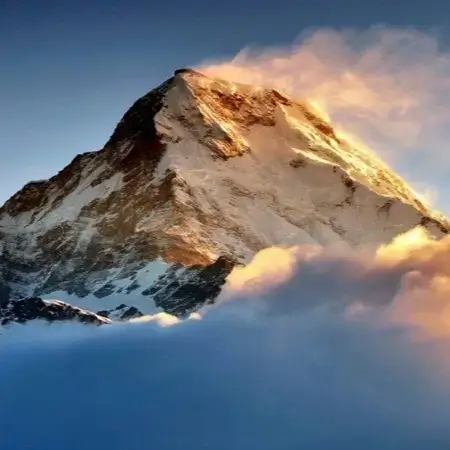

Are you planning to climb Island Peak in 2026? Before going on a trek, you must know the permit costs. It is essential to be well-prepared for this exciting Himalayan adventure. Island Peak, also referred to as Imja Tse, is 6,189 meters tall. It is located in the Khumbu region.It provides climbers with an ideal acclimatization experience to high-altitude climbing with breathtaking views of Everest, Lhotse, and Makalu.
Island Peak demands more than one permit. The fees differ considerably depending on your nationality and the season of your climb. In this ultimate guide, we will outline the specific permit fees for 2026 and provide information on how to obtain the permits, along with the crucial rules you must abide by. Whether you are a foreigner, a citizen of SAARC nations, or a Nepali, we will provide you with the specific details for your Island Peak adventure.
Why You Need an Island Peak Climbing Permit
Island Peak is a trekking peak in Nepal. Although do not be misled by this nomenclature, as it still requires the necessary permits, climbing expertise, and mountaineering gear. The Nepal Mountaineering Association (NMA) governs all trekking peaks in Nepal, including Island Peak, to ensure the safety of climbers and the conservation of the environment.
Who Regulates Island Peak Permits?
The Nepal Mountaineering Association (NMA) was formed in 1973. It is the governing body for trekking peaks in Nepal. The NMA is responsible for issuing climbing permits for all peaks under 7,000 meters, including Island Peak. The cost of permits and the procedure for obtaining them are determined by the NMA.
Multiple Permits Required
Island Peak Climbing is not as straightforward as obtaining one permit and packing off to the mountains. There are three different permits that you will require for the climb:
- Island Peak Climbing Permit (NMA Permit): This is the main climbing permit issued by the Nepal Mountaineering Association. The cost of this permit varies by season and your nationality.
- Sagarmatha National Park Entry Permit: This permit is required because Island Peak is located within the Sagarmatha National Park, a UNESCO World Heritage Site that protects the unique ecosystem of the Everest region.
- Khumbu Pasang Lhamu Rural Municipality Permit: This is a fee charged by the local government and is used to develop the Khumbu area where climbing activities occur.
Why Costs Vary by Nationality
Nepal operates a tiered permit pricing system. This ensures that the revenue generated from tourism is well balanced with regional cooperation. Foreigners are charged international rates to support the development of conservation and mountaineering infrastructure. SAARC nationals are charged discounted rates to promote tourism within the region. Citizens of Nepal are charged low rates as part of their citizenship privileges.
This pricing structure also takes into account the foreign relations of Nepal and the objectives of its tourism policies, making climbing easier for neighboring countries while raising the necessary funds from foreign climbers.
Island Peak Climbing Permit: Cost Breakdown
Knowing the full cost structure will help you budget appropriately and avoid surprises when acquiring permits. All costs listed below are based on the current 2026 exchange rate.
Island Peak Climbing Permit Cost for Foreigners
Foreigners (citizens of non-SAARC nations) pay the highest fees for permits, with significant differences depending on the climbing season. The NMA sets the rates to control the flow of climbers during peak seasons and promote climbing during the off-season.
Spring Season (March-May):
- Cost: USD $250 per person
- NPR Equivalent: NPR 36,213
The period of April and May is the best time for climbing Island Peak, with favorable climatic conditions and less snowfall. The permit cost is higher due to the high demand for climbing.
Autumn Season (September-November):
- Cost: USD $125 per person
- NPR Equivalent: NPR 18,106
The weather conditions during autumn are ideal for climbing, with the added benefit of obtaining a climbing permit at half the price required in spring. The post-monsoon season is characterized by clear skies, a clear view of the mountains, and a stable environment suitable for climbing at high altitudes. The climate during September and October is ideal, making autumn the best season for climbers on a budget.
Winter & Summer Season (December-February & June-August):
- Cost: USD $70 per person
- NPR Equivalent: NPR 10,140
The cost of permits during the off-season is much lower, but there are many difficulties. During winter, there is extreme cold (-30°C), snowfall, and difficulties. The monsoon season in the summer brings heavy rainfall, poor visibility, and the risk of avalanches. Only experienced climbers should attempt Island Peak during these seasons, despite the low permit cost.
Island Peak Climbing Permit Cost for SAARC Nationals
Citizens of SAARC nations (Bangladesh, Bhutan, India, Maldives, Pakistan, Sri Lanka) have significantly lowered permit costs to promote regional tourism and cultural exchange.
Spring Season:
- Cost: $USD 125 per person
- NPR Equivalent: NPR 18,106
Autumn Season:
- Cost: $USD 70 per person
- NPR Equivalent: NPR 10,140
Winter & Summer Season:
- Cost: $USD 50 per person
- NPR Equivalent: NPR 7,243
Members of SAARC receive spring permits at a 50% discount, and approximately 40-45% off for other periods, compared to foreign nationals. This has made Himalayan climbing relatively cheaper for South Asian climbers.
Island Peak Climbing Permit Cost for Nepali Citizens
Nepali citizens pay the lowest permit fees, reflecting their national status, while still contributing to mountaineering infrastructure and conservation programs.
All Seasons:
- Cost: Approximately NPR 5,000-10,000 (USD $35 - $70)
- Exact fees vary by season and NMA policy updates
Nepali climbers face minimal permit barriers, encouraging domestic participation in mountaineering and developing Nepal's climbing culture. The reduced fees acknowledge that Nepali guides, porters, and climbers are the backbone of Himalayan mountaineering and that accessibility is a factor in professional development.
Island Peak Climbing Permit Cost for Indian Climbers
Indian citizens, as SAARC nationals, are treated the same as other SAARC nations regarding permit fees:
Spring:USD $125 (NPR 18,106)
Autumn: USD $70 (NPR 10,140)
Winter/Summer: USD 50 (NPR 7,243)
Indian climbers account for a substantial number of SAARC climbers in Nepal, and the proximity of India to Nepal, as well as the Himalayan heritage that both countries share, make the mountains of Nepal especially accessible destinations.
Additional Required Permits
In addition to the NMA climbing permit, two further permits are required for the area where Island Peak is situated, in the Khumbu region.
Sagarmatha National Park Entry Permit
Island Peak is situated in the Sagarmatha National Park, established in 1976 to conserve the unique biodiversity and glacial features of the Everest region. An entry permit is required for every trekker and climber entering the park, which supports conservation efforts.
Foreign Nationals:
- Cost: NPR 3,000 (approximately USD $21)
- Single entry valid for the entire climbing expedition
SAARC Nationals:
- Cost: NPR 1,500 (approximately USD $10)
- 50% discount compared to foreign nationals
Nepali Citizens:
- Cost: NPR 100 (approximately USD $1)
- Nominal fee for national citizens
The permit for Sagarmatha National Park is usually obtained at the park entrance gate in Monjo (after Lukla) or arranged in Kathmandu before leaving. The permit enables trekkers to visit the entire park, including well-known trekking trails such as Everest Base Camp, Gokyo Lakes, and all climbing peaks.
Local Municipality Permit
The Khumbu Pasang Lhamu Rural Municipality has recently introduced a local entry fee that supports community development, infrastructure maintenance, and local services for trekkers and climbers.
All Nationalities:
- Cost: NPR 2,000-3,000 (approximately USD $14 - $21)
- Fee structure may vary slightly year to year
This is a relatively new permit that ensures revenue from tourism is directed to the local communities that maintain the trails, operate tea houses, and provide services that enable trekking and climbing. The municipality uses funds for school improvements, health posts, trail repairs, and community facilities.
Permits are usually obtained at checkpoints along the route or at municipality offices in Namche Bazaar or Lukla.
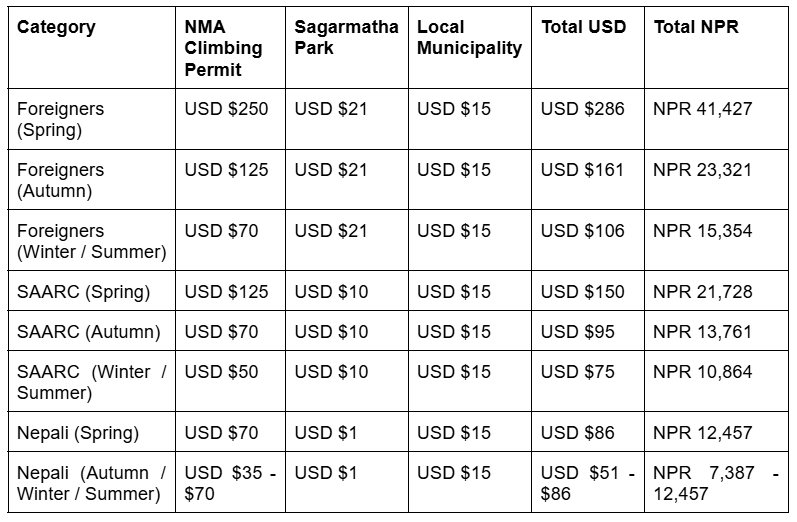
Total Permit Cost Table
You must understand your complete permit investment. This helps with accurate expedition budgeting. The following table shows all permit costs combined:
Where to Get Your Island Peak Climbing Permit
You must visit the official offices in Kathmandu to obtain permits, or you can get them along the trekking route. You must understand your options to help plan efficient permit acquisition.
Nepal Mountaineering Association (NMA) Office, Kathmandu
Location: Nag Pokhari, Kathmandu
Office Hours: Sunday-Friday from 10:00 AM - 5:00 PM
The NMA headquarters in Kathmandu is the central point for obtaining permits to climb Island Peak. The procedure for obtaining permits will take 1-2 business days if all the required documents are submitted. Arriving in Kathmandu 2-3 days before the trek will assist in the procedure for obtaining permits and preparing for acclimatization.
Required Documents:
- Original passport with 6 months of validity period
- Nepal entry visa
- 4 to 5 recent passport-size photographs
- Completed NMA application form
- Travel insurance certificate that covers high altitude climbing
- You detailed itinerary with dates
- A recommendation letter from the trekking agency is required
Sagarmatha National Park Office
Primary Location: Monjo checkpoint
Alternative: Nepal Tourism Board office, Kathmandu
Most climbers acquire permits for Sagarmatha National Park at the Monjo checkpoint on their way to the Island Peak base camp. The checkpoint is operational every day of the trekking season. However, it is important to obtain permits from Kathmandu to avoid possible delays or closure at the checkpoint.
Khumbu Municipality Offices
Locations: Lukla, Namche Bazaar, or designated checkpoints along the trekking route. Processing: Typically same-day with cash payment
Municipality permits are normally collected at checkpoints along the way of your hike. This does not require you to go to offices separately. This is normally organized by your guide.
Obtaining Permits Through Registered Trekking Agencies
The best and easiest way to obtain the permits is to let your trekking agency handle everything. Since the rules of Island Peak only allow guided climbing through licensed trekking agencies, your agency will include permit processing in its package.
Agency Services Include:
- Full support in the permit application
- Preparation and submission of documents
- Payment of permit fees on your behalf
- Receiving the permit and delivery to you
- Arrangements with NMA and government offices
This service saves you from language barriers, the hassle of visiting government offices in Kathmandu, ensures you have the right documents, and helps you avoid mistakes that might delay your climb. Service fees charged by most organizations are very minimal (USD $20 - $50).
Important Rules & Tips
Compliance with permit regulations ensures one climbs legally and helps preserve Island Peak for the future.
Carry Permits During Trek
It is always important to have all three permits (NMA climbing permit, Sagarmatha National Park permit, and municipality permit) readily available and protected from water. Multiple checkpoints along the route to Island Peak verify permits, including Lukla airport exit, Monjo (Sagarmatha National Park entry), Namche Bazaar, and Chhukung/Dingboche area checkpoints.
Authorities may ask for permits at any checkpoint or tea house. Lack of proper permits will result in the termination of the trek, hefty fines, or even deportation. Store copies of documents separately for backup.
Permits Are Non-Transferable
Permits are issued to particular individuals, with passport details, photographs, and personal information. The offence of sharing permits, using another person's permit, or attempting to transfer permits is against the regulations and constitutes serious fraud. Each permit bears your photograph and passport number, making fraud easily detectable.
Offences will lead to the immediate termination of the expedition, heavy fines (USD 500-5,000), possible arrest, and future climbing bans in Nepal. The cost savings are not worth the serious penalties.
Peak Climbing Only Allowed With Licensed Guides
The regulations in Nepal state that all climbers on Island Peak must be accompanied by government-licensed climbing guides. These guides are certified by the Nepal Mountaineering Association.
Licensed guides are important because they ensure that:
- There is expert leadership on the technical parts of climbing
- There is proper safety and emergency planning
- The environment is protected by responsible climbing practices
- The local Nepalese climbing community benefits economically
Independent or solo climbing is prohibited. Your trekking company must provide you with licensed climbing guides, and you must verify the guide's license before going on the trek. The licensed guides carry government-issued identification and training and licensing certificates.
Final Thoughts
Island Peak Climbing is an adventure of a lifetime that you should not miss. It is essential that you understand the permits and fees involved so you can have a smooth experience. Some essential permits include the Nepal Mountaineering Association Climbing Permit, the Sagarmatha National Park Entry Fee, and others. They are all essential in their own way for the conservation of the region and for supporting local communities. It is essential to understand the fee system for foreigners, SAARC nationals, and Nepalese climbers.
However, you need proper preparation and permits from the relevant offices or a trusted trekking company. For ascending Island Peak, you have to hire a guide and follow all the guidelines. This ensures the safety for both the climber and the environment. After acquiring all the necessary documents and a guide, you can enjoy the beautiful sights of Everest, Lhotse, and Makalu while fulfilling your Himalayan dream.
Frequently Asked Questions
How much does the Island Peak climbing permit cost?
If you are going to climb Island Peak, the permit costs USD $250 in spring, USD $125 in autumn, and USD $70 in winter and summer seasons for foreigners. SAARC nationals have a 50% discount, and Nepali nationals pay approximately NPR 5,000-10,000. Additionally, a Sagarmatha National Park permit and a Khumbu Municipality permit are also required.
Do SAARC nationals get a discount on Island Peak permits?
Yes, SAARC nationals receive a discount on the permit fee for climbing Island Peak. They only need to pay 50% of the cost that foreign climbers pay: USD $125 instead of USD $250 in spring, USD $70 instead of USD $125 in autumn, and USD $50 instead of USD $70 in winter and summer seasons. They also get a discount on the entry fee for Sagarmatha National Park, where they pay NPR 1,500 instead of NPR 3,000.
How much is the Sagarmatha National Park fee?
The entry fee for Sagarmatha National Park depends on your nationality. Foreigners have to pay NPR 3,000, SAARC nationals pay NPR 1,500, and Nepali nationals pay NPR 100. The permit fee applies throughout your stay in the park and supports conservation of the Everest region.
Can I get Island Peak climbing permits online?
No, the permits for Island Peak cannot be obtained online. The climbing permit has to be issued by the Nepal Mountaineering Association in Kathmandu. Although there is no official online system in place, the agencies can handle the paperwork and process the permit for you before your climb.
Where is the NMA permit office in Kathmandu?
The Nepal Mountaineering Association office is in Nag Pokhari, Kathmandu, near Bal Mandir School, about 1-20 minutes from Thamel by taxi. It’s open Sunday to Friday, 10 AM to 5 PM. Bring your passport, photos, and required documents.