
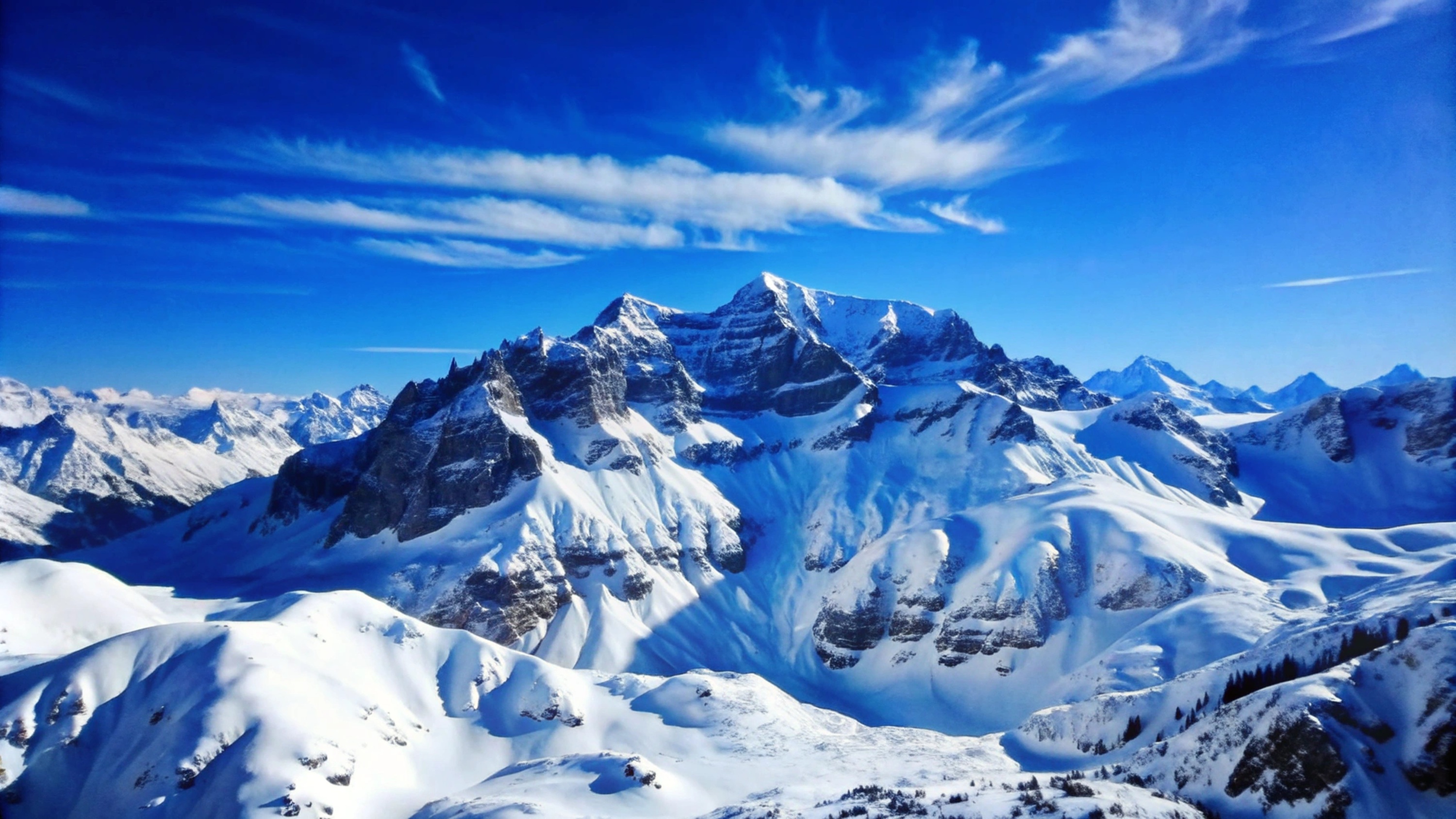
Updated List of 14 Mountains Above 8000m in Nepal
Nepal is variously described as the Land of the World's Highest Mountains or home to the lofty Himalayas. While 14 independent eight-thousanders are recognized globally (mountains exceeding 8,000 meters), Nepal's government now officially recognizes 14 peaks above 8,000 m within its territory, a count which includes subsidiary summits not internationally classified as independent mountains.
A further important distinction: internationally, Nepal hosts 8 wholly independent 8,000-meter peaks, whereas nationally, including those on the borders with neighboring countries, the total rises to 5, in addition to Dhaulagiri, Manaslu, and Annapurna. But for official mountaineering records in Nepal in 2024, the national count of peaks above 8,000 meters has risen to 14, with the inclusion of 6 more subsidiary peaks that fall under the 8,000m elevation mark.
Basically, understanding the difference between internationally recognized independent 8,000ers and Nepal's extended national list enables mountaineers to plan expeditions and understand permit requirements.
The newly added 8000m has positioned the country as an even more dominant force in high-altitude mountaineering. With advanced mapping technology and precise elevation measurements, it has been revealed that the nation actually hosts not 8 but 14 of these prestigious giants, both within and along its borders.
At Hop Nepal, we are committed to providing the most accurate and up-to-date information about Nepal’s mountaineering heritage. This comprehensive guide explores all mountains in Nepal above 8000m.
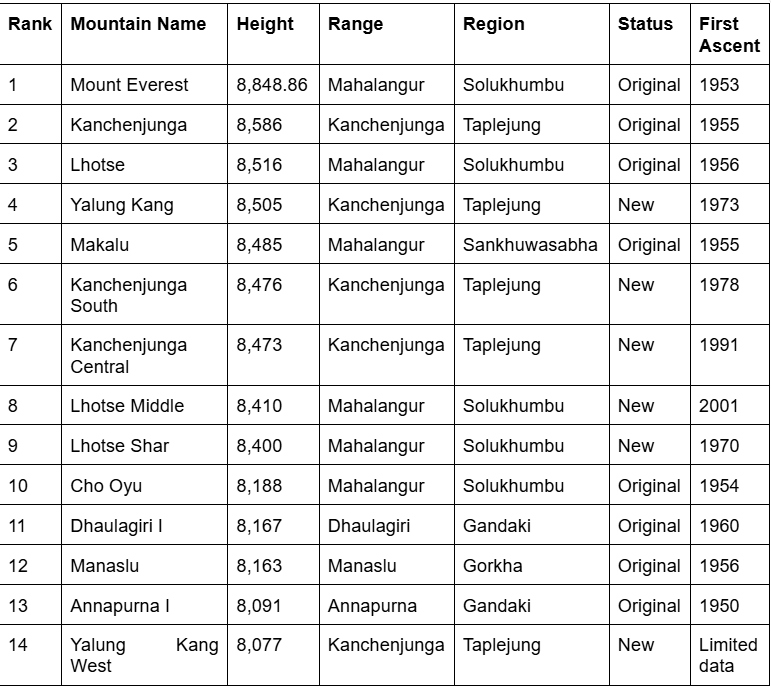
Mountains in Nepal Above 8000m: A Complete Reference Table
Understanding Nepal's 8000m Peak Count: National vs International Recognition
The Global Standard:
Internationally, the mountaineering community recognizes 14 independent eight-thousanders worldwide, mountains that exceed 8,000 meters and meet the UIAA (International Climbing and Mountaineering Federation) prominence criterion of 500+ meters.
Nepal's Official Position:
Nepal's government, through the Department of Tourism and Nepal Mountaineering Association, now officially lists 14 peaks above 8,000 meters within its borders for:
- National mountaineering records
- Tourism promotion
- Permit classification
- Geographic documentation
What Are 8000 Meter Peaks?
Mountains above 26,247 feet or 8000 meters represent the highest level of mountaineering challenge on Earth. The peaks are collectively known as the ‘Eight Thousanders’ and are found exclusively in the Himalayan and Karakoram mountain ranges of Asia.
Key Characteristics
- It has an extreme level of altitude with low oxygen, making it a possible death zone.
- The mountaineers will necessarily require expertise in climbing, the use of supplemental oxygen, and extensive acclimatization.
- The temperature can drop to -40°C, and wind speeds can exceed 200 km/h.
- There are only 20 mountains in the world, according to the Nepal count (14 officially recognized globally), that exceed 8000m in elevation, which makes them the ultimate mountaineering achievements.
The significance of these peaks extends beyond their physical height, which represents:
- The culture and spiritual landmarks of the local communities
- Scientific research opportunities
- Economic drivers for regional tourism developments
- Historical records of human endurance and exploration
How Many Mountains Above 8000m are in Nepal?
For decades, mountaineering records have shown that Nepal has 8 mountains that exceed 8000m in elevation. However, according to the new records resulting from the landmark revision, Nepal now officially has 14 eight-thousanders within its territory.
The Evolution of Nepal's 8000er Count:
- 8 peaks were widely recognized as the only 8000ers that Nepal consists of
- Current research and official counts show that Nepal has 14 peaks above 8000m, according to the Nepal Tourism Department.
- The basis of the updates is advanced satellite mapping, GPS technologies, and topographic reassessment.
Indeed, this update marks Nepal’s commitment to accurately documenting the geographical features that make up the mountains of Nepal. The number of mountains over 8000m in Nepal includes major peaks and subsidiary peaks that qualify for international prominence.
The revisions have significant implications:
- Increases opportunities for mountaineering permits
- Enhance the potential of tourism.
- More diverse climbing destinations
- Reduces overcrowding on traditional routes
List of 14 8000 Meters Peaks in Nepal (Officially Updated Lists 2026)
1. Mount Everest (Sagarmatha): 8,848.86m
2. Kanchenjunga: 8,586m
3. Lhotse: 8,516m
4. Makalu: 8,485m
5. Cho Oyu: 8,188m
6. Dhaulagiri I: 8,167m
7. Manaslu: 8,163m
8. Annapurna I: 8,091m
9. Yalung Kang (Kanchenjunga West): 8,505m
10. Yalung Kang West: 8,077m
11. Kanchenjunga Central: 8,473m
12. Kanchenjunga South: 8,476m
13. Lhotse Middle (Lhotse Central): 8,410m
14. Lhotse Shar: 8,400m
Original 8 Mountains in Nepal Above 8000m
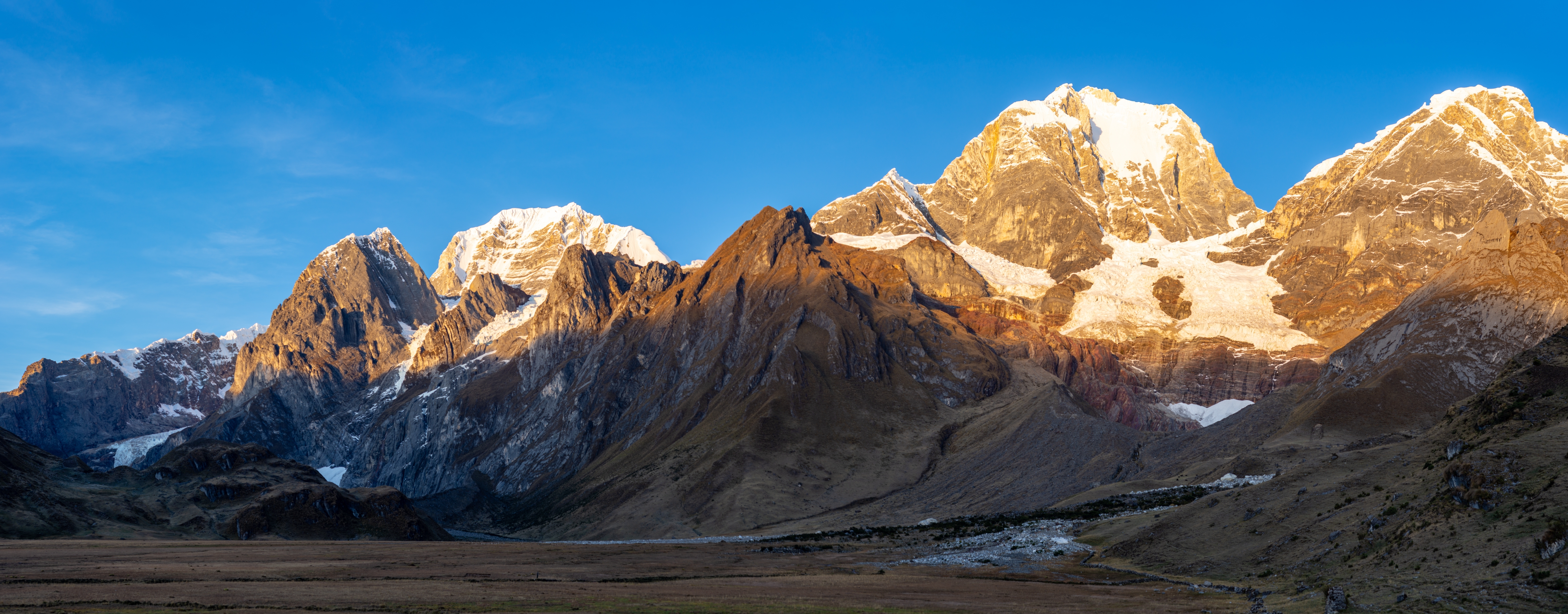
These mountain peaks have been recognized as Nepal’s crown jewels in mountaineering globally for decades:
1. Mount Everest (Sagarmatha): 8,848.86m
- It is officially the world’s highest mountain.
- It is located in Solukhumbu District and is also on the Nepal-Tibet border.
- Edmund Hillary and Tenzing Norgay were the first to ascend to the summit of Mount Everest.
- It is one of the most climbed 8000ers with established commercial routes.
2. Kanchenjunga: 8,586m
- It is officially the world’s third-highest mountain.
- It is located in Taplejung District and is also on the Nepal-Sikkim border.
- It is a sacred mountain that has climbing restrictions near the summit.
- It is located in a remote wilderness area.
3. Lhotse: 8,516m
- It is officially the world’s fourth-highest mountain.
- It is connected to Mount Everest via the South Col.
- It features one of the steepest faces in mountaineering.
- It is less crowded as it is located near Everest.
4. Makalu: 8,485m
- It is officially the world’s fifth-highest mountain.
- It is an isolated pyramid-shaped mountain.
- It is considered one of the most difficult 8000ers
- It is located in the Makalu-Barun National Park region.
5. Cho Oyu: 8,188m
- It is officially the world’s sixth-highest mountain.
- It is located in Solukhumbu and is also on the Nepal-Tibet border.
- It means ‘Turquoise Goddess’ in Tibetan.
- It is considered one of the easiest 8000ers due to its moderate slopes.
6. Dhaulagiri I: 8,167m
- It is officially the world’s seventh-highest peak.
- It is located in Gandaki Province, western Nepal.
- It means ‘White Mountain’ in Sanskrit.
- It was first climbed by a Swiss-Austrian expedition in 1960
7. Manaslu: 8,163m
- It is officially the world's eighth-highest mountain.
- It is located in the Gorkha district, Gandaki Province.
- It is called ‘Mountain of Spirit’.
- It is a popular trekking circuit surrounding the peak.
8. Annapurna I: 8,091m
- It is officially the world’s tenth-highest mountain.
- It is considered one of the most dangerous 8000ers with the highest fatality rate, which is approximately 32%
- It was one of the first 8000ers to be climbed in 1950
- It is located in the Annapurna Conservation Area.
Nepal New 8000 Meter Peaks (Six Newly Added Peaks)
The government has officially recognized the six additional peaks that meet the 8000-meter threshold. The new 8000-meter peaks are:
9. Yalung Kang (Kanchenjunga West): 8,505m
- It is located in the Kanchenjunga massif in eastern Nepal.
- It is the second-highest subsidiary peak in Nepal.
- It is rarely attempted due to its technical difficulty.
- It is sacred to local Limbu communities.
10. Yalung Kang West: 8,077m
- It is located in the Kanchenjunga range.
- It is extremely remote and is less explored.
- It has high-altitude mixed climbing.
- It requires an extended expedition through the Kanchenjunga Base Camp.
11. Kanchenjunga Central: 8,473m
- It is located in the central section of the Kanchenjunga massif.
- It is newly recognized as an independent 8000er
- It meets international standards for subsidiary peak classification.
- It consists of limited recorded ascents.
12. Kanchenjunga South: 8,476m
- It is located in the southern aspect of Kanchenjunga.
- It is the fourth-highest among newly added peaks.
- It is considered extremely sacred, and access to the summit is restricted.
- It has very few permitted climbs.
13. Lhotse Middle (Lhotse Central): 8,410m
- It is located between Lhotse Main and Lhotse Shar
- It is one of the last 8000m peaks to be climbed, as the first ascent was in 2001
- It is extremely difficult to traverse
- It is now officially counted as a separate 8000er
14. Lhotse Shar: 8,400m
- It is located on the Eastern edge of the Lhotse massif.
- Its meaning is ‘Lhotse East’ in Tibetan.
- The climbing routes share the approach with the Lhotse main.
- It is technically demanding with an independent summit.
Why Nepal Added New 8000-Metre Peaks
Nepal added new 8000-meter peaks due to several factors, such as:
Advanced Mapping Technology
- Used Satellite Imaging for the high-resolution satellite data, which provides unprecedented accuracy
- Used GPS Measurements for precise elevation readings using modern GPS equipments
- Used LiDAR Technology for light detection and ranging, which creates detailed topographic maps
- Application for UIAA prominence criteria
Government Tourism Strategy
- Adding the new 8000ers strengthens Nepal’s identity as the mountaineering capital.
- Newly added 8000ers create additional climbing permit opportunities.
- Advertising Nepal using the exclusive claims to 14,8000ers enhances the tourism appeal.
- It reduces the dependencies on overcrowded Everest routes.
Scientific Accuracy
- It helps explore the country's geological region, aiding a better understanding of the mountain system.
- It helps resolve issues associated with previous mappings.
- It follows international climbing norms, thereby aiding in achieving global recognition.
Economic Impact
- It helps generate more employment opportunities for the guides, porters, and support staff.
- The remote areas where the mountains are located benefit economically from mountaineering tourism.
- It encourages investing in the infrastructure to improve the trails, lodges, and communication facilities.
- It increases the permit fees and tourism expenditure.
Impact on Tourism and Mountaineering
The newly added fourteen 8000-meter peaks transform Nepal’s adventure tourism landscape.
Benefits for Mountaineers:
- More summit options reduce the overcrowding on the popular routes.
- New peaks offer unique climbing experiences.
- Some newly recognized peaks have lower permit fees.
- Extended trip options combine multiple 8000ers
Tourism Industry Growth:
- Many tourists are distributed across more peaks throughout the year.
- It provides expanded opportunities for Sherpa, porters, and support teams.
- It helps develop new trails and base camp treks.
- It encourages investment in the remote mountain regions to attract climbers.
Environmental Considerations:
- The crowd distribution protects the fragile ecosystem and helps in sustainable management.
- Lessons learned from Everest help apply the rules to the newly recognized peaks.
- It helps in increasing knowledge of sacred mountain protocols.
- It helps in monitoring stations for Himalayan climate studies.
At Hop Nepal, we facilitate:
- Customized trekking packages to base camps
- Permit processing and logistical support
- Cultural immersion experiences in mountain communities
High Mountains in Nepal: Global Importance
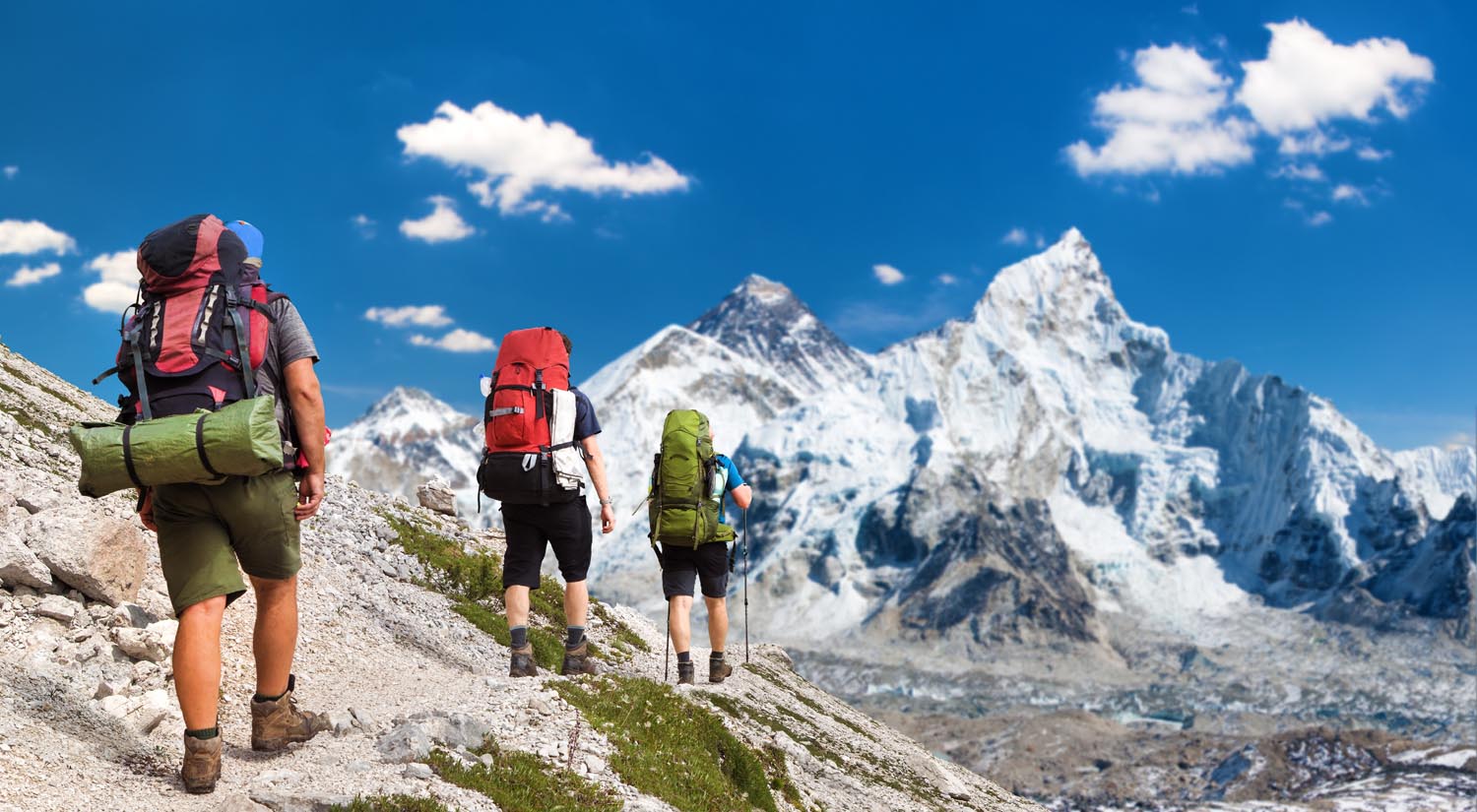
Nepal’s concentration of mountains above 8000m establishes the nation as unrivalled in global mountaineering:
World Records and Statistics:
- 14 of the world’s 14+ 8000ers touch Nepal’s territory
- More than 70 expeditions to the Himalayas.
- The revenue from mountain climbing tourism each year is $500+ million.
- More than 100,000 people are employed directly in mountain tourism.
Cultural and Spiritual Significance:
- The mountains are sacred for both Hindus and Buddhists.
- Indigenous climbing culture is known globally.
- It helps balance tourism and environmental protection.
- Mountain communities maintain ancestral practices.
Scientific Value:
- Glaciers are climate change indicators.
- High alpine ecosystems with unique features.
- Active tectonic regions are an important part of Earth sciences.
- Investigating human adaptations in extreme environments.
Final Thoughts
The official recognition of 14 mountains above 8000m in Nepal marks the beginning of an important chapter in the country’s mountaineering annals. This announcement not only rectifies past geospatial deficiencies but also establishes Nepal as the global capital of high-altitude adventure travel.
For instance, Mount Everest, one of the legendary mountains, and the recently identified Lhotse Middle, each bear the tale of geomorphological wonders, the ambition to conquer, and the reverence involved. The new development opens up unexplored opportunities for climbers.
At Hop Nepal, we are happy to provide adventurers access to these incredible mountains through:
- Professionally guided expeditions and treks
- Comprehensive logistical support
- Cultural orientation and environmental ethics training
- Sustainable tourism practices that benefit local communities
Whether you're going for an 8000-meter peak or just going for the base camp trek, there’s something for every climbing aficionado in the new list of eight-thousanders in the country of Nepal. Things have never looked brighter for Himalayan climbing.
Frequently Asked Questions (FAQs)
Which mountains are over 8000m in Nepal?
Nepal officially recognizes 14 mountains above 8000m: Mount Everest, Kanchenjunga, Lhotse, Yalung Kang, Makalu, Kangchenjunga South, Kangchenjunga Central, Lhotse Middle, Lhotse Shar, Cho Oyu, Dhaulagiri I, Manaslu, Annapurna I, and Yalung Kang West.
How many 8000-meter peaks does Nepal have now?
According to the latest government documentation, 14 peaks above 8000 meters are officially recognized in Nepal: 8 original peaks and 6 newly added subsidiary peaks.
What are Nepal's new 8000-meter peaks?
The six new officially recognized peaks are: Yalung Kang-8,505m, Yalung Kang West-8,077m, Kangchenjunga Central-8,473m, Kangchenjunga South-8,476m, Lhotse Middle-8,410m, and Lhotse Shar-8,400m.
Why is the 8000er range in Nepal no longer the highest
Furthermore, the Nepalese Government updated the list using the latest technological innovations, including satellite mapping techniques and the use of International Prominence Standards. This update is beneficial to the tourism strategy since it emphasizes the distinct climbing resources available in Nepal.
Is it possible for tourists to trek to all these 8000m-plus peaks?
While summiting requires mountaineering expertise and permits, base camp treks are accessible to trekkers of moderate fitness. Base camp treks for all major 8000-meter peaks are guided by Hop Nepal.
Which 8000m peak is easiest to climb in Nepal?
Cho Oyu (8,188m) has been deemed the easiest of the 8000-meter peaks from the technical standpoint, but all of them demand high-level mountaineering experience and qualifications.
Ready to explore Nepal's 8000-meter peaks? Visit Hop Nepal to start planning your Himalayan adventure today. Let our travel experts help you find the perfect option matching your budget, schedule, and travel preferences!