
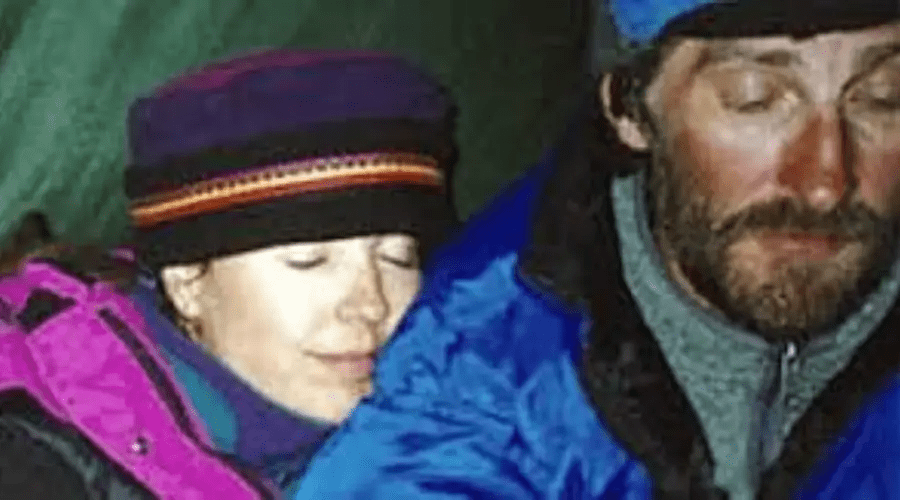
Many people first see the phrase "Sleeping Beauty Mount Everest" on Google or YouTube and become curious. It sounds like a fairy-tale name, not a real story from the highest mountain on Earth. Very quickly, they learn it is linked to a real climber named Francys Arsentiev, and the mood changes.
The misunderstanding is likely to increase as more people plan trips to Nepal. They may have envisioned an adventure like the Everest Base Camp trek, the Langtang Valley trek, or the Annapurna Base Camp trek . But then they are presented with the Sleeping Beauty Everest story only as a horror tale, prompting them to question the safety of the entire Everest region.
In reality, there is a big difference between a guided trek to base camp and a summit push in the death zone without oxygen. To understand that difference, you need more than a single viral image. You need the full story of Francys Arsentiev, how she reached the summit of Mount Everest, why other climbers could not save her, and what her experience can teach the rest of us.
This article aims to do exactly that. It will walk through her journey step by step, using simple language and clear facts, so you can see the human side behind the name Sleeping Beauty Everest. At the same time, it will connect her story to modern trekking in Nepal, so that if you ever visit these mountains, you can do so with respect, sound knowledge, and a calm, realistic view of the risks.
Who Was Nicknamed the “Sleeping Beauty” of Everest?
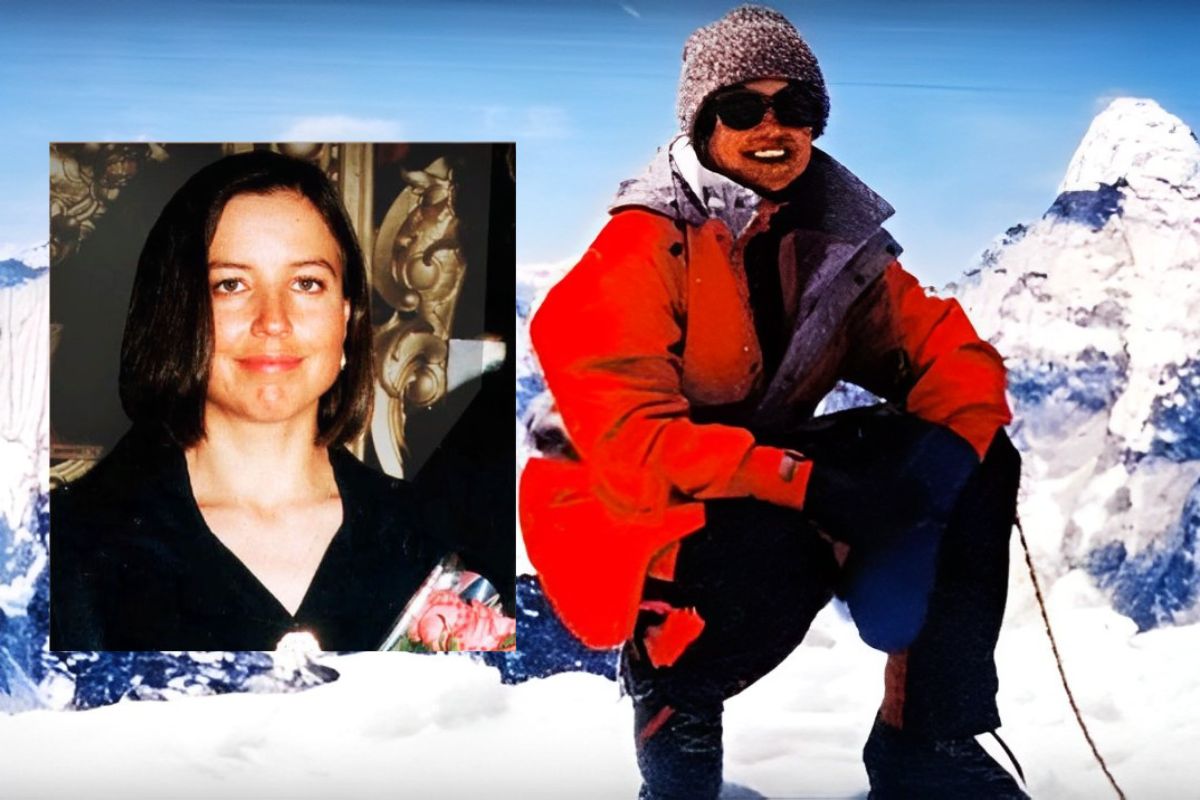
Most people searching “Sleeping Beauty Everest” are actually looking for the woman behind the nickname. She wasn’t a social media climber or a one-time tourist. She was Francys Yarbro Arsentiev, an accountant, mother, and serious high-altitude mountaineer from the United States who slowly worked her way up from smaller peaks to the highest mountain on Earth.
Her link to the Himalaya started long before she ever saw the Everest region. Like many climbers, she trained in the Rockies, the Caucasus and Alaska, testing herself on peaks that most people will only ever read about. By the time she and her husband set their sights on Everest, she already had years of experience at altitude.
How She Fell in Love With High-Altitude Climbing
Francys did not have a childhood where Everest always surrounded her. She was just like most people who got into the habit of hiking local hills on weekends and then realised that living in the mountains was more alive for her than the office or the city streets. With each trip, she got a little higher, and he found that the lack of oxygen, cold wind, and long hours standing made him a very happy man instead of pushing him away.
As she moved to places with bigger ranges, she began seeking out serious peaks in the Rockies, the Caucasus and Alaska. Long approaches, heavy packs, crevasses and snowstorms became part of what she enjoyed.
She liked the focus that came with climbing, that quiet feeling when all that matters is the next step, the next anchor, the next camp above the clouds.
Over time, those experiences changed what counted as a dream. Holiday walks were no longer enough. She wanted to test herself on the great mountains she had read about for years.
High altitude stopped being an abstract idea in books and became a personal calling, something she felt she needed to follow all the way to the Himalayas and finally to Mount Everest itself.
Becoming the First American Woman to Summit Everest Without Oxygen
Francys Arsentiev and her husband Sergei spent years slowly building towards their dream of a full Mount Everest expedition. They had already climbed serious peaks together, and each success made the idea of the summit of Everest feel a little more real. For Francys, who was proud to be an American woman in a sport still dominated by men, the dream quietly shifted from simply standing on the top to doing it in a way that really meant something to her.
And that was the moment when the concept of climbing without additional oxygen took its form. She learned about climbers who had reached the summit of Mount Everest solely through their breathing and was drawn to that unadulterated way.
It was going to be tougher and more dangerous, but for her it would be the most truthful way to measure herself against the mountain. Slowly, the scheme started to take shape in her mind, even before it was penned down, like a gear list or an itinerary.
In May 1998, after a series of days spent climbing the less-popular North side, Francys finally reached the top of Everest. At that point, she was the first American woman not using supplemental oxygen to reach the summit, a fact that subsequently contributed to the tale of Francys Arsentiev and the moniker "Sleeping Beauty Everest" gaining international popularity.
For a very short period of time on that ridge, in the midst of the white and the blue sky, she had just what she had been longing for: a silent and personal triumph that only a few people on earth could comprehend entirely.
Cause of Death
The moment the phrase "Sleeping Beauty of Everest" is mentioned, the first question that comes to mind is often very simple and direct: how did she die? The quick answer to this question is that Francys Arsentiev perished due to the combination of extreme exhaustion, exposure to severe cold, and suffocation due to the thin air in the Death Zone while descending from the highest point of Mount Everest.
The detailed answer is more intricate, though, as it includes delays in summit attempts, several nights spent above 8,000 metres, and a series of minor issues that gradually turned into a major problem. To visualize the whole scenario, you need to think of a mountaineer who has exhausted all her resources to make it to the peak and then comes to know that there is still a very long way down to go.
What Went Wrong After the Summit?
Reaching the summit of Mount Everest was only half the journey for Francys Arsentiev. She and Sergei stood on the top very late in the day, completely exhausted and without supplemental oxygen. That meant they had to start the long descent along the north side climbing route with little daylight left and very little strength in reserve.
They had already spent too much time high on the mountain, including more than one night close to the death zone. At that height, the body is slowly failing, thinking becomes slow, and the risk of altitude sickness rises with every hour. By the time they left the summit ridge, Francys was far from fresh, and her pace grew slower as she tried to make her way down.
At some point during the descent, she and her husband became separated, and she ended up alone on the upper part of the route. Other climbers who later met her found an American woman who could barely move and was already in serious trouble from cold and lack of oxygen.
What might have been a normal delay at lower altitude was now deadly, because her body no longer had the power to carry her safely away from the upper slopes of Everest.
How Altitude, Exhaustion and Weather Turned Deadly
At the height where Francys was climbing, the air on Mount Everest is very thin. This area is called the death zone because the body cannot stay there for long. Without supplemental oxygen, every step feels heavy and simple tasks become very hard. The longer she stayed up high, the more damage was done to her body and mind.
Exhaustion was the second big danger. Francys had already spent many days moving between camps on the north side during this Mount Everest expedition. Her muscles were tired, her energy was low, and her pace kept slowing down. In that state, the body cannot fight cold, wind and altitude sickness in the same way it can lower on the mountain.
Weather is always a risk on Mount Everest, even when the sky looks clear. Temperatures are far below freezing, and any wind makes the cold bite even more deeply into tired climbers. For Francys, the mix of extreme height, deep fatigue and brutal cold turned a slow descent into a life-threatening situation, and it is this moment that later shaped the story of Sleeping Beauty Everest.
Why Is She Called “Sleeping Beauty Mount Everest”?
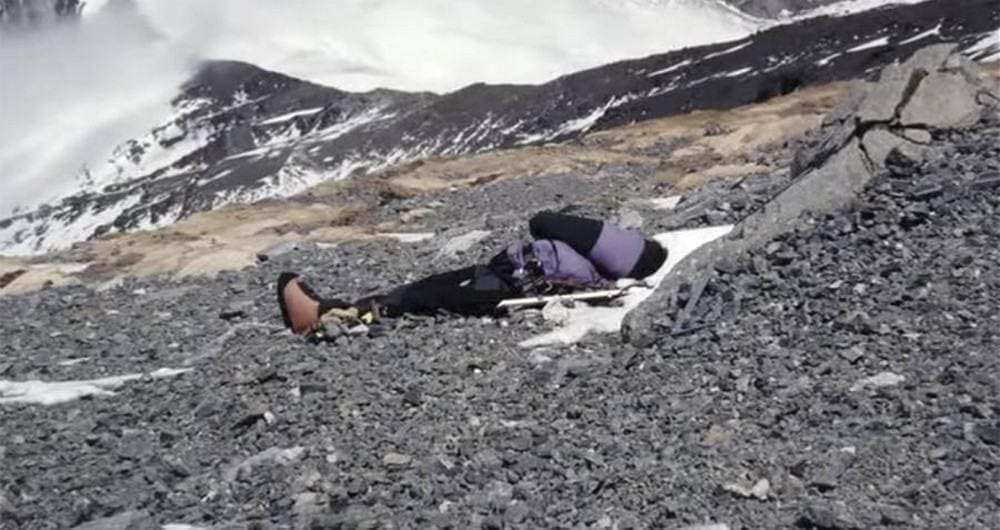
The nickname “Sleeping Beauty of Mount Everest” did not come from her family or from official reports. It grew slowly from the impressions of climbers who passed her body on the north route in the years after 1998. Many of them were shocked to see a fallen climber so close to the main path, dressed in her climbing suit and lying on her side as if resting.
How the “Sleeping Beauty” Nickname Started
Climbers did not use the name Sleeping Beauty of Everest during the climb itself. It appeared later, as people on the north side kept passing the same silent figure beside the route. From a distance they saw a woman in a bright suit lying on her side in the snow, and to many eyes she looked more like someone resting than someone who had died on Mount Everest.
Guides began to warn clients that they would see a body at a certain point, so the shock would be less. In those talks they sometimes called her the sleeping beauty on Everest, a soft name for something very hard to face. The phrase moved from tent stories into early blogs and forums, and soon it was being used again and again.
Over time, the nickname "Sleeping Beauty Everest" was adopted by writers and videographers who wanted to tell the story of Francys Arsentiev. It was short, emotional and easy to remember, so it spread quickly. Sadly, the gentle sound of the name can make people forget that it refers to a real woman with a family, not just a legend or a mountain landmark.
What Climbers Saw on the North Route of Everest
Climbers on the north route of Mount Everest followed a fixed line of ropes that passed very close to where Francys Arsentiev lay. As they moved slowly toward the summit, they would suddenly see her body beside the climbing route. She was dressed in a bright suit, lying on her side, so still that many people said she looked like she was asleep rather than someone who had died on the mountain.
Year after year, teams from many countries walked past the same place and saw the same sight. Guides talked quietly about the sleeping beauty of Everest in their tents at night, trying to prepare clients for what they would face the next day. For many first-time climbers, it was their harsh introduction to the real risk that hangs over every Mount Everest expedition.
Some wrote later that this moment changed how they saw the whole mountain. The view of the Himalaya, the dream of the summit of Everest and the story of Francys Arsentiev all came together in one picture they could not forget. It was no longer just a famous peak on a map. It was a place where a real American woman had lost her life while chasing her goal.
Why This Name Still Spreads Online, and it's still controversial?
Many people first come across this story when they search for "Sleeping Beauty Everest real photo" or "Sleeping Beauty Everest face photo". Curious readers want to see what the mountain really looked like and what happened to Francys Arsentiev. The name sounds gentle, so people often forget that they are asking to see a picture of a real person who lost her life.
Because of this, the story is still controversial. Some writers and video creators focus only on the Sleeping Beauty Everest body and try to use shock to get views. Others, including many guides and families in the climbing world, feel this is not respectful. They want people to remember her as a climber and a mother, not just as an image on a screen.
There is also a risk that repeated use of the nickname makes the Sleeping Beauty Everest story feel like a myth instead of real history. It can hide how serious Mount Everest is for everyone who steps onto it. That is why many responsible sources try to share context and lessons, rather than just photos, when they talk about Francys Arsentiev and her time on the mountain.
Timeline of Francys Arsentiev’s Final Everest Expedition (1998)
To really understand the Sleeping Beauty Everest story, it helps to walk through the final expedition step by step. This isn’t just morbid curiosity – it shows how, on a huge mountain like Everest, small delays and choices can slowly add up to a situation that nobody imagined at the start.
Preparation and Arrival in the Himalaya
Before the final climb, Francys and Sergei spent years getting ready in quieter ranges. They tested themselves on long routes, practised using ropes and crampons, and learned how their bodies reacted at high altitude. Bit by bit, the idea of a full Mount Everest expedition stopped being a dream and started to feel like a real plan they could follow.
When they finally travelled to the Himalaya, they entered a very different world from home. The thin air, the huge ice faces, and the cold winds around Everest showed them this would be their hardest climb so far. At base camp they set up tents, sorted food and gear, and waited for their chance to move higher on the north side of the mountain.
Some of the most important parts of their preparation were
- Planning the route and timing for their climb on Mount Everest
- Choosing and testing clothing, boots and oxygen systems, even though they hoped to climb without using them
- Talking with other teams at base camp to learn about fresh weather reports and conditions on the summit ridge
Summit Day: Reaching the Top of the World
Summit day began in the dark, high above the clouds on the north side of Mount Everest. Francys and Sergei left their tiny tent with headlamps on, moving slowly in the thin air. Every step toward the summit of Everest felt heavy, but turning back was the last thing on her mind. She had trained for years for this single push.
As the sky grew lighter, they joined the line of climbers on the fixed rope. Many around them were using bottled oxygen, but Francys stayed with her plan to climb without supplemental oxygen. The wind was cold, the ridge was narrow, and progress was very slow. Hour by hour, the summit of Mount Everest came closer, but so did the limits of her strength.
Late in the day, Francys finally stepped onto the highest point on earth. In that moment, this American woman became the first from her country to reach the top of Everest without bottled oxygen. It was a quiet victory with no crowds, just sky and snow all around. Later the world would call her the sleeping beauty of Everest, but at that instant she was simply a tired climber standing on the roof of the world.
The Descent, the Search, and What Happened Next
During the night and following day, Francys and Sergei became separated. The details are not fully known, but what we do know from later climbers’ accounts is this:
- Sergei managed to reach a lower camp, alone
- When he realised Francys had not arrived, he climbed back up with oxygen and medicine to try to help her
- This was the last time anyone saw Sergei alive
Meanwhile, an Uzbek climbing team encountered Francys high on the route. She was severely weakened, barely able to move, and showed signs of altitude sickness and frostbite. The team tried to help – giving her oxygen and attempting to move her down – but they were themselves running out of oxygen and energy. Eventually, they had to leave her where she was and descend to survive.
On 24 May 1998, another team, including Ian Woodall and Cathy O’Dowd, found Francys again. She was still alive but in extremely poor condition. They spent more than an hour attempting to help but realised that continuing the rescue would almost certainly mean that they, too, would die. They made the agonising choice to descend.
Francys died on the mountain shortly after. The following year, another expedition discovered Sergei’s body lower on the slope, suggesting he had fallen while trying to reach or return from his wife.
It’s a story with no villains – only impossible decisions made in an unforgiving place.
Is Sleeping Beauty Still on Mount Everest?
Another common question from trekkers and readers is simple: “Is Sleeping Beauty still on Mount Everest now?” For many years the answer was yes. Her body lay near the Second Step, at over 8,600 metres, a constant reminder of what can go wrong during an ambitious Mount Everest expedition.
But that changed in 2007, nearly nine years after her death, when a special expedition returned to the mountain with a very specific purpose: to move her body out of sight and give her a more private resting place.
What Happened to Her Body After 1998
After Francys Arsentiev died high on the north side of Mount Everest in 1998, her body stayed where she had fallen. For many years she lay beside the main climbing route, still in her bright suit and harness. Climbers heading toward the summit could not help but see her, and this is when people began to talk quietly about the Sleeping Beauty Everest body.
Season after season, teams passed the same spot and saw the same still figure in the snow. Guides used the Sleeping Beauty Everest location as a sad landmark when they prepared clients for the upper ridge. For her family, it was painful to know that photos and stories of her remained on the mountain long after the expedition ended.
In 2007, a small team led by Ian Woodall returned to Mount Everest with one clear goal. They found Francys again, held a short ceremony that included a message from her son, and then moved her to a place away from the main route.
Since then, most climbers no longer see her during their ascent, but the story of Francys Arsentiev and the name Sleeping Beauty Everest still live on in the mountain's history.
The 2007 Mission to Move “Sleeping Beauty” From the Route
In 2007, climber Ian Woodall returned to Mount Everest with a very different goal from that of a typical summit trip. He was not there to chase a record or a new route. He came back to try to move Francys Arsentiev's body so that the Sleeping Beauty Everest story could be a little less painful for her family.
Together with a small team, he climbed to the Sleeping Beauty Everest location on the north side and found her where she had rested for so many years.
They held a simple ceremony, shared a message from her son and took a quiet moment to remember her as a person, not just as a name on the internet. It was an emotional day even for experienced climbers.
After that, they carefully lowered her away from the main climbing route and covered her as best they could. Since then, most people on an Everest expedition do not see her body as they pass.
The Sleeping Beauty of Everest is no longer a landmark on the rope, but the memory of Francys Arsentiev and the lessons from her story remain part of the mountain.
Why Rescues Are So Hard in the Everest Death Zone & Rainbow Valley
From the safety of sea level, it’s easy to ask, “Why didn’t people just help her?” This is one of the most frequently asked questions about the Sleeping Beauty Everest story, and it’s an honest one. But to understand the answer, we need to discuss two specific concepts: the Death Zone and Rainbow Valley.
These aren’t just dramatic names used in documentaries. They describe the very real limits of what human bodies and rescue systems can do at altitude – limits that affected not only Francys, but hundreds of other climbers who have died on Mount Everest.
What Exactly Is the “Death Zone” on Everest?
Climbers use the term death zone for the very top part of Mount Everest, above about 8000 metres. In this area, the air is so thin that your body cannot get enough oxygen, even when you rest. The human body is slowly dying there, so you can only stay for a short time before real damage begins.
In the death zone, normal tasks feel huge. Every step takes many breaths, and it is hard to think clearly or make good choices. Your risk of altitude sickness, frostbite and serious mistakes goes up with every hour you spend on that part of the mountain. For anyone on a Mount Everest expedition, this is the place where small problems can turn into disasters very quickly.
Rainbow Valley: What the Name Really Means
Many people hear the name Rainbow Valley and imagine a beautiful place on Mount Everest. In reality, it is a steep section below the summit on the north side where many climbers have died. The bright colours come from their down suits, ropes and tents that still lie on the slope, so the area looks like a band of colour against the white snow from a distance.
Rainbow Valley lies high in the death zone, where there is very little oxygen and the cold is extreme. At that height it is very hard and very risky to move heavy loads. Recovering a body, or even pulling someone far from the route, can require more strength than most climbers have left. This is why many who die near the summit of Everest stay on the mountain, just as happened in the Sleeping Beauty Everest story.
For trekkers going to Everest Base Camp or doing other treks in the Everest region, Rainbow Valley is often the moment when they realise how serious the summit really is. Guides talk about it not to scare people but to show the truth behind famous records and photos. It is a reminder that every success on Mount Everest stands beside many quiet losses that most visitors never see.
How Dangerous Is It to Climb Everest Without Oxygen?
Climbing Everest is always serious, but doing it without bottled oxygen increases the danger dramatically. This is exactly what Francys set out to do, and her success on the summit is still an impressive mountaineering achievement. But the risk behind that record is an essential part of the Sleeping Beauty Everest story.
Most people reading this are more likely to join a days-long Everest Base Camp trek, a Gokyo Lakes trek, a Pikey Peak trek, or a Kanchenjunga Base Camp trek than attempt the summit itself. Still, it’s useful to understand what no-oxygen climbing does to the body, because it shows why even very strong climbers can get into trouble.
What Happens to Your Body Above 8,000 Metres Without Oxygen?
Above 8,000 metres on Mount Everest, the air is very thin. Your lungs work hard but still cannot bring in enough oxygen to meet your body's needs. This is why climbers call this part of the mountain the death zone: the body can survive there only a short time during a serious Mount Everest expedition.
Without supplemental oxygen, many important functions start to slow down. Your brain, muscles and organs are all affected. These are some of the main problems that can appear very quickly
- Confused thinking and slow reactions, so you make poor choices on the climbing route
- Strong tiredness in the legs and arms, so even a few steps feel like a long walk
- Higher risk of altitude sickness, with headache, nausea and trouble walking in a straight line
- Weak immune system and poor sleep, so the body cannot heal from small injuries or cold
All of this makes it very hard to move safely, especially on steep ice and rock. In the story of Sleeping Beauty Everest, Francys Arsentiev was facing thin air, deep fatigue and the cold at the same time. Her body could not recover at that height without oxygen, which helps explain why she did not make it back down from the upper slopes of Mount Everest.
Why Couldn’t Climbers Save the “Sleeping Beauty” on Everest?
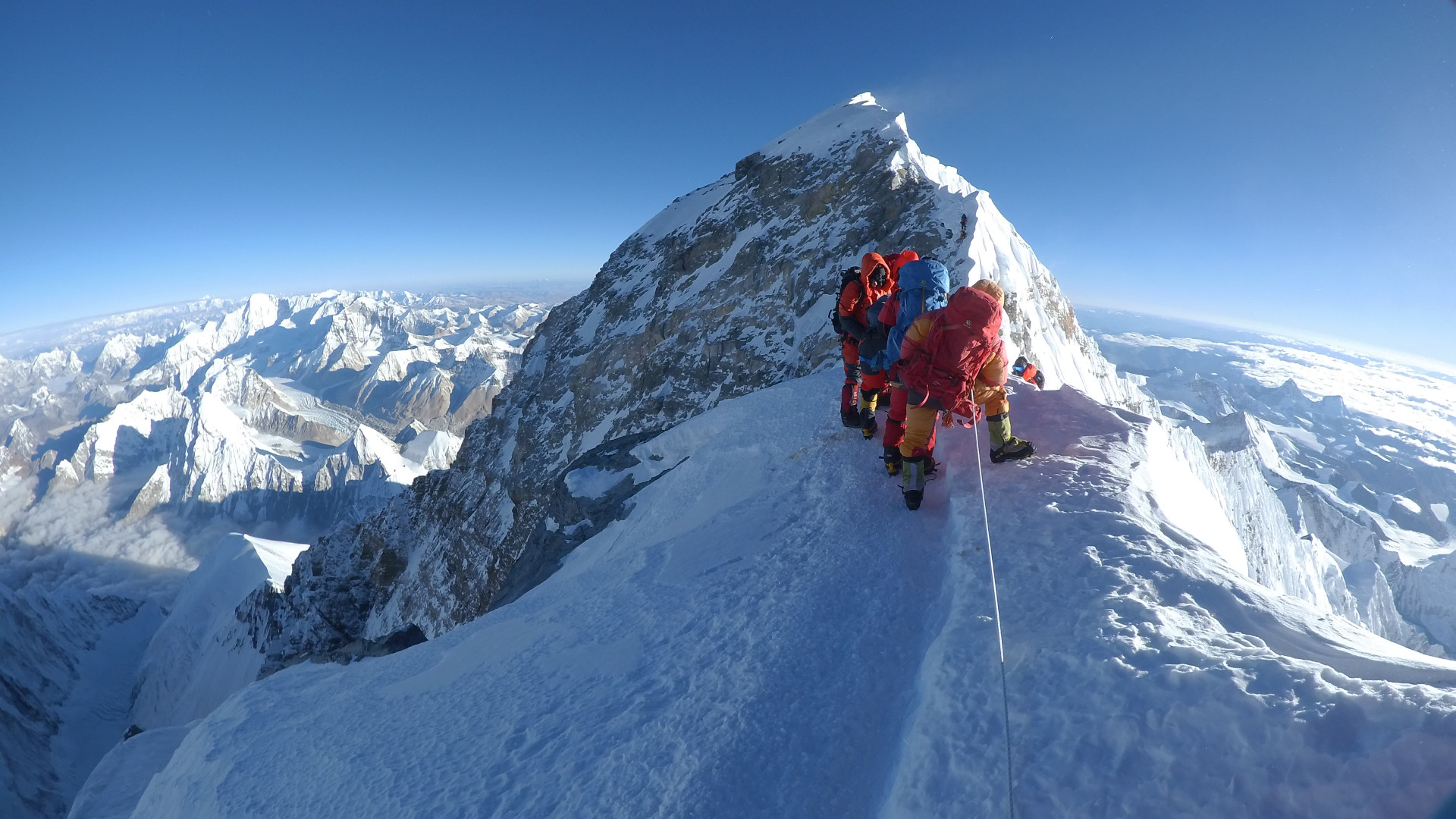
Perhaps the hardest question – and the one that hurts the most – is this: “Why couldn’t climbers save her?” After all, mountaineering is full of stories where people risk their own safety to help others. In movies and books about Everest, rescue attempts are often portrayed as just a matter of bravery.
The reality at over 8,000 metres is much harsher. Several climbers did try to help Francys. They gave her oxygen, tried to move her and even abandoned their own summit chances. But they eventually had to accept that they could not save her without likely dying themselves.
The Reality of Helping Someone in the Death Zone
Helping someone in the death zone is very different from helping a friend on a normal hike. At that height on Mount Everest, every step already feels like a big effort, and every breath is hard work. When a climber is barely standing, another person has to hold them up, guide their feet and keep them from falling, all while fighting their own tired body.
Most people imagine a rescue as simply putting an arm around someone and walking them down. In the death zone, it is closer to trying to carry a heavy pack while you are out of breath, freezing and half asleep at the same time. The slope is steep, the rope is narrow, and one wrong move can pull both climbers off the face. Even strong Sherpa guides on a serious Mount Everest expedition admit that there are moments when rescue is simply not possible.
This is what makes the Sleeping Beauty Everest story so painful to read. Climbers who met Francys Arsentiev wanted to help her, and some gave up their own chances at the summit to try. But they were also in the same thin air and deep cold, close to collapsing. Staying too long beside her meant risking more lives, so they faced a terrible choice that people at sea level rarely have to make.
Accounts From Climbers Who Tried to Assist Francys
Several of the climbers involved have later spoken or written about what they saw. Their accounts describe Francys as:
- Partially conscious, sometimes speaking and sometimes not
- Repeating short phrases and asking not to be left alone
- Too weak to stand or walk without full support
They describe the emotional weight of choosing to leave her, even after doing everything they could. Some of them carried that guilt for years, which ultimately motivated efforts like the Tao of Everest mission to move her body and provide some closure.
The Ethical Debate: Should Others Risk Their Lives to Save One Person?
Francys Arsentiev’s story is now frequently discussed in debates about mountaineering ethics. The key questions are painful but important:
- Should climbers be expected to risk their own lives to save someone in the Death Zone?
- Is it right to continue a summit push when someone nearby is in trouble?
- How much responsibility do commercial expedition leaders have to rescue strangers from other teams?
There are no easy answers.
Some argue that turning away from someone in need is morally unacceptable, no matter the altitude. Others point out that if a rescuer dies too, nothing is gained – and their own families then bear the loss.
Most experienced high-altitude guides agree on at least this much:
- The best “rescue” is prevention – good decision-making early, turning back when needed, not pushing beyond safe limits
- In the Death Zone, there are situations where no realistic rescue is possible, and forcing one can create multiple tragedies
Francys’ story is one of the most discussed examples because it shows how even well-intentioned climbers can be trapped by the limits of human ability at extreme altitude.
Final Thoughts
People frequently anticipate a legend when they look for Sleeping Beauty to climb Everest. Instead, they discover the true tale of Francys Arsentiev, an American woman who adored mountains and challenged herself to ascend the highest one in a very unadulterated manner. Only a few climbers ever reach the summit of Everest without oxygen, but the cold and thin air on the descent were too much for her body to handle. Her loss and her success are intertwined, and you cannot comprehend one without the other.
Her story also shows what the death zone really means. Above eight thousand metres, the body is failing, clear thinking is hard and even strong climbers move like they are in slow motion. In that place, rescue is not just a matter of courage or kindness. The people who tried to help Francys were also close to collapse, and staying too long beside her could have led to more deaths. This is why the Sleeping Beauty Everest story is so emotional for the climbers who were there.