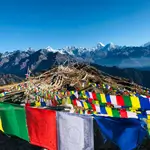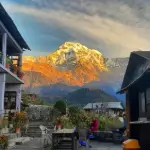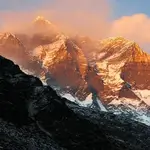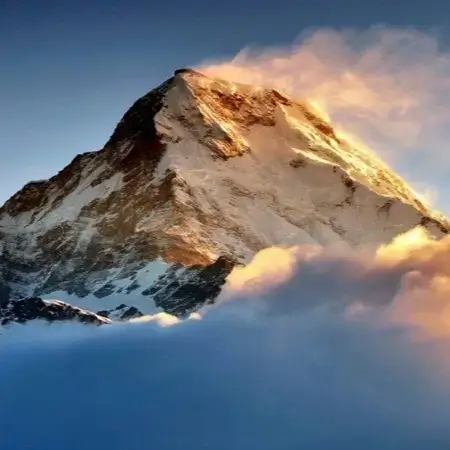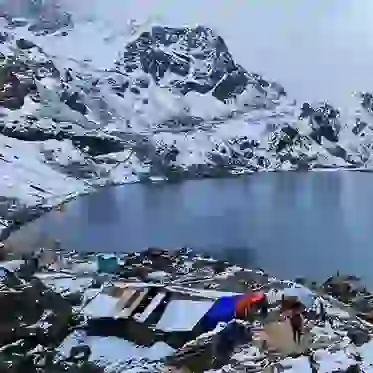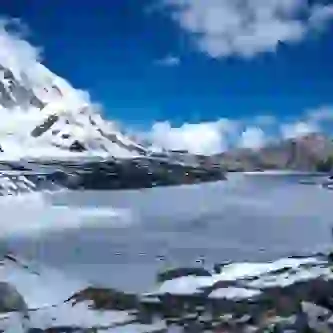

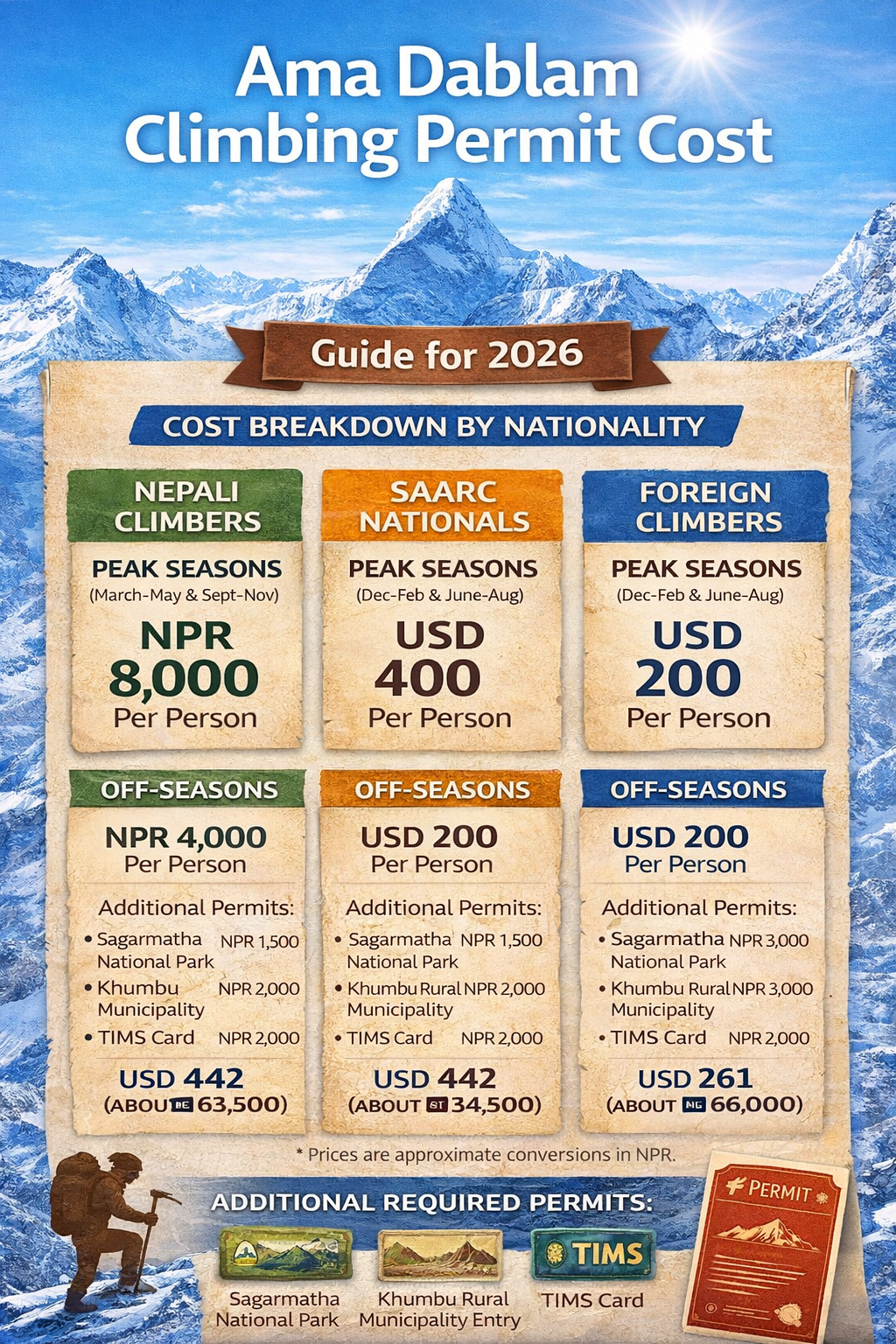
Ama Dablam is often called the ‘Matterhorn of the Himalayas’ because of its stunning pyramidal summit and technical climbing challenges. It is 6,812 meters tall. It is an iconic peak in the Khumbu region.
It attracts experienced mountaineers from around the world who seek one of the most aesthetically rewarding climbs in Nepal. However, before attempting to trek on the trails, you must obtain a climbing permit from Nepal’s government and understand the cost.
The Ama Dablam permit cost varies by nationality and climbing season. This comprehensive 2026 guide will break down the exact permit fees for Nepali, SAARC, and foreign nationals, including any additional required permits, and clarify the important regulations you must follow.
Whether you are a Nepali climber who is planning for your first major expenditure or an international mountaineer who is adding the Ama Dablam to your climbing resume, you will find complete cost information and requirements here.
What Is the Ama Dablam Climbing Permit?
The Ama Dablam climbing permit is an official government document that is issued by Nepal’s Department of Tourism. It grants a legal authorisation to attempt to climb Ama Dablam. This permit is mandatory for all climbers regardless of their nationality. Everyone who attempts to climb without proper permits faces severe penalties, including fines, deportation, and climbing bans.
Issued by Government Authorities
The Nepal Department of Tourism, under the Ministry of Culture, Tourism, and Civil Aviation, has exclusive authority to issue climbing permits for all mountains in Nepal, including Ama Dablam. No other organisation can legally issue these permits.
Required for All Climbers
Every person who is attempting to climb Ama Dablam must have an individual permit in their name. This applies to full summit attempts and high-altitude training climbs above the base camp. Trekking to Ama Dablam Base Camp doesn’t require a climbing permit; only the standard Sagarmatha National Park entry permit and local permits are required.
Valid Climbing Season Rules:
Ama Dablam has official climbing seasons with different costs:
Peak Seasons: Spring and autumn are among the peak climbing seasons, spanning March to May and September to November. These are the primary climbing seasons with stable weather and higher summit success rates. These seasons have higher permit costs.
Off-Seasons: Summer and winter are considered off-seasons. During this time, permit fees are lower, but you might face extreme weather conditions. The winter season provides severe cold and high winds, while summer monsoon conditions create avalanche risks and poor visibility.
Permit Validity Period
The Ama Dablam permit is valid for the specific season for which it is issued. The permits can cover the entire 3 months of the window, whether during the peak or off-season. This seasonal validity allows flexibility for weather windows and acclimatisation schedules.
Who Needs an Ama Dablam Permit?
Ama Dablam Permit is required for every travellers or climbers who are planning to visit Ama Dablam. However, the costs differ among Nepali citizens, SAARC nationals and other foreigners.
Ama Dablam Permit for Nepali Climbers
Nepali citizens can get Ama Dablam climbing permits at the lowest rates. To qualify or enjoy the Nepali rates, you must provide valid Nepali citizenship documents and apply through recognised mountaineering agencies.
Required Documents:
- Nepali citizenship certificate
- 4 to 6 recent passport-size photographs
- Climbing CV which consists of detailed mountaineering experience
- Medical fitness certificate
- Insurance coverage details
- Expedition itinerary and team roster
When a Permit Is Mandatory:
Nepali climbers need permits for any climbing above the Base Camp of Ama Dablam. Trekking to base camp without summits requires only a Sagarmatha National Park permit, which costs NPR 100 for Nepali Citizens. Training climbs to Camp 1 or higher require the full climbing permit.
Ama Dablam Permit for SAARC Nationals
Which countries are included:
SAARC (South Asian Association for Regional Cooperation) member countries, which include Bangladesh, Bhutan, India, the Maldives, Pakistan, and Sri Lanka. Citizens of these nations have specific benefits for certain permits.
SAARC Climbing Permit Rates:
For the main Ama Dablam climbing permit, SAARC nationals typically pay the same rates as other foreign nationals: USD 100 for the peak season and USD 200 for the off-season. However, SAARC nationals can receive discounts on additional permits for Sagarmatha National Park and Khumbu Rural Municipality.
Combined Permit Advantages:
While the climbing permit cost is the same as for other foreigners, SAARC nationals save significantly on supplementary permits, reducing total expedition costs by approximately NPR 3,000-4,0000 compared to non-SAARC foreigners.
Ama Dabla, Permit for Foreign Climbers
Mandatory Permit Requirement:
All foreigners who are planning on travelling or climbing Mount Ama Dalam must obtain climbing permits before their expedition. There are no expectations based on experience level, previous climbs or sponsorships. The permit must be in your own name and match the passport exactly.
Expedition Team Rules:
Foreign climbers can apply as individuals or as expedition teams. However, most choose to join organised commercial expeditions that handle all permitting, logistics, and guiding. Solo travellers are also permitted, but there are very few in the region. The technical difficulty and objective dangers make guided expeditions the safer choice.
Agency Involvement:
One can theoretically apply for permits independently. But most foreign climbers work through registered expedition companies, such as a company that handles permit applications as part of comprehensive expedition packages. These agencies have established relationships with the Department of Tourism, ensuring smooth permit processing.
Ama Dablam Permit for Indian Citizens
Mandatory Permit Requirement:
All Indian citizens planning to climb Ama Dablam must obtain an official climbing permit before the expedition. You must get the permit, as there are no exceptions based on prior mountaineering experience or sponsorships. The permit must be issued in the climber's real and legal name, which must match the name on their passport. You can apply for or process a permit through Nepal’s Department of Tourism.
Expedition Team Rules:
Indian climbers or trekkers can apply either individually or as part of an expedition team. Most of the climbers and trekkers prefer to join organized commercial expeditions which manage permits, logistics, accommodation, and guiding services. Solo climbing is also allowed, but it is very uncommon in the region due to the route's technical nature.
Required Documents for Climbing Permits for Indian Citizens:
- Valid passport with at least 6 months of validity.
- 2 to 4 copies of recent passport-sized photographs.
- The climbing Application form, which is signed by the applicant and the expedition agency.
- Detailed itinerary with logistics and base camp details.
- Insurance documents.
- Agency agreement.
- Valid nepal entry visa.
Ama Dablam Permit Cost Overview (2026)
Before going on the trek, you must understand that the cost structure helps you budget accurately and choose the optimal climbing season.
Why Ama Dablam Permit Pricing Is Fixed:
The Government of Nepal has set an official permit fee that every climber must pay, regardless of their age. The rates cannot be negotiated. You must pay the fees by applying directly or through an expedition or travel company. Agencies cannot discount government permit fees, though they may vary their service charges.
Cost Variation by Season:
The Nepal Tourist Department has set different price ranges for the peak and off-peak seasons. Peak season permits, which include spring and autumn seasons, cost significantly more than off-season permits, which include winter and summer seasons, reflecting demand and optimal climbing conditions.
Payment Authority & Official Pricing:
The permit fees must be paid directly to the Department of Tourism or through the authorized agencies. You receive payment receipts as a proof. Your permit can be released only after full payment is confirmed.
Ama Dablam Permit Cost for Nepali Climbers
To encourage domestic tourism, Nepali citizens can enjoy substantially reduced permit fees as a part of the government policy.
Official Ama Dablam Fees by Government:
- Peak Seasons (Spring / Autumn): NPR 8,000 per person
- Off-Seasons (Winter / Summer): NPR 4,000 per person
Currency Used:
Nepali climbers must pay in Nepali Rupees. USD payments are not accepted for Nepali citizen to get their permits.
Permit Validity:
Peak season permits costing NPR 8,000 cover the full spring or autumn. Off-season permits costing NPR 4,000 cover the full winter or summer. The permit is valid for the entire season.
Additional Required Permits for Nepali Travellers:
- Sagarmatha National Park Entry: NPR 100
- Total Estimated Permit Costs: NPR 8,100
Ama Dablam Permit Cost for Foreign Climbers
Foreigners and SAARC nationals must pay a standard fee based on the climbing season.
Official Government Permit Fees:
For the Ama Dablam permit, the costs for foreign nationals are as follows:
Peak Seasons (Spring & Autumn):
- USD 400 per person
Off-Seasons (Winter & Summer):
- USD 200 per person
Seasonal Pricing Explained:
Peak season permits, which include spring (March-May) and autumn (September-November), cost USD 400. It reflects optimal weather conditions, longer climbing windows, and higher success rates. Off-season permits, which include winter (December-February) and summer (June-August), cost USD 200. This helps in encouraging climbing during less popular periods despite challenging conditions.
Additional Required Permits:
- Sagarmatha National Park Entry: NPR 3,000
- Khumbu Rural Municipality Permit: NPR 3,000
- TIMS Card: Fees vary (typically NPR 2,000)
Total Foreign Climber Permit Costs:
- Peak Season: Approximately USD 461 (NPR 66,000)
- Off-Season: Approximately USD 261 (NPR 37,000)
SAARC National Permit Costs
SAARC nationals pay the same climbing permit as other foreigners but receive discounts on supplementary permits:
SAARC Total Permit Costs:
- Climbing Permit: USD 400 (peak) or USD 200 (off-season)
- Sagarmatha National Park: NPR 1,500 (vs NPR 3,000 for non-SAARC)
- Khumbu Municipality: NPR 2,000 (vs NPR 3,000 for non-SAARC)
- TIMS: Similar to other foreigners
SAARC Peak Season Total: Approximately USD 442 (NPR 63,500)
SAARC Off-Season Total: Approximately USD 242 (NPR 34,500)
Ama Dablam Permit Cost in NPR (Rupees)
Here is a complete cost breakdown in NPR (Nepali Rupees):
Nepali Climbers (Total Permit Package):
- Peak Season: NPR 8,100
- Off-Season: NPR 4,100
Foreign Climbers:
The cost of a permit during peak season includes:
- Climbing Permit: NPR 58,000
- Park and Local Permits: NPR 8,000
- Total: NPR 66,000
The cost of a permit during the off-season includes:
- Climbing Permit: NPR 29,000
- Park and Local Permits: NPR 8,000
- Total: NPR 37,000
Exchange Rate Disclaimer:
The Ama Dablam permit cost in rupees for foreign climbers varies with USD and NPR exchange rate fluctuations. Your actual NPR amount depends on the exchange rate at the time payment is made, as the value may change over time.
Ama Dablam Permit Cost in USD
Official USD Pricing (2026):
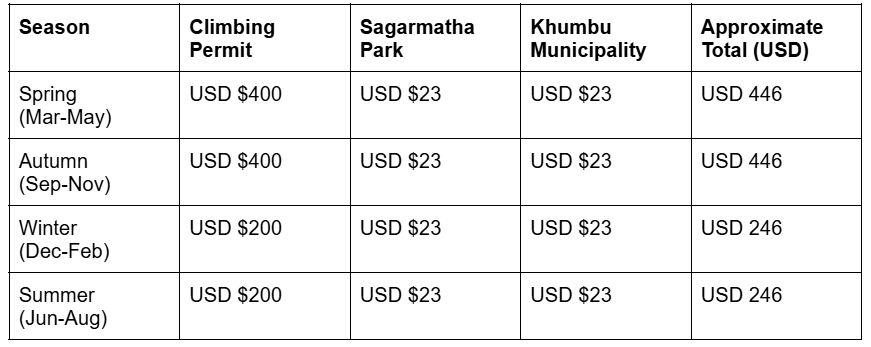
Accepted Payment Methods:
- Bank transfers to the Department of Tourism accounts
- Cash payment in USD or NPR at permit offices
- Payment through registered expedition agencies
Ama Dablam Permit Cost Comparison Table
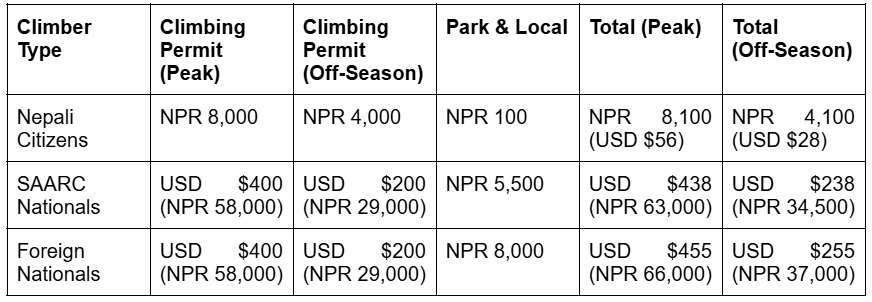
Where & How to Get the Ama Dablam Permit
Kathmandu Permit Offices:
You can get Ama Dablam climbing permits in Kathmandu at the Department of Tourism office, which is located in Bhrikutimandap, Exhibition Road. The office operates from Monday to Friday during standard business hours. Its timing is from 10:00 AM to 5:00 PM. It is closed on Saturdays and government holidays.
Travel Agencies:
Most international climbers prefer to obtain permits through registered travel companies. These agencies handle the entire application process, which includes document preparation, submission to the Department of Tourism, fee payment on your behalf, permit collection, and delivery before your expedition.
These agencies navigate bureaucratic requirements efficiently and ensure all paperwork is correctly completed. So working with the agencies is highly recommended.
Required Documents:
- Passport: Which is valid for at least 6 months beyond travel dates
- Photographs: 6-8 passport-size photos
- Climbing CV: A detailed mountaineering resume where you have listed your previous climbs with dates, elevations, and outcomes.
- Medical Certificate: Fitness certification from a licensed physician dated within 3 months
- Insurance: Proof of expedition insurance covering a minimum of USD 10,000 emergency evacuation
- Expedition Details: Complete itinerary, team roster, planned routes, and schedule
Nepali climbers bring citizenship certificates instead of passports.
Processing Time:
Standard permit processing takes 3-5 business days once all documents and payments are received. During peak application periods, which included February-March for spring and August-September for autumn. Processing may take 7-10 days during this period. Apply at least 2-3 weeks before departure.
Important Ama Dablam Permit Rules
Only Permitted Climbing Routes:
Your permit grants access to climb Ama Dablam through the standard Southwest Ridge route. Alternative routes include North Ridge, Northwest Ridge, or technical variations, which require special permission and may incur additional fees. Attempting unpermitted routes violates regulations.
Waste Deposit & Environmental Rules:
All Ama Dablam climbers must pay a refundable garbage deposit (typically USD 250 to 500 per person). You can obtain this deposit and it is returned upon proving proper waste removal from the mountain. You must bring down all expedition waste, including human waste.
Environmental Regulations:
- Mandatory use of human waste disposal systems
- No littering of fixed ropes, tents, or equipment
- Oxygen bottle management
- Respect for local cultural and religious sites
Permit Non-Transferability:
Climbing permits are not transferable, as they are issued to specific individuals. You cannot give, sell, or loan your permit to another climber. The name on your permit must exactly match the name on your passport or citizenship. If you violate the rules, it might result in permit cancellation, fines, and potential criminal charges.
Conclusion
Ama Dablam represents one of the world's most beautiful and technically demanding climbs. You must obtain proper permits as your essential first step. The Ama Dablam permit cost is USD 400 for foreign climbers during peak seasons and USD 200 during off-seasons, with Nepali climbers enjoying significantly reduced rates of NPR 8,000 and NPR 4,000, respectively.
SAARC nationals pay the same permit fees as other foreigners, but they can save on other permits, such as Sagarmatha National Park entry. Nepali climbers benefit from the lowest overall costs, making this magnificent peak more accessible for domestic mountaineers.
You can apply through registered expedition agencies for hassle-free processing. This allows 2-3 weeks for permit issuance and ensures complete documentation. With proper permits, experienced guidance, and thorough preparation, you will be ready to attempt one of the Himalaya's most iconic summits.
Frequently Asked Questions (FAQs)
How much is the Ama Dablam climbing permit?
The Ama Dablam permit cost is USD 400 per person for peak seasons and USD 200 for off-seasons for foreign climbers. Nepali citizens pay NPR 8,000 for peak seasons and NPR 4,000 for off-seasons. Additional permits might add NPR 6,000 to 8,000 to total costs.
Do Nepali climbers need a permit?
Yes, Nepali citizens must obtain climbing permits for Ama Dablam, but they pay heavily discounted rates of NPR 8,000 during peak season or NPR 4,000 for off-season, compared to foreign climbers who pay USD 400 / 200. Nepali climbers also pay only NPR 100 for Sagarmatha National Park entry versus NPR 3,000 for foreigners.
Do SAARC nationals get discounted permits?
SAARC nationals pay the same climbing permit fee as other foreigners. However, they receive discounts on supplementary permits, NPR 1,500 for Sagarmatha Park, where other foreign nationals pay NPR 3,000 and NPR 2,000 for Khumbu Municipality, where other foreign nationals pay NPR 3,000.
Is the Ama Dablam permit refundable?
Generally, climbing permits are non-refundable once issued. If you cancel before permit issuance, you may receive a partial refund minus processing fees. The garbage deposit is refundable upon proving proper waste removal and environmental compliance.
Can I extend my climbing period?
A. Ama Dablam permits covering entire seasons, so extensions within those periods aren't necessary. If you need to continue into the next season, you must purchase a new permit for that season at full cost.