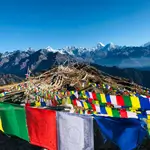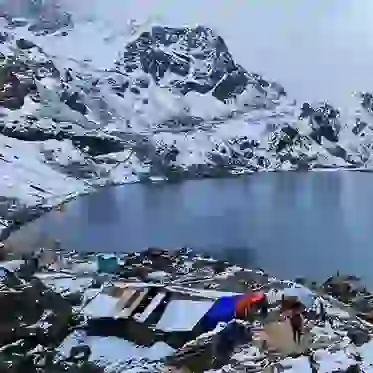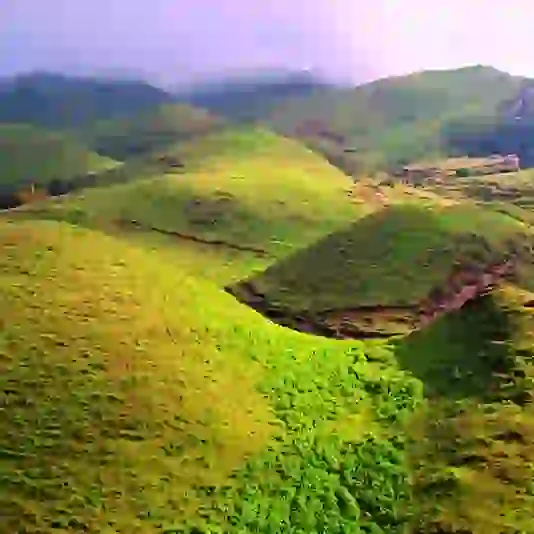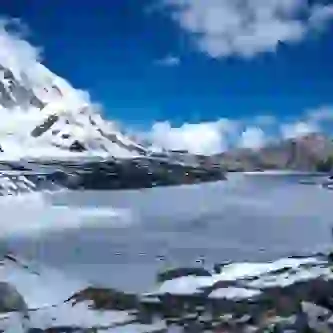

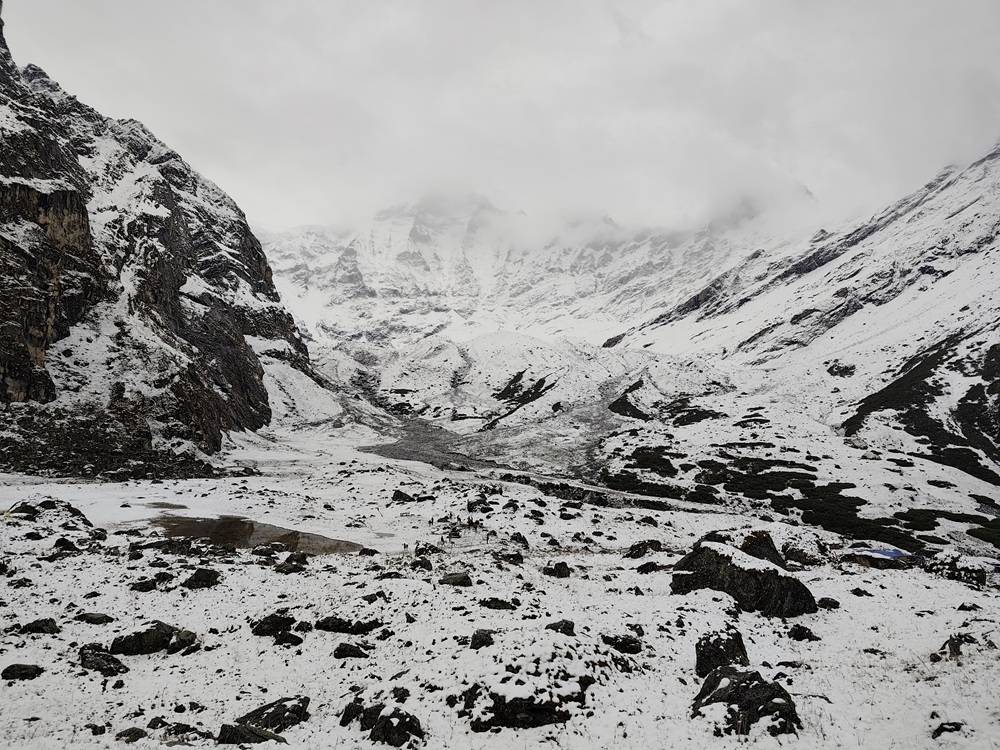
The Api Base Camp trek is one of the most remote and spectacular Himalayan treks in Nepal, leading to the base of Api Himal (7,132m), the highest peak in the Yoka Pahar part of the Gurans Himal range. Situated in the very remote western part of Nepal, bordering India and Tibet, this unexplored region of Nepal provides a truly unique mountain experience, pristine natural surroundings, and genuine cultural interactions, away from the beaten trekking trails of Everest and Annapurna.
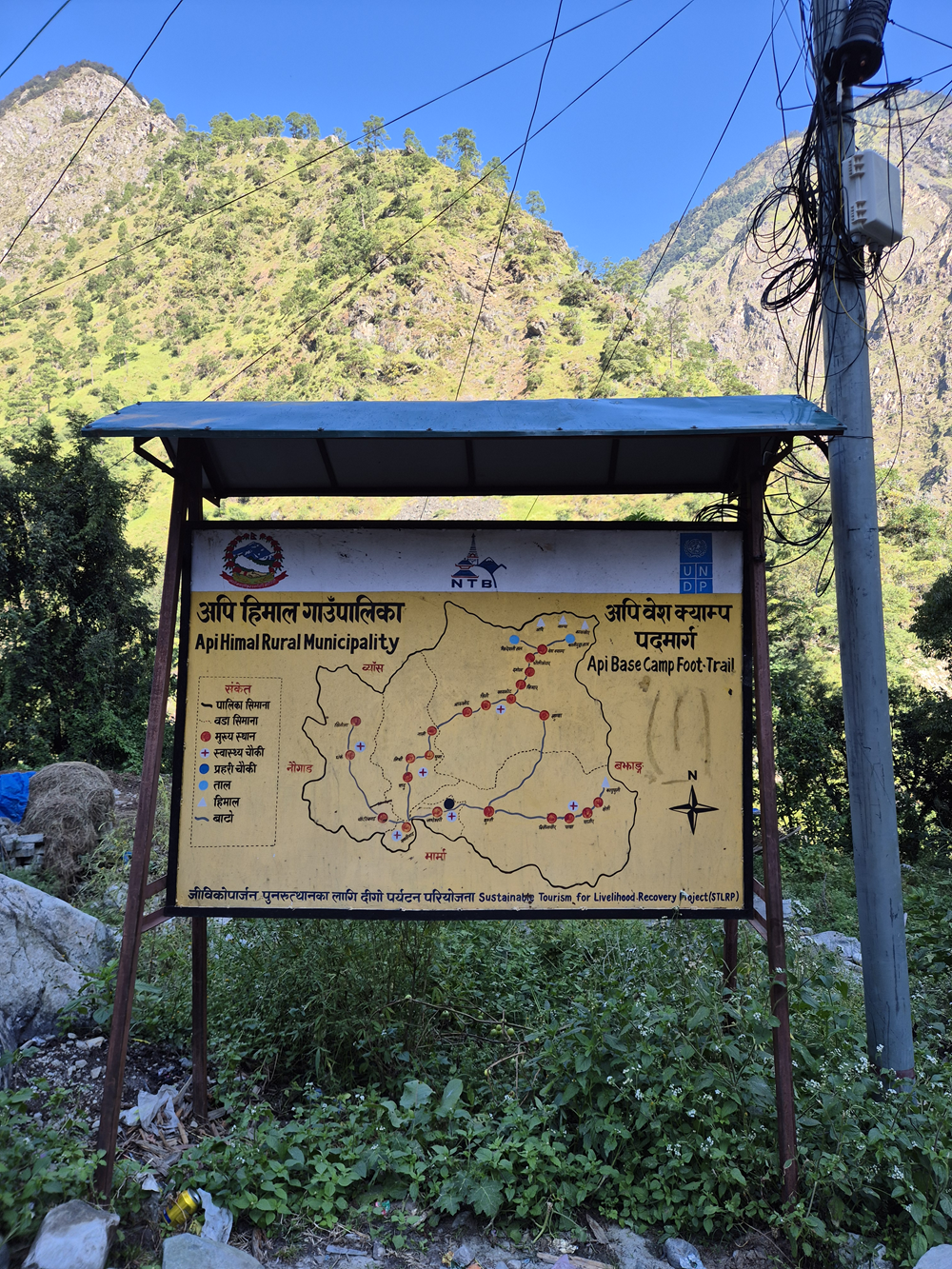
The inaccessibility of Api Himal in the Darchula District, near the trijunction of Nepal, India, and Tibet, makes Api Himal a restricted trekking region that needs special permits, in addition to the normal fees for conservation areas. The region is close to the international border, and the lack of infrastructure and sensitive environments requires controlled tourism through trekking and restricted-area permits.
Whether you are organizing your Api Himal trek from overseas or preparing for departure from Kathmandu, this guide contains all the necessary information regarding permits and costs, as well as advice to ensure smooth preparation for this last remaining true wilderness trek in Nepal.
Is Api Base Camp a Restricted Area?
Yes, Api Base Camp is marked as an area where trekking is restricted, and special Restricted Area Permits (RAP) are needed in addition to the general conservation permits. This is due to the region's strategic and sensitive location.
Why a Restricted Area Permit (RAP) is Required
Government Regulations: The Government of Nepal has identified some remote areas near the borders as restricted areas under the Tourism Act to manage the flow of tourists into these areas. The two most significant reasons for these regulations are to ensure that the impact of tourism in these areas is managed and to protect trekkers in remote areas with no facilities.
Proximity to the Border with India & Tibet: Api Himal is remarkably close to the borders of Nepal with India in the west and Tibet/China in the north, thus posing security concerns that demand government surveillance of foreign nationals in such areas along international borders. The tri-junction area, where three countries converge, is a sensitive territory that could pose security threats if unchecked tourist traffic is allowed.
Security and Conservation Rationale: Apart from securing the borders, the RAP standards help in the conservation of Api Nampa Conservation Area, which is one of the least affected protected areas in Nepal. The controlled tourism system, which includes permits and guides, ensures that trekkers follow recommended routes, do not enter sensitive habitats, dispose of waste properly in areas without facilities, and respect local culture.
Api Base Camp Permit Types
Trekking to Api Base Camp requires obtaining multiple permits covering restricted-area access, conservation-area entry, and trekker registration.
Restricted Area Permit (RAP)
The first permit is the main permit that gives legal entry into the restricted zone of the Api region. The controlled tourism system, which includes permits and guides, ensures that trekkers follow recommended routes, do not enter sensitive habitats, dispose of waste properly in areas without facilities for disposal, and also take into account local culture and people.
The permit is issued by the Department of Immigration in Kathmandu, and it is mandatory for all foreign nationals. It also contains details of trekking routes, validity period, entry and exit points, and guide details. The processing takes 3-5 working days in Kathmandu.
Api Nampa Conservation Area Permit
The Api Nampa Conservation Area, created to safeguard the area’s special biodiversity, including snow leopards, Himalayan musk deer, red pandas, and unique plants, also requires a separate conservation fee to support environmental protection, trekking, waste management, and development projects.
This permit is issued by the Department of National Parks and Wildlife Conservation, and the cost of the permit varies depending on your nationality. Unlike in the RAP, where the permit is dependent on the length of your stay, the conservation permits are valid throughout your stay in the protected area.
TIMS Card (Trekkers' Information Management System)
As of 2026, TIMS card requirements for restricted areas such as the Api Base Camp are pending regulatory approval. While some restricted areas have done away with TIMS cards in favor of RAP due to similar tracking functions, others still have both requirements. Your trekking agency will provide you with the latest information on TIMS card requirements.
If required, TIMS cards cost approximately NPR 2,000 for foreign nationals and NPR 1,000 for SAARC citizens, providing additional trekker registration and safety tracking benefits.
Api Base Camp Permit Cost
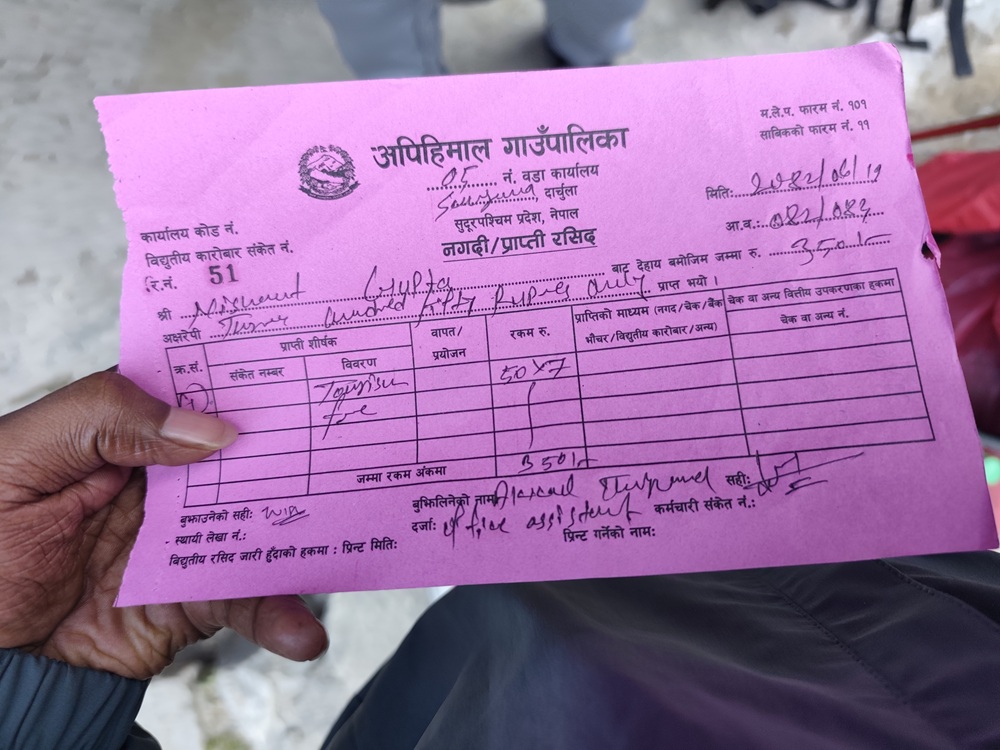
Understanding complete permit costs by nationality helps accurate budget planning. All amounts use the exchange rate for 2026.
Api Base Camp Permit Cost for Foreigners
Foreign nationals (citizens of countries outside the SAARC region) pay standard international rates for Api Base Camp permits.
Restricted Area Permit (RAP):
- First 7 Days: $90 per person or NPR 13,037
- Additional Days: $15 per person per day or NPR 2,173
Most Api Base Camp treks require 12-16 days total, including approach and return, with approximately 10-12 days spent in restricted zones.
For a standard 2-week stay in the restricted area:
- First Week: $90 or NPR 13,037
- Additional 7 Days: $105 or NPR 15,209
- Total RAP: $195 or NPR 28,246
Api Nampa Conservation Area Permit:
- Fees for the API Nampa Conservation permit are NPR 3,000 or approximately $21.
- This permit covers the entire stay within the conservation area.
- It is valid for a single entry.
TIMS Card:
- Cost: NPR 2,000 or approximately $14
The above charges are for permits only; the total cost for the trek, including guide, porter, transport, accommodation, and meals, will be between USD 1,500 and 2,500, depending on the service and the number of people.
Api Base Camp Permit Cost for Indian Citizens
Indian citizens have special arrangements for trekking in Nepal due to long-standing agreements and open-border policies.
Indian nationals require RAP to trek to Api Base Camp, despite it being a short distance away and the presence of bilateral relations. However, there are often simplified procedures with special arrangements:
- Cost is typically the same as SAARC rates which is $145 or NPR 21,000.
- Some sources indicate possible exemptions or discounts, but it is best to check with the relevant authorities, as regulations keep changing
Api Nampa Conservation Area Permit:
- Fees: NPR 1,500 or approximately $10
TIMS Card:
- Cost: NPR 1,000 or approximately $7.
Total Estimated Cost for Indian Citizens for 2 weeks:
- RAP: $120 or NPR 17,382.
- Conservation Permit: $10 or NPR 1,500
- TIMS (if required): $7 or NPR 1,000
- Grand Total: Approximately $137 or NPR 19,882
Api Base Camp Permit Cost for SAARC Nationals
Citizens of SAARC nations are charged reduced rates for permits to encourage South Asian tourism.
Restricted Area Permit (RAP):
- Fees for the first 7 days: $75 per person or NPR 10,864
- Subsequent days: $10 per person per day or NPR 1,449
Api Nampa Conservation Area Permit:
- Cost: NPR 1,500 or approximately $10
TIMS Card:
- Cost: NPR 1,000 or approximately $7
Total Estimated Cost for SAARC Nationals for 2 weeks:
- RAP: $145 or NPR 21,000
- Conservation Permit: $10 or NPR 1,500
- TIMS (if required): $7 or NPR 1,000
- Grand Total: $162 or NPR 23,500
Api Base Camp Permit Cost for Nepali Trekkers
The permit charges are nominal for Nepali citizens, taking into account their rights as citizens of Nepal, while also contributing to conservation efforts in a small way.
Citizens of Nepal are exempt from the RAP requirements for restricted areas in Nepal. This is the biggest cost-saving advantage for Nepali trekkers.
Api Nampa Conservation Area Permit:
- Cost: NPR 100 or approximately $1
Some remote regions implement local entry fees supporting community development:
- Estimated Cost: NPR 500 to 1,000 or $3 to $7
- It varies by specific municipality regulations
TIMS Card:
- Cost: NPR 600 or approximately $4 if required
Total Estimated Cost for Nepali Trekkers:
- RAP: NPR 0
- Conservation Permit: NPR 100 or $1
- Municipality Fee: NPR 500 to 1,000 or $3 to $7
- TIMS: NPR 600 or $4
- Grand Total: NPR 1,200 to 1,700 $8 to $12
Required Documents for Api Base Camp Permit
Proper documentation is essential for smooth permit processing. If you provide incomplete documents, it may cause delays or application rejection.
- Must have at least 6 months' validity passport beyond trek completion
- A Nepal Entry Visa is required for all non-Nepali citizens
- 4-6 recent and color passport size photographs
- Must require a registered trekking agency confirmation.
- Must have a travel insurance certificate.
- You must provide a detailed itinerary.
Where & How to Get Api Base Camp Permit
Through Registered Trekking Agency
Application Process: Your preferred registered agency handles the entire permit process. The process includes submitting documents to the Department of Immigration, the National Parks Department, and the Nepal Tourism Board.
Processing Time:
- RAP Processing: 3-5 working days in Kathmandu after providing complete documentation.
- Peak Season (Spring/Autumn): 5-7 working days due to higher application volumes during peak seasons.
- Recommended Timeline: Arrive in Kathmandu at least 7 days before your trek departure.
Factor in additional buffer time for possible delays, problem reporting, or administrative procedures. Initiating permit procedures 2-3 weeks prior to trekking schedules via early agency coordination will help speed up the process.
Permit Validity Period: RAP will be valid for the dates specified in your submitted trek schedule. Permit extensions while on treks are very difficult to obtain due to the inaccessibility of Api, so make sure your original permits are valid for the entire duration of your trek, plus 2-3 days of buffer time for weather-related route changes.
Permit Collection Points
Kathmandu Processing: All Api Base Camp permits are processed in Kathmandu, and there are no permit offices at the trekking entry points in the remote Darchula region. Your agency will collect the processed permits from the concerned government offices and hand them over to your hotel before departure.
Keep all permits in waterproof protection during your trek. Checkpoints verify permits at Darchula (the initial entry area), at specific points along the approach route, at the Api Nampa Conservation Area entry gate, and potentially at several monitoring posts along the trail.
Api Base Camp Trek Cost (Beyond Permit)
Understanding the full trek costs helps with realistic budgeting for this remote adventure, where expenses extend well beyond permits.
Transportation Cost
Kathmandu to Darchula: Reaching the Api Base Camp trailhead requires multi-day overland journeys or expensive flight combinations.
Option 1: Flight + Road (Faster, More Expensive):
- Kathmandu to Dhangadhi flight: USD 150-200
- Dhangadhi to Darchula jeep: USD 60-80
- Total One-Way: USD 210-280
- Round-Trip: USD 420-560
Option 2: Full Overland (Cheaper, Very Long):
- Kathmandu to Mahendranagar bus: USD 20-30 (24-30 hours)
- Mahendranagar to Darchula jeep/local bus: USD 15-25
- Total One-Way: USD 35-55
- Round-Trip: USD 70-110
Most foreign trekkers choose flight options to minimize travel time and maximize trekking days, while budget-conscious trekkers or those with ample time choose overland routes to experience rural Nepal's landscapes and cultures.
Important Things to Know
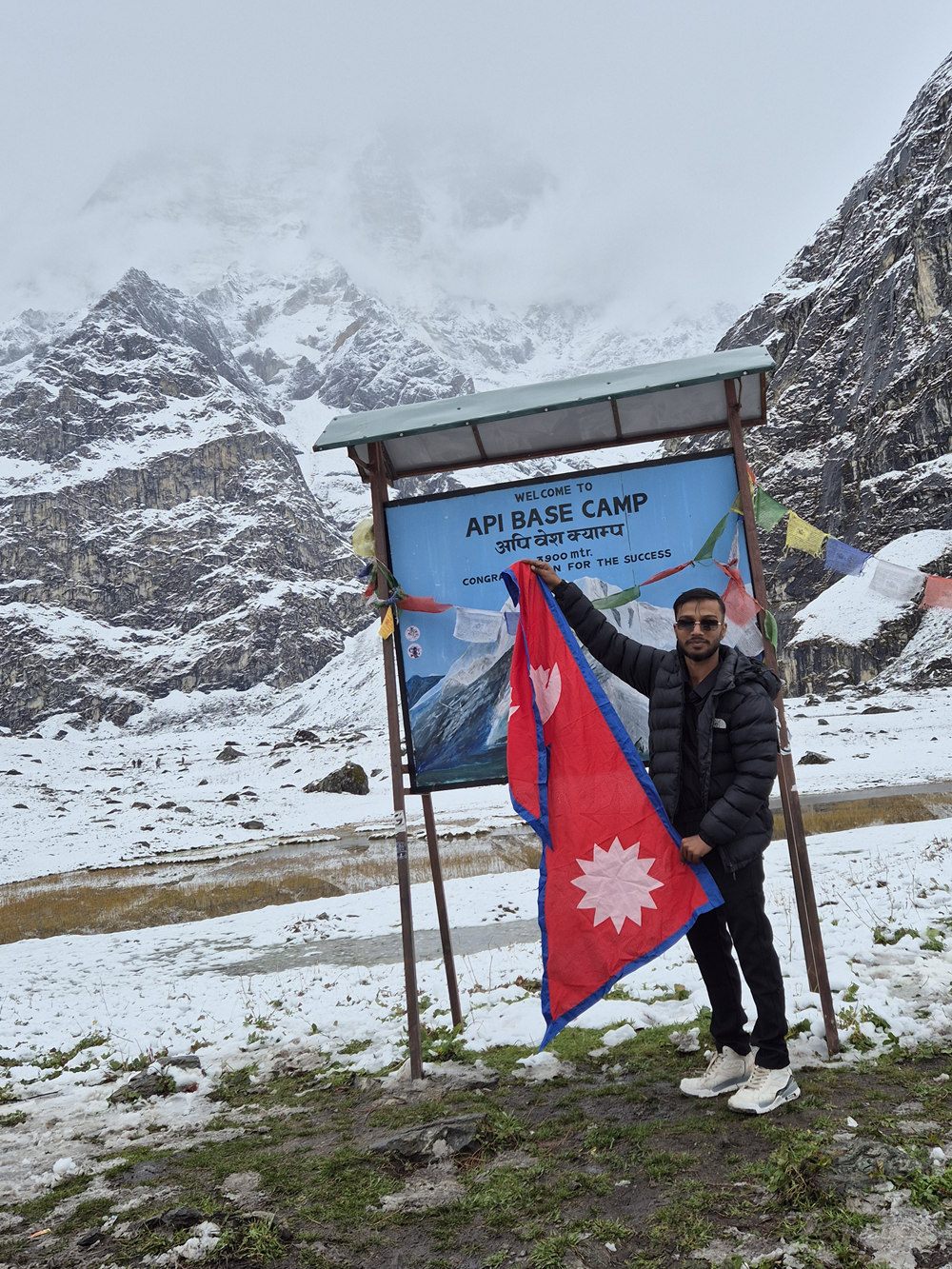
Best Time to Visit:
- Spring: During this season, there is clear weather, blooming flora, and comfortable temperatures.
- Autumn: This season is the post-monsoon season which provides you with clarity, stable conditions, and excellent visibility.
- Avoid: You must try and completely avoid monsoon and winter due to extreme weather.
Trek Duration:
- Total: 16 to 20 days
- Trekking Days: 12 to 15 days
- Acclimatization Days: 2 to 3 days
Difficulty Level:
- Rating: Challenging
- Maximum Altitude: 4,200 to 4,500m in the base camp area
- Daily Walking: 6-8 hours
- Terrain: Remote, rugged, sometimes unmarked trails
Fitness Requirement:
- Previous trekking experience strongly recommended
- Good cardiovascular fitness is essential
- Altitude experience beneficial
- Mental preparedness for remoteness
Safety Considerations:
- There is limited rescue infrastructure.
- There might not be helicopter landing sites in many areas.
- Satellite communication is really essential.
- You must get travel insurance. It is non-negotiable.
Common Mistakes to Avoid
- Trying to Trek Without Agency: Independent trekking is illegal in the Api region and will result in permit denial and even legal trouble. Be prepared to accept the compulsory agency requirement and select reliable trekking agencies.
- Underestimating Remoteness: Api Base Camp is truly remote with no mobile network, no ATMs, no medical facilities, and limited rescue services. Plan for this with adequate funding, a comprehensive first-aid kit, satellite communication equipment, and realistic expectations for basic facilities.
- Not Carrying Enough Cash: There are no ATMs within the Api region. All cash required in Nepali rupees should be carried from Kathmandu, along with 50% additional cash in case of emergencies or unexpected delays.
Final Thoughts
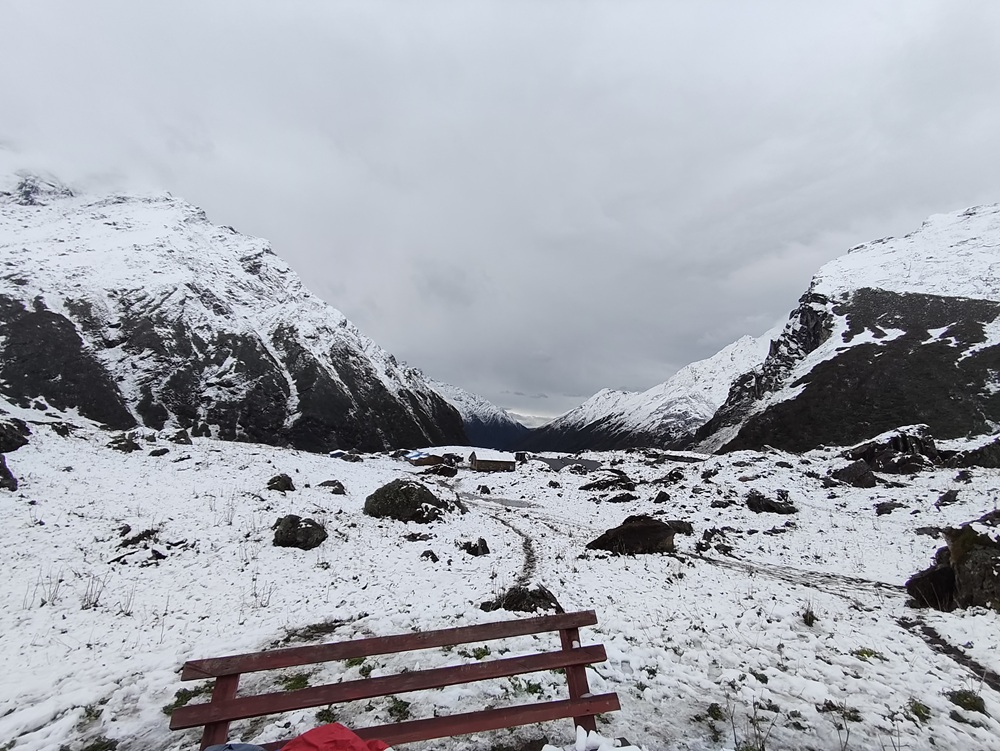
Api Base Camp Trek, in the shadow of Api Himal, is an opportunity to venture into one of the least visited and remotest regions of the Himalayas in Nepal. Unlike the popular treks of Everest Base Camp Trek or Annapurna Base Camp Trek, Api Base Camp Trek is all about wilderness and solitude. But because of its location in the protected area of Api Nampa Conservation Area and proximity to the international borders, it is required to trek with a guide.
Although the cost of permits and trekking arrangements is a concern, the advantage of trekking to Api Base Camp is that it is one of the least-visited trekking routes in Nepal.
Frequently Asked Questions
How much will the Api Base Camp permit cost in 2026?
Api Base Camp permit costs vary by nationality. Foreign nationals pay approximately USD 230 (NPR 33,246) total, including RAP (USD 195 for 14 days), Api Nampa Conservation Area permit (USD 21), and TIMS if required (USD 14). SAARC nationals must pay approximately USD 162 (NPR 23,504) with reduced RAP fees. Indian nationals also have to pay a similar amount to SAARC members, around USD 137 (NPR 19,882). Nepali nationals have to pay very little, around USD 8-12 (NPR 1,200-1,700), as they are exempted from the RAP fees. The above-mentioned fees are for permits only, and the total cost of trekking varies from USD 1,200 to 2,800, depending on the nationality
Do Indian citizens need a permit for the Api Base Camp?
Yes, Indian nationals need permits to trek Api Base Camp despite the special Nepal-India relations. Indian nationals need a Restricted Area Permit (RAP) via trekking agencies, although they get SAARC rate discounts (around 30% off compared to other foreign nationals). Indian nationals also need Api Nampa Conservation Area permits and TIMS cards if required. Indians can enter Nepal visa-free and sometimes use their Indian government IDs instead of passports. However, permit processing through trekking agencies with licensed guides is required for this restricted-area trek.
Is Api Himal a restricted trekking region?
Yes, Api Himal is definitely categorised as a restricted trekking area by the Nepal Government, which requires special Restricted Area Permits (RAP) in addition to the normal conservation area permits. This is because Api Himal is situated in a sensitive border area close to India and Tibet, which the Government needs to monitor. Being a restricted trekking area means that trekkers must be accompanied by a trekking agency, and independent trekking is not allowed.
Can Nepali citizens trek without RAP?
Yes, Nepali citizens do not need to pay the Restricted Area Permit (RAP) fee for Api Base Camp and other restricted areas in Nepal. This is a massive saving for the Nepali citizens. However, they will need Api Nampa Conservation Area permits, local municipality fees if applicable, and TIMS cards. More importantly, even Nepali citizens need to trek Api Base Camp through registered agencies with licensed guides because of the restricted area status, which ensures that all trekkers are trekking with guides, irrespective of their nationality.
Is a guide mandatory for Api Base Camp trek?
Yes, the use of the services of licensed trekking guides is strictly mandatory for the Api Base Camp trek. This is not negotiable because the act of trekking without the use of the services of licensed trekking guides is considered an offence according to the restricted area regulations of Nepal. The guides should have valid licenses from the government and should work with organizations that are registered with the Nepal Tourism Board. This is a mandatory requirement that ensures the safety of trekkers in very remote areas where rescue services are underdeveloped.