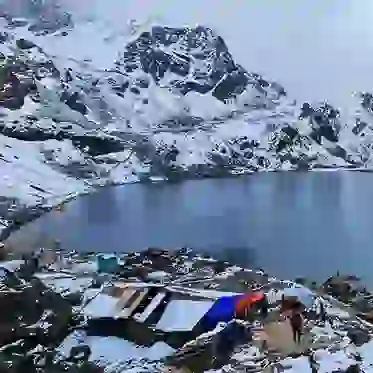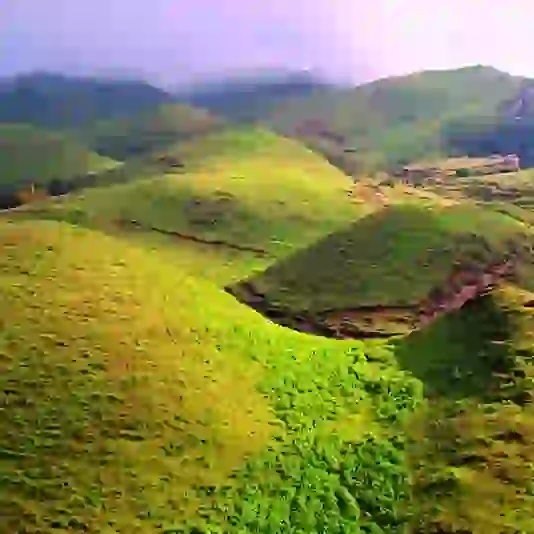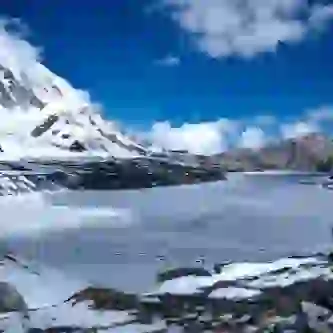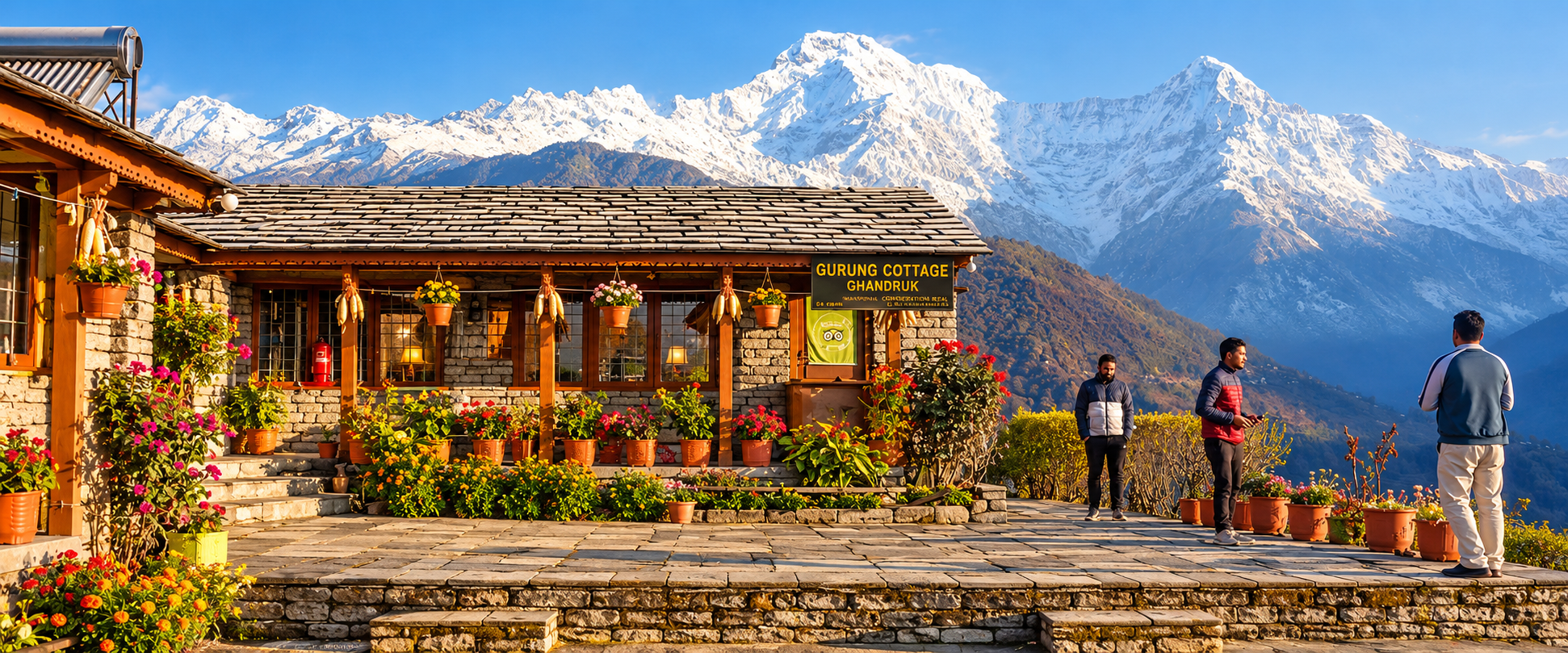
Ghandruk village and trekking routes, including the eponymous Ghandruk Trek, is a fixture on many Annapurna-region treks. It is essential to first travel to Pokhara, Nepal’s tourism capital, by bus or private vehicle.
Then travel from Kathmandu (the capital of Nepal), take a private vehicle, and trek the rest of the way. This would take at least a few days, although reaching Ghandruk from Kathmandu in a single day may be possible with an early start and favourable road conditions.
Ghandruk Travel Facts for 2026
Ghandruk is a Gurung village in Kaski District at an elevation of approximately 2,012 metres above sea level. It is a popular gateway to short Annapurna-region walks and longer trekking routes. The typical Kathmandu–Pokhara flight takes approximately 25–30 minutes, while a road transfer generally requires 6–10 hours or longer depending on traffic and road conditions. As a planning reference, Hop Nepal's 2026 budget trekking guide quotes approximately NPR 1,200–1,700 per person for the Kathmandu–Pokhara tourist bus. The onward drive to Ghandruk varies depending on road conditions and stopping points; allow several additional hours. These are indicative planning figures, not guaranteed schedules or live ticket quotes.
Sources: Hop Nepal's Ghandruk trek itinerary and 2026 Nepal trekking budget guide. Check directly with the transport operator for the latest fares and departures.
First Half of Trip from Kathmandu to Ghandruk: Kathmandu to Pokhara
The first half of the tour to Ghandruk from Kathmandu requires travellers to reach Pokhara first. Visitors can reach Pokhara by road or by air.
By Road (time taken: 8-9 hours)
The most pleasant and easiest way to make the overland trip is to hire a private driver, as self-drive rental arrangements for foreign visitors require checking local licensing and rental conditions in Nepal. This option offers the advantage of full control over your schedule, allowing you to stop, explore, and engage with the surroundings at your own pace. It provides a personalised and flexible travel experience, perfect for those who appreciate independence on their journey.
However, for travellers interested in experiencing the camaraderie of shared experiences, taking the bus could be a fulfilling adventure. While it demands adherence to a set schedule, it fosters a sense of community as you share stories and encounters with fellow travellers along the way. Choosing between hiring a private driver and taking the bus thus reflects whether you prioritise control or community during your travel experience.
Ariel views Pokhara
Hiring a car and driver means you can make a stop at any time of day (tourist buses typically depart early in the morning) when and where you want, and continue your trip. Each bend hides a teahouse tale, inviting you to pause and delve into the stories woven into the landscape.
If you're on a budget and not short on time, taking the bus is a scenic and worthwhile alternative. You can follow the Prithvi Highway, which connects Pokhara with Kathmandu.
For the first half of your journey, it passes almost parallel to the Trisuli River. In the second half, the mighty Himalayas come closer into view. It can, however, be slow and physically tiring due to road and traffic conditions.
An overland journey can take as little as six hours without road delays, though this is quite rare. Sometimes, it can take as many as nine. Tourist buses are generally affordable and reasonably comfortable, although safety depends on the vehicle, operator and road conditions. Local drivers, familiar with the unique challenges of the mountain roads, are highly skilled and prioritise passenger safety. Many travellers find reassurance in the expertise of these drivers, knowing they can navigate the terrain with caution and care.
Many tourist buses depart from Kathmandu early in the morning, generally around 7 AM and arrive at the Pokhara tourist bus park, not far from Pokhara's Lakeside. Arrival time depends on traffic, roadworks and weather. During busy times, pre-book tickets, especially if you're planning a budget-friendly Nepal trek in 2026. Note that during festival weeks, such as Dashain or Tihar, buses tend to sell out quickly, making an early reservation essential.
The luxury Greenline Bus is the most spacious, with a buffet lunch and higher-calibre comfort stops. Local buses can be inexpensive but may offer fewer comforts; standards and driving practices vary by operator.
If you're on a tight budget or need the freedom to leave Kathmandu later in the day, they're just alternatives.
By Plane (time taken: 30 minutes)
Flying is the shortest, fastest, and most convenient way to get from Kathmandu to Pokhara. Flights to Pokhara depart from the domestic terminal at Tribhuvan International Airport (TIA) several times during the day. Opting for a flight not only saves time but also offers the delightful opportunity to enjoy an extra lakeside sunset in Pokhara, a picturesque reward that can enhance your journey. Around mid-afternoon, the last flight leaves, so it's safer to try to be on the first flight of the day, and if delays arise, re-bookings are made in the order of the first flight.
Sky's Limit: Journey Awaits Above
If an afternoon flight is scheduled and all morning flights are cancelled, the knock-on effect ensures that you do not end up flying until the next day.
Flights take about 30 minutes, but due to weather conditions, they can be delayed or cancelled, especially in poor weather. For the best mountain views, consider sitting on the right-hand side of the aircraft.
Pokhara International Airport is only a couple of miles from Lakeside. Having a taxi in town is convenient, or you can arrange for a hotel pickup.
Second Half of the Trip from Kathmandu to Ghandruk: Pokhara to Ghandruk
Suppose you travel from Kathmandu to Pokhara early in the morning, and everything runs on time. In that case, you can reach Pokhara from Kathmandu on the first day, then proceed to Ghandruk on the second day.
However, a more leisurely itinerary that involves at least one night in Pokhara is preferred unless you're in a real hurry. In Pokhara, there's plenty to enjoy, and this is a less tiring choice than others.
By Private Vehicle and then on Foot (time taken: two days)
There's more than one way to reach Ghandruk from Pokhara, and you won't be required to always follow the most direct path, depending on your trekking itinerary. Consider taking the 'Heritage Detour,' a less-travelled scenic route that offers a unique and personalised trekking experience. This path leads through traditional Gurung villages on the Ghandruk trek and stunning landscapes that truly set this journey apart.
Take a private means of transport west along the Pokhara-Baglung Rajmarg Road from Pokhara. Many trekkers follow this well-developed path, setting out for treks into the Annapurna Conservation Area.
Beautiful Gurung Village
You can also ride a local bus, but it's not very convenient (or safe) and takes much longer than a private car. For around an hour, travel along this road until you hit the turn-off for Dhampus. Here you'll leave the road behind.
Continue hiking from Dhampus to the Australian Camp on foot, reaching the small Gurung village of Pothana in about 4 hours. The path goes through some woods and cultivated land, and parts of it are uphill. Overnight stay in Pothana.
Continue trekking toward Ghandruk on day two. You'll travel through the towns of Deurali, Tolkha, and Landruk. After Landruk, the trail ascends and descends, is steep in sections, and is more incremental.
What is the Kathmandu-to-Ghandruk Bus Ticket Price?
Travelling from Kathmandu to Ghandruk typically involves a bus journey to Pokhara, followed by a drive to Ghandruk. Here's a breakdown of the costs and options:
1. Kathmandu to Pokhara:
- Tourist Bus: These buses depart from near Thamel (Kantipath) around 7 a.m. and arrive at Pokhara's tourist bus park, close to Lakeside. The journey can take between six and nine hours, depending on road conditions. Prices range from NPR 1,200 to NPR 1,600, depending on the level of comfort and amenities.
- Greenline Bus: A more luxurious option, it offers enhanced comfort, including a buffet lunch and higher-quality rest stops. The fare is USD 25 for foreigners and INR 1,250 for Indian nationals.
2. Pokhara to Ghandruk:
- Private Jeep: Hiring a private jeep from Pokhara to Ghandruk costs approximately NPR 10,000–11,000 for the entire vehicle. This option provides flexibility and comfort, especially for groups.
- Shared Transport: Shared jeeps or buses may be available at lower per-person rates, but schedules and availability can vary.
Direct Kathmandu to Ghandruk Transport:
Direct public buses from Kathmandu to Ghandruk are uncommon. Most travellers prefer the Kathmandu-Pokhara-Ghandruk route for better connectivity and comfort.
Tour Packages:
Some tour operators offer packages that include transportation and accommodation. For instance, a 3-night/4-day tour can vary widely in cost depending on the season, vehicle type, group size, and included services; request an updated quote rather than relying on an old fixed package rate.
Additional Considerations
- Booking: It's advisable to book tickets in advance, especially during peak tourist seasons, to ensure availability and preferred seating.
- Travel Time: Be prepared for variations in travel time due to road conditions and traffic.
- Currency: Ensure you have sufficient Nepalese Rupees (NPR) for payments, as not all services may accept foreign currency or cards.
By planning and choosing the transportation option that best fits your budget and comfort, you can enjoy a smooth journey from Kathmandu to Ghandruk. Choose time, comfort, or cost, and Ghandruk will reward you in each case.
Frequently Asked Questions About Getting to Ghandruk in 2026
How far is Ghandruk from Kathmandu?
Ghandruk is reached via Pokhara, which is approximately 200 km west of Kathmandu by road. The final drive from Pokhara to Ghandruk adds another journey through the Annapurna foothills. Total road distance and travel time depend on the route and where your vehicle can stop.
Can you reach Ghandruk from Kathmandu in one day?
Yes, it is possible with an early start, an efficient connection through Pokhara, and good road conditions. However, travellers should allow extra time for highway delays and the uphill road to Ghandruk. Staying overnight in Pokhara is a more relaxed option.
What is the price of a Kathmandu-to-Pokhara bus ticket in 2026?
As an indicative 2026 budget, tourist buses cost approximately NPR 1,200–1,700 per person, depending on the operator and service category. These are published planning estimates rather than guaranteed live prices; confirm the current fare before booking. For more context, see Hop Nepal's 2026 budget trekking and transport guide.
How long does it take to travel from Kathmandu to Pokhara?
Road travel often takes approximately 6–10 hours or more, depending on traffic, roadworks and weather. A direct flight typically takes about 25–30 minutes in the air, excluding airport check-in, transfers and possible delays.
How do I get from Pokhara to Ghandruk?
Travellers generally take a private or shared jeep along the road towards Ghandruk, or choose a longer trekking route through nearby villages. Transport availability depends on road conditions and the season. Read about short treks from Pokhara including Ghandruk for alternative ways to experience the area.
What is the altitude of Ghandruk village?
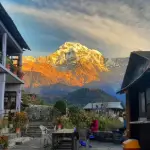
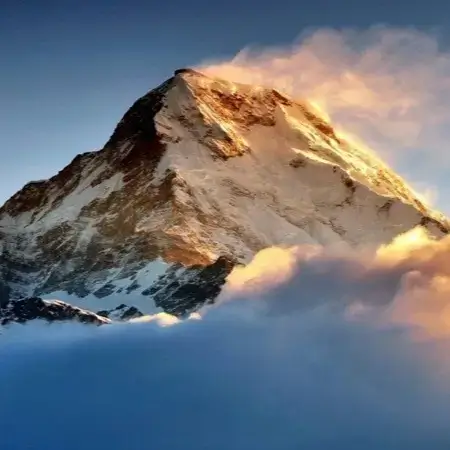
Ghandruk lies at approximately 2,012 metres (6,601 feet) above sea level. It is known for its Gurung culture and views of Annapurna South and Machhapuchhre. Hop Nepal's seven-day Ghandruk trek itinerary provides a longer village-to-village route.
Is Ghandruk suitable for beginner trekkers?
Ghandruk is a popular choice for beginners and families, especially on short, well-planned routes. The difficulty depends on the trail, the number of stairs, weather and individual fitness. If you want other nearby options, see short treks in Nepal.
What is the best time to visit Ghandruk?
March–May and September–November are popular periods because of generally more favourable trekking weather and mountain visibility. Monsoon months can bring slippery roads and cloud cover; winter mornings can be cold. Check local conditions before departure.
Do I need a trekking permit to visit Ghandruk?
Permit requirements depend on your nationality, exact route and whether you are travelling solely to the village or continuing into regulated trekking areas. Ghandruk lies within the Annapurna Conservation Area; check current ACAP and guide requirements with the relevant authorities or your trekking organiser before travelling.
Is Ghandruk connected by road in 2026?
Yes, vehicles can usually reach the Ghandruk area by road, but access may be affected after heavy rainfall or road damage. Check road conditions and the vehicle's actual drop-off point, particularly during the monsoon.