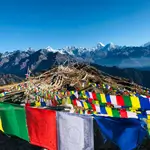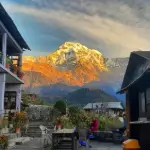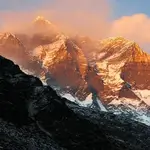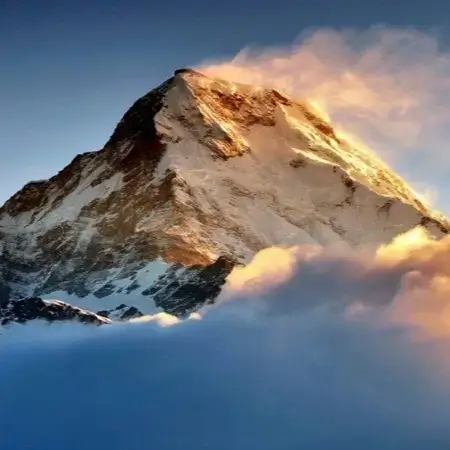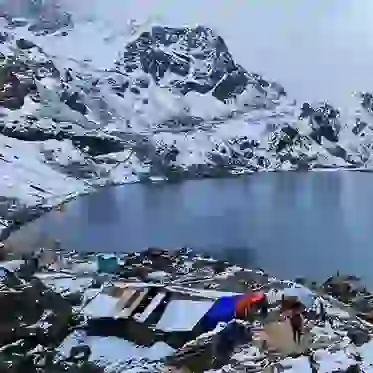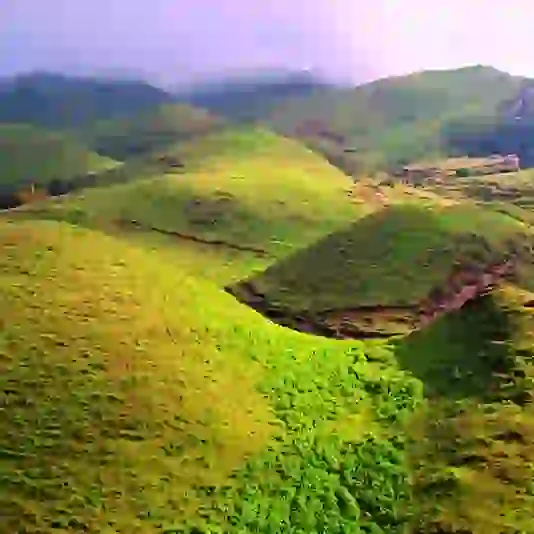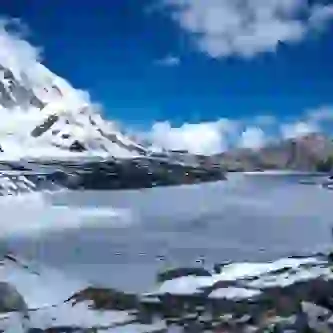

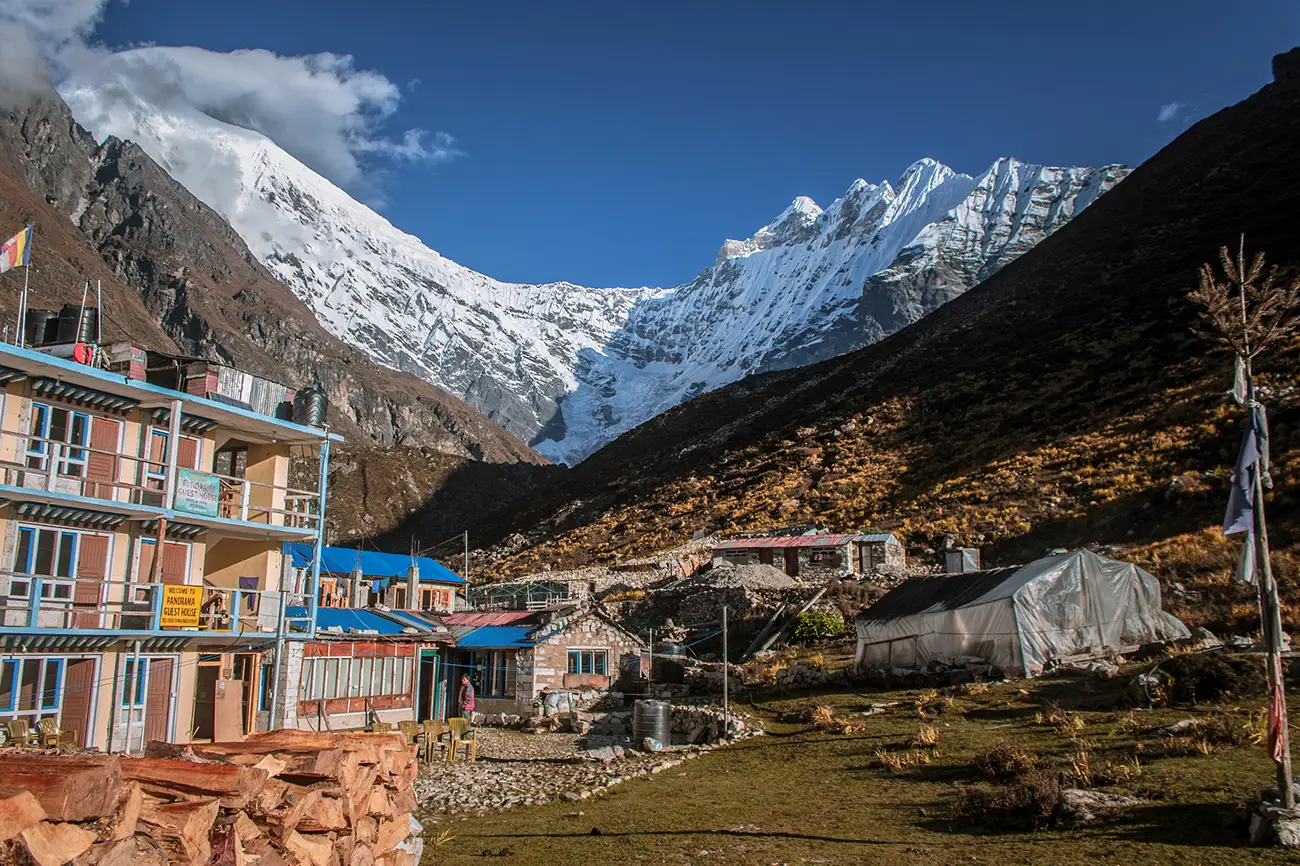
Are you planning to trek to the beautiful Langtang Valley in 2026? Before organizing a trek, it is important that you understand the following information regarding the cost of permits. It is vital for organizing your trek. The Langtang area is also known as the Valley of Glaciers. It is located north of Kathmandu and boasts breathtaking mountain scenery and the culture of the Tamang people.
Langtang is an open trekking area that requires only two standard permits. The charges differ considerably depending on your nationality, with separate rates for foreign nationals, SAARC country citizens, and Nepalese. This detailed 2026 guide will walk you through the specific permit fees, how to obtain the permits, and the essential rules for your Langtang trek.
Whether you are budgeting for a week-long trek in the valley or an extended trek that includes Kyanjin Gompa and the surrounding peaks, you will be able to find the correct and up-to-date information regarding permits to ensure smooth planning for this rewarding trekking experience in Nepal.
Why You Need a Langtang Trekking Permit
Langtang National Park was established in 1976 as the first Himalayan national park in Nepal. It is a protected area of 1,710 square kilometers. This national park includes subtropical forests, alpine meadows, and glaciated high mountain regions. Nepal is home to endangered species such as red pandas, Himalayan black bears, and snow leopards, as well as more than 250 bird species.
Mandatory Permits Protect Environment and Culture
All trekkers entering Langtang National Park must have appropriate permits. The permit contributes to conservation activities, trail development, waste management systems, and community development programs for local Tamang communities. The costs of these permits directly contribute to:
- Trail development and maintenance following monsoon and earthquake damage.
- Waste collection and management systems to prevent environmental degradation.
- Reforestation programs to restore damaged areas.
- Development of clean drinking water facilities at designated points.
- Support for local schools and health posts.
- Wildlife monitoring and anti-poaching patrols.
- Preservation of cultural heritage in traditional villages.
The permit system also has safety advantages. The advantages include trekker registration, which enables rescue coordination in emergencies. Checkpoint registrations create a digital record of your location, helping track missing trekkers and enabling evacuation if needed.
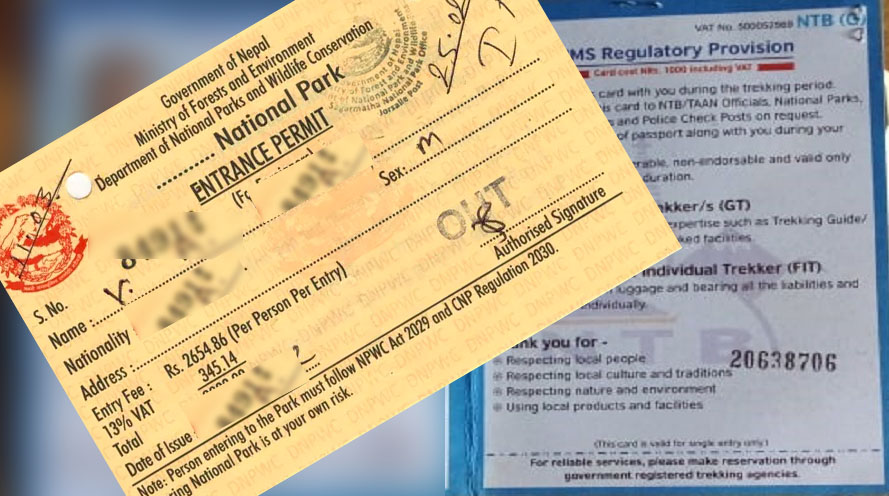
Fees Differ by Nationality
Nepal has tiered pricing for permits. This helps in balancing tourism income with regional cooperation. Foreigners pay international rates, SAARC nationals pay reduced rates, and Nepalis pay nominal rates, acknowledging their rights while supporting conservation. This system makes Langtang accessible to people of all economic classes while providing sufficient conservation funds.
Trek Length Varies
The Langtang Valley Trek normally takes 7-10 days. The common route for the trek, from Syabrubesi to Kyanjin Gompa and back, normally takes 7-8 days. However, if you include acclimatization days and visits to the Tserko Ri viewpoint or Langshisa Kharka, the trek may take 10-12 days. The permit fees for the trek are the same, irrespective of the number of days you spend in the national park.
Langtang Trekking Permit Overview
Completing the Langtang trek requires obtaining two separate permits before or during your journey. Knowing what each permit entails will enable you to appreciate the system beyond the mere formality of the permits.
Types of Permits Required
Langtang National Park Entry Permit
This permit allows legal entry into the Langtang National Park for trekking. Issued by the Department of National Parks and Wildlife Conservation, it funds environmental protection and park management throughout the conservation area. All trekkers, regardless of nationality or trek length, must have this permit before entering the park.
The permit will be valid throughout your stay in the park area. Whether it is 5 days or 15 days, you do not need to pay any additional fees. There are no extensions or charges for longer hikes as long as you stay within the park boundaries.
TIMS Card (Trekkers' Information Management System)
The TIMS card is a registration and tracking system that was introduced in 2008. It was introduced to enhance trekkers' safety. TIMS is a central database of all trekkers with their itinerary details, emergency contact information for rescue missions, trekker location tracking through checkpoint registration, and statistical information for tourism planning.
TIMS cards come in two colors which are green cards for independent trekkers and blue cards for organized group trekkers with agencies. The cost for both TIMS cards is the same, but colour-coding helps authorities distinguish between independent and guided treks during emergencies.
Who Issues These Permits?
Langtang National Park Permit:
- Department of National Parks and Wildlife Conservation
- Nepal Tourism Board office, Kathmandu
- Langtang National Park entry checkpoint at Dhunche
TIMS Card:
- Nepal Tourism Board office, Kathmandu (Bhrikuti Mandap)
- Trekking Agencies' Association of Nepal (TAAN) office, Kathmandu
Most trekkers obtain both permits in Kathmandu before departure, though the national park permit can be acquired at the Dhunche checkpoint.
Importance of Carrying Permits
Always keep both permits accessible in waterproof protection during your trek. There are several checkpoints where permits are checked, including Dhunche, Syabrubesi, and other points along the route. Permits may also be checked at tea houses where you register for the night.
Trekking without any valid permits will lead to hefty fines, trekking being cut short, and even deportation. Checkpoints enforce a zero-tolerance policy against trekking without proper permits to support conservation funding and trekker safety systems.
Langtang Trekking Permit Cost by Nationality
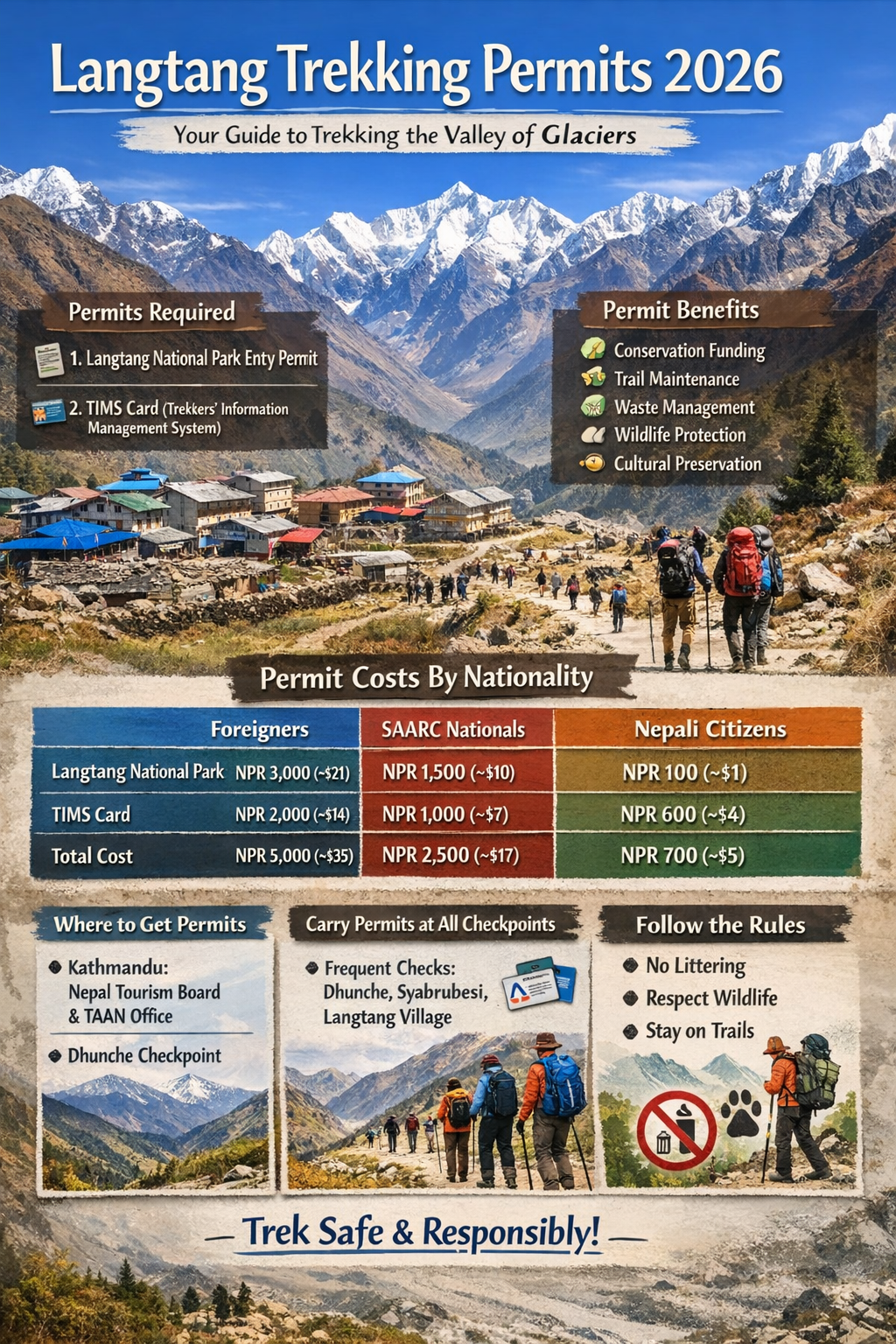
Permit fees vary widely by nationality, with all fees updated using the current 2026 exchange rate.
Langtang Trekking Permit Cost for Foreigners
Every foreign national except SAARC citizens pays the standard international rates for both required permits.
Langtang National Park Entry Permit:
- This permit costs NPR 3,000, approximately USD $21 per foreign national.
- This permit is valid for the entire trek duration within park boundaries.
TIMS Card:
- Individual Trekker (FIT): NPR 2,000 or approximately USD $14
- Organized Trekker (Agency): NPR 2,000 or approximately USD $14
Total Estimated Cost for Foreigners:
- NPR 5,000 or approximately USD $35
- Combines both mandatory permits
- Covers complete trekking requirements
This is the total permit investment for foreign nationals trekking the Langtang Valley. Other trekking investments include accommodation, meals, guide services (if required), porter services, and a small permit fee of NPR 5,000.
Langtang Trekking Permit Cost for SAARC Nationals
Citizens of SAARC member countries, including Bangladesh, Bhutan, India, Maldives, Pakistan, Sri Lanka, and Afghanistan, enjoy substantially discounted permit rates. This is a way of promoting regional tourism cooperation.
Langtang National Park Entry Permit:
- This permit costs NPR 1,500, which is approximately USD $10 for every SAARC national.
- SAARC nationals enjoy a 50% discount compared to foreign nationals.
- This permit has the same validity and access as standard permits.
TIMS Card:
- Individual Trekker: NPR 1,000 or approximately USD $7
- Organized Trekker: NPR 1,000 or approximately USD $7
Total Estimated Cost for SAARC Nationals:
- NPR 2,500 or approximately USD $17
- SAARC Nationals saves NPR 2,500 or USD $18 compared to foreign nationals
SAARC nationals must present their valid passports to obtain permits. You get to enjoy the discounted rates automatically upon verification of your nationality. You do not need any special applications or additional documentation once you have provided all the required documentation.
Langtang Trekking Permit Cost for Indian Citizens
Indian citizens are members of SAARC. They have the same fee structures as other SAARC nations without any special treatment or requirements.
- Langtang National Park Entry Permit: NPR 1,500 or $10
- TIMS Card: NPR 1,000 or $7
- Total: NPR 2,500 or $17
Documentation Needed:
- Must present an Indian passport with a minimum 6 months of validity period.
- 4 recent and colored passport-size photographs.
- Completed permit application forms.
- Nepal entry visa, if applicable.
Indian trekkers constitute a substantial share of tourists in the Langtang region due to geographical and cultural links, as well as the low cost of SAARC permits, which make Himalayan treks affordable.
Langtang Trekking Permit Cost for Nepali Citizens
The cost of permits is minimal for Nepali citizens. Nepali citizens enjoy their rights as citizens while still contributing to conservation and park management programs.
Langtang National Park Entry Permit:
- The permit costs NPR 100 or approximately USD $1 for Nepali nationals.
- They get the same access and validity as all other permits.
TIMS Card:
- The TIMS card costs NPR 600 or approximately USD $4 for all Nepali citizens.
- Nepali citations should pay a minimal registration fee.
- TIMS cards may be exempted for local residents in some cases.
Total Estimated Cost for Nepali Citizens:
- NPR 700 or approximately USD $5.
Nepali citizens must present their citizenship certificates, not passports, when applying for permits. The minimal cost ensures that Nepali trekkers, guides, and porters can access their own national parks without any financial constraints while still contributing to conservation through token payments.
Where to Get Your Langtang Trekking Permits
You must obtain all permits from the official offices in Kathmandu or from park entry checkpoints. You must understand your options to help plan an efficient trek.
Kathmandu: National Park and TIMS Counters
Nepal Tourism Board Office:
- Location: Bhrikuti Mandap, Kathmandu
- Working days: Sunday to Friday
- Working hours: 9 AM - 5 PM (Friday 9 AM - 3 PM)
- Processing Time: Same day with complete documentation
The headquarters of the Nepal Tourism Board offers one-stop processing for both Langtang National Park Entry permits and TIMS cards. Most foreign trekkers obtain these permits before leaving Kathmandu, which can take 1-2 days to process.
Required Documents:
- Must have a valid passport with at least 6 months of validity.
- Nepal entry visa.
- 4 recent, colour passport-size photographs.
- Completed application forms, which are available at the office.
- Exact permit fees in Nepali rupees.
You should arrive early morning, around 9 to 10 AM, during the peak seasons to avoid queues and ensure same-day processing. Staff in the office are fluent in English and assist with form completion if any confusion arises.
Langtang Region: Park Entry Points
Dhunche Checkpoint:
- Located at Dhunche village.
- Langtang National Park permits are also available here.
- Operating hours are from 8 AM to 5 PM every day during the season.
- Weekend and holiday closures might be possible.
Some trekkers purchase permits for national parks at the Dhunche checkpoint upon entering the area. However, it is recommended to purchase the permit in Kathmandu, as permits issued in Dhunche carry the risk of office closure on weekends, holidays, or other unforeseen events that may delay trekking. It is more reliable to process them in Kathmandu.
TIMS cards cannot be obtained in Dhunche. You must get a TIMS card in Kathmandu at the Nepal Tourism Board or TAAN offices before departure.
Registered Trekking Agencies for Hassle-Free Processing
The simplest solution would be to allow registered trekking agencies to handle all permit issues. This is because most trekking agencies include permit services in their packages.
Services Offered by the Agency:
- They help you with permit application assistance.
- Agencies prepare and submit the documents on your behalf.
- They help you pay permit fees on your behalf.
- Some agencies also provide the service of permit collection and delivery to your hotel.
- The agency coordinates with the tourism board and park offices.
The cost of this service is minimal. The agencies charge a service fee of between $10 to $20. This saves you time and the language barrier that might exist when dealing with government agencies. Passport copies and photos are required, and the agency will handle the process while you prepare for your trek.
Total Permit Cost Table (USD & NPR)
The following table shows complete permit costs for all nationality categories: 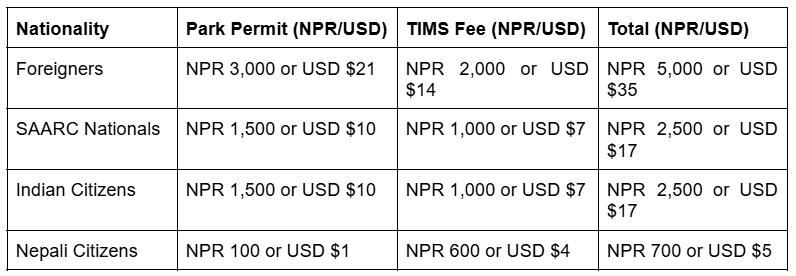
Important Rules for Langtang Trekkers
Compliance with permit rules will help in legal trekking and the conservation of Langtang for the future.
Always Carry Permits at Checkpoints
Ensure you have both a National Park Entry and a TIMS card, easily accessible in waterproof packaging throughout your trek. Permits are checked at various points, such as Dhunche, a national park entry point; Syabrubesi, a trekking start point; Lama Hotel or Langtang Village; and sometimes at tea houses.
You must display permits when asked by park authorities or at checkpoints. If you fail to provide valid permits, you face consequences. The consequences include abandoning the trekking route, fines ranging from NPR 5,000 to 50,000 depending on the situation, and even deportation for foreign citizens.
Non-Transferable Permits
Permits are issued to specific individuals, with passport or citizenship information, photographs, and personal details. The act of sharing, using, or attempting to sell or transfer permits is a violation of rules and regulations and constitutes serious fraud.
Each permit contains your photo and number. It makes it easily traceable if used fraudulently. Breaking the rules will result in immediate termination of the trek, heavy fines, confiscation of permits, and even a ban on trekking in Nepal in the future.
Wildlife and Environmental Compliance
Langtang National Park is a protected area for endangered species and sensitive ecosystems. Trekkers are required to comply with environmental guidelines that include:
- No Littering: You must dispose of all non-biodegradable trash such as wrappers, bottles, and batteries.
- Waste Disposal: You must use the toilet facilities. Do not defecate near water bodies.
- Wildlife Protection: Keep a safe distance from animals. Do not feed, touch or chase animals.
- Plant Protection: Do not pick flowers. You are not allowed to damage vegetation or pick plants.
- Fire Restrictions: Use only designated fire spots; do not light fires in the forest.
- Water Protection: Do not contaminate water bodies. You must use biodegradable soap away from water bodies.
Final Thoughts
Trekking in the Langtang Valley is a beautiful experience. You must have a clear understanding of the permit process to ensure a smooth, hassle-free trekking experience. The two necessary permits for trekking in the Langtang Valley are the Langtang National Park Entry Permit and the TIMS card. The cost of the permits varies by nationality, with concessions for SAARC citizens and a nominal fee for Nepali citizens.
Appropriate preparation must be done in advance. You must acquire permits in Kathmandu or from trekking agencies to ensure that you do not experience delays and that you are within the guidelines of the park. It is important that you carry your permits with you throughout your trek. You must follow guidelines for the environment and wildlife, and organize your trek based on these guidelines. With your permits and proper planning, your Langtang trekking experience in 2026 will be both safe and rewarding.
Frequently Asked Questions
Do SAARC nationals get discounted fees for the Langtang Trek?
Yes, SAARC nationals receive a 50% discount on both required Langtang permits. They have to pay NPR 1,500 instead of NPR 3,000 for the Langtang National Park Entry Permit and NPR 1,000 instead of NPR 2,000 for the TIMS card. This reduces their cost by NPR 2,500, or about $18, compared to that of foreign nationals. It is easier for South Asian countries to trek the Himalayas due to these discounts. The SAARC rates are automatically applied when SAARC passports are presented during the permit process.
Can I get the Langtang permit online?
No, the Langtang trekking permits cannot be applied for online. The Langtang National Park Entry Permit and TIMS card need to be applied for by submitting documents in person at the offices in Kathmandu or at the Langtang National Park checkpoint in Dhunche. However, the trekking agencies can apply for the permits on your behalf if you send them your passport copies and photos through email, thus providing semi-remote services. This agency service simplifies the process while you're still in your home country.
Where do I get a TIMS card for Langtang?
TIMS cards for the Langtang trek are available at two points in Kathmandu. It is available in the office of the Nepal Tourism Board at Bhrikuti Mandap and the Trekking Agencies' Association of Nepal office in Kathmandu. Processing of TIMS cards is done on the same day with all necessary documentation. TIMS cards cannot be obtained within the Langtang region. So, you have to get them in Kathmandu before leaving for your trek. Trekking agencies are also authorized to process TIMS cards for their clients.
Are Nepali citizens required to pay for the National Park permit?
Yes, Nepali citizens will have to procure and pay for the Langtang National Park Entry Permit, at a highly discounted rate of NPR 100, or about $1. Although the charge is nominal, it is still a requirement for all trekkers. The minimal charge recognizes Nepali citizenship rights to access national parks while still contributing token amounts toward conservation, trail maintenance, and park management programs. Nepali citizens present citizenship certificates instead of passports when obtaining permits, and also need TIMS cards for safety registration.