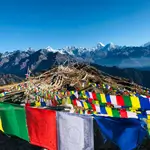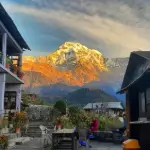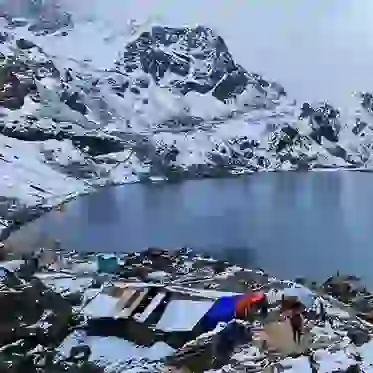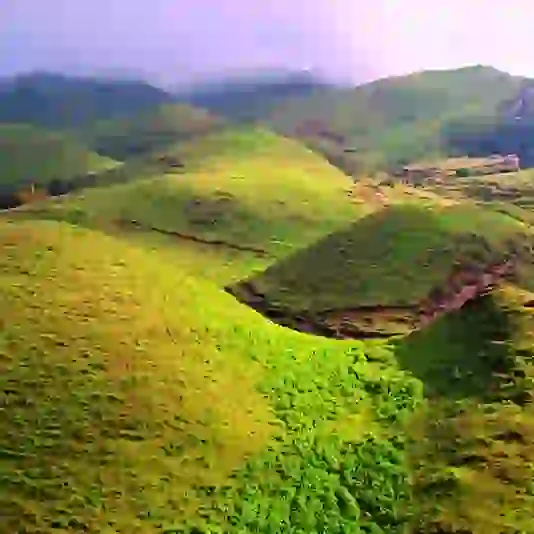

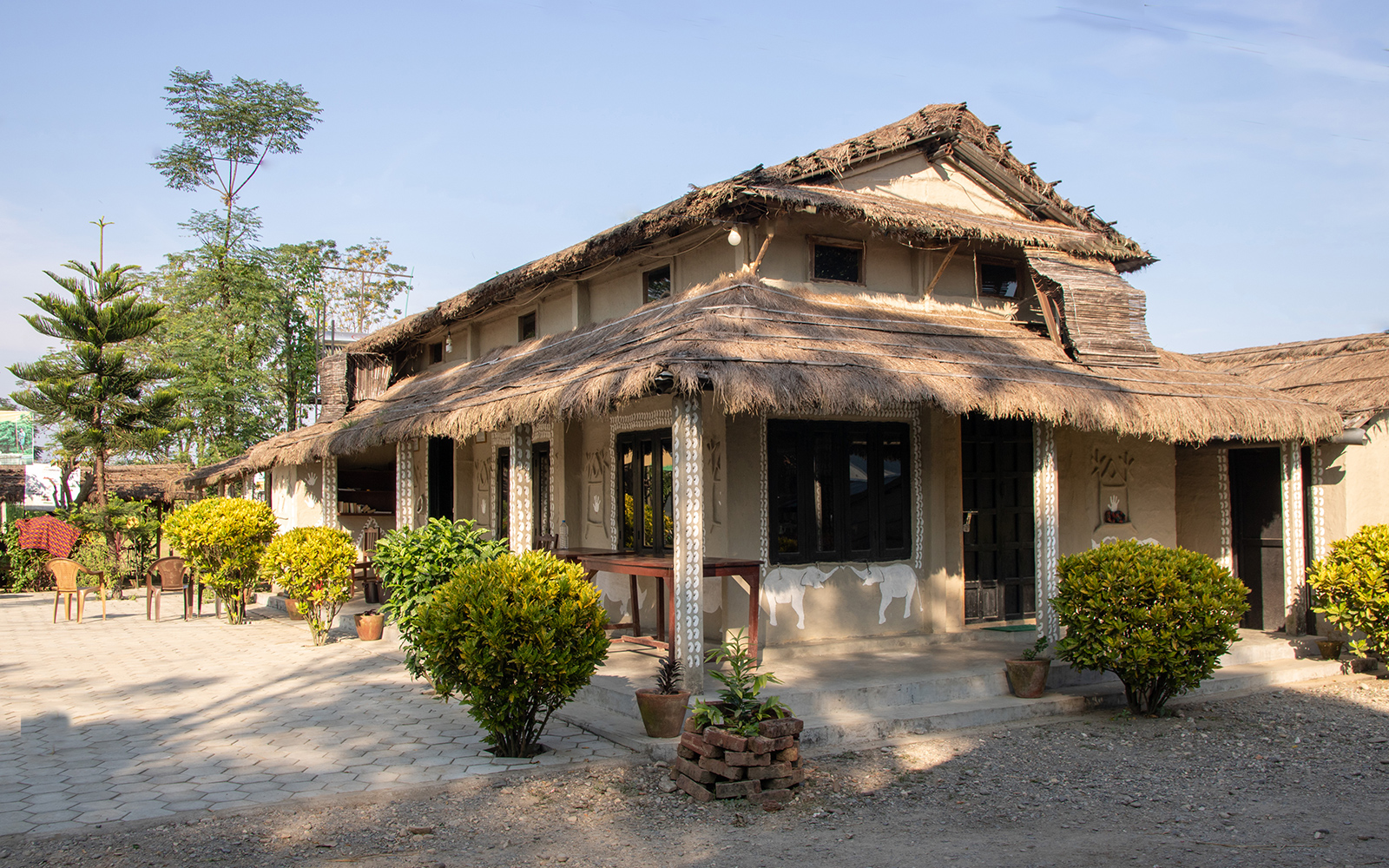
Most people come to Nepal for the mountains. They fly into Kathmandu, take a bus to Pokhara, lace up their boots, and spend a week climbing toward a horizon full of ice and sky. They leave having seen something extraordinary. But they also leave without having seen Nepal's other half, the flat, green, heat-soaked south, where a civilization older than the trekking industry has been farming the same land, singing the same songs, and building the same mud houses for centuries.
The Terai is home to the Tharu people, and a few days in their world will change how you understand Nepal entirely.
Who Are the Tharu People?
The Tharu are one of Nepal's oldest indigenous ethnic groups, with an estimated population of 1.7 million people spread across the Terai lowlands. They call themselves the People of the Forest, and the title is not poetic exaggeration, for generations, the Terai's dense jungle, which outsiders considered impassable and malarial, was their home and their protection. The Tharu developed a natural resistance to malaria, allowing them to inhabit lands that kept others out, and that history of self-sufficiency shaped a culture deeply rooted in agricultural independence, forest knowledge, and community cohesion.
Their presence spans several Terai districts, Chitwan, Bardiya, Kailali, and Kanchanpur, among the most significant, but their core identity remains consistent across geography. They are farmers first. Rice is not just their primary crop; it is the rhythm their entire year moves to.
The Tharu are not relics or museum exhibits. They are a living, active community navigating the same tensions between tradition and modernity that indigenous groups face everywhere. But in the villages around Chitwan National Park and Bardiya National Park, the old ways are still practiced with genuine conviction, and the welcome offered to curious visitors is warm, unhurried, and completely real.
Rice Planting Season in Nepal: The Heartbeat of Tharu Life
If you want to understand the Tharu, visit during the rice planting season. Nothing else comes close.
The monsoon arrives in Nepal in June, and with it begins the most important agricultural period of the year. Between mid-June and late July, the paddy fields across the Terai transform into shallow mirrors reflecting the grey monsoon sky, and every family in a Tharu village is in the water, hands deep in mud, transplanting rice seedlings row by row. The activity is communal in a way that modern life rarely allows, neighbours work each other's fields, songs are sung to set the planting rhythm, children run between the rows, and the whole village operates as a single organism working toward a shared harvest.
Joining this process as a visitor is not a performance or a packaged tourist activity. You are actually invited into the field. You remove your shoes, roll up your trousers, feel the cold mud close around your ankles, and learn to press a seedling's roots into the flooded soil at the correct angle so it stands upright. It takes about ten minutes to stop being self-conscious and another ten to find a rhythm. By midday, with mud up to your knees and rain coming down, it is one of the most grounding experiences travel has to offer.
The Tharu also observe traditional farming rituals during the planting season. Before work begins, prayers are offered to the land, specific songs called Kaharwa are sung in call-and-response between women working the fields, and certain protocols around which field is planted first and how the seedlings are handled carry spiritual significance passed down through generations. These rituals are not performed for tourists. They are simply part of how the work is done, which makes witnessing them feel like a privilege rather than a show.
Rice planting is not the only agricultural window worth visiting for. The October harvest brings its own energy, golden fields, the smell of cut paddy, and another round of community gathering as families work together to bring the crop in before the weather shifts. Both seasons reward the curious visitor in completely different ways.
Best Tharu Villages to Visit in Nepal
Sauraha, Chitwan, is the most accessible entry point into Tharu culture. Located at the edge of Chitwan National Park, Sauraha has a well-established village just a 30-minute walk or bicycle ride from the main tourist area. The village is genuine and inhabited, not reconstructed for visitors. Walking through the lanes between mud-walled homes with their hand-painted geometric designs, watching women carry bamboo baskets on their heads and men tend to buffalo in open courtyards, feels like stepping out of tourist Nepal and into something completely unhurried.
The Tharu Cultural Museum and Research Center in Sauraha's Bachhauli village is worth a dedicated visit. It displays traditional attire, ceremonial objects, farming equipment, household tools, and painted panels that trace the history and evolution of Tharu life, offering depth beyond what a village walk alone can provide.
Bardiya, in western Nepal, is the less-visited, more immersive alternative for those willing to travel farther. The villages around Bardiya National Park are smaller, quieter, and carry a character closer to what Chitwan probably felt like twenty years ago. Tharu homestays here are simple, family-run, and genuinely embedded in daily rural life. You eat what the family eats, sleep in the house, and wake to the same sounds the family wakes to. The jungle's proximity means wildlife experiences, early-morning elephant sightings, bird calls through the night, and the distant alarm call signalling a tiger moving through the park, adding a completely different layer to the cultural experience.
Villages like Dalla and Kailashi in the Bardiya region are small enough to explore comfortably on foot or bicycle in a day, offering a combination of Tharu homesteads, paddy fields, riverbanks, and community forest edges that feels entirely unmediated.
Tharu Cultural Experiences Worth Seeking Out
The Stick Dance (Lathi Nach) is the cultural performance most visitors encounter first, and it earns its reputation. Men and women dance in coordinated formations, rhythmically striking wooden sticks together to the driving beat of dhol drums and flutes. The movements tell stories from Tharu folklore, hunting sequences, harvest celebrations, battle formations, and the energy of a full-group performance, particularly during festivals, is electric. Most village cultural programs include a Lathi Nach performance in the evening, and the best ones invite visitors to join in for the final round.
Tharu food is one of the most distinctive regional cuisines in Nepal and genuinely deserves more attention than it gets. The signature dishes are rooted in what the Terai landscape provides. Ghungi is a spiced curry made from freshwater snails gathered from rice paddies and rivers, earthy and rich in a way that takes a minute to understand and then becomes immediately compelling. Dhikri are steamed rice flour dumplings, served with curry and eaten during festivals and celebrations. Anadi is a variety of sticky rice unique to Tharu communities that has a slightly sweet, nutty quality unlike any rice grown further north. Eating these dishes with a family at their own table, prepared in a mud-walled kitchen over a wood fire, is a meal that stays with you.
Tharu architecture is immediately distinctive. Houses are built from clay, cow dung, and rice husk, materials that are earthquake-resistant, naturally insulating, and cool even during Terai's brutal summer heat. The exterior walls of every home are decorated with hand-painted murals: geometric borders, peacock motifs, deer, fish, and symbolic patterns that vary by family and subgroup. These paintings are not decorative in the way a framed picture is decorative. They are protective, communicative, and part of how a Tharu family marks their identity on the land.
Tharu festivals give the cultural experience its deepest resonance. Maghi, the Tharu New Year, celebrated in January, is one of the most significant. Historically, it also marked the end of the kamaiya bonded labour system, so the festival carries layers of liberation and community solidarity that make it emotionally weighty beyond its celebratory surface. Homes are decorated and cleaned, special foods, including dhikri and ghungi, are prepared, and the Lathi Nach fills village squares well into the night. Jitiya, observed by Tharu women for the well-being of their children, is quieter and more intimate, with fasting, storytelling, the singing of folk songs, and rituals honouring ancestral spirits performed in small family groups.
The Tharu Homestay Experience
A Tharu homestay is not a boutique hotel experience. That is entirely the point.
You sleep on a cot in a family room or a simple guest space, covered by a handwoven blanket. Mornings begin early because the farm begins early, and if you are there during rice planting season, you are expected to participate if you want to. Meals are eaten with the family. Conversations happen through gestures, broken phrases, and the particular warmth of shared activity when language runs out. Evening programs, a cultural dance, a cooking lesson, and a walk to the river happen at the family's pace rather than a schedule.
Bardiya Homestay and various community-based tourism operators in both Chitwan and Bardiya have been running authentic Tharu accommodation for years. Several operators reinvest profits directly into community funds that support cultural education, women's craft cooperatives, and the preservation of traditional farming practices. Staying in a community homestay is not charity tourism; it is the most direct way to ensure your travel spending reaches the people whose culture you have come to understand.
Best Time to Visit Tharu Villages
Monsoon season (June to August) is the most culturally immersive window, particularly for rice planting. The conditions are hot and humid, leeches are present on jungle trails, and travel logistics in the Terai become more complicated as roads can flood. But the paddy fields are active, the villages are at their most alive, and the cultural atmosphere is unlike any other time of year.
Winter (October to February) is the most comfortable season for travel. Temperatures are cool and manageable; the October harvest season is active in early autumn; Maghi falls in January, bringing the Tharu New Year celebrations; and wildlife in Chitwan and Bardiya is most visible during the dry winter months, when animals congregate around water sources. This is the season for combining a Tharu village experience with a jungle safari, giving a single trip two distinct yet complementary layers.
Spring (March to May) sees the Terai heat building toward summer, and the fields in a quieter phase between harvests. Comfortable enough in March and April, but increasingly hot by May. The cultural experience remains rewarding, but the agricultural drama of planting and harvest seasons is absent.
What to Expect: An Honest Guide
Tharu village tourism is community-based and genuinely low-infrastructure. You will not find fine dining, air conditioning, or WiFi in most village homestays. The roads to Bardiya are long, and the journey from Kathmandu takes the better part of a day by bus or jeep. Chitwan is more convenient but also more touristy, and the most authentic Tharu village experiences require a deliberate walk or bicycle ride away from the safari-resort strip.
Come with flexibility, openness, and the willingness to follow the village's rhythm rather than impose your own. Ask permission before photographing people, particularly women and children. Dress modestly, particularly in communal and festival settings. Learn two or three words of the Tharu greeting, and the response you receive will be immediate and generous.
The infrastructure is basic. The experience is not.
Conclusion
The Tharu villages of the Nepal Terai are one of the country's most genuinely underexplored cultural treasures. While trekking crowds file up and down the mountain trails of Annapurna and Everest, the paddy fields of Bardiya and Chitwan are being planted and harvested by a community whose relationship with this land goes back further than anyone can accurately measure.
Visiting during rice planting season is the most viscerally memorable version of this experience. But at any time of year, a few days among the Tharu, eating their food, watching their festivals, sleeping in their homes, reveals a Nepal that the mountain trails simply cannot show you.
Hop Nepal has been connecting travellers to authentic cultural experiences across Nepal since 2017. From Tharu village homestay packages in Chitwan and Bardiya to guided rural tours and cultural itineraries, the team puts you in the right place at the right time.
Explore Tharu cultural tours and rural Nepal packages at Hop Nepal.
Frequently Asked Questions
What is the best time to visit Tharu villages in Nepal?
The two best windows are the monsoon season (June to August) for the rice planting experience, when villages are fully active in the fields, and agricultural rituals are at their peak, and winter (October to February) for comfortable travel conditions, wildlife sightings in Chitwan and Bardiya, and the Maghi New Year festival in January. Spring (March to April) is also viable but misses both the planting season and the harvest.
What is the rice planting season in Nepal?
Rice planting season in Nepal typically runs from mid-June through late July, coinciding with the arrival of the monsoon. In Tharu villages across the Terai, families flood their paddy fields and transplant seedlings by hand in a communal effort that involves the whole village. Visitors who arrive during this period can participate directly in planting alongside local families, making it one of the most immersive cultural experiences available in Nepal.
How do I visit a Tharu village in Nepal?
The most accessible Tharu village experience is near Sauraha in Chitwan, approximately 30 minutes by foot or bicycle from the tourist area. Guided tours from NPR 400, ox cart tours at NPR 1,200, and independent walks are all options. For a deeper experience, Bardiya in western Nepal offers community-based homestays with direct family accommodation and participation in daily village life. Booking through a registered cultural tourism operator or Hop Nepal ensures your visit directly supports local community funds.
What cultural experiences can I have in a Tharu village?
Visitors can participate in rice planting and harvesting, observe or join traditional Stick Dance (Lathi Nach) performances, try signature Tharu dishes including ghungi (snail curry) and dhikri (rice flour dumplings), take part in cooking classes, explore the Tharu Cultural Museum and Research Center in Sauraha, walk through villages to see hand-painted mud architecture, and witness festival celebrations, including Maghi and Jitiya, if timing allows.
What are the Tharu people known for in Nepal?
The Tharu are one of Nepal's oldest indigenous ethnic groups, known for their deep connection to the Terai land, their natural resistance to malaria that allowed them to inhabit the dense jungle lowlands for centuries, their distinctive mud-and-reed architecture decorated with hand-painted murals, their rice-based cuisine featuring unique dishes like ghungi and dhikri, their vibrant Stick Dance tradition, and their community-based agricultural lifestyle that continues largely intact in villages across Chitwan, Bardiya, and Kailali districts.