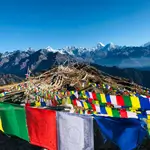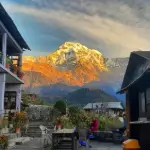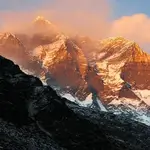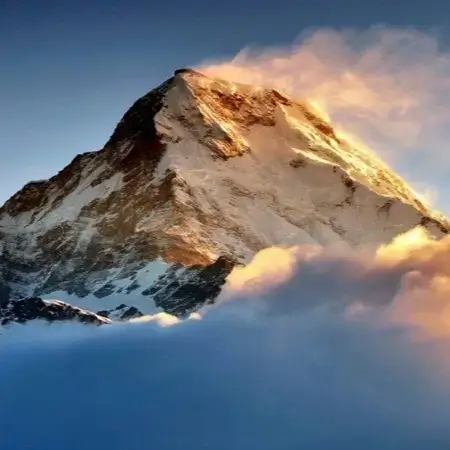
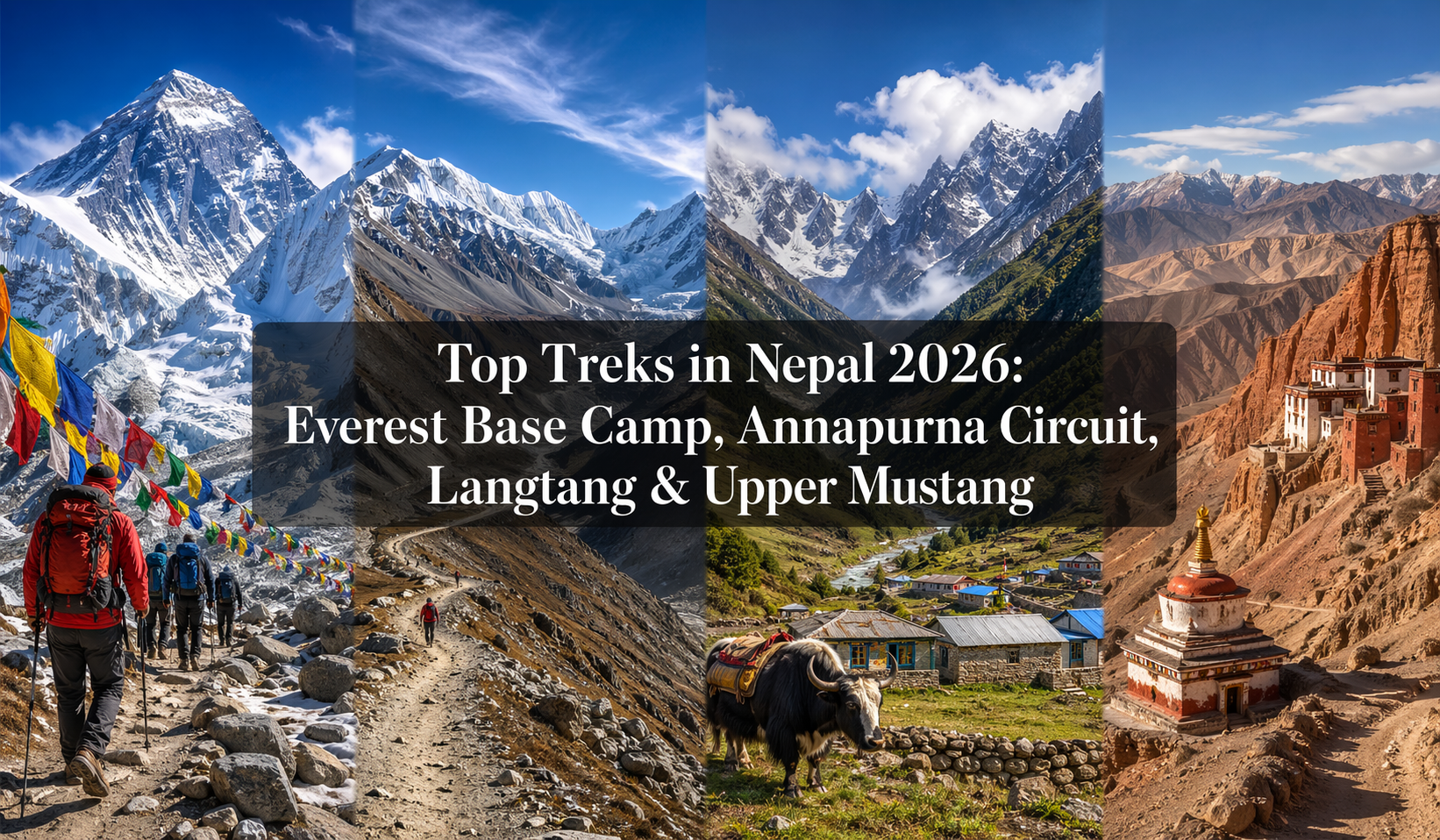
Nepal does not ease you in gently. The moment your flight descends into the Kathmandu Valley, you already understand why people come here from every corner of the world with mud on their boots and fire in their eyes. Eight of the fourteen highest mountains on Earth live here. Ancient trade routes connect villages that have barely changed over the past five centuries. And trail after trail winds through landscapes so varied. subtropical jungle, alpine forest, high-altitude desert, and glacial valley, so that no two treks feel remotely the same.
The question is never whether Nepal is worth trekking. The question is always: which trail is yours?
In 2026, Nepal's trekking infrastructure will be stronger than it has ever been. Trails are better maintained, teahouse services have improved considerably, weather forecasting has become more accurate, and sustainable tourism practices are being embraced by local communities across every major region. There has never been a better time to go. Here is a complete guide to the four trails that define Himalayan trekking and what each one actually demands of you.
Why Trekking in Nepal Stands Apart from Anywhere Else
Most adventure destinations offer one thing: scenery, culture, or a physical challenge. Nepal gives you all three simultaneously, stacked on top of each other across a single week of walking.
A single day on the Annapurna Circuit might take you through a Hindu temple at dawn, a Buddhist monastery by noon, a Gurung village for lunch, and a high mountain pass by late afternoon. The Langtang Valley places the Tamang culture against a backdrop of 7,000-metre peaks, close enough to Kathmandu to reach by bus but remote enough to feel genuinely wild. Upper Mustang sits in a rain shadow, keeping the sky permanently clear while the rest of Nepal drowns in monsoon rains, a medieval Tibetan kingdom frozen in time, accessible only to those who earn a restricted area permit.
No other country compresses this much diversity into such a small walkable area. That is why Nepal trekking remains, for serious walkers, the benchmark against which everything else gets measured.
1. Everest Base Camp Trek
Duration:12 to 14 days
Difficulty: Intermediate to Challenging
Best Season: March to May and September to November
There is a particular silence at Everest Base Camp that nobody talks about enough. After twelve days of walking through Sherpa villages, Buddhist monasteries, and the glacial chaos of the Khumbu Icefall, you arrive at 5,364 metres and the world goes very quiet. The mountain is so enormous that it does not look real. You just stand there.
The trek begins with a short but notoriously turbulent flight into Lukla, one of the world's most dramatic airports and then follows the Dudh Kosi river through Namche Bazaar, Tengboche, Dingboche, and Lobuche before reaching the base camp itself. The highest point most trekkers reach is Kala Patthar at 5,545 metres, where the sunrise view of Everest, Lhotse, and Nuptse is widely regarded as the finest mountain panorama in the world.
Altitude acclimatisation is the critical variable here. The standard itinerary includes rest days at Namche and Dingboche to allow the body to adjust. Skipping acclimatisation days to save time is the single most common mistake trekkers make, and it ends a significant number of expeditions early. Go slowly, drink water obsessively, and never ascend more than 500 metres per day above 3,000 metres.
The permits required are the Sagarmatha National Park entry permit and a TIMS card. Both are obtainable in Kathmandu before departure. A licensed guide is strongly recommended, though not legally compulsory, on this route.
2. Annapurna Circuit Trek
Duration: 14 to 18 days
Difficulty: Intermediate
Best Season: March to May and October to November
If Everest Base Camp is Nepal's most famous trek, the Annapurna Circuit is its most complete one. This route circumnavigates the entire Annapurna Massif, crossing climates and cultures with a regularity that feels almost theatrical, subtropical forests in the lower Modi Khola valley, alpine meadows above Manang, the near-vertical wall of the Thorong La Pass at 5,416 metres, and the sudden drop into the Mustang rain shadow on the other side.
The Thorong La crossing is the day that defines the Circuit. Most trekkers start by 4 a.m. to avoid afternoon winds, climbing 1,000 metres of steep, exposed terrain before the descent to Muktinath. It is demanding but not technical. People of ordinary fitness who are properly acclimatised complete it every day during peak season.
What separates the Circuit from other treks is the sheer variety of the journey. The sunrise from Poon Hill over the Annapurna range is one of the most photographed moments in Himalayan travel. The ancient trading town of Manang, at 3,500 metres, carries a character entirely its own. And the descent into the Kali Gandaki gorge, the deepest gorge on earth, is a geological spectacle that stops hikers in their tracks.
Permits required are the TIMS card and the Annapurna Conservation Area Project (ACAP) permit. Both are readily available in Kathmandu or Pokhara.
3. Langtang Valley Trek
Duration: 7 to 10 days
Difficulty: Beginner to Intermediate
Best Season: March to May and September to November
Langtang is the trail that experienced Nepal trekkers recommend to everyone they know, and rarely gets the credit it deserves. Just three hours from Kathmandu by road, the Langtang Valley offers mountain scenery and cultural depth that rival those of routes ten times more famous, without the crowds or the logistical complexity.
The trail begins at Syabrubesi and climbs through dense rhododendron and oak forests before opening into the wide, yak-grazed Langtang Valley. At 3,430 metres, Langtang village is surrounded by peaks that seem impossibly close. Kyanjin Gompa, the Buddhist monastery that anchors the upper valley, sits beneath the towering face of Langtang Lirung at 7,227 metres. The local yak cheese factory at Kyanjin is an unexpected but genuine highlight; the cheese is exceptional, and the process of watching it being made at altitude has a quiet charm that stays with you.
Langtang is also a story of resilience. The 2015 earthquake devastated the valley, destroying much of the original village. The community rebuilt with remarkable determination. Trekking here now is a meaningful act of support for local families who depend on tourism to sustain the livelihoods they worked to reconstruct.
Permits required are the Langtang National Park entry permit and a TIMS card.
4. Upper Mustang Trek
Duration: 10 to 14 days
Difficulty: Moderate to Challenging
Best Season: May to October (rain shadow makes it year-round viable)
Upper Mustang is not like anywhere else in Nepal. Or, for that matter, anywhere else in the world. Until 1992, this former Tibetan kingdom in the northern Mustang region was completely closed to outsiders, and the isolation preserved something extraordinary. The walled medieval city of Lo Manthang still shelters around 900 Lo families. Monasteries over a thousand years old stand intact inside cliff faces. The land itself looks like Mars: red and ochre canyon walls, ancient carved caves, and apple orchards growing improbably in the high desert.
The trek begins in Jomsom, reached either by a spectacular 20-minute flight from Pokhara or by a long road journey through the Kali Gandaki gorge. From Jomsom, the trail passes through Kagbeni, the last settlement of Lower Mustang, and then enters restricted territory heading north toward Lo Manthang. The landscape becomes steadily more arid and otherworldly as the altitude holds around 3,500 to 4,000 metres. The highest point is roughly 4,200 metres, which makes Upper Mustang more accessible for altitude than Everest or the Annapurna Circuit despite its remote character.
The permit requirement is significant. A restricted area permit costs USD 500 per person for 10 days and requires a licensed guide, a minimum group size of 2 trekkers, and advance booking through a registered trekking agency. It is the most expensive trekking permit in Nepal, but it is also the reason the area remains so perfectly preserved.
Upper Mustang also carries the rare distinction of being excellent during the monsoon season, when most of Nepal becomes difficult or dangerous to trek. Its location in the rain shadow of the Annapurna and Dhaulagiri ranges keeps the skies clear from May through October, making it a genuine option for travellers who cannot avoid the June to August window.
Choosing a Trek by Experience Level
Beginners are best served by Langtang Valley, Ghorepani Poon Hill, or the Mardi Himal Trek. These routes cover five to eight days, keep maximum elevations below 3,500 metres, and offer plenty of teahouse infrastructure so you are never far from a warm meal and a bed. They deliver genuine Himalayan scenery without requiring weeks of preparation.
Intermediate trekkers are ready for Everest Base Camp and the Annapurna Circuit. Both require solid cardiovascular fitness, the ability to walk six to eight hours per day over mixed terrain, and genuine attention to acclimatisation. Neither demands technical mountaineering skills, but neither forgives carelessness about altitude.
Experienced trekkers seeking genuine challenge should look at Upper Mustang for its remote cultural experience, Kanchenjunga Base Camp for raw wilderness, or the Three Passes Trek in the Everest region for high-altitude technical diversity. These routes require careful permit planning, experienced guides, and a higher tolerance for uncertainty.
Permits, Timing, and Logistics
Every trekker in Nepal needs a TIMS card (Trekkers' Information Management System), obtainable in Kathmandu or Pokhara for a modest fee. National park and conservation area entry permits are route-specific and carry separate fees. Upper Mustang's restricted area permit, at USD 500, stands in a category of its own.
The best trekking seasons in Nepal are spring (March to May) and autumn (September to November). Spring brings rhododendron forests in full bloom and crisp pre-monsoon skies. Autumn delivers the clearest mountain views of the year following the monsoon's wash. Monsoon (June to August) makes most routes slippery and difficult, though Upper Mustang and some arid northern regions remain excellent. Winter (December to February) is cold but manageable at lower elevations and rewards those who come with empty trails and sharp, clear mountain views.
Trekking Mistakes That End Trips Early
Rushing acclimatisation is the most dangerous and common mistake. Altitude sickness does not discriminate by fitness level; a marathoner is just as vulnerable as a first-time hiker if they ascend too quickly. Follow the golden rule: never gain more than 500 metres of sleeping altitude per day above 3,000 metres, and build in proper rest days.
Underestimating gear requirements is the second most frequent problem. Nepal's weather can swing from warm sunshine to freezing wind and rain within a single afternoon, particularly above 3,500 metres. Waterproof layers, warm insulation, quality trekking boots, and reliable trekking poles are not optional extras. They are the difference between a safe, enjoyable day and a miserable, risky one.
Attempting remote or high-altitude routes without a licensed guide creates problems that extend beyond personal safety. Guides carry local knowledge, emergency contacts, and cultural context that no app or guidebook fully replicates.
Conclusion
Nepal's top treks in 2026 offer something for every level of ambition and experience. Everest Base Camp remains the benchmark of bucket-list trekking, a journey that earns its reputation with every upward step. The Annapurna Circuit is the most complete adventure Nepal offers, a route where geography, culture, and physical challenge arrive together in one sustained experience. Langtang quietly punches above its weight for anyone who wants genuine mountains without the circus. And Upper Mustang is simply unlike anywhere else on earth, a medieval kingdom in the Himalayas that rewards every dollar of its permit fee and every day of its walk with a world that feels borrowed from another century.
The right trek is the one that aligns with where you are as a trekker right now and who you want to become by the end of it. Hop Nepal has been helping travellers find exactly that match since 2017, with trekking packages, expert local guides, permit assistance, and on-the-ground support across every major region in Nepal.
Browse Nepal trekking packages for 2026 at Hop Nepal.
Frequently Asked Questions (FAQs)
What are the easiest treks in Nepal for beginners?
The Ghorepani Poon Hill Trek (4 to 5 days), Langtang Valley Trek (7 to 10 days), and Mardi Himal Trek (5 to 7 days) are the most accessible options for first-time trekkers. All three offer genuine Himalayan scenery, well-maintained trails, regular teahouses, and maximum elevations between 3,200 and 3,700 metres, high enough to feel the mountains but manageable for those without prior trekking experience.
How long is the Everest Base Camp trek?
The standard Everest Base Camp trek takes 12 to 14 days from Lukla, including essential acclimatisation days at Namche Bazaar and Dingboche. Some trekkers complete modified itineraries in 10 days, but this is not recommended, as shortened acclimatisation significantly increases the risk of altitude sickness. The round-trip distance from Lukla to base camp and back is approximately 130 kilometres.
Which trek offers the best Himalayan views in Nepal?
For panoramic mountain views, Kala Patthar (5,545 metres) on the Everest Base Camp trail delivers the most iconic Everest sunrise on earth. The Annapurna Circuit's Thorong La Pass offers commanding views of the Annapurna Massif and Mustang's high desert. Poon Hill on the Ghorepani circuit provides the most accessible panorama, with Dhaulagiri and the entire Annapurna range spread across the horizon at a manageable 3,210 metres.
What permits do I need for the Upper Mustang?
Upper Mustang requires a Restricted Area Permit costing USD 500 per person for the first ten days, with USD 50 per day charged for additional days. It also requires an Annapurna Conservation Area Project permit (ACAP) and a TIMS card. The restricted area permit must be arranged through a registered trekking agency, and trekkers must travel with a licensed Nepali guide. A minimum group size of two trekkers is required.
Can I trek solo in Nepal?
Nepal's major trekking routes, including Everest Base Camp, Annapurna Circuit, Langtang, and Ghorepani, are legally open to solo trekkers with a TIMS card and the relevant park permits. However, a licensed guide is mandatory for restricted area treks, including Upper Mustang, Manaslu, and Kanchenjunga. Practically speaking, trekking with a local guide on any route adds meaningful safety, cultural depth, and local knowledge that significantly improve the experience beyond basic logistics.