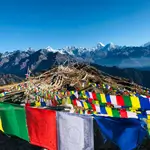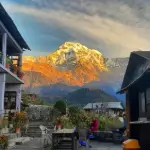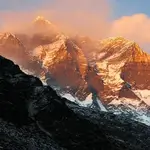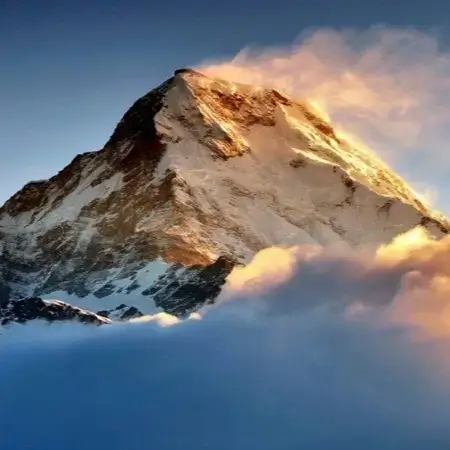

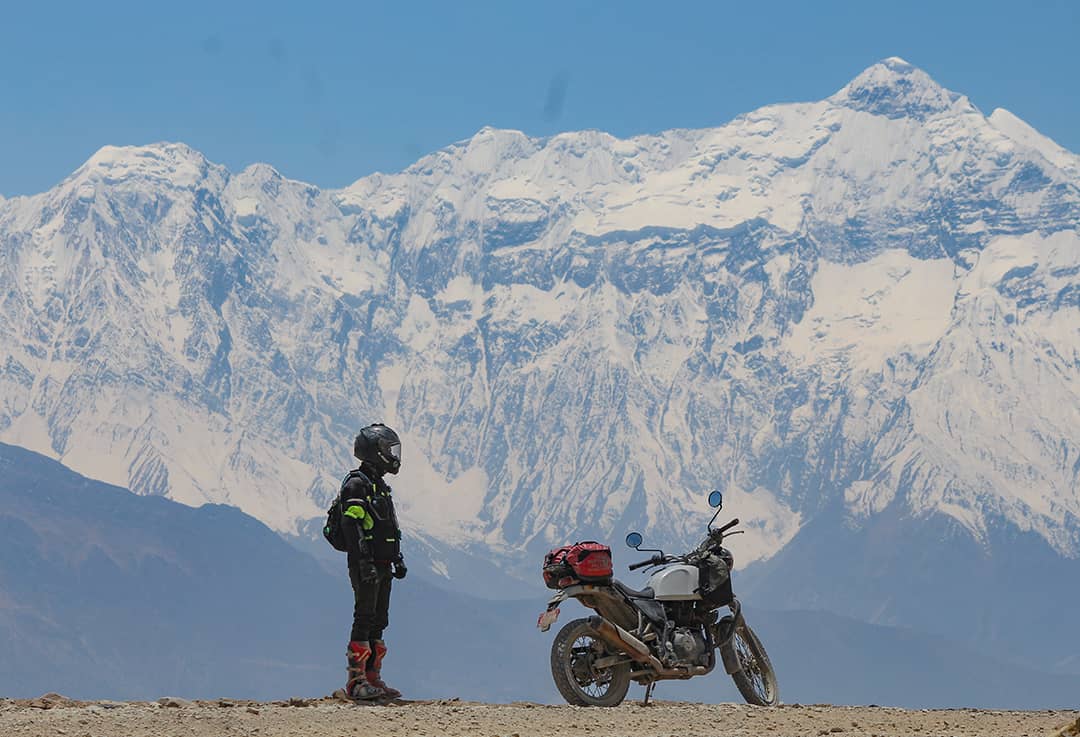
Upper Mustang, Nepal, is one of the Himalayas’ most beautiful and breathtaking destinations. It was a remote desert Kingdom which was frozen in time, where ancient Tibetan Buddhist culture thrives behind towering red cliffs and dramatic canyons. Upper Mustang is located in the rain shadow of the Annapurna and Dhaulagiri ranges. This is a restricted region that used to remain closed to foreigners until 1992. This helped in preserving the century-old traditions, medieval walled cities and mysterious cave dwellings carved into the sheer cliff faces.
Upper Mustang was a former independent Kingdom of Lo where its capital was Lo Manthang. It offers travellers an extraordinary journey into the Trans-Himalayan landscapes, which feel more Tibetan than Nepali. The arid desert terrain consists of whitewashed monasteries, which are adorned with the prayer flags and mud-brick clinging to barren hillsides. This creates a surreal vista unlike anywhere else in Nepal.
The Upper Mustang’s restricted status continues to limit the number of visitors. This ensures that authentic cultural encounters and a pristine environment for those who make the journey.
This is a detailed guide that helps you understand more about Upper Mustang, its history as an independent kingdom and 25 interesting facts. This guide provides you with the updated information as of 2026, including what makes this Himalayan desert one of Nepal’s most extraordinary destinations.
Where is Upper Mustang Located in Nepal?
Upper Mustang is located in Nepal’s northwestern corner in the Mustang District. It is the border between Nepal and the Tibet Autonomous Region of China to the North. This region lies in the rain shadow of the Annapurna and Dhaulagiri mountain ranges. This creates a high-altitude trek desert landscape, which is dramatically different from Nepal’s lush valleys and forests.
The rain shadow phenomenon occurs when the moisture-laden winds from the Indian Ocean rise over the southern Himalayan slopes. It releases the precipitation before reaching Upper Mustang. This creates an arid climate with annual rainfall under 250mm. This produces the stark desert beauty that contrasts sharply with Nepal’s Subtropical lowlands just 100 kilometres to the south.
Geographical Coordination:Approximately 29°N latitude and 84°E longitude.
Elevation Range:2,800 meters (Kagbeni) to 4,000+ meters (high passes)
Area:Approximately 2,567 square Kilometer
Capital:Lo Manthang (3,819 meters)
Accessibility from Kathmandu and Pokhara
From Kathmandu:
- You can take a direct flight to Jomsom which is 200 kilometers away. It takes approximately 25 minutes from the flight to reach the destination, depending on the weather.
- You can also drive from Kathmandu to Pokhara, which is also 200 kilometres. It might take around 6 to 7 hours by road. Then you can take a flight to Jomsom.
- The total journey takes 1 to 2 days, depending on the weather and transport options.
From Pokhara:
- You can take a flight to Jomsom which might approximately take 20 minutes and serve a scenic mountain view.
- You can also drive via Beni to Jomsom, which might take approximately 10 to 12 hours, as the roads are tough and depend on the season.
- After reaching Jomsom, you can then take a jeep or trek to Upper Mustang.
Upper Mustang is isolated, and this isolation contributes to preserving its history and culture. This ensures that the region is maintaining its timeless character despite increasing tourism.
The History of Upper Mustang
The Ancient Kingdom of Lo
Upper Mustang’s recorded history dates back to the Kingdom of Lo. It is recorded to have been established in 1380 CE by Ame Pal, who consolidated the power and founded the walled capital of Lo Manthang. This kingdom maintained semi-independent status for over 600 years while paying tribute to both Nepal and Tibet, while exercising considerable autonomy over its internal affairs.
Lo Manthang is located in a great spot serving as a trade route between Tibet and India for the ancient salt trade. This strategic location brought prosperity to Lo Manthang. The traders transported Tibetan salt, wool, and livestock south, and returned from India with grains, manufactured goods, and various Indian products. This commerce helped in stunning the Kingdom’s economy and facilitated cultural exchange.
Upper Mustang was ruled by 25 kings until Nepal abolished all monarchies in 2008, following the country’s transition to a federal democratic republic. The last official Raja (King) of Mustang was King Jigme Dorje Palbar Bista. He was born in 1930 and has retained the honorary status and deep respect from Mustang’s people despite no longer holding the official title.
Tibetan Cultural Influence
Upper Mustang has a strong connection with Tibet as they have had a century of trade with them. This connection established a profound cultural connection that distinguished the region from the mainstream Nepali culture. The local language used in the region is the Tibetan dialect, which is closer to the standard Tibetan than Nepali. As time passes by, more young locals have started adapting to the Nepali language due to the educational and increased integration with Nepal.
Tibetan Buddhism permeates daily life through the numerous monasteries, prayer wheels lining village paths, colourful prayer flags fluttering from the rooftops, and annual religious festivals. The architectural style used by locals here reflects the Tibetan traditions with flat-roofed mud-brick houses, whitewashed walls, and small windows minimizing heat loss in the harsh climate.
The huge earthquake of 2015, which devastated so much of the country, fortunately caused minimal damage in the Upper Mustang. This is due to the traditional earthquake-resistant construction techniques that are used in building the structure. They used the flexible wood framework within the mud walls, and used ancient building methods which proved to be more resilient than the modern concrete constructions.
Why Upper Mustang Was Restricted Until 1992
Nepal officially opened Upper Mustang to foreign tourists in October 1992. The opening of the region became one of the last regions in the Himalayas accessible to outsiders. There were various reasons due to which it was restricted.
- Border Security:Upper Mustang’s proximity to the Tibetan raised security concerns, particularly regarding the potential cross-border tension and the movement of Tibetan refugees. The strict control over the region allowed Nepal to manage its sensitive northern border.
- Cultural Preservation:Limiting the Upper Mustang region helps in protecting the unique Tibetan Buddhist culture from rapid modernization and potential degradation through the uncontrolled visitor influx. The restriction ensured gradual, managed tourism development while respecting the local traditions.
- Political Sensitivities:Between the 1960s and the 1970s, the region harboured the Tibetan resistance fighters, known as Kamoa warriors, who opposed the Chinese rule in Tibet. This complicated Nepal's diplomatic relations with China. This restricted access helps in maintaining the Nepal's neutrality while managing these sensitive political dynamics
Today, restricted area permits are required where the licensed guides are mandatory. This helps continue the managed tourism approach while successfully preserving Upper Mustang’s extraordinary cultural and natural heritage.
25 Interesting Facts About Upper Mustang Nepal
- Former Independent Kingdom:Upper Mustang was an independent kingdom, which was called the Kingdom of Lo until 2008. The kingdom successfully maintained a semi-autonomous status for over 600 years.
- Walled Medieval Capital:Lo Manthang features a 9-meter-high medieval wall. This medieval wall encircles the ancient city, which is one of Nepal's last remaining walled settlements.
- Rain Shadow Desert:For this reason the annual rainfall averages under 250mm. This rainfall creates high-altitude desert landscapes with the red and ochre cliffs.
- Sky Caves Mystery:Over 10,000 ancient caves are carved into sheer cliff faces. Some, dating back 3,000 years, with a purpose are still debated by archaeologists.
- Restricted Access:Fewer than 3,000 foreign tourists visit the region annually, compared to other popular destinations such as Everest Base Camp and Annapurna Base Camp, which receive more than 150,000 foreign tourists annually.
- Tibetan Plateau Extension:Upper Mustang represents the southernmost extension of the Tibetan Plateau within Nepal’s borders.
- Last King of Mustang:King Jigme Dorje Palbar Bista is the last king of the region. Jigme Dorje Palbar Bista still retains the honorary title “Raja” despite Nepal’s 2008 monarchy abolition.
- Tiji Festival:Tiji festivalis the three-day Buddhist festival which is celebrated annually in Lo Manthang. This festival features elaborate masked dances, rituals, and centuries-old traditions.
- Ancient Trade Route:This region is the trade route between India and China (Tibet). This region developed through the salt trade route between the two countries for centuries.
- Minimal Vegetation:The sparse vegetation includes the hardy shrubs, drought-resistant plants, and crops irrigated through the sophisticated ancient water management systems.
- Polyandry Tradition:Polyandry tradition is historically practiced. Fraternal polyandry (brother sharing one wife) is followed to prevent land division. This tradition has now largely disappeared.
- Monastic Art Treasures: The monastic art treasure of the region includes monasteries' houses, which are irreplaceable 14th to 15th century murals, thankas, which are religious paintings, and manuscripts.
- Four-Season Climate:In the region, you can experience extreme temperature variation. During summer, the temperature reaches 25°C, and during the winter, the temperature drops to -25°C.
- Strategic Location:Upper Mustang is positioned at the crossroads of the major Himalayan trade routes, which connect Tibet, India, and Nepal.
- Unique Architecture:The region features flat-roofed mud-brick buildings with wood-heating systems. The architecture and structure adapt perfectly to the arid climate and available minerals.
- Bon Religion Remnants:The pre-Buddhist bon religion influences persist alongside the dominant Tibetan Buddhism.
- Barley Cultivation:The staple crops such as barley, buckwheat, and potatoes are grown through the intricate irrigation from the glacial streams.
- Helicopter access:The helicopter service is available which helps in providing quick access. Even though the helicopter service is easily available, most of the tourists and visitors prefer to trek or drive.
- Seasonal Migration:Many residents practice transhumance. This is a practice of moving the livestock between the summer and winter pastures.
- Preserved Medieval Culture:The daily life practices are the same and have not been changed for centuries due to the isolation and restricted tourism in the region.
- Natural Fortress:The legion consists of the natural fortress. The sheer cliffs and narrow canyons created natural defensive barriers that protected the kingdom historically.
- Sunrise Over Tibet:During the clear weather, you can get a view across the border into Tibet's vast plateau from the high viewpoints.
- Polyglot Population:In the Upper Mustang, the locals typically speak multiple languages, which include the local Tibetan dialect, Nepali, and increasingly English.
- Ancient Manuscript:The region includes monasteries that have preserved the rare Buddhist texts and manuscripts, where some of the manuscripts are 500 years old.
- Wind-Carved Landscapes:Strong winds sculpt the dynamic rock formations. This creates the otherworldly desert scenery, unique in Nepal.
Culture and Lifestyle in the Upper Mustang Nepal
Traditional Architecture
The architecture of the buildings in the region features the clustered flat-roofed houses which are built from the dun-fried mud bricks and stone. The walls are whitewashed and consist of small windows. The roofs of the buildings are used and function as an area to dry the harvested crops and social gathering spaces during warm weather conditions. The woods are scarce, so people here fry the animal dung which serves as the primary fuel for heating and cooking.
Monasteries (Gompas)
The Buddhist monasteries dominate village life as spiritual, educational, and community centers. Some of the major monasteries of the region include Jampa Gompa and Thubchen Gompa which are located in Lo Manthang, and Chhoser Cave Monasterywhich is carved into cliff faces. These gompas house the ancient Buddhist texts, religious artifacts, and stunning murals depicting the Buddhist teachings.
Local Festivals
The Tiji festivalis celebrated annually in May. This marks the Upper Mustang’s most important current event. It is a three-day Buddhist ritual which features the elaborate masks performed by the monks. This symbolizes the triumph of good over evil and ensures prosperity for the coming year. Other festivals of the region are followed by the Buddhist calendar, which includes Loshar, which is also the Tibetan New Year, and various other harvest celebrations.
Dress and Dialect
The traditional dress includes long robes called chuba, which are worn by both men and women. It is often made from wool and adorned with colorful sashes and jewelry. Married women wear distinctive striped aprons. The local language is the Tibetan dialect, which is called Loba. The language spoken in the region is distinct from standard Nepali. Education has made Nepali increasingly common among the younger generations.
Agriculture in Arid Terrain
Despite the harsh conditions in Upper Mustang, the locals cultivate barley, buckwheat, potatoes and other vegetables using sophisticated irrigation systems channelling the glacial meltwater to terraced fields. Apple orchards have flourished in some areas that produce fruit that is renowned throughout Nepal. Yak and sheep herding supplements agriculture, which provides meat, dairy, wool and transportation.
What Makes the Upper Mustang Unique?
Trans-Himalayan Landscape
Upper Mustang’s position in the rain shadow creates lunar-like desert terrain which contrasts dramatically with Nepal's lush green valleys. The red, ochre and grey cliffs are eroded into the fantastic formulations which creates the otherworldly scenery reminiscent of the American Southwest or Martian landscapes.
Tibetan Plateau Feel
The region’s geography, climate, and architecture mirror Tibet culture more than Nepal. It offers the authentic Tibetan Buddhist experiences which are increasingly rare in Tibet itself due to modernization and political changes.
Isolation and Preserved Culture
Restricted tourism and geographical isolation have preserved medieval culture, architecture and traditions. Daily life continues much as it has for centuries. The agricultural practices, religious observances, and social structures remain largely unchanged to date.
Archaeological Mysteries
The 10,000+ ancient caves are carved into the cliff faces which remain partially unexplored. With ongoing research, it reveals that the cliffs were used as burial chambers, living quarters, meditation cells, and storage areas. The engineering, purpose, and exact age of these caves continues to confuse and puzzle the archeologists.
Cultural Authenticity
Unlike any commercialized trekking regions, Upper Mustang offers genuine cultural encounters. The locals maintain traditional lifestyles which are not built for the tourist attraction but as the living heritage which creates an authentic experience that might not be available in the heavily visited areas.
Responsible Tourism and Cultural Sensitivity
Respect Local Customs
You must remove your shoes before entering the monasteries and homes. You must walk clockwise around the religious sites and ask for permission before photographing people. It is recommended to dress modestly while covering the shoulders and knees and avoiding any public displays of affection.
Environmental Responsibility
You must pack out all of the trash, including wrappers and batteries, that you have used. You must use and carry refillable water bottles with purification. This helps in minimizing any unnecessary use of plastics. You must stick to the marked trails to prevent erosion and support the local eco-friendly tea houses, which implement and believe in proper waste management.
Support Local Economy
You can purchase handicrafts directly from artists and eat at the local restaurants. It is also recommended to hire the local guides and porters while staying in the locally owned tea houses and pay fair prices for all of the services that are used by you, as getting logistics to the destination is challenging, considering the remote areas.
Cultural Preservation
It is strictly advised to never remove the artifact stones from the archeological sites, and respect the photography restrictions in the monasteries. You can also support the monastery restoration projects through donations and engage respectfully with the cultural practices without interrupting the religious ceremonies.
Conclusion
Upper Mustang remains one of Nepal's most extraordinary destinations. Here, history, culture and landscape blend into a truly timeless experience. From the ancient walled city of Lo Manthang to the mysterious sky caves which are carved into towering cliffs, the region preserves the legacy of its ancient kingdom of Lo with authenticity.
It is sheltered in the rare shadow of the Annapurna and Dhaulagiri range. This is a high-altitude desert which offers a rare glimpse into a Tibetan-influenced culture that has remained unchanged for centuries.
Upper Mustang continues to follow a carefully managed tourism model. This ensures that its fragile and beautiful environment with deep-rooted traditions is fully protected for future generations. Whether you are drawn by its dramatic Trans-Himalayan scenery, the vibrant festivals or its rich Buddhist heritage, Upper Mustang promises a journey that is not just a trek or visit. It is a cultural and spiritual exploration into one of the Himalayas’ last hidden kingdoms.
Frequently Asked Questions (FAQs)
Q. Why is the Upper Mustang restricted?
Upper Mustang requires a restricted area permit as it is located in a sensitive location bordering Tibet. It helps preserve the unique Tibetan Buddhist culture and manage tourism. It also helps in preserving the environment from cultural degradation. This restriction ensures sustainable tourism,m which benefits local communities while protecting the heritage.
Q. Is the Upper Mustang part of Tibet?
No, Upper Mustang is not a part of Tibet. It is part of Nepal’s Mustang District which has a strong Tibetan cultural influence. It is the border between Tibet (China) and Nepal. This confusion arises as the residents share the same cultural integration, language, and historical ties to the ancient Kingdom of Lo's ties to Tibet.
Q. Can foreigners travel independently to Upper Mustang?
No, foreigners cannot travel independently to the Upper Mustang. A licensed and experienced guide is required from a registered agency to travel and trek the restricted region. You need a minimum group size of two trekkers and permits that specify the exact itineraries and dates that must be followed.
Q. How High is Lo Manthang?
Lo Manthang sits at 3,810 meters above sea level. Going on a trek to this altitude requires acclimatizations. Despite the need of acclimatization, it is more accessible for trekkers considering the extreme altitude.
Q. What is the Tiji Festival?
Tiji festival is the Upper Mustang’s most important three-day Buddhist celebration, which is held annually in May in Lo Manthang. During this festival monks perform elaborate masked dances depicting the victory of good over evil. This attracts the pilgrims and tourists. The festival ensures community prosperity and marks as the cultural highlights of the year.
Also Read:
Tiji Festival in Lo Manthang, Upper Mustang
Chhoser Cave: An 800 BC Cave In Upper Mustang Region
Upper Mustang Permit Guide 2026: Cost, Eligibility and Rules