
Quick Answer: Everest Base Camp Trek Difficulty
People ask this question constantly and most answers they find are either trying to scare them off or trying to sell them a tour package by making it sound easier than it is. Here is the honest version before anything else:
- The Everest Base Camp trek difficulty sits at moderate to challenging on the standard trekking scale
- It is not a technical climb; there are no ropes, no crampons, no mountaineering skills required
- The altitude is what makes it hard, not the daily walking distance
- Most reasonably fit people who prepare properly can complete it
- Most people who struggle or turn back did not prepare properly or underestimated the altitude
- Completing this trek is a genuine physical achievement, regardless of your fitness background
Everything else you need to know before deciding whether this is something you can actually do is below.
Why This Question Is More Complicated Than It Sounds
Here is the thing about the Everest Base Camp trek difficulty that nobody explains clearly enough. The hardest part of this trek is not the steepest section of the trail. It is not the longest day of walking. It is not even the cold, though the cold is real and sustained and gets into your bones in ways that a morning jog in the city does not prepare you for.
The hardest part is doing moderately difficult things repeatedly, day after day, at elevations where your body has to work significantly harder than at sea level to perform functions it handles effortlessly. Walking up a gentle slope at 4,500 meters feels genuinely different from walking up the same slope at 500 meters. Your lungs work harder. Your legs feel heavier than their actual weight. Your sleep gets disrupted by the altitude in ways that accumulate over two weeks, leaving you with a fatigue debt that has nothing to do with how fit you are.
That is the honest picture of what the Everest Base Camp trek difficulty actually means on the ground. Not one impossible day. Fourteen days of sustained moderate effort at an altitude that your body was not designed for.
Everest Base Camp Trek Difficulty: Day by Day Reality
Understanding how the difficulty builds across the trek helps you prepare for the right thing rather than the wrong one.
Days 1 and 2: Lukla to Namche Bazaar
The flight into Lukla at 2,860 meters is where the adventure starts and the altitude begins registering. Day one from Lukla to Phakding is genuinely easy, around three to four hours of walking through pine forests along the Dudh Koshi River with modest elevation change. Most people feel fine and underestimate what is coming.
Day two, from Phakding to Namche Bazaar, is where the trek announces itself properly. The trail climbs steeply from the river valley to Namche at 3,440 meters over roughly six hours. The final two hours of that climb are unrelenting uphill on a switchback path that earns its reputation. First-time trekkers regularly find this section considerably harder than they expected. It is not the altitude yet, it is just steep and sustained and your legs know about it by the time Namche comes into view.
Day 3: Acclimatization at Namche Bazaar
The rest day in Namche is mandatory, regardless of how you feel. This is the day that determines how the rest of the trek goes. Most people feel fine at Namche and want to push on. The experienced guides who have watched hundreds of trekkers rush through Namche and pay for it above 4,000 meters will tell you to stay put and do a short acclimatization hike instead. Listen to them.
Days 4 and 5: Namche to Tengboche and Dingboche
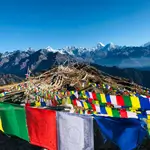
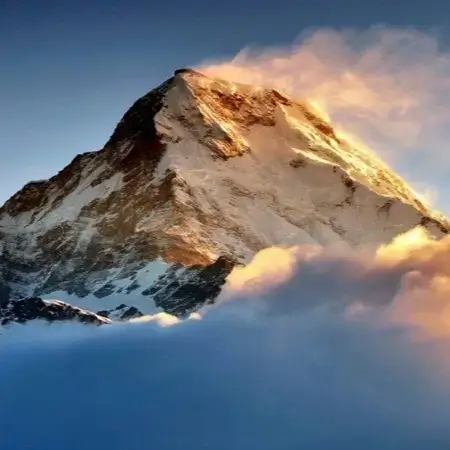
The trail above Namche opens up into the full Himalayan panorama that makes this trek worth every hard step. Ama Dablam appears on the right, Everest's summit briefly shows above the ridgeline, and the scale of the landscape starts to land properly. The walking is challenging but not brutal during these sections. Four to six hours per day on paths that gain and lose elevation rather than climbing continuously. The altitude is building, though. Dingboche sits at 4,410 meters and some trekkers start feeling its effects here.
Day 6: Acclimatization at Dingboche
Second mandatory rest day, and the one trekkers most want to skip. The short hike above Dingboche to the ridge at around 5,000 meters is where many people get their first real taste of what altitude does to physical output. Walking up a moderate slope at this elevation with no pack and feeling genuinely breathless is a useful reality check before pushing higher.
Days 7 and 8: Dingboche to Lobuche and Gorakshep
These are the two hardest walking days of the entire trek by the measure of how they feel on your body. The path from Dingboche to Lobuche at 4,940 meters passes the Thukla memorial site, where stone monuments mark the deaths of climbers who did not come back from Everest. The emotional weight of that place adds something to the physical difficulty that most trekking guides do not mention.
Lobuche to Gorakshep at 5,164 meters is short in distance and long in effort. The path crosses the lateral moraine of the Khumbu Glacier, the footing is uneven and demanding, and the altitude makes every uphill stretch feel like your body is running on a fraction of its normal capacity. Most trekkers take significantly longer than the posted time for this section and arrive at Gorakshep properly tired, with the tiredness accumulating on top of that from the previous days.
Day 9: Everest Base Camp and Kalapathar
The day that the entire trek has been building toward. Most people hike to Everest Base Camp at 5,364 meters in the morning, then climb Kalapathar at 5,644 meters for sunset, or the following morning for sunrise. Both are hard. Neither is technically difficult. Just thin air and steep ground and the specific kind of determination required to keep moving when your body is operating at a meaningful oxygen deficit.
The Kalapathar climb is genuinely the most physically demanding thing most non-mountaineers will ever do. The altitude requires a pause every ten steps. Breathing becomes a conscious, deliberate act rather than an automatic process. And the view from the top of Everest directly in front of you makes every labored breath completely worth it.
Days 10 to 14: Return to Lukla
The descent is easier on the lungs and harder on the knees. Most trekkers underestimate the physical toll of the return journey because descending feels easier than ascending. Four days of sustained downhill on uneven rocky terrain is genuinely demanding on the joints and the muscles that control descent, and arriving at Lukla after two weeks on the trail, you are a particular kind of tired that cannot be fully described to someone who has not experienced it.
What Actually Makes the Everest Base Camp Trek Hard
The Altitude Is the Main Challenge
At Everest Base Camp, you are at 5,364 meters above sea level. The air at that elevation contains roughly half the oxygen available at sea level. Your body cannot fully compensate for that deficit, regardless of how fit you are, how much you train, or how much you spend on your gear. Altitude affects everyone, and it does not play favourites based on age, fitness level, or prior trekking experience.
The symptoms of altitude sickness range from uncomfortable to genuinely dangerous. Headache, nausea, loss of appetite, disrupted sleep, and fatigue are the normal range of effects that most trekkers experience to some degree above 3,500 meters. Serious altitude sickness, including high altitude pulmonary edema and high altitude cerebral edema, are rarer but real risks that require immediate descent when they occur. Understanding the difference between normal altitude discomfort and symptoms that require action is one of the most important things any EBC trekker needs to know before leaving Kathmandu.
The Duration Compounds Everything
This is not a hard day at the gym followed by recovery time. It is 12 to 14 consecutive days of physical effort at altitude with sleep disrupted by the elevation and recovery limited by the thin air. The cumulative fatigue that builds over two weeks of this is something fit people consistently underestimate, because nothing in normal life quite replicates it. You cannot simulate it with long training hikes at home because the altitude component fundamentally changes the experience.
The Mental Challenge Is Real
Nobody talks about this enough. The mental difficulty of the Everest Base Camp trek is as significant as the physical one for many trekkers. There are days, usually around day seven or eight, when the initial excitement has worn off, and the body is carrying real fatigue, where the trail feels relentless, and the question of why you signed up for this becomes genuinely difficult to answer from inside the experience. Getting through those days is a mental challenge first and a physical one second.
The Weather and Cold
The Everest Base Camp trail in October, during peak season, is cold in a way most people from warmer climates have not experienced. Not just cold mornings that warm up by midday. Cold that gets into the teahouse rooms at night, cold that you wake up to at 5 AM when you need to use the bathroom down the corridor, cold that makes getting out of your sleeping bag a genuine act of will every single morning for two weeks.
Everest Base Camp Trek for Beginners: Can You Actually Do It?
The straightforward answer is yes, beginners can and regularly do complete the Everest Base Camp trek successfully. The qualification to that answer is that beginners who complete it successfully are almost always the ones who prepared properly, respected the acclimatization schedule, hired experienced guides, and approached the altitude with honesty about their own physical responses rather than ego.
Beginners who struggle or turn back tend to fall into predictable patterns. They rushed the acclimatization days because they felt fine and wanted to keep moving. They ignored early altitude symptoms because admitting them felt like weakness. They underestimated how cumulative fatigue over two weeks would compound with the altitude effects. They did not prepare their bodies adequately in the months before departure.
Prior trekking experience is genuinely helpful, but it is not the decisive factor that most people assume it is. A moderately fit person who has never done a multi-day trek but who prepares consistently for three to four months beforehand will outperform an experienced trekker who shows up underprepared significantly more often than not.
Everest Base Camp Fitness Requirements: What You Actually Need
Cardiovascular Fitness
The cardiovascular demand of this trek is sustained rather than intense. You are not sprinting. You are walking uphill for 4 to 6 hours per day at elevations where your cardiovascular system is working significantly harder than usual to deliver oxygen to your muscles. The training that prepares you for this is sustained cardio, not interval training or gym circuits.
Running, cycling, swimming, and hiking are all effective forms of preparation. The specific preparation that transfers most directly is loaded hiking on varied terrain with elevation gain. If you can do a three to four-hour hike carrying a 10-kilogram pack with sustained uphill sections and feel genuinely okay at the end of it, you are in reasonable shape for the trek. If that description sounds ambitious, you have work to do before departure.
Leg Strength and Joint Health
The descent from Gorakshep back to Lukla over four days is as demanding on the knees and hips as the ascent is on the cardiovascular system. Trekkers with pre-existing knee problems need to discuss the trek with a doctor before committing, carry proper trekking poles without exception, and build specific leg strength, including eccentric training for the quads, in the months before departure.
Core Stability
Carrying a daypack across uneven rocky terrain for multiple consecutive days puts significant demand on the core muscles that stabilize your spine and pelvis. Core strength training is worth including in the preparation program, not for performance reasons but for injury prevention across a two-week period of sustained physical effort.
EBC Trek Altitude Sickness: What You Need to Know
Altitude sickness is the single most important health consideration on the Everest Base Camp trek and the one that ends the most trekking attempts prematurely. Understanding it before you leave home, rather than learning about it at 4,500 meters when it is already affecting you, is genuinely important.
Acute Mountain Sickness, in its mild form, affects the majority of trekkers at some point above 3,000 meters. Headache, fatigue, reduced appetite, and disturbed sleep are the normal indicators. These symptoms are manageable with adequate hydration, a slower pace, and acclimatization time at the altitude that caused them.
The rule that matters most is this: never ascend with existing symptoms. Mild AMS that is ignored and pushed through becomes serious AMS that requires descent. Serious AMS that continues to be ignored becomes life-threatening. The golden rule on the EBC trail is that if altitude sickness symptoms appear, stop ascending until they clear; if they worsen rather than improve at the current altitude, descend immediately.
Diamox (acetazolamide) is worth discussing with a doctor before the trek as a preventive and therapeutic option for altitude sickness. It does not replace proper acclimatization. It supports it. Some trekkers use it throughout, others only when symptoms appear, and others choose not to use it at all. The decision should be made with a doctor who understands your specific health history rather than based on advice from other trekkers on the trail.
Everest Base Camp Trek Preparation: What Actually Works
Training Timeline
Starting a specific training program three to four months before the trek is the minimum preparation window that produces reliable results. Six months is better. Most people who turn up properly prepared started earlier than they thought necessary and are glad they did.
What to Actually Train
The most common training mistake is doing what you enjoy rather than what the trek requires. Running is a popular form of preparation, but it does not replicate sustained uphill hiking under load across uneven terrain. Cycling builds cardiovascular fitness but does not prepare your ankles and knees for the specific demands of mountain terrain. The training that works best is hiking, specifically loaded hiking on the steepest terrain available to you, done consistently across the months before departure.
Gym training can supplement but probably cannot replace trail hiking as the primary preparation. Strength work for the legs, core, and the posterior chain is valuable. Cardio sessions on the stair climber under load are more specific to the demands of the trek than flat running. Flexibility and mobility work for the hips and ankles reduces injury risk across two weeks of demanding terrain.
Gear and Equipment
The right gear does not make the trek easy but the wrong gear makes it considerably harder. Broken-in waterproof trekking boots with strong ankle support are non-negotiable and should be worn for months before the trek, rather than arriving brand-new in Kathmandu. Trekking poles reduce knee stress on descents and are worth using from day one rather than picking them up halfway through when your knees are already complaining. A down jacket rated to at least minus 15 degrees, moisture-wicking base layers, and a quality sleeping bag rated for the temperatures you will encounter at altitude are the items that affect daily comfort and sleep quality most directly.
Hiring a Guide
First-time trekkers on the Everest Base Camp trail should hire a licensed guide without making this a cost-saving debate. A good guide manages acclimatization decisions, recognizes altitude symptoms early, knows when to push and when to stop, and provides a layer of safety in a remote environment where the consequences of poor decisions can be serious. The guide cost on this trek is one of the most justified expenses in the entire budget.
Tips for First-Time Trekkers: What Actually Helps
Go slower than you think you need to. This is the advice that experienced guides give most consistently and the one that first-time trekkers most consistently ignore. The competitive instinct to keep pace with faster trekkers or to push through a difficult stretch because the teahouse is just ahead is the instinct that creates problems at altitude. Slow is safe. Slow is sustainable. Slow gets you to Base Camp.
Drink more water than feels necessary. Dehydration at altitude accelerates the onset of altitude sickness and compounds fatigue. The target is three to four litres per day, and many trekkers fall well short because thirst signals are less reliable at altitude than at sea level.
Tell your guide how you actually feel rather than how you want to feel. The guides who have worked this trail for years have seen every variation of altitude response and they can help you make good decisions if you give them accurate information. Pretending you feel better than you do to avoid slowing the group down or appearing weak is a pattern that ends treks prematurely.
Do not make decent decisions at the end of a hard day when you are exhausted and demoralized. How you feel at 4 PM after a seven-hour day at altitude is not how you will feel the next morning after sleep and food. Talk to your guide about symptoms and make altitude decisions with their input, rather than at the emotional low point of late-afternoon fatigue.
Take the acclimatization days seriously. The rest of the days at Namche and Dingboche feel like wasted days when you are feeling good and eager to push forward. They are not. These are the days that determine whether you make it to Base Camp or turn back somewhere above Lobuche. Every experienced guide on this trail will tell you the same thing. The trekkers who skip acclimatization days to save time are the ones who end up losing the most time to altitude sickness above 4,500 meters.
Frequently Asked Questions (FAQs)
Is the Everest Base Camp trek hard for beginners?
It is achievable for beginners who prepare properly and approach the altitude honestly. The trek does not require prior mountaineering experience or technical climbing skills. What it requires is consistent physical preparation across the months before departure, respect for the acclimatization schedule, a good licensed guide, and the willingness to make smart decisions rather than ego-driven ones when the altitude starts affecting your body.
How physically demanding is the Everest Base Camp trek?
The daily walking demand is moderate: 4 to 6 hours per day on established trails that do not require technical skills. The physical challenge comes from doing this repeatedly across 12 to 14 consecutive days at altitudes where your body is working significantly harder than normal. The cumulative effect of sustained effort at high altitude is what catches most trekkers off guard, rather than any single day being impossibly hard.
What is the difficulty level of the Everest Base Camp trek?
Moderate to challenging on the standard trekking difficulty scale. It is harder than a multi-day hiking trail at low altitude. It is considerably easier than any technical mountaineering objective. The altitude is the primary difficulty factor, not the terrain or the daily walking distances.
Can I do the Everest Base Camp trek without prior experience?
Yes, with adequate preparation. Prior trekking experience helps because it gives you reference points for how your body handles sustained physical effort over multiple days, but it is not a requirement. A first-time trekker who has trained specifically for this trek for four to six months will perform better than an experienced trekker who arrived underprepared. Preparation matters more than prior experience in most cases.
How long does the Everest Base Camp trek take?
The standard itinerary runs 12 to 14 days from the Lukla flight to the return flight, including the two mandatory acclimatization rest days at Namche Bazaar and Dingboche. Shorter itineraries exist but they compress or eliminate acclimatization days and the trekkers who attempt them have significantly higher rates of altitude-related problems and premature descent. The 14-day schedule exists because the mountain demands that timeline, not because operators want to charge more days.
Final Thoughts: Is the Everest Base Camp Trek Hard Enough to Stop You?
Probably not, if you are asking the question seriously rather than looking for permission to avoid it.
The Everest Base Camp trek difficulty is real and sustained and the altitude will do things to your body that training cannot fully prepare you for. There will be days on the trail where the combination of fatigue, cold, altitude, and relentless uphill ground makes you genuinely question your decision to be there. Most people who complete this trek have at least one of those days somewhere between Lobuche and Gorakshep.
What gets people through those days is not exceptional fitness. It is preparation that gave them a physical base to draw on, a guide who managed the acclimatization correctly, the expectation that hard days are part of the experience rather than a sign that something has gone wrong, and the specific human stubbornness that kicks in when you have invested two weeks of your life in walking toward something and the thing is finally close enough to see.
The Everest Base Camp trek is hard in the way that meaningful things tend to be hard. Not impossibly so for most people who approach it honestly. Hard enough that completing it genuinely means something. That balance is part of why people come back from it changed in ways that are difficult to explain to anyone who has not been on the trail themselves.
Prepare properly. Hire a good guide. Respect the altitude. Go slower than your instinct tells you to. And go.